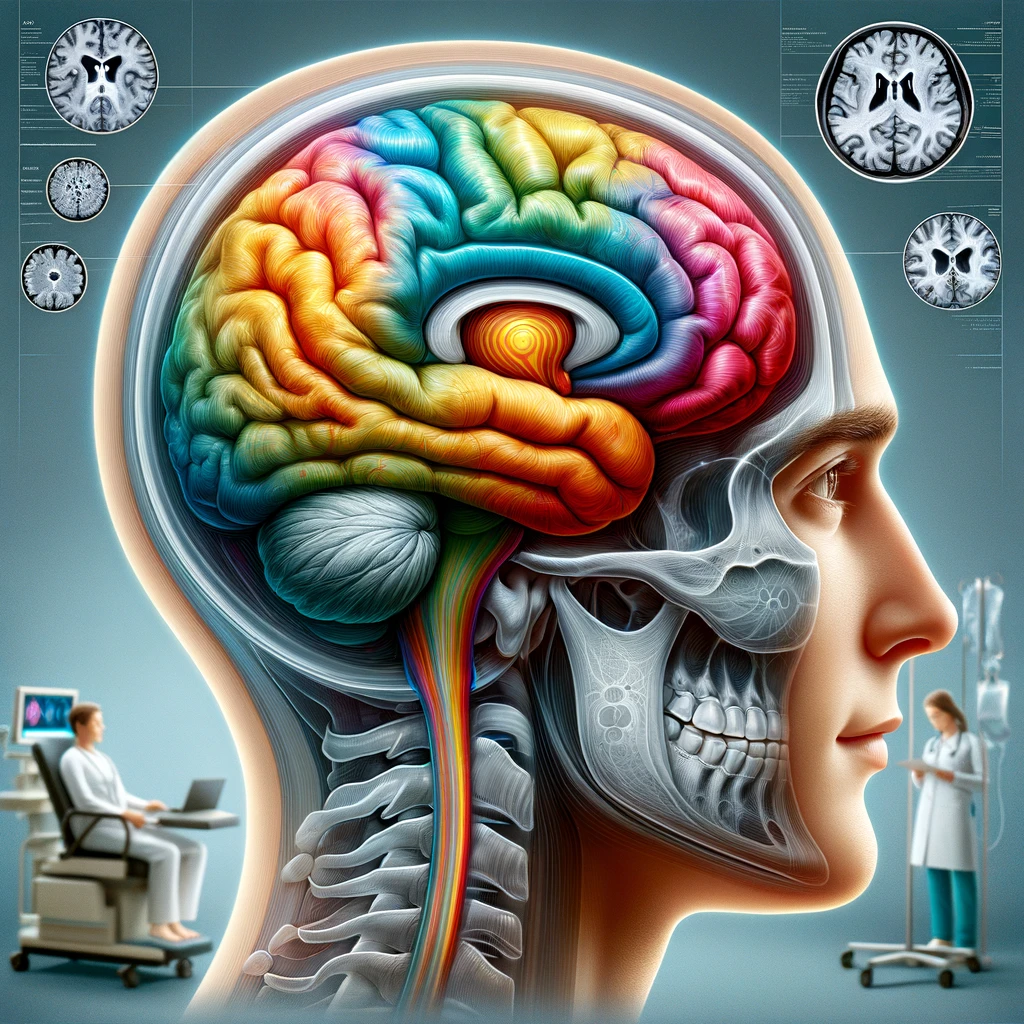

People with functional neurological disorder often experience headache and migraine in ways that differ from typical primary headache disorders, even when some symptoms appear similar on the surface. The pain can be highly variable in location, intensity, and pattern over time. Some individuals describe throbbing or pulsating pain similar to migraine, while others report pressure-like or burning sensations, shifting from one side of the head to the other or moving between focal and diffuse areas. These fluctuations can occur even within the same day, and the reported severity may not always match the level of observable distress or functional impairment, contributing to clinical complexity.
Associated migraine features such as photophobia, phonophobia, nausea, vomiting, and dizziness are frequently present but may appear in atypical combinations or with inconsistent timing relative to the headache itself. For example, a person may experience intense light sensitivity and sound sensitivity with minimal or rapidly resolving head pain, or persistent nausea without a clear temporal link to the onset of headache. Aura-like experiences, including visual disturbances, tingling, language difficulties, or transient weakness, may occur in patterns that raise concern for stroke or seizure but instead reflect functional symptoms intertwined with migraine physiology.
Functional neurological symptoms often coexist with migraine in a complex comorbidity pattern. Individuals may have established diagnoses of migraine with or without aura, tension-type headache, or medication overuse headache, along with non-epileptic attacks, functional movement symptoms, functional gait problems, or functional sensory changes. During or between headache episodes, patients might show inconsistent neurological signs, such as variable weakness, non-anatomical sensory loss, give-way weakness on examination, or unusual tremor phenomenology. These functional signs can be more prominent during pain flares, blurring the usual boundaries between migraine attacks and functional episodes.
Temporal relationships between headache and other functional symptoms are often striking. Some patients notice that functional seizures or dissociative episodes are triggered or worsened by migraine attacks, while others experience new-onset headaches after the development of functional neurological symptoms. In certain cases, headache may serve as a prodrome or warning sign for impending functional attacks, and in others it appears mainly after episodes, possibly reflecting post-event muscle tension, autonomic changes, or heightened vigilance to bodily sensations. This overlap can lead to frequent emergency department visits, where fluctuating symptoms and normal imaging contribute to diagnostic uncertainty.
Pain behavior and coping responses provide additional clinical clues. People with functional symptoms and migraine may show prominent anticipatory anxiety about potential attacks, with extensive avoidance of perceived triggers such as bright lights, physical exertion, crowded environments, or particular foods. They may also describe feeling unable to trust their body, monitoring minor sensations in the head or neck for fear that they signal another severe episode. This heightened focus often amplifies perceived pain and associated symptoms, reinforcing cycles of disability. At the same time, some individuals appear surprisingly detached or confused about the severity of their reported symptoms, alternating between intense distress and relative indifference.
Behavioral and contextual features around the episodes can diverge from classic migraine patterns. For example, a person might demonstrate sudden apparent unresponsiveness, complex movements, or dramatic collapses during a severe headache, yet maintain normal protective reflexes and normal vital signs. Others might report prolonged periods of being “unable to move or speak” with preserved awareness and recall, occurring after the peak of head pain. These episodes often arise in situations of acute stress, interpersonal conflict, or overwhelming sensory input, suggesting that psychological and environmental factors are important amplifiers of symptom presentation.
The course of headache and migraine within functional neurological disorder frequently shows pronounced day-to-day and week-to-week variability. Periods of intense daily headache may alternate with relatively pain-free intervals, without a clear pattern of medication response. Standard migraine therapies may show inconsistent effects: a drug that helps significantly during one attack may appear ineffective during the next, or pain relief may occur rapidly in a way that is not fully explained by the pharmacologic onset of action. Similarly, nonpharmacologic strategies such as rest in a dark room may sometimes worsen symptoms if they promote increased inward focus on bodily sensations or reinforce illness-related behaviors.
Physical examination often reveals tenderness in the scalp, neck, or shoulder muscles, but the distribution may be patchy or shift during the assessment. Some individuals exhibit marked allodynia, reacting strongly to light touch on the scalp or hair, while others show little correspondence between reported severe pain and outward signs such as facial grimacing or autonomic changes. Neurological testing may reveal inconsistencies, such as variable visual field constriction, shifting sensory boundaries, or weakness that improves with distraction. These findings do not invalidate the pain experience; rather, they suggest a functional dimension layered on top of migraine biology.
Autonomic and vestibular complaints are also frequent and can complicate the clinical picture. Dizziness, imbalance, palpitations, near-syncope, and sensations of internal trembling or “vibrating” are common, sometimes dominating the clinical narrative more than the head pain itself. These experiences may arise from a combination of migraine-related brainstem or vestibular dysfunction and functional dysregulation of autonomic responses. Patients can become highly fearful of falling or fainting during attacks, increasing avoidance of mobility, social activities, or work environments that feel unsafe.
Psychological context plays an important role in shaping clinical features. Many individuals with co-occurring migraine and functional neurological symptoms describe chronic stress, traumatic experiences, perfectionism, or high levels of self-criticism. During detailed history-taking, clinicians may uncover links between symptom exacerbations and specific stressors, such as work deadlines, family conflict, or reminders of past trauma. Headache episodes can become embedded in broader patterns of emotion dysregulation, with pain spikes accompanying episodes of fear, anger, or shame. Over time, the combination of recurrent migraine, functional symptoms, and psychosocial stress can produce complex, entrenched patterns of disability that differ markedly from typical episodic migraine.
The overall clinical presentation is therefore one of multidimensional overlap among headache, migraine features, functional neurological signs, psychological factors, and environmental context. Recognizing these patterns is crucial, as it allows clinicians to see that the symptoms are genuine and potentially reversible, while also appreciating that pain pathways, brain networks governing attention and threat, and functional neurological mechanisms are all interacting. This understanding lays the groundwork for integrated assessment and subsequent treatment planning tailored to the specific combination of headache, functional symptoms, and comorbidity in each individual.
Pathophysiological connections between migraine and functional neurological symptoms
The biological relationship between migraine and functional neurological symptoms appears to involve a convergence of multiple brain networks rather than a single lesion or structural abnormality. Migraine itself is now understood as a disorder of brain excitability and network dynamics, involving abnormal sensory processing, altered pain modulation, and shifts in autonomic and endocrine function across the course of an attack. Functional neurological symptoms arise from disruptions in how the brain integrates sensory information with expectations, beliefs, and voluntary control of movement and sensation. When these two conditions co-occur, the same networks that are destabilized in migraine can also create fertile ground for functional symptom expression, leading to a powerful overlap between subjective experience and objective findings.
Migraine is characterized by heightened cortical responsiveness, particularly in sensory cortices that process visual, auditory, and somatosensory inputs. This hyperexcitability may help explain why many individuals with migraine experience photophobia, phonophobia, and sensitivity to touch or movement. In functional neurological disorder, there is also evidence of abnormal sensory processing, but instead of reflecting a purely bottom-up sensory problem, it often involves top-down modulation: attention, emotion, and prior expectations shape how sensations are perceived and interpreted. When a person with migraine already has an over-responsive sensory system, the brain may become even more vulnerable to misinterpreting bodily signals as dangerous or disabling, thereby increasing the likelihood of functional symptoms such as non-anatomical numbness, fluctuating weakness, or functional gait disturbance during or after headache episodes.
The pain of migraine triggers widespread activation of brain regions involved in salience detection and emotional processing, including the anterior insula, anterior cingulate cortex, and limbic structures. These regions are also consistently implicated in functional neurological disorder, where they seem to play a role in amplifying the perceived importance of bodily sensations and in gating access to motor and sensory pathways. In both conditions, the insula functions as a hub that integrates interoceptive signals (such as heart rate, gut sensations, and pain) with emotional meaning. When this hub becomes highly tuned to detect threat, ordinary sensations related to a migraine attack—pulsing in the head, nausea, dizziness, visual changes—may be flagged as overwhelming or intolerable, increasing distress and driving functional symptoms like apparent unresponsiveness or dramatic motor events.
Abnormalities in predictive processing are central to many contemporary models of functional neurological disorder. The brain constantly generates predictions about what it expects to feel or do, and these predictions are compared with incoming sensory data. In FND, strong expectations or beliefs about symptoms can dominate perception and motor output, leading to genuinely experienced weakness, tremor, or loss of sensation despite intact neurological pathways. Migraine provides frequent, intense, and often frightening bodily experiences, which can shape these expectations over time. Repeated migraine attacks may teach the brain to anticipate disaster at the first sign of mild head pressure or visual disturbance. Once these expectations are established, even small fluctuations in bodily sensation can be interpreted as the beginning of a catastrophic episode, tipping the system toward functional seizures, collapse, or prolonged functional deficits that outlast the biological migraine process.
Another key mechanism linking migraine with functional neurological symptoms is autonomic dysregulation. Migraine attacks often involve shifts in blood pressure, heart rate, gut motility, and vascular tone, mediated through brainstem nuclei and hypothalamic centers. Individuals may experience palpitations, flushing, chills, sweating, or near-syncope as part of their headache pattern. Functional neurological symptoms are also strongly associated with autonomic instability and heightened arousal, including features of anxiety, panic, and dissociation. When a sensitive autonomic system is repeatedly activated during migraine, the body can become conditioned to respond with disproportionate fight-or-flight or freeze reactions. Over time, relatively modest changes in heart rate, breathing, or posture may be misinterpreted as dangerous, leading to functional fainting-like episodes, non-epileptic seizures, or episodes of collapse co-occurring with or following migraine attacks.
Brainstem and thalamic regions, which are central to migraine pathophysiology, also play critical roles in modulating consciousness, eye movements, and vestibular function. Dysfunction in these structures can give rise to dizziness, vertigo, and visual instability in migraines with prominent vestibular features. In functional neurological disorder, these same symptoms can arise from altered attention and expectation rather than direct structural damage. When migraine repeatedly produces authentic vestibular disturbances, the person may develop strong anticipatory fear and hypervigilance around any sensation of instability or motion. The brain may then begin to generate functional dizziness or imbalance in the absence of clear migraine activity, or may exaggerate mild vestibular symptoms into episodes of apparent inability to stand or walk, even when objective balance mechanisms remain intact.
Emotion regulation networks also establish important connections between migraine and functional symptoms. Many individuals with migraine have increased rates of anxiety, depression, and trauma-related conditions, and these same vulnerabilities are overrepresented in functional neurological disorder. Stress-sensitive brain circuits involving the amygdala, prefrontal cortex, and hippocampus influence both pain perception and the likelihood of dissociative or functional responses under conditions of threat. During a severe migraine, particularly one associated with prior frightening experiences such as hospitalizations, loss of consciousness, or concerns about brain damage, the amygdala can become highly activated. If the person has a history of trauma or difficulty regulating strong affect, this activation may trigger dissociation, functional unresponsiveness, or motor symptoms, effectively layering functional manifestations on top of the underlying migraine biology.
Neurochemical systems provide another layer of explanation for the complex comorbidity between migraine and functional neurological symptoms. Serotonin, dopamine, and noradrenaline pathways are involved in migraine generation, modulation of pain pathways, mood regulation, and reward processing. Alterations in these systems are also seen in disorders of anxiety, depression, and somatic symptom amplification. Chronic migraine and repeated pain can alter these neurotransmitter systems in ways that heighten sensitivity to interoceptive cues and reduce the brain’s ability to downregulate distress. This biochemical environment may favor functional manifestations when stressors arise, especially if the person’s coping resources are overwhelmed. At the same time, medications that target these systems, such as certain antidepressants, can sometimes improve both migraine frequency and functional symptoms, supporting the idea of shared neurochemical pathways.
Learning and conditioning mechanisms are central to understanding how repeated migraine experiences can foster persistent functional symptoms. Each attack is a powerful teaching event for the nervous system, pairing bodily sensations with high levels of pain, anxiety, and often social or occupational disruption. If a person experiences a functional seizure during a particularly severe migraine, the brain may link these patterns together, so that subsequent milder headaches or even non-painful bodily sensations can cue similar functional attacks. Avoidance behaviors, such as staying in bed for prolonged periods, minimizing movement, or withdrawing from social activities to prevent migraine, can also reinforce the sense of vulnerability and incapacity. This can gradually shift the person’s identity and expectations from being someone who occasionally has migraine to someone who is chronically disabled, which in turn increases the likelihood of functional symptoms during daily stressors unrelated to headache.
Attention plays an especially pivotal role in both migraine and functional neurological disorder. During a migraine, attention naturally narrows toward painful or disturbing sensations in the head, eyes, and neck. This focused attention increases the salience of each pulse of pain or flash of light, making the attack feel more overwhelming. In functional neurological symptoms, selective attention to specific body parts or sensations is believed to alter the normal automatic flow of motor and sensory processing. When a person is intensely monitoring their arm for numbness, for example, ordinary fluctuations in sensation may be misread as evidence of serious neurological damage, resulting in genuine subjective numbness or weakness through top-down modulation. For an individual with frequent migraine, the repeated practice of scanning for early warning signs of an attack can generalize into a broader pattern of hypervigilance to bodily states, increasing the likelihood of functional phenomena across a range of contexts.
Cognitive factors such as beliefs, interpretations, and catastrophic thinking link migraine physiology to functional expressions. Many people with recurrent migraine understandably develop strong fears about brain damage, stroke, or permanent disability, particularly if early episodes were severe, unexpected, or poorly explained by clinicians. If they later experience transient weakness, visual changes, or language difficulty during a migraine aura, these symptoms can be terrifying and seen as evidence of imminent catastrophe. When such interpretations are combined with the brain’s predictive processing tendencies, the system may generate functional symptoms that match the feared scenario, such as apparent paralysis or loss of speech, even in the absence of new structural injury. Over time, repeated pairing of pain with catastrophic interpretations strengthens neural pathways that connect bodily sensations with fear and functional disruption.
Social and contextual factors also shape the pathophysiological connection between migraine and functional neurological symptoms. Environmental responses—such as family members providing intense attention, work colleagues stepping in to cover tasks, or clinicians focusing strongly on physical explanations—can inadvertently reinforce symptom-focused coping. When migraine attacks predictably lead to relief from overwhelming responsibilities or interpersonal conflict, the nervous system may, without conscious intent, learn that episodes of sudden incapacity serve as powerful signals that the situation has become intolerable. Functional symptoms can emerge from this learning as the brain unconsciously deploys protective mechanisms (such as dissociation, collapse, or unresponsiveness) in contexts that feel threatening or unmanageable. The resulting episodes are not voluntary but arise from the same associative learning processes that underlie many automatic behaviors.
The interplay between migrainous brain changes and functional symptom mechanisms can be particularly pronounced during developmental periods and life transitions. Adolescents with severe migraine may be navigating academic pressure, social challenges, or emerging mental health difficulties. Their nervous systems are still refining emotion regulation, executive function, and stress responses. Recurrent, disabling headache during this time can disrupt school attendance, peer relationships, and identity formation, creating a context in which functional symptoms become more likely to develop. Similarly, in adults facing major life changes—such as job loss, caregiving burdens, or relationship breakdown—chronic migraine can add strain to an already taxed system, and functional symptoms may appear when the combined stress exceeds available coping resources.
Another important link arises from the way pain, fatigue, and sensory overload interfere with bodily awareness and movement patterns. During and between migraine attacks, people often adopt protective postures, restrict head and neck movement, and reduce overall activity to avoid triggering pain. These adaptations can alter proprioceptive feedback and make movements feel unfamiliar or unsafe. Over time, if individuals become highly cautious and reliant on external support, the brain may begin to treat normal movements as risky, and motor planning can become disrupted. In this context, functional movement disorders, such as tremor, jerky movements, or freezing of gait, can emerge, particularly in situations where there is heightened anxiety about falling or worsening headache. The resulting symptom complex reflects a fusion of nociceptive signaling, altered body schema, and functional motor control.
Neuroimaging and neurophysiological studies, though still limited, support the notion of overlapping network dysfunction rather than discrete lesions in individuals with both migraine and functional neurological symptoms. Functional MRI studies of migraine show altered connectivity in networks responsible for pain modulation, attention, and default mode functioning, even between attacks. Research into FND identifies similar disruptions in connectivity between limbic regions, prefrontal control networks, and motor/sensory areas, accompanied by abnormal patterns of activation when individuals attempt to move or feel affected body parts. While the specific patterns differ between conditions, the recurrent theme is that large-scale brain networks that coordinate sensation, emotion, and voluntary action are operating out of their usual balance. When migraine and FND coexist, these network abnormalities may compound one another, resulting in more complex and persistent symptom patterns than either condition alone would typically produce.
Understanding these pathophysiological links helps clarify why some people with migraine develop dramatic, fluctuating neurological symptoms that do not match classic stroke, epilepsy, or structural disease, yet are deeply disabling. Instead of viewing each new symptom as evidence of a separate disorder, it becomes possible to conceptualize a single, integrated vulnerability in brain systems that manage pain, threat, and control over bodily states. This integrated framework explains why comorbidity between migraine and functional neurological symptoms is so common and why treatment strategies that address attention, beliefs, emotion regulation, and behavior—alongside conventional migraine treatment—can lead to improvement not only in headache frequency but also in the broader pattern of functional disability.
Diagnostic challenges in distinguishing migraine from fnd
Distinguishing migraine from functional neurological symptoms in clinical practice is often complex because both can present with disabling headache, sensory changes, dizziness, and transient neurological deficits. Many patients present with a mixture of features that could plausibly be attributed to either condition or to their comorbidity, and the overlap can be particularly confusing in emergency and acute care settings. Clinicians must navigate the dual responsibility of excluding serious structural or vascular disease while also recognizing positive indicators of functional symptoms, so that assessment is neither dismissive nor excessively focused on ruling out rare pathologies through repeated investigations.
One major diagnostic challenge arises from the fact that migraine itself can produce dramatic neurological manifestations that mimic stroke, seizure, or demyelinating disease. Hemiplegic migraine can lead to transient weakness or speech disturbance, and migraine aura can cause visual field defects, tingling, or language problems. When these occur in a person who also has functional neurological disorder, it becomes difficult to determine whether a new episode of weakness or aphasia is an extension of migraine biology, a functional expression, or a combination of both. The clinical picture is further complicated when functional symptoms persist beyond the typical duration of a migraine aura or fluctuate in severity in ways that do not align with vascular or structural explanations.
Another source of confusion comes from the timing of symptoms relative to headache pain. In classic migraine, aura symptoms usually precede or accompany the headache, and postdromal features follow. In individuals with functional symptoms, episodes of apparent unresponsiveness, limb shaking, or sudden loss of movement may occur before, during, or long after a headache phase has resolved. These temporal patterns can lead clinicians to suspect atypical seizures, syncope, or even psychotic episodes. Without careful history-taking, the relationship between migraine attacks and functional episodes may be misinterpreted as multiple separate diagnoses rather than a single complex disorder with interwoven mechanisms.
Emergency departments are a common point of entry for people experiencing severe migraine with superimposed functional symptoms. Patients may arrive with acute headache, photophobia, vomiting, and then develop striking neurological signs such as non-patterned limb movements, fluctuating weakness, or apparent loss of consciousness. Because the priority in acute care is to rule out life-threatening problems like subarachnoid hemorrhage, meningitis, or stroke, the presence of functional signs can easily be overshadowed by the urgency of neuroimaging and laboratory testing. When scans and other tests return normal, clinicians may feel uncertain about how to explain the findings, and patients may leave with ambiguous labels such as “atypical migraine,” “possible seizure,” or “conversion symptoms,” without integrated follow-up that addresses the combined picture.
Overlap with epileptic and non-epileptic seizures is another central diagnostic challenge. Migraine can co-occur with epilepsy, and both conditions may involve episodes of altered awareness, eye deviation, or motor activity. Functional (psychogenic) non-epileptic seizures frequently arise in the context of chronic pain and headache, and they may be precipitated by migraine triggers such as stress, hormonal changes, or sensory overload. Clinically, seizure-like episodes that occur in the setting of intense migraine may be misclassified as epilepsy, leading to inappropriate long-term antiepileptic drug use. Conversely, true epileptic events can be mistakenly attributed solely to migraine or FND if detailed video-EEG monitoring is not performed. Distinguishing between these possibilities requires specialized assessment and often serial observation, which is not always feasible in routine practice.
The presence of inconsistent or incongruent neurological signs is a key clue to functional symptoms, but these signs must be interpreted carefully in the context of coexisting migraine. For example, give-way weakness, collapsing gait, or variable sensory loss that does not map onto known neuroanatomical patterns strongly suggests a functional component. However, during or after a migraine attack, pain, fatigue, and fear can transiently interfere with a person’s ability to cooperate fully with examination, generating variability in strength or sensation that is not strictly functional in origin. Clinicians must therefore differentiate between expected variability due to pain and distress and the more specific positive signs of FND, such as improvement with distraction, entrainment of tremor, or Hoover’s sign for functional leg weakness.
Neuroimaging and other diagnostic tests are both essential and potentially misleading. Most people with migraine, even with severe attacks, have normal structural brain imaging, and individuals with FND do as well. This shared normality can tempt clinicians to group all symptoms under a single benign label without further analysis. At the same time, incidental findings such as small white matter hyperintensities, benign cysts, or mild cervical spine changes are common in the general population but may be overemphasized in people with severe headache and functional symptoms. When such incidental abnormalities are mistakenly viewed as definitive explanations, diagnostic clarity is lost, and the functional aspects of the presentation remain unrecognized and untreated.
Historical factors can also obscure the diagnostic picture. Some patients have had migraine since adolescence and only later develop functional neurological symptoms after a major stressor, injury, or period of intense health anxiety. Others have longstanding FND, such as functional tremor or gait disorder, and later develop recurrent migraine or chronic daily headache. In both cases, earlier diagnostic labels tend to color subsequent clinical encounters. If a person is known as a “migraine patient,” new functional symptoms may be attributed to unusual migraine variants without sufficient evaluation. Conversely, if the person carries a prominent diagnosis of FND or “psychogenic” symptoms, genuine migraine attacks may be downplayed or misinterpreted as purely functional pain, leading to underrecognition and undertreatment of biologically driven headache.
Communication difficulties between clinicians and patients further complicate diagnosis. Individuals with complex symptom combinations often struggle to describe the sequence, quality, and triggers of their experiences. They may feel pressured to emphasize either the physical or psychological dimensions of their illness depending on the perceived expectations of the clinician. When patients fear stigma associated with functional diagnoses, they may minimize episodes that look “psychological,” focusing instead on classic migraine descriptors like throbbing pain or aura, even if non-epileptic events or functional weakness are equally prominent. This selective reporting can obscure the degree of comorbidity and delay an integrated formulation.
From the clinician’s perspective, there is a risk of cognitive bias. Neurologists trained primarily in structural and vascular disease may be more comfortable diagnosing migraine and other primary headache disorders than FND, leading to overreliance on migraine labels when confronted with unusual presentations. Conversely, clinicians familiar with functional disorders may more readily recognize FND and inadvertently underdiagnose migraine, particularly in patients with a history of trauma, anxiety, or prior psychiatric care. The challenge is to hold both possibilities in mind, using positive diagnostic criteria for migraine and FND rather than defaulting to a diagnosis of exclusion for either condition.
Diagnostic classification systems can contribute to ambiguity. Headache taxonomies and FND criteria were historically developed in relative isolation from one another, and there is limited guidance on how to code and conceptualize presentations in which headache, migraine aura, and functional signs are tightly intertwined. Some patients meet full criteria for chronic migraine and independently for FND, while others fall between categories with partial or atypical features of each. In clinical practice, this can manifest as shifting diagnoses across visits, with different providers emphasizing different aspects of the presentation. Without a consistent framework, patients may feel that their diagnosis changes arbitrarily, undermining trust and adherence to treatment.
Dizziness and vestibular symptoms illustrate another diagnostic gray zone. Vestibular migraine can cause episodic vertigo, imbalance, and visual motion sensitivity, often in the absence of prominent headache. Functional dizziness, including persistent postural-perceptual dizziness, can present with chronic unsteadiness and hypersensitivity to motion or complex visual environments. Many individuals with both migraine and FND report a mixture of these features, making it difficult to determine whether a specific dizzy spell is migrainous, functional, or both. The presence of normal vestibular testing does not exclude either condition, and the genuineness of the distress must not be questioned simply because the tests are normal.
Distinguishing functional sensory changes from migraine-related phenomena is equally challenging. Migraine aura can cause transient visual scotomas, shimmering patterns, or tingling that marches across a limb in a stereotyped fashion. Functional sensory loss, in contrast, often presents with sharply demarcated, non-dermatomal distributions, or inconsistent responses to testing. However, in individuals with chronic migraine, anxiety about stroke or permanent neurological damage may lead to hypervigilance toward bodily sensations, blending typical aura features with functional amplification. Patients may report constant numbness or tingling in areas previously affected by aura, even between attacks, with examination revealing both migraine-related and functional characteristics. Parsing these layers requires time, rapport, and repeated assessments rather than a one-off consultation.
Another diagnostic pitfall involves medication overuse and its consequences. People with frequent migraine often use acute pain medications regularly, which can lead to medication overuse headache. Simultaneously, individuals with FND may rely on sedating medications, such as benzodiazepines or opioids, to manage distressing episodes. Sedation, cognitive slowing, and rebound headaches from these medications can mimic or exacerbate both migraine and functional symptoms, clouding the clinical picture. Clinicians may misattribute medication side effects to disease progression or new pathology, prompting further investigations or medication changes that complicate the situation rather than clarifying it.
Access to specialized assessment tools influences diagnostic accuracy. Video-EEG monitoring, detailed neuropsychological evaluation, and multidisciplinary FND clinics are not universally available. In settings without these resources, clinicians may feel pressured to rely on limited data, leading either to over-investigation with repeated imaging and laboratory tests or to under-investigation with premature attribution to psychological causes. For patients with recurrent emergency visits for severe headache, episodes of collapse, or non-epileptic events, inconsistent assessments across different settings can generate conflicting messages and confusion about the “real” diagnosis.
Diagnostic discussions with patients present another layer of challenge. Explaining that migraine and FND can coexist, that symptoms are genuine even when tests are normal, and that functional mechanisms do not imply fabrication requires careful, nuanced communication. Some clinicians worry that introducing FND terminology will undermine the patient’s acceptance of a migraine diagnosis or make them feel blamed for their symptoms. Others fear that focusing solely on migraine will leave functional symptoms unaddressed. Striking the right balance involves framing both migraine and FND as disorders of brain function rather than structure, emphasizing that both can improve with appropriate treatment, and clarifying that recognizing functional aspects does not negate the presence of real pain or headache.
Time limitations in routine clinical encounters exacerbate these diagnostic difficulties. A thorough assessment of overlapping migraine and functional symptoms requires a detailed chronological history, review of past investigations, evaluation of psychosocial context, and careful neurological examination that looks for positive signs of both migraine and FND. In short consultations, there is pressure to provide rapid answers, which may favor simplistic explanations. Patients may receive piecemeal diagnoses—“migraine today,” “stress-related symptoms next time”—without an overarching conceptualization that integrates their full experience. This fragmented approach can inadvertently perpetuate health anxiety, repeated health-care use, and a sense that something important is being missed.
Differential diagnosis also needs to account for other medical and psychiatric conditions that can mimic or coexist with both migraine and FND, such as postural orthostatic tachycardia syndrome, autoimmune disorders, metabolic disturbances, and primary anxiety or mood disorders. Symptoms like fatigue, cognitive fog, palpitations, and diffuse pain may be variably interpreted as part of migraine, part of FND, or signs of another underlying disease. Inadequate screening for these conditions can lead to misdiagnosis, whereas overemphasis on rare possibilities can fuel extensive, unnecessary investigations. The challenge lies in pursuing a rational, evidence-based workup that is neither cursory nor exhaustive, integrating new information into a coherent explanation as it emerges.
Ultimately, the most effective way to navigate these diagnostic challenges is to adopt a formulation-based approach rather than a purely categorical one. Instead of asking whether a symptom is “real” or “psychological,” or whether a patient has “migraine or FND,” clinicians can conceptualize how headache, migraine physiology, functional symptoms, stress, and coping patterns interact for that individual. This perspective allows for the recognition of genuine comorbidity and overlap, supports transparent communication about the limitations and strengths of current diagnostic tools, and lays the groundwork for a treatment plan that addresses the full spectrum of symptoms rather than focusing narrowly on one diagnostic label.
Treatment approaches for co-occurring migraine and fnd
Treatment for people who live with both migraine and functional neurological symptoms works best when it is integrated, collaborative, and explicitly addresses the comorbidity rather than treating each condition in isolation. A useful starting point is a clear, validating explanation of the diagnosis that emphasizes how brain functioning, pain processing, attention, and stress systems interact. When individuals understand that their headache and functional symptoms share overlapping networks in the brain—and that this overlap is reversible—it can reduce fear, promote engagement with care, and counter the misconception that one set of symptoms is “real” while the other is “psychological.”
Medical management of migraine should follow established evidence-based guidelines, but with careful attention to how treatments might affect functional symptoms. Acute therapies—such as triptans, gepants, nonsteroidal anti-inflammatory drugs, and antiemetics—are typically used to relieve attacks of severe headache, nausea, and photophobia. In individuals who also experience functional seizures, collapses, or dramatic weakness during attacks, clinicians aim to treat the underlying migraine promptly, while also monitoring whether particular medications appear to trigger or reinforce functional episodes (for example, through sedation or rapid changes in bodily sensations that are interpreted as threatening). Education on appropriate dosing and limits on acute medications is crucial to prevent medication overuse headache, which can otherwise entrench both pain and functional disability.
Preventive pharmacotherapy often plays an important role when migraine attacks are frequent or disabling. Beta-blockers, certain antidepressants, antiepileptic drugs, CGRP monoclonal antibodies, and other prophylactic agents can reduce the overall burden of migraine attacks, which in turn may decrease the opportunities for functional symptoms to be triggered. When choosing a preventive, clinicians consider coexisting anxiety, depression, insomnia, autonomic symptoms, and sensitivity to side effects. For example, an antidepressant with evidence in pain and anxiety may help both migraine frequency and emotional dysregulation that contributes to functional manifestations, while an overly sedating medication might worsen fatigue or unsteadiness and inadvertently increase falls or functional gait problems. Careful titration, slow dose adjustments, and shared decision-making help patients feel in control and reduce catastrophic interpretations of normal side effects.
For some individuals, particularly those with chronic daily headache, onabotulinumtoxinA injections or CGRP-targeting treatments can substantially decrease pain intensity and frequency. When headache becomes less constant, there may be more room to work directly with functional symptoms using rehabilitation and psychological strategies. However, the expectation-setting around these interventions is critical; patients should be informed that while such treatments can reduce migraine burden, they may not by themselves resolve functional seizures, episodes of apparent unresponsiveness, or non-anatomical sensory loss. Framing the goal as gaining a more stable platform from which to address functional symptoms, rather than a single “cure,” supports realistic hope and sustained engagement.
Rehabilitation-based approaches are central to managing functional neurological symptoms and are particularly valuable when combined thoughtfully with migraine care. Physiotherapy tailored for FND focuses on retraining normal movement patterns, diverting attention away from symptoms, and gradually restoring confidence in the body’s capacity. In the context of co-occurring migraine, physiotherapists often need to adapt exercise intensity and pacing to avoid provoking severe headache or dizziness, while still challenging symptom-related avoidance. For example, graded exposure to walking in busy environments or gentle head and neck movements may be incorporated once fear of triggering migraine is addressed collaboratively.
Occupational therapy can help individuals navigate cognitive fatigue, sensory overload, and disruptions in daily routines. Therapists may work on strategies to manage work or school demands, plan activities around predictable fluctuations in pain and energy, and address patterns of overactivity followed by prolonged crashes. When functional symptoms such as apparent paralysis or tremor interfere with self-care, occupational therapists can introduce adaptive techniques while simultaneously supporting gradual weaning from unnecessary aids as confidence returns. Attention is paid to how environmental factors—such as lighting, noise, and visual clutter—affect both migraine triggers and functional manifestations, with individualized plans to modify or gradually reintroduce challenging stimuli.
Psychological interventions are a major pillar of treatment for the overlap between migraine and functional neurological symptoms. Cognitive-behavioral therapy (CBT) models for chronic pain can be adapted to incorporate education about FND, helping patients identify connections between thoughts (“If this headache gets worse, I’ll have a stroke”), emotions (fear, shame, anger), physical sensations (throbbing pain, dizziness, tingling), and behaviors (bed rest, avoidance of activity, emergency department visits). By challenging catastrophic interpretations and experimenting with alternative responses—such as paced activity, relaxation techniques, or grounding exercises—patients can gradually reduce the cycle of hypervigilance and functional amplification.
CBT tailored specifically for functional seizures or motor symptoms often includes techniques for recognizing early warning signs, using distraction or competing movements, and practicing planned responses that prevent escalation. For individuals whose functional events are tightly linked to migraine, therapy can focus on mapping the sequence from early headache or aura, through anxiety and bodily scanning, to the onset of functional phenomena. Patients then learn skills to intervene earlier in this chain, such as using breathing techniques, cognitive reframing, or brief behavioral tasks to shift attention away from internal sensations before a functional event takes hold.
Other therapeutic modalities may be helpful depending on the person’s history and preferences. Approaches that address trauma and emotion regulation, such as trauma-focused therapies, EMDR, or dialectical behavior therapy–informed strategies, can be important for those whose functional symptoms and migraine flares are closely associated with past or ongoing stressors. Mindfulness-based approaches can help reduce reactivity to pain and bodily sensations, teaching individuals to notice early signs of headache or dizziness without immediate catastrophizing or avoidance. However, they should be introduced carefully; some people with high interoceptive anxiety initially find focusing on bodily sensations distressing, so exercises may need to emphasize external focus and grounding first.
Education and self-management strategies form the backbone of ongoing care. Providing clear written information—ideally backed by reputable resources—that explains how migraine works, how FND operates, and why their comorbidity is common can reduce confusion and counteract stigmatizing narratives. Clinicians encourage patients to keep symptom diaries that track headache characteristics, functional episodes, mood, sleep, medication use, and stressors, but without overly detailed moment-to-moment monitoring that might increase hypervigilance. The goal is to identify broad patterns and modifiable factors rather than perfect prediction of every attack or functional event.
Modifying lifestyle factors that influence migraine and functional symptoms is another key piece of treatment. Regular sleep, consistent meals, adequate hydration, and moderate caffeine intake can stabilize headache patterns, while also providing a more predictable physiological baseline that makes functional symptoms easier to target. Gradual return to physical activity, with a focus on enjoyable, manageable forms of movement, helps counter deconditioning and reinforces body trust. For individuals whose functional symptoms flare with exertion, pacing strategies and graded exposure to activity are combined with reassurance that transient increases in pain or dizziness do not necessarily signal harm.
Stress management is particularly important, because acute and chronic stressors commonly exacerbate both migraine and FND. Techniques such as diaphragmatic breathing, progressive muscle relaxation, brief “micro-breaks” throughout the day, and problem-solving skills for interpersonal or occupational conflicts can reduce overall arousal. When stressors are structural—such as caregiving burdens, financial insecurity, or hostile work environments—social work input may help identify community resources, workplace accommodations, or disability supports that lessen the strain. Addressing these broader factors can significantly influence treatment response, as functional symptoms often serve as alarm signals in contexts perceived as overwhelming or unsafe.
Because communication difficulties and fragmented care are frequent in this population, a coordinated, multidisciplinary approach is often the most effective. Neurologists, psychiatrists, psychologists, physiotherapists, occupational therapists, and primary care clinicians can collaborate to develop a unified formulation and consistent messages about treatment goals. Regular team communication reduces the risk of contradictory explanations (for example, one clinician emphasizing only migraine and another focusing solely on FND) and helps resolve disagreements about medication plans or activity recommendations. Whenever possible, patients should be included in these discussions, so that they see their health-care team as aligned rather than divided.
When people frequently attend emergency departments for severe headache or dramatic functional episodes, developing a crisis or emergency plan can reduce unnecessary investigations and iatrogenic harm. Such a plan might outline the person’s established diagnoses, typical symptom patterns, recommended first-line acute treatments, red flags that should prompt additional testing, and strategies for managing functional events safely without repeated sedating medications or invasive procedures. Sharing this plan with local emergency services and documenting it prominently in medical records can improve consistency of care and reduce the emotional and physical toll of each acute presentation.
Managing expectations is an ongoing component of treatment. It is important to convey that improvement in this complex comorbidity usually occurs gradually, with fluctuations along the way, rather than through sudden, complete resolution of all symptoms. Clinicians can help patients set concrete, functional goals—such as returning to part-time work, resuming a hobby, or walking certain distances—rather than focusing solely on numerical reductions in headache days or elimination of all dizziness or weakness. Celebrating incremental progress, even when pain or occasional functional events persist, reinforces adaptive behaviors and helps shift identity away from being solely a “migraine patient” or someone defined by FND.
Family and caregiver involvement can enhance treatment when approached thoughtfully. Educating family members about the nature of migraine and functional symptoms, emphasizing that they are genuine but potentially reversible, can reduce blame, frustration, and overprotection. Relatives can learn how to provide support that is compassionate but does not inadvertently reinforce disability—for example, offering calm presence and practical help during severe episodes while encouraging gradual independence between attacks. In some cases, family therapy or joint sessions may be helpful to address communication patterns, expectations, and conflicts that influence symptom expression and recovery.
Ongoing follow-up and flexibility in the treatment plan are essential because symptom patterns and life circumstances often change over time. As migraine comes under better control, functional manifestations may become more prominent and require renewed focus on rehabilitation and psychological strategies. Conversely, when functional symptoms improve, residual headache may need re-evaluation, with potential adjustment of preventive or acute treatments. Periodic review of goals, medications, and coping strategies allows care to stay responsive and prevents stagnation or demoralization when progress slows.
Clinicians must attend to their own attitudes and communication style, as these can profoundly shape treatment engagement. Approaching the person with curiosity, respect, and a genuine interest in understanding how their headache, functional symptoms, and life context fit together helps build trust. Using language that frames both migraine and FND as disorders of brain functioning—not as imaginary or self-inflicted problems—supports collaboration. When setbacks occur, framing them as expected parts of a long-term recovery trajectory rather than evidence of failure can help patients maintain hope and continue working toward increased autonomy and improved quality of life.
Impact on quality of life and long-term outcomes
The coexistence of migraine and functional neurological symptoms can have a profound impact on day-to-day functioning, often far beyond what might be expected from either condition alone. People frequently describe a sense that their life has become organized around managing attacks, avoiding triggers, and recovering from episodes of weakness, collapses, non-epileptic seizures, or cognitive fog. Because symptoms fluctuate and can be unpredictable, planning routine activities such as work shifts, school attendance, social gatherings, or childcare becomes difficult, and many individuals report living “from one flare to the next” rather than feeling they have stable control over their schedule or goals.
Work and education are particularly affected. Recurrent severe headache, photophobia, dizziness, and cognitive slowing can lead to repeated absences, reduced productivity, and difficulty meeting deadlines. When functional events such as apparent loss of consciousness or sudden inability to move occur in public or workplace settings, they may be frightening to colleagues and supervisors, prompting emergency responses, disciplinary reviews, or pressure to reduce hours. Over time, some people reduce their workload, shift to less demanding roles, or leave employment altogether. Students may move to part-time study, require accommodations for exams and attendance, or withdraw from courses. The resulting financial strain and disruption of career or academic aspirations can further reinforce a sense of loss and disability.
Social relationships also bear a significant burden. Friends and family members may initially respond with concern, but as comorbidity becomes chronic and episodic crises continue, others may feel confused, frustrated, or helpless. Because test results are often normal and symptoms fluctuate, some observers question the legitimacy of the condition or attribute it to stress, personality, or lack of willpower. This misunderstanding can strain partnerships, parenting roles, friendships, and extended family dynamics. People with overlapping migraine and functional symptoms may withdraw from social activities to avoid embarrassment or to reduce exposure to triggers such as bright lights, noise, or crowded environments. Over time, shrinking social networks can contribute to loneliness, low mood, and a reduced sense of identity beyond illness.
Emotional well-being is frequently compromised. Chronic pain, repeated crises, and fears about future attacks create fertile ground for anxiety and depressive symptoms. Individuals may develop chronic worry about brain damage, stroke, or sudden collapse, especially if they have experienced dramatic episodes in the past or been told they might have serious neurological disease. At the same time, receiving a functional diagnosis without clear and supportive explanation can foster shame or a sense of being disbelieved. People may internalize the idea that they are “weak” or “overreacting,” even when they intellectually understand that both migraine and FND are disorders of brain function. This emotional burden can, in turn, exacerbate symptom severity, perpetuating a cycle in which distress and bodily sensations reinforce each other.
Identity and self-concept often shift in the context of longstanding comorbidity. Someone who previously saw themselves as active, reliable, and independent may feel transformed into a “sick person” who requires assistance, cancels plans, and is unable to fulfill previous roles. The sense of unpredictability—never knowing when a migraine will escalate into a functional seizure, or when a minor headache will be manageable versus disabling—can erode confidence and autonomy. Some people describe feeling as though their body has become untrustworthy or “not under my control anymore,” especially when visible functional symptoms arise in public. Reclaiming a more balanced identity that includes, but is not dominated by, illness is a key long-term challenge.
The health-care journey itself shapes quality of life. Many individuals with combined migraine and FND experience repeated emergency visits, hospital admissions, and consultations with different specialists. Each encounter may focus on a narrow piece of the picture—headache, seizures, dizziness, or mood—without integrating them into a coherent formulation. When imaging and other tests are repeatedly normal, yet symptoms remain severe, patients can feel trapped between fear that something serious has been missed and frustration at being told that nothing is wrong. Inconsistent explanations, shifting diagnoses, and occasional skepticism from clinicians can undermine trust in the medical system. This dynamic sometimes leads to either increased health-care use, with ongoing searches for answers, or complete disengagement from services, with people managing symptoms alone until crises force them back into care.
Long-term outcomes vary widely and depend on a combination of factors, including initial diagnosis and explanation, access to appropriate treatment, personal resilience, and social support. When comorbidity is recognized early and explained in a compassionate, brain-based framework, individuals are more likely to engage with integrated treatment that targets both migraine and functional mechanisms. In these cases, meaningful improvement is common: headache frequency may decrease with preventive therapy; functional events often become less frequent, shorter, and less disabling; and participation in work, school, and social roles gradually increases. Even when complete symptom resolution does not occur, many people achieve substantial reductions in distress, health-care utilization, and functional impairment.
Conversely, delayed recognition or fragmented care is associated with more persistent disability. If migraine is treated in isolation while functional seizures, collapses, or weakness are dismissed or misattributed, those functional symptoms can become entrenched. Similarly, if FND is the primary focus and migraine is regarded as secondary or purely stress-related, under-treatment of headache may maintain a high baseline of pain and sensory overload that continually triggers functional responses. Prolonged periods of unemployment, social isolation, and untreated mood or anxiety disorders further decrease the likelihood of full functional recovery. In some long-standing cases, patterns of avoidance and dependence develop around symptoms, making rehabilitation more complex even when appropriate services are eventually offered.
Childhood and adolescent presentations carry specific long-term implications. Young people with overlapping migraine and functional symptoms are at critical stages of educational and social development. Frequent absences, performance anxiety, and visible functional events at school can disrupt peer relationships and academic progression. If not addressed with coordinated support involving families, schools, and health-care providers, these difficulties may lead to early school leaving, limited qualifications, and reduced future employment opportunities. On the other hand, early validation of symptoms, timely referral to multidisciplinary care, and educational accommodations tailored to the individual can significantly improve trajectories, allowing many young people to resume ordinary developmental milestones with minimal long-term limitation.
Family systems influence both short- and long-term outcomes. In some households, illness becomes a central organizing theme, with routines, roles, and communication patterns revolving around managing episodes and preventing triggers. While this can provide safety and support, it may also inadvertently restrict independence and maintain high levels of symptom focus. Parents or partners may overprotect, doing tasks on behalf of the person even when they are capable, or repeatedly seeking emergency care for events that could be managed with an agreed plan at home. Over years, these patterns can shape expectations about what is possible, making it more difficult for the individual to experiment with increased activity or autonomy. Family education and involvement in treatment can help recalibrate these dynamics toward supportive but autonomy-promoting roles.
The experience of stigma—both external and internalized—has substantial quality-of-life implications. People with migraine already encounter societal minimization of headache as a “minor” ailment, and those with FND face common misconceptions that symptoms are faked or “all in the mind.” When these conditions overlap, stigma can feel doubled: pain may be dismissed as stress, and functional episodes may be viewed as attention-seeking or manipulative. Such reactions, whether overt or subtle, can discourage individuals from disclosing their diagnosis, seeking help, or requesting reasonable accommodations. Internalized stigma may manifest as self-criticism, guilt about burdening others, or reluctance to use adaptive strategies that would improve functioning for fear of appearing weak. Addressing stigma through education, peer support, and clear clinician messaging is therefore not merely an ethical issue but a practical determinant of recovery.
Health-care utilization patterns over the long term often reflect the degree to which comorbidity has been integrated into a coherent management plan. Without an overarching strategy, individuals may continue to cycle through high-cost acute services, including repeated imaging, invasive procedures, or prolonged hospital stays with little lasting benefit. These experiences can be exhausting and demoralizing and may expose patients to iatrogenic harms such as medication side effects, unnecessary radiation, or complications from sedation. In contrast, when a coordinated plan is in place—including agreed acute migraine treatment, strategies for managing functional events, and clear criteria for when additional tests are warranted—emergency visits usually decrease, and outpatient care becomes more focused on functional goals and long-term adaptation.
Physical health beyond the nervous system can also be affected. Reduced activity due to fear of triggering migraine or functional events may lead to deconditioning, weight changes, and worsening of other chronic conditions like cardiovascular disease or diabetes. Sleep disturbances, irregular meals, and reliance on fast-acting comfort foods or caffeine during flares can further strain metabolic health. Some individuals develop patterns of medication use that include frequent analgesics, sedatives, or opioids, increasing the risk of medication overuse headache, dependence, or other adverse effects. Over years, these broader health consequences can become as impactful as the neurological symptoms themselves, underscoring the importance of comprehensive, preventive-oriented care.
Despite these challenges, many people report developing new strengths and coping strategies as they navigate life with overlapping migraine and functional symptoms. Long-term adaptation can include learning to pace activities, prioritize meaningful goals, advocate for accommodations, and establish clearer boundaries in relationships and at work. Some individuals engage in peer support or advocacy, using their experiences to help others with similar comorbidity feel less alone and to improve understanding among clinicians, educators, and employers. These forms of post-adversity growth do not negate the hardships involved, but they demonstrate that quality of life can improve not only through symptom reduction but also through shifts in perspective, resilience, and social connection.
Crucially, long-term outcomes are not fixed at the time of diagnosis. Even individuals who have lived for years with severe migraine, frequent functional events, and marked disability can experience substantial improvement when they receive a clear, integrated explanation and access to interdisciplinary treatment. Gains may begin with small changes—such as a modest reduction in emergency visits, the ability to complete basic daily tasks more reliably, or a tentative return to hobbies—and build gradually into larger shifts like re-entering education or employment. Tracking and recognizing these changes over time helps counter the pessimism that often develops after prolonged illness and reinforces the message that both migraine and FND are conditions of brain functioning that can change with the right support and strategies.