
- Understanding functional neurological disorder
- Challenges faced by individuals with FND
- The role of community events in awareness
- Personal stories and shared experiences
- Building a supportive and informed society
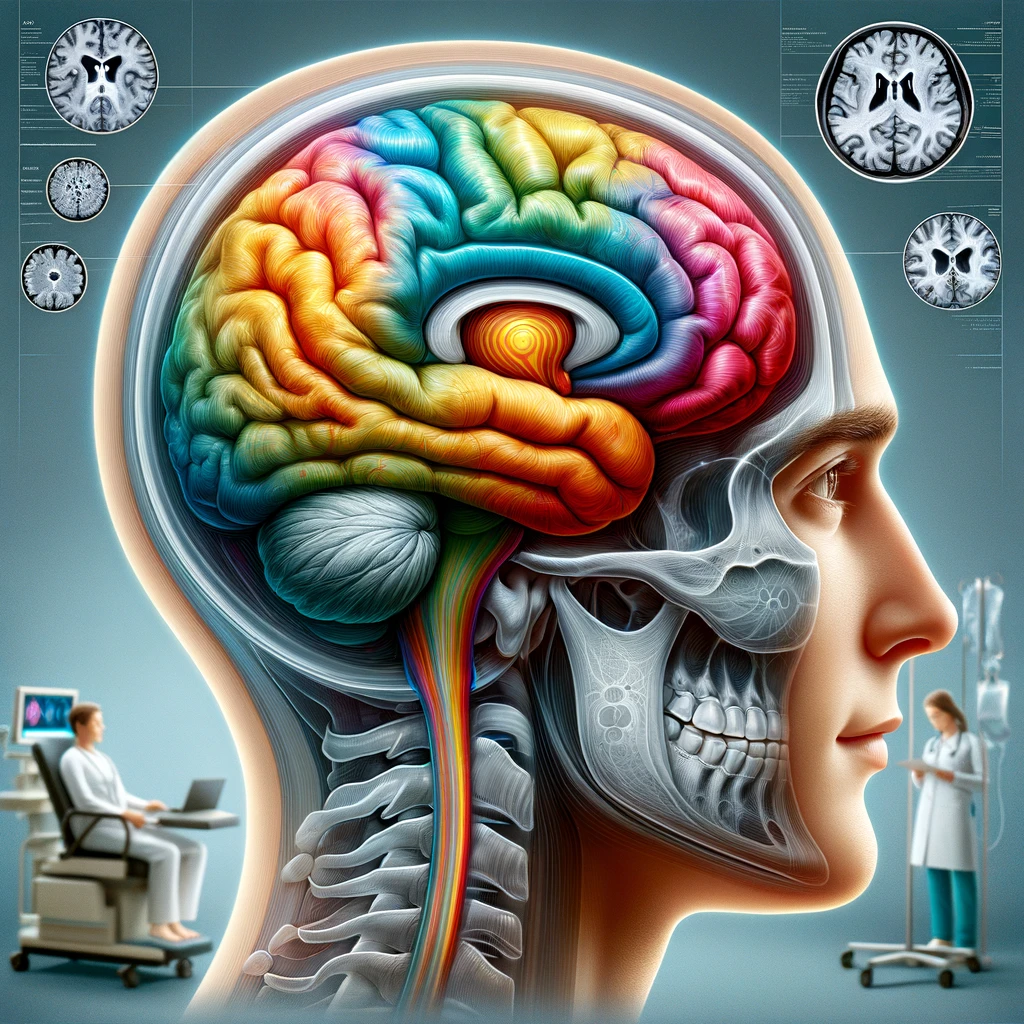
Functional neurological disorder (FND) is a condition characterised by neurological symptoms such as seizures, weakness, numbness, and tremors that do not have a structural cause detectable by standard medical tests. Instead, FND arises from a problem with the functioning of the nervous system. The symptoms are real and can be as debilitating as those caused by conditions like epilepsy or multiple sclerosis, yet the visible absence of physical abnormalities often contributes to misunderstanding and misdiagnosis.
For many individuals living with FND, the journey to diagnosis is fraught with uncertainty, misinformation, and even disbelief from medical professionals. This can create emotional distress and lead to challenges in accessing appropriate treatment. The lack of clear diagnostic markers has contributed to stigma surrounding the condition, with some patients being told their symptoms are ‘all in their head’. This not only invalidates their experience but can also prevent them from receiving the care they need.
Understanding FND requires a shift in perception—from viewing it as a lesser or ‘imagined’ illness to recognising it as a legitimate and serious health condition. Current research suggests that FND may result from a complex interaction between psychological, neurological, and environmental factors, disrupting the brain’s normal control over movement and sensation. Although the exact mechanisms are still being studied, interdisciplinary treatment approaches involving neurology, physiotherapy, and mental health services have shown promising results.
Raising public and professional awareness is essential to improving outcomes for those with FND. Clear information and education initiatives can help reduce stigma, ensuring that individuals are treated with the empathy and community support they deserve. Empowering patients through knowledge and recognition is a fundamental step in fostering broader understanding and acceptance of this complex disorder.
Challenges faced by individuals with FND
Living with functional neurological disorder presents a unique set of challenges that affect various aspects of a person’s life. Many individuals report a profound sense of isolation due to the invisibility and complexity of their symptoms. These symptoms can fluctuate unpredictably, complicating daily routines, employment, and social relationships. The lack of visible markers often leads to others dismissing their condition, which can intensify feelings of frustration and helplessness.
Accessing proper medical care remains one of the most significant hurdles for those with FND. Due to low awareness among healthcare professionals, individuals are frequently misdiagnosed or shuffled between specialists before receiving an accurate diagnosis. This delay often results in a lack of timely treatment and may cause symptoms to worsen. Additionally, the fragmentation of care between neurology, psychiatry, and physiotherapy services can make navigating the healthcare system overwhelming.
Stigma continues to be a powerful barrier to acceptance and understanding. Because FND symptoms are not caused by structural brain damage and do not fit neatly into typical diagnostic criteria, some people—including those within the medical community—erroneously view them as feigned or purely psychological. This misunderstanding can have a severely detrimental impact on mental health, leading to anxiety, depression, and a loss of confidence in the healthcare system.
Financial strain adds another layer of difficulty. Individuals may be unable to work consistently or at all due to the unpredictable nature of their symptoms, and disability benefits are often difficult to secure without a widely recognised diagnosis. The economic impact may extend to family members who take on caregiver roles or reduce work hours to provide assistance, further amplifying stress within the household.
Educational institutions and workplaces are also often ill-equipped to accommodate the needs of those with FND. A lack of awareness contributes to inadequate support, with students and employees facing scepticism when requesting adjustments. This underscores the urgent need for broader community support structures and increased public education to foster understanding and inclusivity.
These challenges highlight the importance of raising awareness and creating more informed discussions around FND. Without recognition and appropriate support, individuals continue to face unnecessary hardship. Addressing these issues is crucial to improving quality of life and ensuring that people with FND are seen, heard, and supported within society.
The role of community events in awareness
Community events play a crucial role in fostering awareness of functional neurological disorder (FND) and directly addressing the stigma that often surrounds it. Through information sessions, public talks, and interactive workshops, these events serve as platforms to educate both the public and health professionals about the realities of living with FND. By providing accurate information in an accessible environment, they help to dismantle misconceptions that FND is simply psychological or fabricated, encouraging a more nuanced understanding of the condition.
Moreover, community gatherings offer a valuable opportunity for individuals with FND to connect with each other, reducing feelings of isolation. When people come together and share their stories in a supportive setting, they not only uplift one another but also humanise the condition in the eyes of those unfamiliar with it. This personal engagement can be a powerful counter to stigma, enabling people to see beyond the symptoms to the person living with the disorder.
These events frequently include contributions from clinicians, therapists, and advocates who explain the latest research, treatment options, and approaches to holistic care. This exchange of knowledge builds confidence and trust in medical and support services, which is essential for those who have previously faced fragmented or dismissive healthcare experiences. As awareness grows through these initiatives, more professionals become equipped to identify and support those with FND appropriately.
Local engagement is particularly impactful, as small-scale events in community centres, universities, or libraries allow for tailored discussions that resonate with the specific concerns of a region or group. Collaborations with local health services, charities, and universities often enhance the reach and effectiveness of community events, ensuring information is widely disseminated and that community support networks can be strengthened.
The involvement of media in promoting and reporting on these events also amplifies their message, helping to reach a broader audience. Social media campaigns connected to community events encourage ongoing dialogue and raise awareness beyond the event itself, creating a lasting impression that challenges the stigma surrounding FND.
In this way, community events become more than a gathering; they are transformative experiences that cultivate empathy, spread education, spark conversations, and build inclusive networks. By providing both visibility and validation for those affected by FND, they set the foundation for a more informed and compassionate society.
Personal stories and shared experiences
Sharing personal stories about living with functional neurological disorder (FND) can play a fundamental role in promoting awareness and challenging the stigma associated with the condition. These narratives help put a human face to what is often misunderstood or dismissed as an invisible illness. Individuals describing their symptoms, diagnostic journeys, and experiences navigating the healthcare system offer invaluable insight into day-to-day life with FND—an insight that medical definitions alone often fail to provide.
From televised interviews to blog posts, podcasts to panel discussions, firsthand accounts have illuminated the physical and emotional toll of FND. For many, recounting their story is not just cathartic but also empowering, allowing them to reclaim agency in the face of misdiagnosis and doubt. Their voices contribute to reshaping public perception and encourage those who remain undiagnosed to seek help without fear of judgment.
Community events provide vital spaces for these stories to be heard. Whether through open forums, support groups, or creative outlets like art and theatre, individuals with FND find opportunities to express themselves and engage with others who understand their experiences. These shared moments foster empathy and promote connection, nurturing a sense of solidarity and mutual validation that can be life-changing.
There is also growing participation from families and caregivers, whose perspectives shed light on the ripple effects of FND. Their involvement highlights the need for broader community support and invites more inclusive conversations around the condition. Such involvement strengthens the collective voice advocating for recognition, better healthcare pathways, and greater societal understanding.
Documenting these stories, whether through advocacy campaigns or digital archives, ensures that the lived realities of those affected by FND remain central to discourse. Over time, these personal testimonies have begun to influence shifts in practitioner attitudes and even policy reform. When people tell their stories, they not only educate others but also lay the groundwork for a more compassionate and informed approach across all levels of society.
Through these shared experiences, awareness grows and the stigma begins to erode. Personal stories, with all their complexity and authenticity, become powerful tools for change—reclaiming narratives, building bridges, and opening doors to a deeper, more inclusive understanding of functional neurological disorder.
Building a supportive and informed society
Creating a supportive and informed society for individuals with functional neurological disorder (FND) requires concerted efforts across multiple sectors, including healthcare, education, employment, media, and policymaking. A key component in achieving this goal is improving general awareness of FND so that the condition is no longer met with doubt or dismissal, but with understanding and appropriate support. Public education campaigns, professional training programmes, and representation in mainstream media can all contribute to reframing how FND is perceived and discussed.
Community support lies at the heart of fostering inclusivity. When local organisations, advocacy groups, and individuals come together to celebrate diversity and highlight conditions like FND, they challenge existing stigma and promote empathy. Providing platforms for open dialogue—such as discussion panels, collaborative projects, and awareness walks—can transform perceptions and empower those living with FND to participate more fully in society without fear of judgement or exclusion.
In schools and workplaces, policy changes rooted in awareness and flexibility can create more inclusive environments. This includes recognising the variable nature of FND symptoms and adapting assessment methods, schedules, or workloads accordingly. Training educators and employers to recognise and accommodate neurological disorders ensures that individuals with FND are not penalised for needs outside their control, but rather supported to succeed on their own terms.
Healthcare professionals play a critical role in promoting a supportive culture. Raising awareness within the medical community through continued education and clinical guidelines can counteract misconceptions and biases, leading to better diagnosis, treatment, and long-term care. When patients feel believed and listened to, trust in the healthcare system is restored, which is essential for recovery and quality of life.
Legislation and policy must also reflect the need for inclusion and support. Integrating FND into broader disability rights frameworks helps protect individuals against discrimination and ensures access to financial assistance, therapy services, and community resources. Government-backed initiatives that prioritise accessibility and mental health can encourage institutions to take active steps in creating environments where those with FND can thrive.
Ultimately, building a supportive and informed society is not a single act but a sustained cultural shift. It is about embedding empathy, understanding, and responsiveness into our everyday structures and interactions. Through awareness, community support, and shared responsibility, society can dismantle the stigma around FND and replace it with solidarity, respect, and meaningful change.