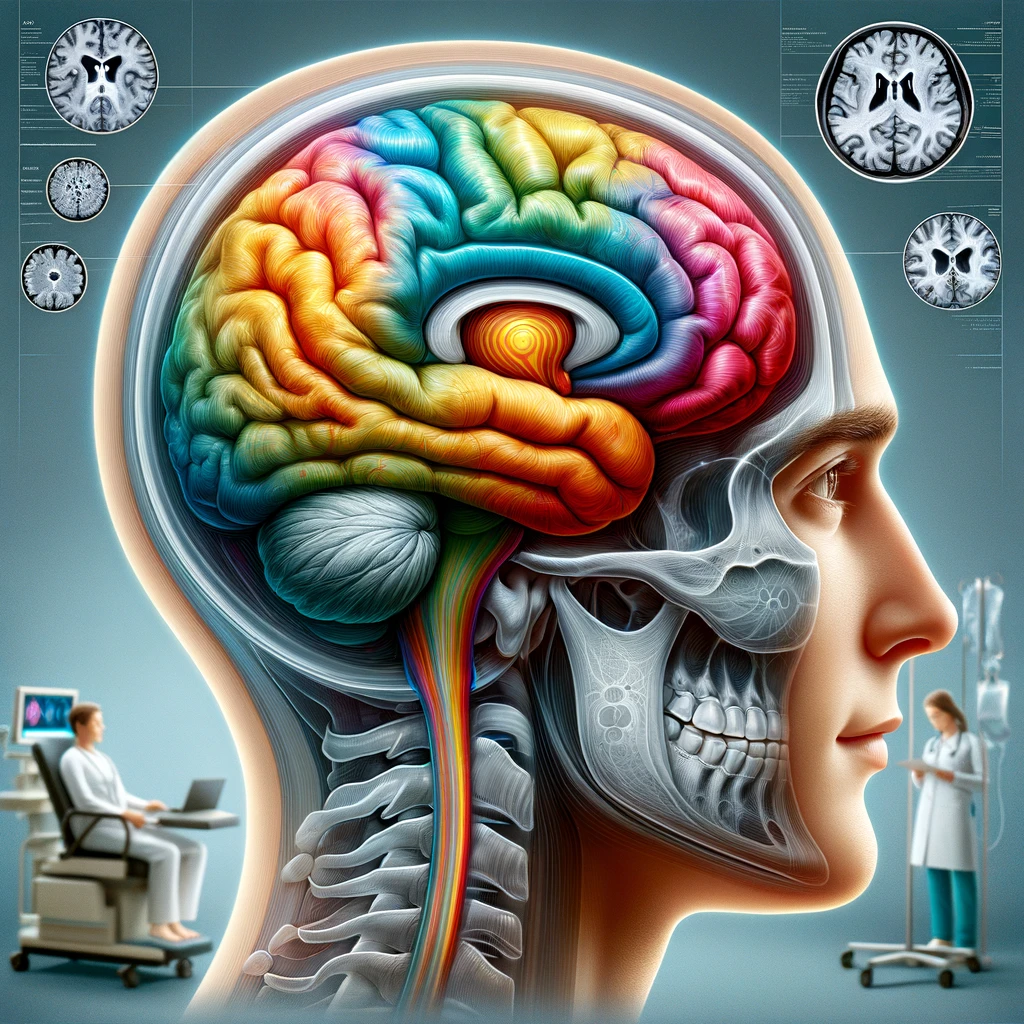

- Overview of functional neurological disorder
- Diagnostic criteria and assessment tools
- Malingering: psychological and legal perspectives
- Clinical strategies for differentiation
- Future directions and research opportunities
Functional neurological disorder (FND) is a condition characterised by neurological symptoms that cannot be explained by underlying neurological diseases. These symptoms can include motor dysfunctions such as weakness, tremors, and paralysis, as well as sensory symptoms such as numbness and non-epileptic seizures. Unlike conditions that have a demonstrable organic cause, FND’s basis is thought to be rooted in abnormal neural functioning rather than structural abnormalities in the nervous system.
The prevalence of FND poses a significant challenge in clinical settings due to its complex nature and overlap with other disorders, including malingering. Symptoms can significantly impair a patient’s quality of life and present similarly to those observed in traditionally diagnosable neurological disorders, which complicates the diagnosis. This complexity often necessitates a nuanced approach that integrates both neurological and psychological assessments.
Researchers and clinicians aim for a comprehensive understanding of the aetiology of FND, which is thought to involve a mix of biological, psychological, and social factors. Treatment often requires a multidisciplinary approach, addressing both symptom management and underlying psychosocial elements. Ethical practice in diagnosing FND is crucial, as it requires ensuring patients are treated with empathy and understanding while avoiding misdiagnosis, which could lead to inappropriate treatments. As such, clinicians must be adept at distinguishing FND from conditions like malingering, where symptoms may be intentionally produced or feigned.
Diagnostic criteria and assessment tools
The diagnosis of functional neurological disorder (FND) necessitates a systematic evaluation that differentiates true symptoms from those potentially associated with malingering. Currently, the DSM-5 criteria guide the diagnostic process, emphasising the presentation of neurological symptoms not attributable to other medical conditions. These criteria focus on the exclusion of organic disease and the presence of internal inconsistency or incongruency over time and context.
Neurologists frequently employ a range of clinical tests to assess symptom validity. A commonly used method is the Hoover’s sign, where a discrepancy is observed between voluntary leg movement and the involuntary assistance from the other leg. Similarly, the “tremor entrainment” test assesses the nature of tremors by observing any changes in amplitude or frequency when the patient is asked to perform rhythmical movements with unaffected limbs. Such tests highlight anomalies that align with FND rather than structural neurological diseases.
Psycho-diagnostic assessments also play a crucial role in the diagnostic framework. Tools such as neuropsychological evaluations help discern patterns consistent with FND, while psychometric instruments assess contributing psychosocial factors. The use of structured clinical interviews can further evaluate psychiatric comorbidities, providing a broader understanding of the patient’s mental health and its relation to their neurological symptoms.
While diagnostic tools are essential, ethical practice remains paramount. Clinicians must carefully communicate findings, ensuring patients are not stigmatised or incorrectly labelled. Transparent discourse concerning the functional nature of the disorder should be maintained, thereby reinforcing the legitimacy of the patient’s symptoms while distinguishing them from malingering. This empathetic approach not only supports accurate diagnosis but also engenders patient trust, facilitating more effective management and outcome-driven treatment interventions.
Malingering: psychological and legal perspectives
Malingering is a complex concept intersecting both psychological and legal spheres, making its identification crucial yet challenging in clinical settings. From a psychological perspective, malingering involves the intentional production of false or grossly exaggerated physical or psychological symptoms, motivated by external incentives such as financial gain, avoidance of responsibilities, or drug-seeking behaviour. It is distinguished from other conditions like factitious disorder, where the primary motive is to assume a sick role without external rewards typically involved. This distinction is essential in clinical practice to avoid misinterpretation of symptoms that could lead to incorrect treatment approaches.
The legal perspective on malingering often highlights its implications in forensic settings, particularly where a diagnosis can influence legal outcomes. Courts frequently rely on expert testimony to discern the presence of malingering, where a clinician’s assessment can impact the verdict on issues such as competency to stand trial or the validity of an insanity defence. Ethical practice demands that clinicians engage in comprehensive evaluations to ensure accurate identification, as false positives in malingering diagnosis can have serious repercussions on a patient’s life, potentially resulting in unjust legal consequences or denial of necessary medical care.
Awareness of malingering is more than a diagnostic challenge; it encompasses respecting patient autonomy while safeguarding against the misuse of medical resources. The ethical practice in distinguishing malingering from conditions like FND requires a balanced approach that combines objective assessment methods with a deep understanding of patient context. Such practices underpin the clinician’s responsibility to deliver equitable care, differentiating genuine disorders from deceptive behaviours, thereby maintaining the integrity of medical and legal processes.
Clinical strategies for differentiation
In clinical settings, differentiating functional neurological disorder (FND) from malingering demands a multifaceted approach, combining detailed patient history, observation, and testing. Clinicians must remain vigilant to subtle distinctions in symptom presentation, as FND symptoms can be involuntary and arise from psychosocial stressors, whereas malingered symptoms might display inconsistencies or flourish under observation.
Trust-building is an integral component of differentiation. Establishing a rapport with patients encourages open communication, allowing clinicians to gather comprehensive histories that can clarify symptom onset and potential stressors. This empathetic engagement helps to separate authentic experiences from potential deceit.
The application of objective clinical tests provides another layer of differentiation. Tests such as Hoover’s sign and the tremor entrainment test highlight discrepancies or congruencies consistent with FND, based on the neurological response patterns. These assessments, when interpreted correctly, can effectively signal involuntary dysfunctions characteristic of FND rather than voluntarily feigned actions.
The integration of psychological assessments furthers the diagnostic process. Employing psychometrics can unearth underlying psychological conditions that may manifest as physical symptoms in FND, albeit absent in malingering cases where external incentives dominate. Hence, psychological tools become indispensable in discerning psychosocial influences while affirming clinical suspicions.
Ethical practice is paramount throughout the differential diagnosis process. Practitioners must deploy a transparent and sensitive communication strategy to discuss findings with patients, ensuring they comprehend the nature of their diagnosis without feeling invalidated or accused. This reinforces the validity of their symptoms and aids in managing any diagnosis stigma, pivotal for those who perceive their symptoms as physical rather than functional.
Ultimately, the confluence of these strategies within a multidisciplinary team optimises outcomes. Neurologists, psychologists, and other specialists collaborate, pooling their expertise to distinguish FND from malingering. This comprehensive approach not only achieves accurate diagnosis but also tailors treatment plans that respect patient dignity and align with ethical medical practices, paving the way for effective management and therapeutic intervention.
Future directions and research opportunities
Emerging insights into distinguishing between functional neurological disorder (FND) and malingering highlight the pressing need for advanced research and novel methodologies. Future efforts must focus on refining diagnostic criteria, enhancing assessment tools, and exploring the underlying neurobiological mechanisms at play. The development of robust, standardised protocols could improve diagnostic precision, minimising the risk of mislabelled cases and ensuring ethical practice in clinical settings.
Investigations into neuroimaging modalities, such as functional MRI and EEG, may offer valuable biomarkers specific to FND. Identifying neurophysiological patterns distinct from those observed in malingering has the potential to inform diagnostic processes and enhance the credibility of non-structural neurological disorder diagnostics. Together with advancements in machine learning, neuroimaging could yield predictive models capable of differentiating authentic symptoms from feigned ones, optimising clinical decision-making.
Another promising avenue lies in fostering interdisciplinary collaboration. Integrating knowledge from neurology, psychiatry, psychology, and behavioural sciences can unravel the complex biopsychosocial factors that contribute to FND. Such collaborations may lead to comprehensive treatment paradigms addressing both the neurological and psychosocial needs of patients, reducing symptom severity and improving life quality.
Furthermore, there exists a need for rigorous clinical trials examining therapeutic interventions tailored specifically for FND. Approaches combining cognitive-behavioural therapy, physiotherapy, and pharmacological treatments should be validated for efficacy in symptom management, ensuring they are grounded in ethical practice. These trials could also explore how treatment outcomes may differ from those in malingering, reinforcing the legitimacy of an FND diagnosis.
Engaging patients in understanding their condition should remain a priority in future research. Exploring innovative patient education programmes that demystify FND could alleviate stigma and promote self-management, leading to active participation in their care. Such initiatives could contribute to a more empathetic approach in clinical interactions, fostering greater trust and communication between patients and healthcare providers.
In sum, advancing our understanding of FND and its distinction from malingering is pivotal to improving diagnostic accuracy, patient outcomes, and the reputation of clinical interventions. Future research should continue to emphasise ethical practice, applying a multidimensional perspective that respects patient dignity while harnessing technological advancements and interdisciplinary insights.