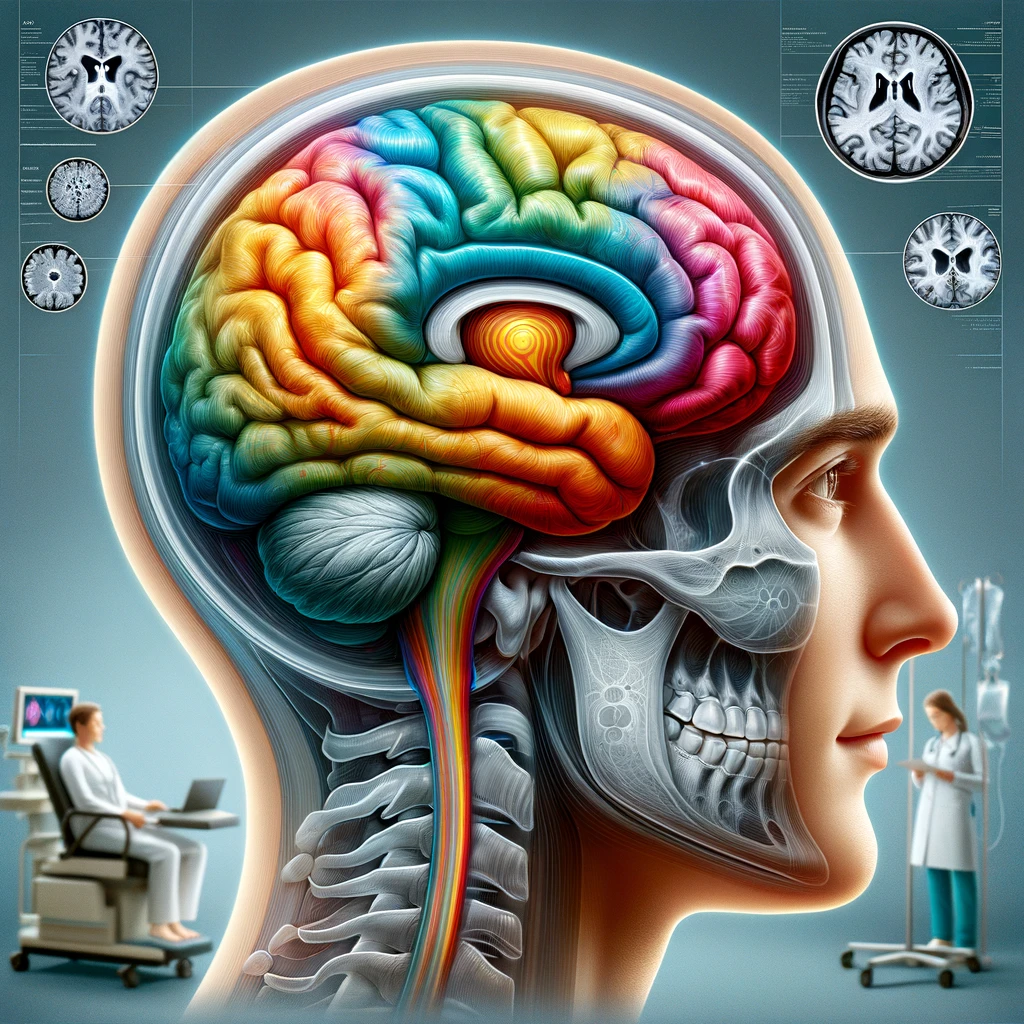

- Understanding FND: A framework for educators
- Integrating FND into the curriculum
- Practical strategies for lesson plan development
- Resources and tools for effective teaching
- Assessing student understanding of FND topics
Functional Neurological Disorder (FND) presents a unique challenge and opportunity for educators aiming to foster a more inclusive and aware learning environment. Understanding FND is crucial for teachers as it impacts the ways students engage with the school curriculum. FND, characterised by neurological symptoms that are not related to a defined brain disease, can affect students’ ability to participate fully in traditional educational settings. For educators, recognising these challenges is the first step towards crafting lessons that accommodate varied needs.
An effective framework begins with thorough awareness and education for teachers and staff. It’s essential to cultivate an environment where the needs of all students, including those with FND, are understood and accommodated. Educators should familiarise themselves with the myriad manifestations of FND and engage in ongoing professional development to stay informed about the latest research and teaching strategies.
Creating a supportive classroom atmosphere involves not only understanding FND but also approaching it with empathy and adaptability. This means recognising that FND symptoms may vary dramatically from student to student, requiring personalised strategies that are integrated into daily lesson plans. Teachers equipped with this knowledge are better prepared to develop inclusive educational experiences that promote equity and success for every student.
Integrating FND into the curriculum
Integrating FND into the school curriculum requires a multifaceted approach that prioritises awareness and education. To begin with, educators should collaborate with special education professionals and FND specialists to gain insights into how best to adapt their lesson plans. This collaborative process can result in a more tailored educational experience that accommodates the diverse needs of students with FND.
One effective strategy is to embed FND-related content within existing subjects. For example, in science classes, discussions can include neurological health, the functioning of the brain, and how FND affects neurological systems. This not only raises awareness but also facilitates a better understanding among all students about the challenges faced by peers with FND.
Incorporating flexible teaching methods is also crucial. Educators should aim to design activities that allow students multiple ways to engage with the material, such as through visual aids, interactive projects, and technology-based tools. This adaptability ensures that students who may struggle with traditional instructional methods due to FND symptoms can still participate meaningfully in their education.
Additionally, building a school-wide culture that promotes openness and dialogue about FND can greatly benefit both students and staff. This can be achieved through assemblies, workshops, and information sessions that emphasise empathy and support within the school community. Such initiatives help dismantle stigma, encourage inclusivity, and ensure that FND is seamlessly integrated into the academic fabric of the school curriculum.
Practical strategies for lesson plan development
When developing lesson plans that include topics related to Functional Neurological Disorder (FND), educators must focus on creating adaptable and flexible learning experiences. Start by conducting an assessment of your current curriculum to identify opportunities where FND topics can naturally fit. This may involve modifying lessons that address mental health or neurological conditions to include information about FND, thereby enhancing students’ understanding and awareness.
It’s important to ensure these lesson plans are inclusive and considerate of students with FND. One strategy is to incorporate varied teaching methods, such as blended learning models that combine online and traditional classroom activities. This approach can cater to different learning styles and help manage any sensory overload students with FND might experience in a more stimulating environment.
Collaborative learning projects are also highly effective. These can be structured to encourage students to work in diverse groups, fostering a support network where peers can share insights and learn collectively about FND. Projects might involve research tasks, presentations, or creative assignments that enable students to explore FND through different perspectives, thereby fostering empathy and deeper understanding.
Moreover, regular training sessions for educators are key to staying informed about effective teaching strategies for students with FND. This ongoing professional education ensures that teachers are equipped with the latest knowledge and skills to adapt their lesson plans effectively. Participation in workshops and seminars focusing on FND can provide valuable resources and techniques teachers can apply in their classrooms.
Incorporating feedback mechanisms within your lesson plans is crucial. Encouraging students to share their experiences and thoughts on how the lesson addressed FND topics can provide insights into its effectiveness and highlight areas for improvement. This iterative process is essential for refining educational strategies to better meet the needs of all students, particularly those with FND.
Consistent collaboration with specialists in FND can enhance lesson plan development. Bringing in guest speakers, whether in person or virtually, or organising interactive sessions with professionals in the field can offer students firsthand insights into living with and understanding FND. Such interactions not only enrich the educational experience but also bridge the gap between theoretical learning and real-world applications.
Resources and tools for effective teaching
To effectively teach Functional Neurological Disorder (FND) topics, educators must have access to a variety of resources and tools designed to enhance awareness and education. One valuable resource is professional development workshops that focus on modern teaching strategies tailored for neurological conditions. These workshops offer insights into specific FND symptoms and provide practical techniques to accommodate these in the classroom setting. Attending such workshops ensures that educators remain well-informed and capable of implementing best practices within their lessons.
Additionally, online platforms offer a wealth of resources that can aid teachers in developing effective lesson plans. Websites dedicated to neurological education often provide modules, case studies, and interactive tools designed specifically for understanding FND. These resources are an excellent way to introduce FND topics to students in a structured manner, allowing students to learn at their own pace through engaging and interactive content.
In the school curriculum, incorporating multimedia tools such as videos and simulations can significantly boost student engagement and understanding. These tools can visually demonstrate how FND manifests and affects individuals, making the learning process more tangible. By using a variety of multimedia resources, educators can cater to diverse learning preferences and create a more inclusive classroom environment.
Collaboration is also a key component in teaching FND effectively. Schools should foster partnerships with healthcare professionals and organisations specialising in neurological disorders. These partnerships can result in access to additional educational materials and expertise that can be shared with both educators and students. Guest speakers and collaborative events can provide firsthand accounts and professional insights that enrich the educational experience, making the curriculum more relatable and informative.
Furthermore, engaging students in projects that require research on FND-related topics can promote critical thinking and self-driven learning. Projects could involve creating presentations or reports that explore the impact of FND, encouraging peer-to-peer learning and discourse. The use of diverse resources, from academic articles to interviews with individuals facing FND, can enhance students’ understanding and empathy. By embedding such projects into the curriculum, educators ensure that students not only learn about FND but also develop a broader awareness of the challenges faced by individuals with the disorder.
Assessing student understanding of FND topics
Evaluating students’ grasp on Functional Neurological Disorder (FND) topics demands an assessment approach that accommodates diverse comprehension levels and learning needs. Employing a variety of assessment methods can effectively measure students’ understanding while fostering an environment of inclusion and awareness within the school curriculum. Teachers might start with formative assessments, offering low-stakes evaluations that provide insight into students’ initial grasp of FND concepts and identify areas requiring further clarification or emphasis.
Traditional testing can be supplemented with alternative formats such as project-based assessments, which encourage creativity and in-depth exploration of FND subjects. These projects can involve creating digital presentations, educational videos, or model constructions that illustrate the effects and challenges associated with FND. By presenting their findings to the class, students not only demonstrate their comprehension but also contribute to a wider educational understanding and awareness among their peers.
Furthermore, reflective assessments can play a critical role in understanding students’ personal connection to the material. Encouraging students to maintain reflective journals or participate in discussion groups allows them to articulate how FND topics intersect with broader societal issues and personal experiences. This process not only deepens individual comprehension but also prompts students to appreciate the importance of empathy and understanding in educational contexts.
Peer feedback methods can also be integrated into the assessment strategy, promoting collaboration and mutual support among students. By assessing peers’ projects on FND, students gain different perspectives, enhancing their analytical and critical thinking skills. This collaborative approach ensures that evaluating FND knowledge becomes a community endeavour, embedding the principles of inclusivity and collective education deeply within the classroom culture.
Engaging with continuous feedback processes is vital for refining both teaching practices and student outcomes. Educators should regularly gather student feedback on the efficiency of lesson plans and assessment methods related to FND. This iterative feedback loop allows for the continuous adaptation of educational processes to better suit the evolving needs of students and incorporates fresh insights into teaching methods and content delivery.
Aligning with external metrics and standards can benchmark student grasp of FND topics against broader educational goals. Participation in wider educational programmes or initiatives focusing on neurological disorders and disabilities can provide students and educators with valuable comparative insights. This alignment not only enriches the localised understanding of FND within the school environment but also ensures that educational practices maintain relevance and rigour on a larger scale.