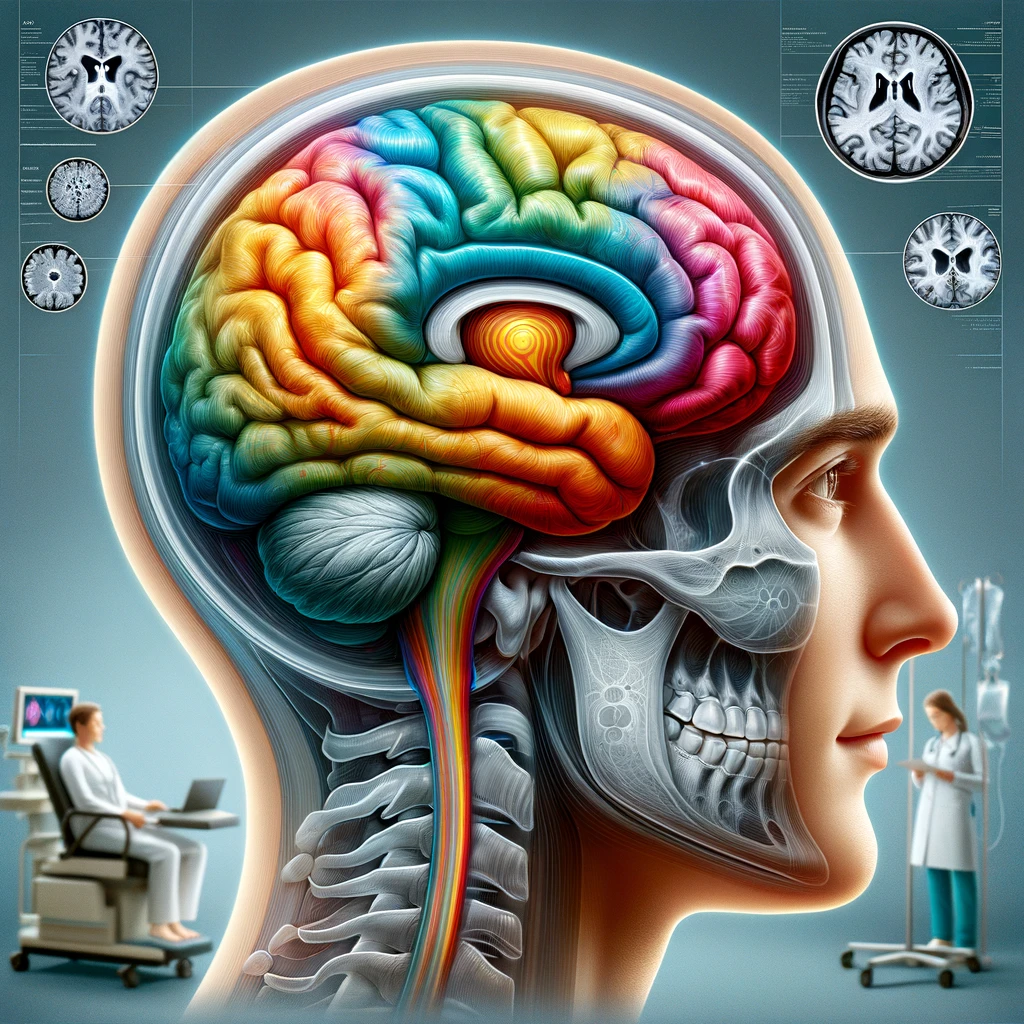

Establishing the scope of a functional neurological disorder clinic begins with clearly describing which patients the service is designed to see and what problems it intends to address. The clinic should define which FND presentations fall within its remit, such as functional seizures, functional movement disorders, functional limb weakness, sensory symptoms, speech disturbances, or mixed symptom profiles. It is equally important to set boundaries around what falls outside the clinic’s scope, for example, primary degenerative neurological conditions without functional overlay, acute medical emergencies, or disorders that can be more appropriately managed in general psychiatry or primary care. This clarity helps referrers understand when a dedicated FND service is the most suitable option, avoids inappropriate referrals, and prevents the dilution of specialist resources.
A robust description of the clinic’s aims should integrate both symptom-focused and broader recovery-oriented goals. While the reduction of distressing symptoms such as seizures, tremor, or gait disturbances is central, the clinic should also explicitly aim to improve function, participation, and quality of life. This might include enabling a return to work or school, improving self-care and daily living skills, supporting parenting roles, or facilitating engagement in meaningful social and leisure activities. By setting functional outcomes alongside symptom outcomes from the outset, the service signals to patients, families, and professionals that recovery involves more than the disappearance of symptoms; it is about reclaiming agency and building a life that feels worth living.
The clinic’s scope should also capture its place along the broader care pathway for individuals with FND. Some services function primarily as diagnostic assessment hubs, providing a clear explanation of the condition, initial formulation, and recommendations for ongoing management by local teams. Others serve as comprehensive multidisciplinary treatment centers, offering assessment, psychoeducation, psychological therapies, physiotherapy-based rehabilitation, occupational therapy, and social support. A clinic may also take on a consultative role, supporting community neurology, psychology, and rehabilitation providers with supervision, training, and shared-care models. Defining which of these roles the clinic will prioritize determines staffing requirements, referral criteria, and how long patients are typically followed.
Because FND sits at the intersection of neurology, psychiatry, psychology, and rehabilitation medicine, the aims of the clinic should address both biomedical and psychosocial dimensions. A core early aim is to provide a clear, positive, and non-stigmatizing diagnosis, explaining FND in accessible language that validates the patient’s suffering and avoids reinforcing dualistic “all in the head” narratives. Another aim is to develop individualized biopsychosocial formulations that link symptoms to mechanisms such as altered attention, learned movement patterns, expectations, prior experiences, and current stressors. These formulations guide treatment planning and help patients understand why interventions such as physiotherapy or cognitive-behavioral approaches are appropriate and potentially effective.
The clinic must also determine the level of complexity and comorbidity it is prepared to manage. Some FND patients have relatively circumscribed symptoms and minimal psychiatric or medical comorbidity, whereas others present with multiple functional symptoms, chronic pain, fatigue, dissociation, post-traumatic stress, mood disorders, or significant social adversity. A specialized clinic might explicitly include complex comorbid presentations within its scope, recognizing that such cases often require higher-intensity, longer-duration interventions and close collaboration with community mental health and social services. Alternatively, a clinic may set limits, for instance by stating it will focus on FND in the context of stable mood and substance use, while actively liaising with parallel services to address more acute or unstable issues.
In defining aims, the clinic should articulate how it intends to address common challenges that patients with FND face within healthcare systems. These include diagnostic uncertainty, repeated unhelpful investigations, fragmented care, stigma, and conflicting messages from different professionals. The clinic may commit to reducing unnecessary tests by offering high-quality specialist assessment and providing clear communication back to referrers. Another explicit aim can be to model collaborative, coherent messaging to patients and families, emphasizing that FND is a real, potentially reversible disorder of nervous system functioning, and that improvement is possible with the right support.
A further dimension of scope involves access and equity. The clinic should decide whether it will cater to adults, children and adolescents, or both, and whether it will serve a local, regional, or national catchment. It can set out specific aims to reduce health inequalities by making the service accessible to people from diverse cultural and linguistic backgrounds, those with learning disabilities, and individuals with limited financial resources or geographic barriers. This may involve planning for remote consultations, telehealth interventions, outreach links with community services, and partnerships with primary care to ensure that patients who cannot easily attend a tertiary center are not excluded from evidence-informed FND care.
Another group of aims should focus on patient experience and engagement. Many people with FND have had negative encounters with healthcare, feeling dismissed or blamed for their symptoms. The clinic can therefore explicitly aim to provide a validating, compassionate, and collaborative environment where patients are listened to, involved in decisions, and supported to take an active role in their recovery. This may include building shared decision-making into assessment and treatment planning, developing accessible educational materials, and enabling patients to set their own goals for therapy. By embedding respect, transparency, and partnership as core aims, the clinic can foster trust and improve adherence.
The scope of the clinic should address not only direct patient care but also education and system-level impact. A major aim can be to upskill local neurology, emergency, primary care, and mental health teams in recognizing and managing FND. This might include providing structured training programs, joint clinics, case conferences, and written guidelines. Another aim may be to contribute to research and quality improvement, systematically collecting data on patient characteristics, interventions, and outcomes to refine service models and contribute to the evidence base. By positioning itself as a resource for the wider system, the clinic extends its influence beyond the patients it directly sees.
In practical terms, the clinic’s aims should be translated into measurable objectives to guide service development and evaluation. For example, the service might aim to reduce time from symptom onset to diagnosis, decrease emergency department attendances for functional seizures, or improve validated patient-reported outcome measures related to functioning and well-being. It might set targets for the proportion of patients receiving a written explanation of their diagnosis, the percentage offered appropriate psychological or rehabilitation interventions, or the number of clinicians trained annually. Clearly specified objectives create a framework for monitoring whether the clinic’s scope and intentions are being realized in day-to-day practice and can be adjusted as the service evolves.
Defining scope and aims requires explicit attention to collaboration and continuity. FND care rarely sits entirely within one service; patients often move between general hospitals, community teams, and specialist centers. The clinic can therefore set an aim to act as a coordinating hub, ensuring that care is integrated rather than fragmented. This may involve developing shared treatment plans with referrers, offering time-limited follow-up with structured handover, and maintaining clear channels for advice after discharge. By embedding coordination, communication, and shared ownership of care as central aims, the clinic positions itself as a key node within a larger, more coherent support network for individuals living with functional neurological disorder.
Building a multidisciplinary team
Creating an effective team begins with recognizing that no single discipline can meet the full range of needs associated with functional neurological disorder. The core clinical grouping typically includes neurology, psychiatry, psychology, and rehabilitation specialties, along with nursing and allied health professionals who have specific interest and training in FND. Early planning should identify which roles must be embedded within the service and which can be provided through shared or sessional contracts from other departments. This approach allows a clinic to balance comprehensive expertise with realistic resource constraints.
The neurologist often provides leadership on diagnosis and medical management, ensuring that appropriate investigations are completed, alternative neurological conditions are excluded or identified, and the FND diagnosis is communicated clearly and confidently. Neurologists in this setting also play a crucial role in reducing unnecessary tests and hospital admissions by providing timely specialist input, supporting colleagues in emergency and acute settings, and reinforcing coherent explanations across the care pathway. When neurologists are trained in FND-specific communication, they help shift the patient’s experience from one of repeated medical dismissal to one of feeling understood and taken seriously.
Psychiatrists contribute expertise in comorbid mental health conditions, complex risk assessment, pharmacological management, and the interplay between psychological factors and symptom expression. Their role is not to “own” the diagnosis but to support integrated care where mood, anxiety, trauma-related difficulties, personality factors, or psychosis may be influencing presentation or treatment engagement. Psychiatrists can also advise on when a patient would be better served in a broader mental health service, and how to maintain collaboration between the FND clinic and community teams. In some services, liaison psychiatrists take a lead role in bridging acute hospital care with ongoing outpatient rehabilitation.
Clinical psychologists, counseling psychologists, or neuropsychologists form another essential pillar of the multidisciplinary team. They contribute to detailed assessments of cognitive functioning, emotional well-being, coping styles, and interpersonal dynamics, and they formulate how these elements interact with neurological and bodily processes. Psychologists design and deliver evidence-informed therapies such as cognitive-behavioral approaches, psychodynamic therapy, acceptance and commitment therapy, or trauma-focused treatments adapted for FND. They frequently support other team members in maintaining a psychologically informed stance, offering consultation on communication strategies, goal setting, and managing challenging relational dynamics that can arise when patients feel invalidated or misunderstood.
Rehabilitation professionals, including physiotherapists and occupational therapists, are central in translating formulations into functional change. Physiotherapists with FND expertise focus on retraining movement patterns, addressing abnormal attention to symptoms, rebuilding strength, and restoring confidence in movement. Interventions may include graded exposure to feared or avoided activities, techniques to normalize gait and balance, and strategies that shift focus away from symptoms and toward meaningful tasks. Occupational therapists complement this by helping patients re-engage in self-care, productivity, and leisure roles, using activity analysis, pacing, environmental modification, and graded return-to-work programs. Together, they operationalize the message that the nervous system’s functioning is modifiable and that improvement is possible through active participation in rehabilitation.
Specialist nurses and nurse practitioners often serve as anchors for continuity, patient education, and coordination. They may be the first point of contact for patients with questions about medication, flare-ups of symptoms, or anxiety about new or changing sensations. Nurses can support the delivery of structured psychoeducation, monitor risk, assist with triage and prioritization of referrals, and ensure that patients do not “fall through the cracks” between appointments. In some clinics, they take a leading role in group education sessions or self-management programs, reinforcing consistent messages delivered by the broader team.
Speech and language therapists can be crucial when patients present with functional dysphonia, stuttering, or swallowing difficulties. Their assessment helps differentiate functional symptoms from structural or neurogenic causes, and they provide targeted therapy that combines standard speech and language techniques with FND-specific approaches to attention, anxiety, and expectations. Similarly, clinical or health psychologists may work alongside speech and language therapists when communication difficulties are intertwined with social anxiety, trauma, or identity-related concerns.
Social workers and case managers add expertise in navigating benefits systems, employment and education issues, family dynamics, safeguarding, and housing or financial instability. For many patients, contextual stressors are powerful drivers of symptom persistence and treatment dropout. Having professionals dedicated to addressing these social determinants of health helps ensure that the rest of the team’s work is not undermined by unresolved practical crises. They can also support family meetings, facilitate communication with schools or employers, and advocate for reasonable adjustments that enable graded return to activities.
In addition to core clinical staff, administrative and managerial roles are fundamental to a well-functioning FND clinic. Administrative coordinators manage referrals, schedule multidisciplinary assessments, maintain outcome databases, and facilitate communication between the team and external providers. Service managers or clinical leads are responsible for strategic planning, resource allocation, and liaising with hospital leadership, commissioners, and community partners. Their support allows clinicians to focus on patient care while ensuring that the service remains sustainable, responsive, and properly integrated within the wider health system.
When assembling the team, it is helpful to distinguish between core, extended, and network members. Core members are those who participate regularly in clinics and team meetings and who share responsibility for routine decision-making and strategy. Extended members may contribute episodically or for specific patient groups, such as pain specialists, sleep medicine physicians, or neurophysiologists. Network members are external professionals who collaborate around shared patients, including community mental health staff, primary care providers, school counselors, or vocational rehabilitation agencies. Defining these tiers helps clarify expectations around availability, responsibilities, and communication, particularly when resources for fully embedded posts are limited.
Regular multidisciplinary meetings are essential to maintain coherence and shared ownership of patient care. These meetings can be structured to include case presentations, joint formulation, treatment planning, and reflective discussion about team processes. Each discipline contributes its perspective, but the goal is to arrive at an integrated understanding and a unified plan that all members can articulate consistently to the patient. Scheduling protected time for these meetings, and ensuring that attendance is prioritized, signals that collaboration is not an optional extra but a core component of the clinic’s function.
Cultivating a shared language and conceptual framework across disciplines is critical to avoid giving patients mixed or contradictory messages. Early in service development, the team can agree on common phrases for explaining FND, preferred metaphors or analogies, and how to respond to frequently asked questions about causation, prognosis, and treatment. Collaborative training sessions, joint supervision, and cross-discipline shadowing can help team members understand each other’s methods and rationales. Over time, this shared culture helps to reduce internal tensions and supports a coherent, patient-centered narrative.
Interprofessional training is especially important for team members who are new to FND. This may include dedicated teaching on diagnostic criteria and positive signs, communication skills for delivering the diagnosis, evidence on effective treatments, and the role of beliefs, expectations, and attention in symptom generation and maintenance. Simulation exercises, role plays, and observing experienced clinicians can accelerate learning. A clinic may also set up mentorship or buddy systems whereby less experienced staff can discuss challenging cases with more senior colleagues from different disciplines.
Because many patients with FND have experienced stigma or invalidation, it is vital to recruit and retain professionals who demonstrate empathy, curiosity, and flexibility. During hiring, interviewers can explore applicants’ attitudes toward medically unexplained or complex presentations, their comfort with uncertainty, and their ability to work collaboratively across disciplinary boundaries. Team leaders should prioritize reflective practice and psychological safety so that staff can openly discuss feelings of frustration or helplessness that may arise with complex cases, reducing the risk of burnout and negative countertransference that can adversely affect patient care.
Clarifying roles and responsibilities within the team minimizes confusion and duplication. Written role descriptions can specify who leads on diagnostic communication, who coordinates treatment planning, how crises are managed, and how decisions about discharge or referral to other services are made. Pathways for internal referrals—for example, from neurology to psychology or from physiotherapy to psychiatry—should be explicit and streamlined. This structure helps patients understand who is responsible for what aspect of their care and reduces the likelihood of them feeling passed from one professional to another without clear purpose.
Clear communication channels with external services are also necessary to ensure continuity. Designating a named liaison within the FND clinic for major partner services—such as emergency departments, general neurology clinics, community mental health teams, and primary care—can facilitate rapid problem-solving and consistent messaging. Shared letters, joint appointments, and case conferences can be used to align perspectives across services, particularly when disagreements arise about diagnosis, risk, or treatment priorities.
Leadership within the team may be shared or rotated, but someone needs explicit responsibility for coordinating multidisciplinary input and championing the service within the wider organization. A clinical lead or co-leads (for example, a neurologist paired with a psychologist or rehabilitation physician) can ensure that multiple perspectives are represented at the highest level of decision-making. Leadership development opportunities, such as management training or participation in organizational committees, can strengthen the clinic’s influence on hospital policy, commissioning decisions, and the design of related services.
As the clinic grows, succession planning and staff development become increasingly important. Investing in junior staff, offering training posts, and creating clear progression pathways help maintain service continuity and build a pipeline of FND-competent clinicians. Encouraging team members to participate in research, guideline development, or teaching can increase job satisfaction and enhance the clinic’s reputation, which in turn assists with recruitment and funding negotiations.
Building a multidisciplinary team is an ongoing process rather than a one-time event. Periodic reviews of team composition, caseloads, skill mix, and patient feedback can reveal gaps in expertise or capacity, prompting adjustments such as adding group therapy, expanding vocational rehabilitation, or strengthening links with community-based providers. By remaining responsive and reflective, the team can evolve alongside emerging evidence and changing healthcare demands, while maintaining a consistent, integrated approach to the care of people with functional neurological disorder.
Designing patient-centered assessment pathways
Designing assessment pathways for people with functional neurological disorder begins with an intentional focus on the patient’s experience from the moment a referral is made. The first contact should aim to reduce anxiety and uncertainty by clearly explaining what the clinic does, what FND is in broad terms, and what the initial visit will involve. Written or digital pre-appointment information can outline the multidisciplinary nature of the service, reassure patients that their symptoms are considered real and worthy of attention, and emphasize that the assessment is a collaborative process. Including simple descriptions of common functional symptoms and an overview of possible next steps helps patients arrive prepared and less fearful that they will be dismissed.
A structured triage system is central to building a patient-centered care pathway. Referrals can be screened by a designated clinician—often from neurology, psychiatry, or psychology—who reviews prior notes, investigations, and risk indicators. Triage should consider symptom type, acuity, complexity, and comorbidity, as well as practical issues such as mobility, sensory impairments, and language needs. Patients with frequent emergency department attendances, unsafe functional seizures, severe self-harm risk, or unstable medical conditions may require expedited or alternative routes of care. Clear triage criteria help the clinic allocate appointments equitably while ensuring that those at greatest risk receive prompt attention.
Pre-assessment questionnaires and screening tools can streamline the first visit and make the most of appointment time. Patients might be invited to complete standardized measures assessing symptom severity, functional impairment, mood, anxiety, trauma history, sleep, fatigue, and pain. Open-ended questions about the timeline of symptoms, previous explanations from clinicians, and the patient’s own understanding of what is happening can provide rich narrative detail. Gathering this information in advance allows clinicians to tailor the interview, identify priorities, and avoid repeating basic questions that patients may have already answered multiple times in other services.
When patients attend the clinic, the first face-to-face encounter should prioritize building rapport and conveying respect. Simple steps such as introducing all team members, asking the patient how they prefer to be addressed, and checking what they are hoping to get from the appointment create a foundation of collaboration. Many individuals with FND carry a legacy of invalidating or conflicting messages from prior providers; acknowledging this possibility at the outset and inviting them to share those experiences can reduce guardedness. Clinicians should explicitly state that symptoms are believed, that the goal is to understand what is driving them, and that the assessment is focused on moving toward helpful solutions rather than proving or disproving whether symptoms are “real.”
A coherent assessment pathway usually blends joint and discipline-specific components. One effective model is a shared initial consultation led by neurology or rehabilitation medicine, during which the clinician confirms the diagnosis based on positive clinical signs, clarifies which investigations are still required (if any), and begins to explain the concept of FND. This may be followed by discipline-specific assessments—psychology, physiotherapy, occupational therapy, psychiatry, speech and language therapy—scheduled within a defined time window so that the overall process feels like one integrated assessment rather than a scattered series of unrelated appointments. Where resources allow, same-day or closely sequenced appointments reduce delays and the risk of patients disengaging before the full evaluation is complete.
The medical and neurological component of assessment focuses on identifying positive clinical signs of functional symptoms, ruling out alternative explanations where necessary, and mapping symptom patterns across time, context, and triggers. It should also carefully review previous testing to avoid unnecessary repetition. Rather than emphasizing what is absent (“we can’t find anything wrong”), clinicians can highlight what is present (“your examination shows features we typically see in functional movement disorders”) to support a confident, positive diagnosis. This reframing helps patients understand that the diagnosis rests on what clinicians observe, not just on normal scans or blood tests.
Psychological and psychiatric assessment explores emotional well-being, coping strategies, trauma exposure, personality traits, substance use, and current social stressors, while maintaining a stance that symptoms are not “imagined” or voluntary. A key task is to understand how attention, expectations, beliefs about illness, and prior experiences with the body may be shaping symptom perception and control. Questions about the meaning of symptoms—what they represent, what they allow or prevent, and how family or workplaces respond—can illuminate powerful maintaining factors without implying blame. When psychiatric disorders such as major depression, psychosis, or severe post-traumatic stress are present, their interaction with FND and implications for risk must be carefully mapped to guide prioritization of interventions.
Rehabilitation-focused assessments by physiotherapists and occupational therapists examine how symptoms manifest in everyday tasks and how movement, fatigue, and pain change across different contexts. These professionals look for inconsistencies and capacity that might not be obvious to the patient, such as better movement when distracted or during automatic actions. Rather than using these findings to challenge or confront the patient, therapists can gently demonstrate areas of preserved function to build hope and design targeted exercises. They also assess sensory sensitivities, balance, coordination, work demands, and domestic responsibilities, helping to shape goals that relate directly to the person’s life priorities.
When functional speech, swallowing, or cognitive symptoms are present, speech and language therapists and neuropsychologists contribute specialized evaluation. For functional cognitive symptoms, testing may reveal discrepancies between subjective complaints and objective performance or patterns of fluctuating attention and effort. Feedback about these results must be delivered carefully, emphasizing that difficulties are genuine but driven by modifiable processes such as distraction, anxiety, or unhelpful coping, rather than by brain damage. Patient-centered discussion of how these mechanisms work in daily life positions later interventions as opportunities to relearn more adaptive ways of focusing and processing information.
A central feature of patient-centered assessment is the development of a shared biopsychosocial formulation. After individual discipline-specific evaluations, the team should meet—ideally in a multidisciplinary case conference—to integrate their perspectives into a concise, coherent narrative. This formulation outlines predisposing factors (such as prior health issues, trauma, or perfectionism), precipitating events (for example, injury, illness, acute stress), and maintaining influences (including attention to symptoms, avoidance, fear of relapse, family reactions, and system-level factors like repeated testing). The aim is not to create an exhaustive life history but to identify a small number of modifiable mechanisms that can be targeted in treatment. This internal process then informs how the clinician will talk with the patient.
Communicating the formulation back to the patient is often the most crucial step in the entire assessment pathway. The explanation should be offered in plain language, checking for understanding at each stage, and explicitly linking clinical findings to the concept of functional change in the nervous system. Visual aides or brief written summaries can help. Encouraging the patient to reflect on whether the formulation “fits” their experience, and inviting corrections or additions, shifts the process from a top-down delivery of expert opinion to a co-created understanding. This collaborative explanation becomes the foundation for agreeing next steps and can lessen the sense of being subjected to yet another opaque assessment.
Goal setting is best embedded within the assessment rather than postponed until later treatment sessions. Once there is a shared understanding of the problem, clinicians can ask the patient to identify specific, valued activities they would like to resume or improve. Goals should be concrete, observable, and framed in functional terms—for example, “walk to the local store with one rest stop,” “cook dinner twice a week,” or “attend school three days per week”—rather than only symptom reduction targets such as “have fewer seizures.” By linking goals directly to the formulation (for instance, practicing shifting attention away from symptoms during movement), patients see how each element of the plan fits together.
To keep the assessment pathway patient-centered, it is important to maintain flexibility around pacing and format. Some individuals prefer a slower, staged approach, especially when there is a history of trauma or when medical mistrust is high. For them, offering shorter, more frequent sessions or starting with a single trusted clinician before introducing additional team members may be beneficial. Others may favor a more intensive, “one-stop” model where several assessments occur in a single day. Telehealth options, home visits, or joint appointments with family members or carers can be incorporated depending on accessibility needs and preferences, as long as confidentiality and psychological safety are protected.
Involving families and significant others in the assessment can enhance understanding and support, but this must be carefully managed. Before inviting relatives into the room, clinicians should ask the patient whom they would like present and what role they want them to play. Family members can provide additional history, describe observed behaviors during seizures or episodes, and share their own worries and burdens. At the same time, the patient’s autonomy and voice should remain central; private time with the patient alone is often necessary. When family dynamics appear to influence symptoms or coping, this can be acknowledged sensitively and addressed in future interventions, while avoiding blame directed at relatives.
Risk assessment and safety planning are integral parts of a comprehensive pathway. Clinicians should routinely screen for self-harm, suicidal thoughts, domestic violence, and exploitation, as well as risks associated with specific symptoms, such as injuries from sudden falls or functional seizures. Where significant risk is identified, clear, actionable plans should be co-created with the patient, detailing early warning signs, coping strategies, emergency contacts, and indications for urgent help. Sharing this plan—where appropriate and with consent—with primary care or community mental health services ensures that there is a wider safety net beyond the specialist clinic.
At the end of the assessment phase, patients should leave with a clear sense of what has been decided, what options are available, and who is responsible for each aspect of their ongoing care. Providing a written summary that includes the diagnosis, key elements of the formulation, agreed goals, and a stepwise treatment plan can prevent later misunderstandings. Copies can be sent, with permission, to referrers and relevant providers to ensure consistency of messaging. It is helpful to emphasize that the assessment is not a pass–fail test but the beginning of an evolving care pathway, and that adjustments can be made as new information emerges or circumstances change.
Embedding feedback mechanisms within the assessment process supports ongoing refinement of the pathway. Brief patient experience questionnaires, follow-up phone calls after the first visit, or structured opportunities to comment on what felt helpful or unhelpful can reveal barriers that clinicians may not notice. For example, some patients may find the number of professionals overwhelming, the language used confusing, or the waiting room environment triggering. When the service is willing to adapt based on this feedback—whether by adjusting appointment lengths, revising information leaflets, or changing the sequence of assessments—it demonstrates responsiveness and reinforces the central message that patients are active partners in their own care.
Implementing evidence-informed treatment models
Implementing treatment within a dedicated clinic begins with translating the biopsychosocial formulation into a concrete, collaborative plan that patients can understand and enact. Evidence-informed care for functional neurological disorder draws on principles from neurology, psychology, psychiatry, physiotherapy, occupational therapy, and other rehabilitation disciplines, but it must be adapted to each person’s symptom profile, resources, and preferences. Treatment is most effective when it is presented not as a series of disconnected appointments, but as a coherent care pathway that targets specific maintaining mechanisms identified during assessment, such as maladaptive attention, avoidance, unhelpful beliefs, and reinforcing environmental responses.
A consistent, high-quality explanation of the diagnosis remains central throughout treatment, not just at the assessment stage. Clinicians should revisit and deepen the explanation over time, linking it to new experiences the patient has in therapy or daily life. For example, when physiotherapy sessions demonstrate that movement improves with distraction, this can be related back to the idea that symptoms are influenced by attention and learned patterns rather than by structural damage. Likewise, psychological interventions can reference the shared formulation to highlight how shifts in beliefs, emotional regulation, or interpersonal dynamics are expected to influence neurological functioning. This ongoing educational thread reinforces the legitimacy of the diagnosis and fosters a sense of coherence instead of confusion.
Psychoeducation is often structured as an early intervention in its own right. Individual sessions, written materials, web-based modules, and group programs can be used to explain how functional symptoms arise, the role of the brain in processing bodily signals, and why certain therapies are recommended. Evidence-informed psychoeducation emphasizes that symptoms are real, common, and potentially reversible; it addresses stigma and common myths, such as the belief that FND equates to malingering or that nothing can be done. Including family members, where appropriate, helps them understand why the focus may shift from further testing to active rehabilitation, and how their responses to symptoms can either support or inadvertently hinder progress.
Physiotherapy tailored to functional motor symptoms is one of the most studied treatment components. Evidence-informed approaches focus on retraining normal movement patterns using principles of motor learning, graded exposure, and attentional redirection. Rather than strengthening “weak” muscles in a conventional way, therapists design exercises that help the patient access normal movement through automatic or distraction-based tasks, such as walking while talking or changing direction to break habitual movement patterns. Treatment often includes education about how focusing less on the symptomatic limb and more on meaningful tasks can reduce symptoms. Progression is usually goal-based and functional, moving from basic transfers or short walks to more complex tasks like navigating stairs, community ambulation, or returning to sport.
For functional seizures and related episodes, psychological and behavioral interventions form the core of evidence-informed treatment. Cognitive-behavioral approaches help patients identify early warning signs (such as dissociation, escalating anxiety, or bodily sensations), understand triggers, and develop competing responses or grounding strategies to prevent or reduce episodes. Techniques may include breathing exercises, sensory grounding, structured problem-solving, and cognitive restructuring of catastrophic beliefs about episodes. Where trauma or dissociation plays a major role, elements of trauma-focused therapy, such as eye movement desensitization and reprocessing or trauma-focused CBT, can be carefully integrated once safety and stabilization have been established. Education for family members or staff on how to respond to episodes in ways that are supportive but not reinforcing is also critical.
Psychological therapies for functional movement disorders, functional limb weakness, sensory symptoms, and mixed presentations often draw on cognitive-behavioral, acceptance-based, and interpersonal models. Treatment typically begins with building a strong therapeutic alliance and validating the patient’s lived experience. Core techniques include exploring beliefs about illness and damage, challenging unhelpful interpretations of bodily sensations, and addressing fear-avoidance cycles that lead to deconditioning and disability. Therapists may use behavioral experiments to demonstrate that certain activities are safe, or that symptoms vary with context and attention, thereby loosening rigid assumptions about permanent damage. Acceptance and commitment therapy can help patients clarify values, increase psychological flexibility, and re-engage in meaningful activities even in the presence of residual symptoms.
When mood disorders, anxiety, post-traumatic stress, or personality-related difficulties are prominent, psychiatric input is essential to integrate targeted treatments into the overall plan. Pharmacological interventions may be indicated for comorbid depression, generalized anxiety, psychosis, or bipolar disorder, but medications are not used to “treat FND itself” in a simplistic way. Instead, they support broader rehabilitation by stabilizing mood, improving sleep, or reducing intrusive symptoms that interfere with therapy engagement. Psychiatrists can coordinate with psychologists and therapists to ensure that psychological work proceeds at a safe and sustainable pace, particularly in the context of complex trauma or high risk.
Occupational therapy provides a bridge between symptom-focused interventions and real-world functioning. Evidence-informed occupational therapy for FND emphasizes activity grading, pacing, and adaptation. Therapists work with patients to break down valued tasks into manageable steps, balancing activity and rest to avoid boom-and-bust cycles. They may address cognitive strategies for planning, prioritizing, and organizing daily routines, particularly in individuals with functional cognitive symptoms or significant fatigue. Environmental modifications—such as rearranging the home to reduce fall risks, negotiating workplace accommodations, or using assistive technology temporarily—are framed as supports that facilitate participation and confidence, not as long-term disability labels.
Speech and language therapy for functional dysphonia, stuttering, or swallowing difficulties combines standard speech techniques with explicit attention to FND mechanisms. Interventions might involve breath support training, voice exercises, graded exposure to speaking situations, and strategies to reduce hypervigilance toward the throat or vocal cords. For functional swallowing symptoms, therapists use careful assessment to establish safe oral intake and then implement stepwise reintroduction of textures and volumes, while working on anxiety, expectations, and avoidance behaviors around eating. Collaboration with psychology can be helpful when communication difficulties are associated with social anxiety, trauma-related triggers, or identity conflicts.
For patients with functional cognitive symptoms, interventions focus on improving everyday functioning rather than purely on test performance. Neuropsychologists and occupational therapists may teach compensatory strategies (for example, using external memory aids, checklists, and routines) alongside exercises that help patients practice shifting and sustaining attention in realistic contexts. Cognitive-behavioral techniques can be used to challenge catastrophic interpretations of memory lapses and to reduce excessive self-monitoring, while graded return to cognitively demanding tasks prevents both overactivity and excessive avoidance. Feedback is framed to emphasize that the brain’s processing systems are overloaded or misdirected, not structurally damaged, and that skills can be relearned.
Group-based interventions can efficiently deliver core components of evidence-informed care while fostering peer support and reducing isolation. Groups may focus on psychoeducation, self-management skills, movement retraining, or emotion regulation. They can normalize experiences, counteract shame, and showcase examples of improvement that individual patients may find motivating. Careful selection and preparation of group members is important, particularly when there is a risk of symptom modeling or competition; clear boundaries and a focus on functional gains rather than symptom descriptions help maintain a constructive therapeutic climate.
Self-management is a critical theme running through all treatment models. From an early stage, clinicians should help patients develop individualized toolkits that include symptom-monitoring strategies, activity planning, grounding techniques, communication scripts for explaining their condition to others, and plans for handling setbacks or flare-ups. Written action plans or “relapse prevention” documents can codify what has been learned in therapy, outlining early warning signs of deterioration and preferred responses. Encouraging patients to practice skills between sessions and to track progress on personally meaningful goals reinforces a sense of agency and reduces dependence on the clinic.
Because FND often exists alongside chronic pain, fatigue, or other functional somatic symptoms, clinics may need to integrate or adapt pain management and fatigue-focused interventions. Evidence-informed approaches draw from multidisciplinary pain rehabilitation, including graded activity, relaxation training, cognitive-behavioral strategies for pain-related thoughts, and techniques to recalibrate the nervous system’s threat responses. Close coordination between pain services and the FND clinic can prevent fragmented care and conflicting messages, such as one team recommending rest while another promotes graded exposure.
Implementing treatment effectively requires attention to dose, intensity, and sequencing. Some patients benefit from brief, low-intensity interventions focused on education, reassurance, and practical strategies, especially when symptoms are relatively recent and comorbidity is limited. Others need more intensive, multidisciplinary rehabilitation programs that may involve several sessions per week over a defined period. Inpatient or day-hospital programs can be considered for individuals with severe motor impairment, very high seizure frequency, or major functional dependence, provided that admission is structured around rehabilitation rather than passive care. Decisions about intensity should balance potential benefits with the risk of overwhelming patients or inadvertently reinforcing illness identity.
Coordination across disciplines is crucial to avoid duplication and mixed messages. Regular multidisciplinary meetings enable the team to review progress, refine formulations, and adjust treatment plans based on emerging information. These discussions should be anchored to the patient’s functional goals and outcome measures, rather than solely to symptom descriptions or professional agendas. Shared documentation and joint review of care plans help ensure that physiotherapy, psychological therapy, occupational therapy, and other interventions are working synergistically—for example, a psychologist may schedule sessions that prepare a patient for graded exposure in physiotherapy, or an occupational therapist might support practical implementation of strategies developed in individual therapy sessions.
Maintaining therapeutic consistency also involves training non-specialist staff who encounter patients during their treatment journey, such as ward nurses, emergency clinicians, or community providers. Brief teaching, written guidelines, and accessible explanations about FND can empower these colleagues to respond in ways that align with the clinic’s evidence-informed approach. This may include avoiding unnecessary investigations once a diagnosis is established, responding calmly and safely to functional seizures, and reinforcing messages about the potential for recovery through active participation rather than bed rest or disability-focused interventions.
Implementing evidence-informed models means recognizing and managing common barriers to engagement. Patients may have entrenched mistrust of healthcare systems, fear of being blamed, or worries that accepting the diagnosis invalidates previous suffering. Time spent exploring these concerns, validating their origins, and clarifying how the clinic’s framework differs from past dismissive experiences is well invested. Practical barriers such as travel difficulties, caregiving responsibilities, financial constraints, or limited digital access may also need explicit problem-solving. Telehealth, flexible scheduling, and partnerships with community resources can reduce attrition and support continuity.
For individuals who do not respond as expected or who decline recommended interventions, the clinic should still offer a framework for supportive care. This might involve periodic review appointments focused on safety, symptom monitoring, and revisiting readiness for more active treatment. In some cases, parallel work with family members, occupational services, or community mental health teams may yield incremental gains even when direct symptom-focused therapy is limited. Documentation should clearly outline what has been offered, what was accepted or declined, and what options remain for the future, avoiding a narrative of “nothing more to do.”
Embedding structured outcome monitoring into routine treatment delivery allows clinicians to track change over time and make data-informed adjustments. Using validated measures of function, quality of life, mood, and symptom severity at baseline and at agreed intervals provides objective feedback that can be shared with patients. Graphing progress toward functional goals, even when symptoms fluctuate, can illustrate gains that might otherwise be overlooked. When outcomes are not improving, the team can revisit the formulation, consider additional assessments, or consult external experts, treating non-response as a prompt for creative problem-solving rather than as evidence that the diagnosis or the patient is at fault.
Evaluating outcomes and sustaining service quality
Evaluating the impact of a clinic begins with deciding what to measure and why. Because functional neurological disorder affects symptoms, function, emotional well-being, and participation, a narrow focus on clinical signs or hospital use will miss important aspects of change. A balanced set of outcomes should therefore include symptom-specific measures (such as seizure frequency or gait disturbance severity), functional indicators (mobility, self-care, school or work participation), patient-reported outcomes (quality of life, mood, fatigue, pain, cognitive complaints), and service-level metrics (waiting times, emergency department attendances, admissions, and unplanned contacts). Linking each outcome to explicit aims in the care pathway keeps data collection purposeful rather than burdensome.
Routine use of validated patient-reported outcome measures is central to understanding whether the service improves the outcomes that matter most to patients. Instruments assessing health-related quality of life, anxiety and depression, functional impairment, and symptom burden can be administered at baseline, at key treatment milestones, and at discharge. Wherever possible, measures should be brief, accessible, and available in the main languages of the clinic’s catchment area. Incorporating electronic completion—via online portals or clinic tablets—reduces administrative workload and allows automated scoring and visualization of change over time. Providing feedback to patients about their own scores can foster reflection, highlight areas of progress that are not immediately obvious, and help identify domains requiring additional support.
Objective functional measures complement patient-reported data and can be selected according to the clinic’s focus. For patients with motor symptoms, standardized walking tests, balance scales, or gait assessments can quantify improvements that may not be fully captured by global questionnaires. For those with functional seizures, seizure frequency diaries and records of emergency department attendance or unscheduled medical visits offer concrete indicators of change. When functional cognitive symptoms are prominent, carefully chosen cognitive tasks or structured behavioral observations of real-world performance may provide more meaningful information than lengthy neuropsychological batteries alone. These data are most useful when integrated with clinical context, rather than interpreted in isolation.
Service-level metrics help demonstrate the value of a multidisciplinary FND clinic to healthcare organizations and commissioners. Key indicators can include time from referral to first appointment, time from first specialist assessment to confirmed diagnosis, rate of repeat investigations (such as excess imaging or EEG), hospital admission rates, and emergency presentations related to FND before and after engagement with the clinic. Reductions in unnecessary investigations or admissions not only benefit patients by avoiding iatrogenic harm and stigma but also generate cost savings that can support the case for sustaining and expanding the service. Regularly reviewing these data with neurology, psychiatry, and emergency department colleagues also strengthens cross-service relationships and encourages system-wide improvements.
Patient experience and satisfaction are crucial dimensions of service quality and should be captured systematically rather than only through informal feedback. Brief questionnaires or structured interviews can explore whether patients felt believed, understood, and involved in decision-making; whether communication about the diagnosis and treatment options was clear; and whether practical aspects such as scheduling, accessibility, and coordination met their needs. Free-text responses can reveal nuanced issues, such as feeling overwhelmed by seeing many professionals at once, or appreciating the consistency of explanations across the team. To encourage honest responses, feedback processes should be clearly separated from individual clinicians’ performance evaluations and presented as part of the clinic’s continuous improvement efforts.
Engaging families and carers in evaluation can provide additional insights into outcomes and service quality. Relatives may notice changes in day-to-day functioning, mood, and participation that patients themselves overlook, particularly when improvement is gradual. Structured family feedback tools can ask about perceived changes in the person’s independence, relationships, and use of healthcare services, as well as the family’s own burden and support needs. This information can guide future service developments such as family education groups, written resources for carers, or joint sessions focused on communication and role negotiations at home.
Regular multidisciplinary review of outcome data supports shared ownership of quality and prevents evaluation from becoming a purely managerial exercise. Team meetings can include brief presentations of aggregated outcomes across the service as well as case-based audits where individual trajectories are examined in depth. Discussing why some patients improved and others did not invites reflection on formulation accuracy, treatment selection, timing, and engagement strategies. These conversations can highlight training needs, prompt refinement of protocols, and stimulate innovation, such as adding new group programs, revising written materials, or adjusting the intensity or sequence of interventions.
Embedding quality improvement methodology provides a structured way to test and refine changes. Plan–do–study–act cycles can be used to evaluate small modifications—such as introducing a new information leaflet, adjusting triage criteria, or adding a brief phone check-in after the first appointment—before wider implementation. Data collected over defined time periods allow the team to see whether these changes improve attendance, patient satisfaction, or outcomes. Documenting these cycles, even when results are mixed, builds a culture of learning and demonstrates to stakeholders that the clinic is actively working to optimize care rather than simply maintaining existing routines.
Clinical audit is another important tool for sustaining service quality. Audits can examine whether agreed standards—such as providing a written explanation of the diagnosis to every patient, offering appropriate psychological or physiotherapy input within a set timeframe, or completing risk assessments at each key transition—are consistently met. Findings should be shared transparently within the team, with clear action plans for addressing gaps. Where possible, audits can be conducted in collaboration with other FND services regionally or nationally, allowing benchmarking and the sharing of effective strategies.
Research and evaluation activities can be integrated so that routine clinical data contribute to the wider evidence base while directly informing local practice. With appropriate governance and consent processes, anonymized outcomes from the clinic can be analyzed to identify predictors of response, patterns of engagement, and the relative impact of different treatment components. Collaboration with academic partners in psychology, rehabilitation, neurology, and psychiatry departments can facilitate more sophisticated analyses and the development of new interventions. Participation in multicenter studies and registries also enhances the clinic’s profile and may open avenues for additional funding and staff development.
Monitoring equity and access is a critical aspect of quality evaluation. Data on demographics, socioeconomic status, geography, language, disability, and referral sources can reveal whether certain groups are underrepresented in the clinic’s caseload or experience poorer outcomes. For example, patients from rural areas, minority ethnic communities, or low-income backgrounds may face greater barriers to attending appointments or engaging in recommended interventions. Identifying these patterns enables targeted responses such as expanding telehealth offerings, partnering with community organizations, adapting educational materials for cultural and linguistic relevance, or advocating for transport support schemes.
Staff well-being and team functioning are also components of service quality, as burnout and high turnover can undermine consistency and patient trust. Periodic anonymous surveys or facilitated reflective sessions can assess workload pressures, role clarity, interprofessional communication, and perceived support. Monitoring sickness absence, turnover, and supervision uptake provides additional objective data. When concerns arise, leadership can respond by revisiting caseload allocations, clarifying responsibilities, strengthening supervision structures, or arranging targeted training. Investing in the health of the team sustains the clinic’s capacity to provide compassionate, high-quality care over the long term.
Clear governance structures help anchor evaluation and quality efforts. Designating leads for audit, research, and quality improvement ensures that these activities are coordinated rather than fragmented. Regular reports summarizing key indicators and projects can be shared with hospital management, commissioners, and partner services, demonstrating accountability and maintaining visibility. Involving patients and carers in governance—through advisory panels, co-design workshops, or representation on steering groups—brings lived experience directly into decisions about priorities and service changes, strengthening the relevance and acceptability of the clinic’s evolution.
To maintain gains and prevent gradual drift away from best practice, the clinic should establish mechanisms for periodically reviewing and updating clinical protocols. This includes scanning new research on FND assessment and treatment, incorporating emerging consensus statements and guidelines, and revising local pathways accordingly. Joint educational events with neighboring services, participation in professional networks or special interest groups, and attendance at relevant conferences help keep the team up to date. When new evidence suggests a shift in emphasis—for instance, in the recommended intensity of physiotherapy or the role of specific psychological techniques—the clinic can pilot changes and evaluate their impact before full integration.
Sustaining service quality also depends on stable funding and strategic planning. Outcome data and cost analyses can be used to build business cases for continued or increased investment, highlighting reductions in high-cost service use and improvements in patient functioning. Demonstrating alignment with broader health system priorities—such as reducing emergency admissions, improving mental health access, or integrating physical and psychological care—makes it easier for decision-makers to recognize the clinic’s value. Long-term plans should consider workforce development, succession planning for key leadership roles, and opportunities to expand capacity or offer satellite or outreach services as demand grows.
Maintaining an attitude of curiosity and humility about outcomes creates a culture where learning from both success and failure is normal. Celebrating improvements alongside honest examination of challenges fosters psychological safety within the team and reinforces the message that evaluation is not about blame but about collective responsibility for doing better. By embedding systematic outcome monitoring, continuous quality improvement, and active patient involvement into everyday practice, the clinic can remain a dynamic, responsive service that delivers consistently high standards of care to people living with functional neurological disorder.