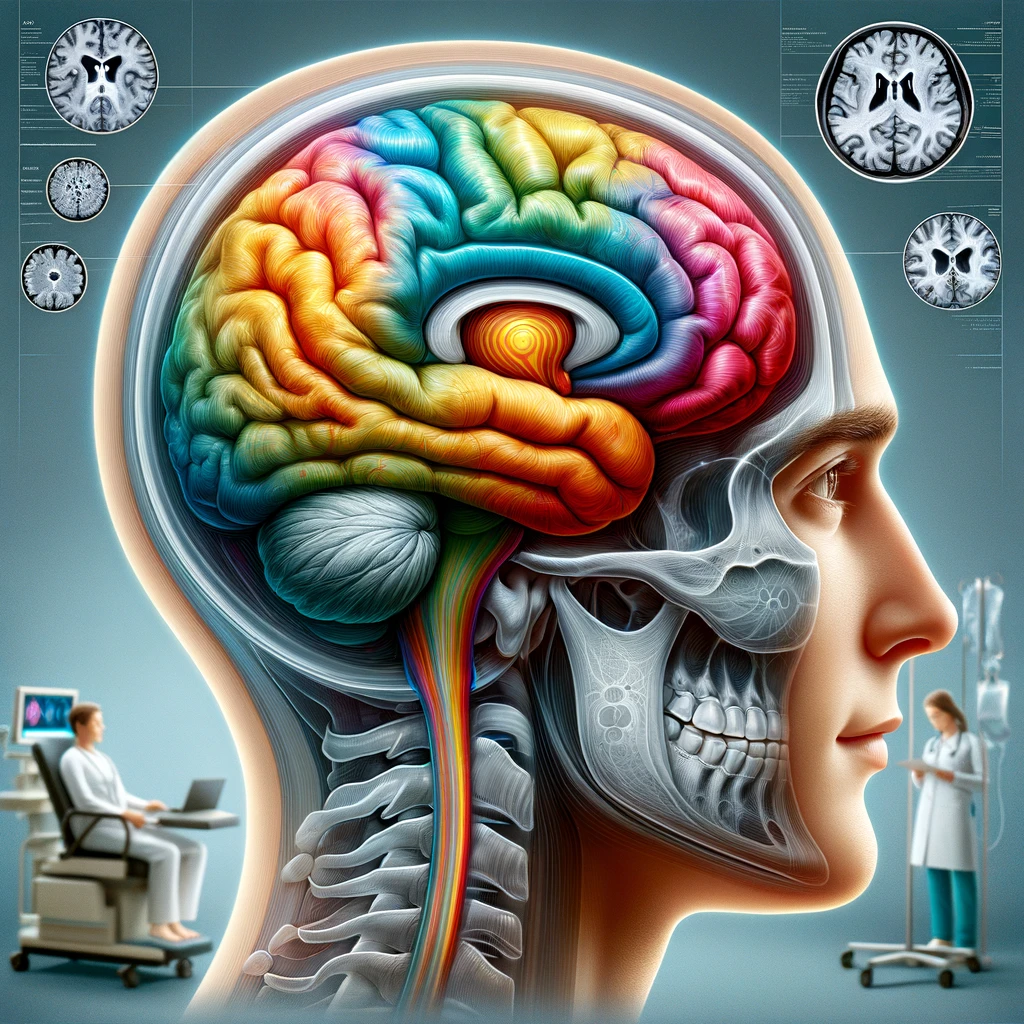

Functional nonepileptic seizures are sudden, time-limited episodes of altered movement, sensation, awareness, or behavior that resemble epileptic seizures but arise from dysfunction in brain networks related to emotion processing, attention, and bodily perception rather than abnormal electrical discharges. In the emergency care setting, they can appear dramatic and alarming, often prompting activation of seizure protocols and urgent interventions. Because they mimic generalized convulsions, focal seizures, or even syncope, they present a significant risk for misdiagnosis, especially during brief or chaotic encounters when history is limited and rapid triage is required.
Typical motor features often differ from those seen in epileptic seizures, although overlap is common. Movements may be asynchronous or out of phase between limbs, with side-to-side head shaking, pelvic thrusting, or large amplitude thrashing that waxes and wanes. Episodes may last longer than typical epileptic convulsions, sometimes 10–20 minutes or more, with fluctuating intensity rather than a single, stereotyped pattern. Eye closure during convulsive-like activity is more common in functional nonepileptic seizures, and patients may resist passive eye opening. By contrast, eyes in generalized tonic–clonic seizures are usually open or forced upward. These distinctions, while helpful, are not absolute and must be interpreted cautiously.
Awareness and responsiveness during events offer additional clues. Some patients show partial awareness, with preserved responses to certain stimuli or the ability to protect themselves from injury—for example, avoiding collisions with objects or resisting noxious stimulation despite apparent unresponsiveness. Others may recall conversations that occurred during the event or describe hearing people in the room. Purposeful or semi-purposeful behaviors such as shielding the face, pushing away examiners, or adjusting clothing in the middle of an episode are more suggestive of a functional origin. Nonetheless, the presence of some responsiveness does not exclude epileptic seizures, particularly in focal impaired-awareness events.
Autonomic signs are also informative but not definitive. Cyanosis, marked postictal confusion, tongue biting on the lateral aspect, and incontinence more strongly suggest epileptic generalized tonic–clonic seizures, whereas their absence may raise suspicion for a functional episode. However, frontal lobe seizures and some focal seizures can have atypical features, short or absent postictal phases, and minimal autonomic manifestations, so overreliance on any single sign can easily lead to misdiagnosis. Emergency clinicians must therefore balance pattern recognition with humility about the limits of bedside observation.
Some functional nonepileptic seizures present predominantly with nonmotor features, such as prolonged unresponsiveness, apparent catatonia, or episodes of collapsed posture with closed eyes and preserved muscle tone. These can be mistaken for syncope, stroke, transient ischemic attack, or toxic-metabolic encephalopathy. Patients may exhibit inconsistent or variable neurologic findings, such as give-way weakness or nondermatomal sensory changes between events. In the context of seizure-like episodes, these positive functional signs should raise the index of suspicion for a functional disorder of the nervous system affecting both movement and sensation.
Triggers and context can provide important insights. Many patients report onset or worsening of events during periods of acute psychosocial stress, conflict, or trauma reminders. Episodes may cluster in high-intensity environments such as busy emergency departments or inpatient units, particularly when patients feel threatened, invalidated, or overwhelmed. While the presence of psychological stressors is not specific to functional nonepileptic seizures, their tight temporal association with events, especially when combined with atypical clinical features, can support the working diagnosis. Still, the absence of obvious stress does not rule out a functional etiology, and clinicians should avoid implying that events are “voluntary” or “put on.”
Comorbid epilepsy complicates the clinical picture. A significant subset of patients with functional nonepileptic seizures also have a history of epileptic seizures, and both conditions can coexist in the same individual. In such cases, the semiology of functional events may evolve over time, partly influenced by how prior epileptic seizures looked, by conversations with clinicians, or by family expectations. Distinguishing between the two types in the acute setting is particularly challenging, yet crucial for designing an effective long-term treatment plan. Without careful characterization, patients may receive escalating antiepileptic therapy without benefit while functional events remain unrecognized and untreated.
The gold standard for diagnosis remains prolonged video EEG monitoring, which allows clinicians to correlate clinical events with simultaneous electrographic data. If a typical seizure-like episode occurs without associated epileptiform activity and with normal background rhythms, this supports a diagnosis of functional nonepileptic seizures. However, such testing is rarely available in the emergency department, where time constraints, limited neurology coverage, and competing clinical priorities demand rapid decisions. Consequently, emergency clinicians must often work with incomplete information and make provisional diagnoses based on probability rather than absolute certainty.
This diagnostic uncertainty is compounded by overlapping presentations with other acute neurologic and medical emergencies. Hypoglycemia, electrolyte disturbances, drug intoxication or withdrawal, infections, and structural brain lesions can all precipitate seizure-like episodes, and their exclusion is critical to patient safety. At the same time, the drive to rule out life-threatening conditions may lead to extensive testing, repeated imaging, and high-cost interventions that rarely change the ultimate diagnosis in patients with chronic, recurrent functional nonepileptic seizures. Finding a balance between adequate safety screening and avoidance of unnecessary procedures is a central challenge for emergency care teams.
Communication barriers and time pressure in crowded emergency departments further complicate the identification of functional nonepileptic seizures. Patients may arrive by ambulance, unable to provide a coherent history, while family or witnesses are unavailable or distressed. Information about prior evaluations, previous diagnoses, or past video EEG results may be buried in external medical records that are not immediately accessible. In this context, fragmented communication and incomplete documentation can perpetuate cycles of misdiagnosis, repeated visits, and inconsistent explanations that leave patients confused and mistrustful of the healthcare system.
Stigma and clinician bias also influence diagnostic decision-making. Because functional nonepileptic seizures do not show the electrical abnormalities seen in epilepsy, they may be perceived as “less real” or as primarily behavioral, which can unconsciously shape how clinicians interpret ambiguous signs. This may manifest as skepticism, frustration, or minimization of symptoms, leading to premature closure on a functional diagnosis without adequate evaluation or, conversely, avoidance of the label altogether out of fear of offending the patient. Both extremes can be harmful: under-recognition exposes patients to unnecessary medications and procedures, whereas overconfident labeling without evidence can delay detection of true epileptic or medical causes.
The dynamic nature of functional nonepileptic seizures presents an additional challenge. Event frequency, intensity, and form can change over time, sometimes in response to prior evaluations, interpersonal interactions, or shifts in life circumstances. A patient who initially presents with prolonged, thrashing convulsions might later exhibit brief episodes of collapse or unresponsiveness. Clinicians seeing the patient at different points in this trajectory may each encounter only one piece of the puzzle, leading to apparently inconsistent descriptions across visits. Without longitudinal perspective, these variations can be misinterpreted as malingering or intentional fabrication rather than as a characteristic feature of functional disorders.
Pain, injuries, and concurrent medical issues can mask or distort the clinical picture. Patients with chronic pain, migraine, or autonomic dysfunction often present with complex symptom clusters that overlap with seizure-like events. Emergency teams must disentangle which complaints are part of the nonepileptic seizure phenotype and which signal independent conditions requiring treatment. For instance, recurrent emergency visits for falls or injuries during episodes may raise concerns about underlying cardiac arrhythmia or syncope, prompting additional investigations. While such concerns are appropriate, they also reinforce the need for clear documentation of prior workups to avoid duplicative testing.
The way the diagnosis is framed in the medical record can shape future encounters. Vague or stigmatizing labels such as “pseudoseizures” or “behavioral spells” can bias subsequent clinicians even before they see the patient, potentially narrowing their diagnostic lens and increasing the risk of missed organic disease. Conversely, precise, descriptive language that distinguishes between confirmed, probable, and possible functional nonepileptic seizures, and that documents the evidence supporting each level of certainty, can facilitate more nuanced decision-making. In a system where patients often rely on emergency departments as a primary point of contact, improving the clarity and consistency of diagnostic formulations is central to reducing misdiagnosis and enhancing patient safety over time.
Emergency department evaluation and differential diagnosis
Evaluation in the emergency department begins with rapid assessment of airway, breathing, and circulation, followed by immediate stabilization of any compromise. Because many patients arrive mid-event or shortly afterward, clinicians must obtain a focused history while simultaneously attending to acute needs. Critical questions include onset and evolution of the episode, presence of preceding aura or triggers, duration, recovery time, and any injuries. Witness accounts are especially valuable; staff should ask observers to describe what they saw in simple, concrete terms, avoiding medical labels such as “grand mal.” When possible, reviewing smartphone videos recorded by family or bystanders can help differentiate functional nonepileptic seizures from epileptic seizures, syncope, or other mimics.
Initial bedside examination focuses on distinguishing time-sensitive neurological and medical emergencies from functional events. Vital signs, oxygen saturation, and blood glucose must be checked early, given the potential for hypoxia, hypoglycemia, or arrhythmia-related syncope to mimic seizure-like activity. A brief but systematic neurologic examination should follow, paying attention to the level of consciousness, eye position and movements, motor tone, asymmetry, and the presence of focal deficits. Inconsistencies, such as variable weakness with distraction or nonanatomical sensory loss, can suggest a functional mechanism but do not obviate the need to rule out acute stroke, meningitis, or encephalitis when clinically indicated.
Given the diagnostic overlap with epileptic seizures, laboratory testing and imaging should be guided by clinical context rather than ordered reflexively for every episode. Basic metabolic panels, complete blood counts, and toxicology screens are reasonable in first-time events, unexplained altered mental status, or when intoxication, withdrawal, or metabolic derangements are suspected. Head CT may be warranted for new-onset seizures, head trauma, anticoagulant use, or focal neurological findings, but repeated imaging in patients with longstanding, well-documented functional nonepileptic seizures rarely alters management. Maintaining this balance preserves patient safety while limiting unnecessary radiation, costs, and delays in care.
Distinguishing functional nonepileptic seizures from epileptic seizures in emergency care relies on pattern recognition, probability estimates, and careful documentation of observed behavior. Prolonged, fluctuating movements with pelvic thrusting, asynchronous limb jerks, and forceful eye closure are more typical of functional events, especially when accompanied by retained awareness or resistance to eye opening. Conversely, abrupt onset with a stereotyped sequence of tonic stiffening, synchronized clonic jerks, cyanosis, and a deep, prolonged postictal state raises suspicion for generalized tonic–clonic seizures. However, overlap is substantial, and no single feature is definitive; clinicians must avoid categorical judgments based solely on one or two signs.
Syncope and convulsive syncope are key considerations in the differential diagnosis. Transient loss of consciousness from cardiac arrhythmias, orthostatic hypotension, or vasovagal episodes may be accompanied by brief myoclonic jerks, eye-rolling, and incontinence. Features supporting syncope include a precipitating positional change, prodromal lightheadedness, pallor, diaphoresis, and rapid, complete recovery once supine. Functional nonepileptic seizures often occur in the presence of others, in emotionally charged situations, and can be longer in duration, with more complex motor patterns. Nevertheless, cardiac causes of syncope can be life-threatening, so clinicians should perform ECGs and consider telemetry or further cardiology evaluation when red flags such as chest pain, palpitations, or a family history of sudden death are present.
Psychogenic unresponsiveness, dissociative episodes, and catatonia represent additional diagnostic challenges. Patients may appear deeply unresponsive yet display normal respiratory patterns, preserved airway reflexes, and resistance to passive eye opening. They may fail to respond to verbal prompts while subtly avoiding harmful stimuli or repositioning themselves for comfort. These features can overlap with functional nonepileptic seizures and other functional neurologic symptoms, but emergent conditions such as nonconvulsive status epilepticus, toxic-metabolic encephalopathy, and acute psychosis must first be excluded. When feasible, brief EEG in the emergency department can help identify ongoing epileptic activity, but in many settings this is unavailable or limited to short recordings that are less sensitive than prolonged video EEG monitoring.
Nonconvulsive status epilepticus is a particularly important entity in the differential diagnosis because it can present with prolonged confusion, staring, or behavioral changes in the absence of overt motor convulsions. Clinically, patients may exhibit fluctuating responsiveness or subtle twitching of the eyelids, facial muscles, or fingers. In older adults, it may mimic delirium or functional unresponsiveness; in individuals with known epilepsy, any persistent alteration in baseline mental status requires a high index of suspicion. Where continuous or urgent EEG is available, it should be used to clarify the diagnosis and guide antiepileptic treatment, but in resource-limited settings, clinicians must rely on the history, comorbid epilepsy, and progression of symptoms to estimate risk.
Because many patients with functional nonepileptic seizures also carry a diagnosis of epilepsy, differentiating between event types in the moment can be extremely difficult. When uncertainty is substantial and the risk of undertreating potential epileptic status is high, it is reasonable to administer a cautious initial dose of benzodiazepines while continuing diagnostic evaluation. However, repeated, high-dose benzodiazepines or escalation to anesthetic infusions without corroborating evidence of epileptic activity increase the risk of iatrogenic hypotension, respiratory depression, and ICU admission for what may ultimately be a functional disorder. Documenting the reasoning process, including the elements that raise or lower suspicion for epileptic versus functional events, can reduce misdiagnosis and guide future encounters.
Communication with the patient and family during the evaluation phase is a central component of safe, effective care. Even before a definitive diagnosis is reached, clinicians can explain that several possible causes are being considered, including epileptic seizures, fainting, and “seizure-like events that are related to how the brain handles stress and signals from the body.” Using neutral, nonjudgmental language helps maintain rapport and reduces anxiety. When functional nonepileptic seizures are suspected but not confirmed, it is more constructive to describe the situation as a “working diagnosis” or “possibility we are considering” rather than giving categorical assurance that events are or are not epileptic.
Clear documentation in the medical record supports continuity and mitigates the risk of both overtreatment and undertreatment. Descriptions should focus on observable behaviors and timing rather than interpretive labels, for example, “10-minute episode of asynchronous limb thrashing with eyes tightly closed and intermittent verbal responses” instead of simply “pseudoseizure.” When prior evaluations, including video EEG reports or neurology notes, are available, their key findings should be summarized and linked to the current assessment, noting whether the observed episode is consistent with previously captured functional events. This level of detail can guide triage decisions, help future clinicians calibrate the intensity of workup, and foster more consistent messaging to the patient.
In busy emergency departments, the need for rapid risk stratification demands practical heuristics. For first-time seizure-like presentations, prolonged impaired consciousness, focal neurological deficits, fever, immunosuppression, anticoagulation, or trauma typically justify a more extensive evaluation and neurology consultation. In patients with recurrent, previously characterized functional nonepileptic seizures, normal examinations between episodes, and stable comorbidities, a more streamlined approach may be appropriate, emphasizing targeted testing, observation, and early involvement of mental health or behavioral neurology teams when available. Continual refinement of these pathways, informed by local outcomes data and interdisciplinary collaboration, can improve diagnostic accuracy and enhance patient safety over time.
Acute management and communication strategies
Acute management in the emergency department should prioritize medical safety while avoiding unnecessary escalation of interventions that may worsen outcomes for patients with functional nonepileptic seizures. During an active event, airway patency, adequate breathing, and hemodynamic stability must be ensured, just as with epileptic seizures. Patients should be positioned to prevent aspiration, with supplemental oxygen provided if saturation is low or if there are concerns about hypoventilation. Protective measures, such as padding bed rails and removing nearby hazards, help reduce injury without restraining the patient. Physical restraint should be avoided whenever possible, as it may intensify distress, prolong the episode, and reinforce maladaptive symptom patterns.
Judicious use of antiseizure medications is central to safe acute management. Once life-threatening causes and epileptic status epilepticus have been reasonably excluded, repeated administration of benzodiazepines or loading with additional antiseizure agents offers little benefit and significant risk. Overmedication can lead to oversedation, respiratory depression, hypotension, and unnecessary admissions to intensive care units. Clinicians should distinguish between a single, cautious benzodiazepine dose given early in triage when the diagnosis is uncertain and ongoing escalation in the face of stable vital signs, preserved protective reflexes, and semiology strongly suggestive of functional events. When functional nonepileptic seizures are likely, the emphasis should shift from pharmacologic suppression toward supportive, psychologically informed care.
Calm, structured verbal reassurance can de-escalate many episodes. Staff should speak in a steady, non-alarming tone, orienting the patient to the environment and emphasizing that they are safe and being cared for. Phrases such as “Your body is going through a seizure-like spell, but your vital signs are stable and you are safe here,” or “We see that this is very distressing; we are going to stay with you and help your body settle down,” can help reduce fear and autonomic arousal, which often perpetuate events. Minimizing the number of people crowding the bedside, reducing noise, dimming lights when appropriate, and avoiding repeated, urgent commands can further attenuate the intensity or duration of episodes.
Behavioral strategies play a key role during active events and in the immediate post-episode period. For some patients, guided breathing—encouraging slow, diaphragmatic breaths or counting inhalations and exhalations aloud—can shift attention away from internal distress and decrease hyperventilation. Grounding techniques, such as asking the patient to focus on specific sensations (the feeling of their feet on the bed, the coolness of an oxygen mask, or the weight of a blanket), may help reduce dissociation. These approaches should be presented as practical tools rather than tests of willpower; framing them as ways to “help your nervous system reset” respects the underlying neurobiological vulnerability while promoting active participation in recovery.
Clear, compassionate communication is as important as any medication. Once the patient is stable and able to engage in conversation, clinicians should explain what has been observed in concrete terms, focusing on findings that support both safety and the working diagnosis. For example: “We saw movements that were long-lasting and variable, with your eyes closed and normal breathing throughout. Your tests did not show signs of a dangerous brain problem or epileptic seizure. This pattern fits what we call functional seizures, which are real events caused by the way the brain processes stress and body signals.” Linking explanations to observable facts reinforces credibility and reduces the perception that symptoms are being dismissed.
The language used to describe functional nonepileptic seizures can shape the patient’s response and willingness to follow up with appropriate care. Terms such as “pseudoseizure,” “fake seizure,” or “all in your head” should be strictly avoided, as they imply fabrication or voluntary control and increase stigma. Instead, clinicians can emphasize that the events are common, well-recognized in neurology and psychiatry, and understood as a disorder of brain function rather than structure. Statements like “These are real seizures that are not caused by abnormal electrical activity, but by the brain’s stress and emotion networks,” acknowledge the legitimacy of the experience while differentiating it from epilepsy.
When prior documentation or video EEG results are available confirming functional nonepileptic seizures, referencing that information directly can reduce uncertainty and prevent repeated cycles of misdiagnosis. Explaining that “your previous neurologist captured these events on video EEG and did not see epileptic activity during them” helps anchor the current emergency care episode in a broader medical narrative and supports consistent messaging across providers. If prior testing is not available, clinicians can still explain that today’s findings raise a strong suspicion for functional seizures and that more detailed assessment may be needed in a specialty clinic.
Family members and bystanders often arrive frightened, having witnessed what appeared to be a life-threatening seizure. Including them in communication, with the patient’s permission, can reduce anxiety and align expectations. It is helpful to clarify that while the events look dramatic, they do not appear to be causing brain damage or putting the patient at high risk of death in the way uncontrolled epileptic status might. Caregivers can be taught simple, supportive responses for future episodes: keeping the environment safe, avoiding restraint, monitoring breathing, and offering calm reassurance rather than panic or confrontation. This approach lessens the chance that family reactions will inadvertently reinforce or prolong episodes.
Addressing acute emotional reactions is integral to management. Many patients feel embarrassed, guilty, or angry after an event, especially if they have previously been told that their seizures are “psychological” or “not real.” Validating their distress while providing a coherent, biopsychosocial explanation can mitigate these reactions. For example: “What you are experiencing is a recognized medical condition where stress, trauma, and the way the brain communicates with the body come together to produce seizures. It is not your fault, and it is not something you are doing on purpose. The good news is that with the right treatment, many people improve.” This type of communication promotes engagement and reduces the sense of blame or defectiveness.
In the acute setting, it is important to delineate which tests and treatments are needed now and which can safely wait for outpatient evaluation. Explaining the rationale—for instance, “We have checked your blood work and imaging to rule out dangerous causes; because these results are reassuring and your exam is stable, more specialized testing like prolonged video EEG is best done as a planned outpatient study”—helps patients understand that they are not being dismissed, but rather guided toward the most appropriate level of care. Explicitly stating that further intravenous medications or hospitalization are not expected to help the functional seizures in this moment can prevent misunderstandings and reduce pressure to escalate interventions unnecessarily.
Team-based coordination within the emergency department enhances consistency of messaging and prevents mixed signals. Nurses, physicians, advanced practice providers, and, when available, psychiatry or psychology consultants should share a common framework for describing the condition and its management. Brief huddles to align on language and next steps—such as whether to offer crisis counseling, social work support, or written educational materials—can improve continuity and patient trust. Consistent documentation of the agreed approach, including notes on communication with the patient and family, supports future encounters and helps avoid repeated, fragmented explanations that undermine confidence.
Clinicians should be mindful of their own emotional responses during acute management. Functional nonepileptic seizures can evoke frustration, helplessness, or skepticism, especially when episodes are frequent, prolonged, or accompanied by conflict. Acknowledging these reactions privately and refocusing on patient-centered goals—safety, clear communication, and linkage to appropriate follow-up—reduces the risk that negative attitudes will leak into interactions. Framing the encounter as an opportunity to interrupt a cycle of repeated emergency visits and misdiagnosis can reorient the team toward constructive, compassionate care, even in a demanding emergency department environment.
Disposition planning and follow-up care
Disposition planning for patients with functional nonepileptic seizures begins with determining whether hospital admission is truly necessary. The decision should be driven by medical stability, diagnostic uncertainty, and the availability of safe outpatient follow-up rather than by the dramatic appearance of the episodes alone. Patients who are hemodynamically stable, have returned to baseline mental status, and lack concerning features such as persistent focal neurological deficits, serious injuries, high-risk comorbidities, or evidence of toxic-metabolic derangement can usually be discharged from the emergency care setting. Conversely, admission may be warranted when there is suspicion of concurrent epileptic status, new-onset seizures with unclear etiology, severe psychiatric risk such as active suicidality, or social circumstances that preclude safe return home.
When considering discharge, clinicians should explicitly assess and document safety factors. These include the patient’s ability to ambulate without significant falls risk, reliable access to a supportive adult at home or another safe environment, and capacity to understand and follow post-discharge instructions. For individuals whose events involve sudden collapse or occur in hazardous settings (e.g., at heights, near water, or while cooking), brief observation in the emergency department or short-stay unit may allow for further clarification of triggers and risk mitigation strategies. Clear notation in the record that the decision is based on stability and risk assessment, rather than on minimizing symptoms, helps protect against future misunderstandings or allegations of premature discharge.
For patients with a known, well-documented diagnosis of functional nonepileptic seizures, especially those with prior video EEG confirmation, disposition planning should emphasize continuity of care rather than repeating acute workups. Accessing prior neurology or psychiatry notes, ideally through shared electronic records, allows the team to align the current encounter with the established treatment plan. If the observed episode matches previously recorded events, the emergency department can reinforce existing outpatient strategies, adjust short-term supports, and avoid unnecessary admission or additional imaging. When prior documentation is incomplete or fragmented, summarizing the available history and clearly stating the working diagnosis can help future clinicians avoid misdiagnosis and redundant testing.
Arranging timely, appropriate follow-up is central to effective disposition. Because functional nonepileptic seizures arise from complex interactions among neural, psychological, and social factors, multidisciplinary outpatient care often yields the best outcomes. When possible, referrals should include: neurology (or an epilepsy clinic) to confirm the diagnosis, review antiseizure medications, and coordinate further testing; mental health professionals experienced with functional neurologic disorders or trauma-focused therapies; and, when indicated, physiotherapy or occupational therapy for functional motor symptoms and safety training. Providing the patient with specific names, contact numbers, and expected timelines for appointments increases the likelihood of follow-through.
Primary care clinicians play an essential coordinating role after the emergency visit, particularly in health systems where specialized functional neurologic disorder services are scarce. Discharge instructions should identify the primary care provider as a key partner, outlining their role in medication reconciliation, monitoring comorbid conditions such as depression, anxiety, or chronic pain, and reinforcing nonpharmacologic management strategies. Including a concise summary letter or electronic message to the primary clinician—highlighting the episode characteristics, working diagnosis, and recommended referrals—facilitates smoother handoffs and reduces fragmentation of care.
Medication review is a critical component of disposition planning. Many patients with functional nonepileptic seizures have been prescribed multiple antiseizure medications over time, despite minimal evidence of epileptic activity. The emergency department is rarely the ideal setting for wholesale regimen changes, but it can be an important opportunity to identify clear problems, such as overt polypharmacy, evident side effects, or nonadherence driven by confusion about the diagnosis. When functional seizures are strongly suspected and prior neurology input suggests minimal benefit from antiseizure drugs, the discharge plan should emphasize follow-up with neurology to consider gradual tapering rather than abrupt changes in the emergency department. Explicitly avoiding the initiation of new antiseizure medications solely for functional events can help prevent escalation of ineffective treatment.
For individuals with comorbid epilepsy and functional nonepileptic seizures, disposition decisions should distinguish between these event types as clearly as possible while recognizing inevitable uncertainty. Documentation should specify whether the current episode is more consistent with functional or epileptic semiology, how this assessment was made, and whether any therapeutic adjustments were targeted toward presumed epileptic activity. If there is realistic concern for recent uncontrolled epileptic seizures—such as prolonged postictal confusion, recurrent stereotyped convulsions, or recent medication changes—closer follow-up with an epilepsy specialist or, in some cases, short-term admission to optimize antiseizure therapy may be justified. In such scenarios, early, transparent communication with neurology regarding the dual diagnosis can help avoid one condition being overlooked in favor of the other.
Addressing psychosocial needs at the point of disposition significantly influences subsequent healthcare utilization. Social work consultation can help evaluate housing stability, interpersonal violence, financial stressors, and access to transportation—factors that may both precipitate episodes and impede engagement in outpatient care. Providing information about crisis lines, community mental health centers, and support groups offers additional scaffolding, particularly for patients without established mental health providers. For those with high levels of distress, prior trauma, or emerging suicidality, a same-day or next-day mental health evaluation may be more appropriate than routine outpatient referral, even if admission to a medical service is not required.
Discharge counseling should be concrete and collaborative, tailored to the patient’s level of health literacy and emotional readiness. Rather than giving abstract reassurance alone, clinicians can outline specific expectations and strategies for the period after leaving the emergency department. Examples include: what to do if another event occurs at home; when it is appropriate to call emergency services; how family members can respond in supportive, non-escalating ways; and what warning signs—such as prolonged loss of consciousness without clear breathing, head trauma, or new focal weakness—should prompt urgent reevaluation. Written instructions in plain language, ideally reviewed aloud with the patient and a support person, improve comprehension and retention.
Clear return precautions help align patient and clinician expectations and reduce unnecessary repeat visits. It is helpful to explicitly differentiate between typical episodes, which can often be managed with previously discussed strategies, and atypical features that warrant prompt emergency assessment. For instance, patients can be advised that events matching their usual pattern, with preserved or quickly recovering awareness and no significant injury, generally do not require emergency transport. In contrast, episodes with markedly different characteristics, prolonged unresponsiveness, serious injury, or concurrent medical symptoms such as chest pain or shortness of breath should trigger urgent evaluation. This nuanced approach respects patient autonomy while preserving safety.
For patients who frequently use emergency services for functional nonepileptic seizures, developing individualized care plans can improve triage and continuity. Such plans, created collaboratively with neurology, psychiatry, primary care, and emergency department leadership, may be embedded in the electronic health record and flagged at registration. They can outline the established diagnosis, recommended scope of evaluation, preferred language for discussing the condition, and pre-agreed criteria for imaging, laboratory tests, or admission. By standardizing responses and expectations, these plans reduce variability between clinicians and shifts, decrease the likelihood of overtesting or undertesting, and promote consistent, therapeutic communication.
Occupational, physical, and speech therapists can be valuable partners in disposition planning for patients whose functional seizures coexist with gait disturbances, dysphagia, or other functional neurologic symptoms. While such services are typically delivered in outpatient or rehabilitation settings rather than emergently, early referral from the emergency department can expedite access. For example, a patient who repeatedly falls during episodes may benefit from a home safety assessment, training with assistive devices, or graded exposure exercises designed to rebuild confidence and reduce avoidance behaviors. Noting these needs in the discharge summary signals to downstream providers that functional impairments, not just seizures, require attention.
Documentation at the time of disposition should be thorough, descriptive, and future-oriented. Beyond recording vital signs and test results, clinicians should summarize the observed events, key elements of the history, differential diagnostic reasoning, and the basis for judging the patient safe for discharge or in need of admission. Importantly, the record should capture details of communication with the patient and family, including how the diagnosis was explained and what follow-up plans were agreed upon. Using neutral, respectful terminology—such as “functional seizures” or “functional nonepileptic events”—helps avoid stigmatizing language that could undermine future care.
Transportation and logistical arrangements are practical yet crucial aspects of disposition. Patients who have just experienced a seizure-like event should not drive themselves home; if they drove to the hospital, guidance about temporary driving restrictions should be clearly stated and, when relevant, aligned with local regulations regarding seizure-related driving laws. For those without a safe way to return home, collaboration with social services, case managers, or community support agencies may be required. Ensuring that the patient leaves with a functioning phone, contact information for follow-up providers, and an understanding of how to obtain medications and attend appointments reduces the risk of rapid, preventable return to the emergency department.
Disposition planning offers an opportunity to recalibrate the patient’s relationship with emergency services. By framing the visit as one step in a broader treatment pathway, clinicians can help patients view emergency departments as resources for specific safety concerns rather than as the primary locus of ongoing care. Statements such as, “Our goal today is to make sure you are medically safe and to connect you with the specialists who can help these seizures improve over time,” clarify roles and boundaries while conveying commitment to continued support. This balanced message can reduce repeated emergency presentations driven by uncertainty or mistrust, fostering a more sustainable, coordinated approach to long-term management.
Education, stigma reduction, and systems-based approaches
Education about functional nonepileptic seizures in the emergency setting begins with ensuring that clinicians understand the condition as a legitimate disorder of brain function rather than a willful behavior or a mere stress reaction. Structured teaching during residency, nursing orientation, and ongoing professional development should cover core concepts: the difference between epileptic and functional seizures; typical semiologic features; the role of trauma, stress, and neurobiological vulnerability; and the evidence supporting psychological and rehabilitative treatments. Integrating real case examples, including smartphone videos and excerpts from video EEG reports, helps demystify the diagnosis and grounds abstract principles in everyday emergency care.
Targeted training in clinical communication is just as crucial as teaching clinical features. Many clinicians have not been formally taught how to explain functional disorders, leading to ad hoc phrases that can inadvertently blame or invalidate patients. Workshops that use role-play, standardized patients, or recorded scenarios can help staff practice language that is clear, nonjudgmental, and collaborative. Emphasis should be placed on explicitly validating that symptoms are real and distressing, distinguishing between “not epileptic” and “not real,” and consistently framing the condition as reversible dysfunction in brain networks rather than a fixed psychiatric label. When clinicians feel confident with this language, they are less likely to fall back on stigmatizing or dismissive explanations during busy shifts.
Stigma reduction requires addressing attitudes as well as knowledge. Educational initiatives should openly acknowledge that functional nonepileptic seizures can evoke frustration, skepticism, or moral judgments, especially when episodes are frequent or seem to disrupt workflow. Facilitated discussions, morbidity and mortality conferences, or reflective practice groups can provide a safe forum for staff to explore these reactions and understand how implicit bias may contribute to misdiagnosis, overtesting, or dismissive care. Highlighting patient narratives—whether through written accounts, videos, or in-person speakers—can humanize the condition and remind teams of the long periods of confusion, repeated investigations, and invalidation that many patients endure before receiving a coherent diagnosis.
Teaching should also extend to patients and families, not only clinicians. Brief, standardized educational materials tailored for emergency department use can explain functional seizures in accessible language, reinforce key messages delivered verbally, and direct patients to reputable resources for follow-up. Handouts might include simple diagrams distinguishing electrical seizures from functional seizures, common triggers such as stress or lack of sleep, and practical self-management strategies like breathing exercises and pacing of daily activities. Providing this information at the bedside underscores that the diagnosis is recognized and treatable, helping to counter prior experiences where symptoms were deemed “psychological” in a pejorative sense or were left unexplained.
Families and caregivers often play a critical role in reinforcing or reducing stigma. They may arrive with strong beliefs that all seizure-like events are epileptic, or with prior experiences in which clinicians suggested “nothing is wrong” when tests were normal. Educational efforts in the emergency department should therefore include time to answer questions from relatives and to correct misconceptions, for example clarifying that functional seizures are not consciously produced, are not a sign of laziness or manipulativeness, and frequently coexist with other medical or psychiatric conditions. Encouraging caregivers to adopt supportive behaviors—calm reassurance, avoidance of restraint, and discouraging overdramatization of events—can change family dynamics that sometimes perpetuate symptoms without blaming anyone involved.
Systems-level approaches are essential to sustain these educational and stigma-reduction efforts beyond individual encounters. Hospitals can develop concise clinical guidelines or care pathways for seizure-like events that embed best practices, including criteria for triage, indications for imaging and laboratory testing, and standardized language for documentation. Embedding prompts in electronic health records—such as checklists for key functional features or reminders to avoid terms like “pseudoseizure”—helps normalize structured assessment and reduces variability in response between clinicians and shifts. Where feasible, electronic templates can include short, preapproved explanation statements that clinicians can adapt for patient-facing communication, promoting consistency while leaving room for individualized care.
Interdisciplinary collaboration between emergency medicine, neurology, psychiatry, psychology, nursing, and social work is a cornerstone of effective systems-based practice. Interdepartmental protocols can define who is consulted when functional seizures are suspected, how quickly neurology or psychiatry should be involved, and what follow-up options are available for patients without established care. Regular cross-specialty case conferences that review complex patients, particularly those with repeated emergency visits or dual diagnoses of epilepsy and functional seizures, can identify recurrent system failures, miscommunication, or patterns of misdiagnosis. Over time, these collaborative efforts foster a shared language and shared goals, reducing fragmentation and conflicting messages to patients.
Because many patients with functional nonepileptic seizures repeatedly seek emergency care, developing individualized care plans is an effective systems-based approach. These plans, stored prominently in the electronic health record, can summarize the confirmed or probable diagnosis, prior video EEG or neuroimaging results, known triggers, and any relevant psychiatric or social context. They should specify recommended strategies during episodes (e.g., limited use of benzodiazepines, emphasis on supportive communication and de-escalation techniques), clear criteria for when additional testing is warranted, and preferred phrasing to explain the condition to the patient and family. When such plans are easily accessible and regularly updated, they reduce unnecessary variation between visits and empower staff to respond with confidence and compassion.
Quality improvement initiatives can further embed functional seizure care into emergency department systems. Tracking metrics such as frequency of repeat visits, rates of imaging for patients with established functional diagnoses, use of high-dose benzodiazepines, and length of stay allows teams to identify where practice diverges from guidelines. Periodic chart audits can examine documentation for stigmatizing language or incomplete description of events and reasoning. Feedback loops—through departmental meetings, dashboards, or targeted educational outreach—can then highlight successes, address gaps, and reinforce the message that improving care for patients with functional seizures is part of overall patient safety and resource stewardship.
Health systems should also consider how broader communication infrastructures influence care. In regions where medical records are fragmented, patients may undergo repeated scans, laboratory studies, and even intubations because emergency clinicians cannot access prior video EEG reports or specialist evaluations. Investing in interoperable electronic health records, shared care summaries, or patient-held records can dramatically reduce this redundancy. Encouraging patients to carry or electronically store brief summaries from their neurologist or functional neurologic disorder clinic—for example, a one-page document stating the diagnosis, key findings, and recommended acute management—can serve as a portable bridge between outpatient and emergency settings.
Public and community education campaigns may help reduce stigma at a population level, particularly in areas where emergency departments frequently see patients with seizure-like events. Collaboration with epilepsy foundations, mental health advocacy groups, and organizations focused on functional neurologic disorders can produce accurate, accessible materials for schools, workplaces, and community centers. Messages should emphasize that not all seizures are due to epilepsy, that functional seizures are common and treatable, and that supportive responses during an event focus on maintaining safety, protecting dignity, and avoiding panic. Over time, such efforts may reduce the intense fear and shame that often accompany public episodes, making it easier for patients to seek timely, appropriate care.
Policies related to transportation, law enforcement, and prehospital triage also shape how patients with functional seizures experience the health system. Training paramedics and emergency medical technicians to recognize patterns suggestive of functional events, while still prioritizing safety and ruling out emergent conditions, can reduce unnecessary lights-and-sirens transports, aggressive sedation, or physical restraint. Standardized prehospital protocols may include guidance on communication during events, criteria for on-scene management versus emergency transport, and documentation that respects the working diagnosis without dismissing patient concerns. Coordination between hospital and prehospital services ensures that patients receive consistent messages across the entire episode of care.
Within hospitals, leadership plays a vital role in setting expectations about respectful, evidence-based care for patients with functional nonepileptic seizures. Statements from department heads, inclusion of functional neurologic disorders in institutional diversity and inclusion or anti-stigma initiatives, and support for staff education signal that the condition is to be taken seriously, not marginalized. Recognizing and rewarding teams that implement innovative approaches—such as rapid-access clinics, telehealth follow-up, or integrated behavioral health pathways—further reinforces the idea that improving care for this population is a marker of organizational quality and compassion, not an optional extra.
Systems-based approaches should actively incorporate patient and family feedback. Surveys, focus groups, or patient advisory councils that include individuals with functional seizures can reveal barriers and harms that internal metrics may miss, such as perceived disbelief, confusing or contradictory explanations, and fear of seeking help due to prior negative experiences. Incorporating these perspectives into guideline development, educational materials, and workflow redesign helps ensure that interventions address the lived reality of those most affected. In this way, education, stigma reduction, and system change become mutually reinforcing, gradually transforming emergency care for functional nonepileptic seizures from a cycle of crisis and confusion into a more coherent, humane, and effective pathway.