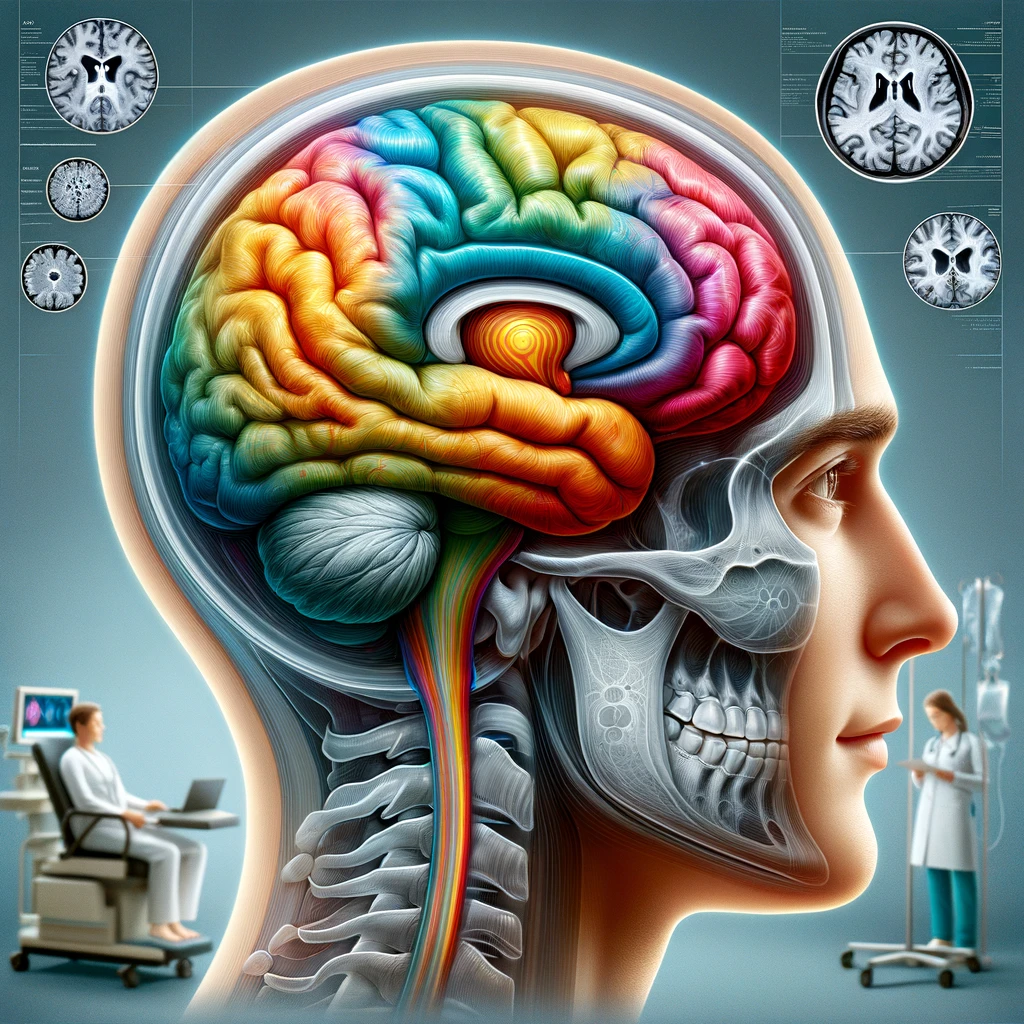

Functional facial and cranial symptoms encompass a broad range of complaints that arise from abnormal nervous system functioning rather than structural damage or progressive neurological disease. The clinical picture is typically characterized by internal inconsistency, variability over time, and incongruity with known anatomical pathways. Patients often describe symptoms as intermittent, fluctuating in intensity, and closely linked to stress, fatigue, or heightened self-monitoring of bodily sensations. These features help distinguish functional presentations from classical neurological disorders, where deficits usually follow predictable patterns and remain relatively stable or progressive.
One of the most prominent clinical features is altered facial movement. This can manifest as facial weakness that does not conform to a peripheral nerve or central pathway pattern. For example, a patient might show marked drooping of one side of the face during voluntary movement, such as asking them to smile, but display more symmetrical and near-normal movement during spontaneous expressions like laughing or reacting to an emotional stimulus. The weakness may abruptly shift sides, vary significantly from one examination to another, or improve with distraction, such as when the clinician diverts the patient’s attention to another task. In contrast to organic facial palsy, eye closure may be paradoxically stronger when the patient is asked to keep the eyes slightly open, and the distribution of weakness often spares or inconsistently involves muscle groups that would typically be affected together.
Abnormal facial movements and spasms are equally common and can take many forms, including tic-like jerks, sustained grimacing, eye squeezing, jaw clenching, or a mixture of different movement types. Unlike classical dystonia or hemifacial spasm, these episodes may start and stop abruptly, change their pattern within a single consultation, and be partially or completely suppressible when the patient is distracted or engaged in a cognitive task. The frequency and distribution of spasms may shift from one side of the face to the other or extend to the neck and scalp without following recognizable motor pathways. Movements often worsen when the patient is being closely observed or feels self-conscious, and they may lessen when the person is unaware of being watched, underscoring the role of attention and expectation in shaping symptom expression.
Sensory disturbances affecting the face and scalp are another frequent feature. Patients may describe numbness, tingling, burning, crawling, or pressure-like sensations, often with a poorly defined border or an entire side-of-the-face distribution that does not align with trigeminal nerve branches. The quality of these sensations can be dramatic and difficult to localize precisely, sometimes extending from the scalp down to the neck or even across the midline in variable fashion. Examination may reveal altered light touch or pinprick in non-dermatomal patterns, with striking differences in sensation between repeated tests that cannot be explained by peripheral nerve or root pathology. Sensory symptoms may coexist with pain, such as unilateral or bilateral facial pain, which often lacks the sharp, electric characteristics of classic neuralgia and instead has a more diffuse, fluctuating quality.
Orofacial and cranial complaints extend beyond motor and sensory phenomena to include a range of functional symptoms involving the jaw, mouth, and throat. Some individuals experience difficulty in speaking clearly, with intermittent slurred or effortful speech that worsens under scrutiny but may normalize during casual conversation. Others report functional swallowing problems, describing sensations of choking, food “sticking” in the throat, or an inability to initiate a swallow despite normal structural evaluation. These swallowing difficulties often vary dramatically with food texture, emotional state, or the degree of attention directed toward the act of swallowing, and they may occur in the absence of coughing, weight loss, or aspiration-related complications that typically accompany structural dysphagia.
Visual and auditory symptoms are frequently intertwined with functional facial and cranial presentations. Patients may complain of blurred or fluctuating vision, double vision that changes with gaze direction or disappears when one eye is covered, or episodes of transient visual “blackouts” that lack consistent ophthalmologic findings. Some describe functional visual field loss with non-physiologic patterns, such as concentric constriction that remains fixed at the same small size regardless of testing distance. Auditory complaints can include tinnitus, described as ringing, buzzing, or whooshing noises that wax and wane in intensity and are often linked to stress or heightened vigilance. These auditory and visual phenomena may coexist with dizziness, imbalance, and a sense of disconnection from the body or environment, forming part of a broader functional symptom cluster.
Headache and cranial pain are common and often multifactorial. Patients might report unilateral or bilateral head and face pain that defies traditional classifications like migraine, cluster headache, or trigeminal neuralgia, although functional symptoms can also coexist with primary headache disorders. The pain may appear suddenly, reach peak intensity quickly, and then fluctuate in a way that correlates more strongly with emotional context or situational triggers than with classical headache patterns. Cranial pressure, tightness, or a sensation of wearing a “helmet” or “band” around the head are frequently described. Examination usually reveals no focal neurological deficits consistent with an organic lesion, but patients often demonstrate pronounced distress and may have coexisting light or sound sensitivity, sleep disruption, and fatigue.
Functional cranial symptoms often cluster with vestibular and balance complaints that are evaluated in neuro-otology clinics. Patients may report a persistent sense of rocking, swaying, or internal motion, rather than true spinning vertigo. These sensations can be triggered by visually complex environments, head movements, or standing upright, and they may be accompanied by nausea, unsteadiness, or fear of falling despite intact strength and coordination on examination. The pattern of dizziness and imbalance may overlap with facial numbness, headaches, tinnitus, and visual disturbances, creating a complex symptom constellation that varies in intensity over the course of hours or days. Objective neuro-otology assessment often reveals normal or non-specific findings, in contrast to the severity of the patient’s subjective experience.
The temporal profile of symptoms is another key clinical clue. Many patients describe a history of sudden onset following a triggering event, such as an acute illness, minor injury, stressful life event, or medical procedure that heightened concerns about neurological damage. For others, symptoms develop more gradually against a background of chronic stress, anxiety, or other functional disorders, such as irritable bowel syndrome or chronic pain syndromes. Once established, symptoms can become persistent but show marked day-to-day variability, with intermittent “good” and “bad” days that do not fit typical relapsing or progressive neurological trajectories. Exacerbations are often linked to emotional distress, hypervigilance to bodily sensations, or situations that reinforce fear of serious neurological disease.
During examination, internal inconsistencies between different aspects of performance are particularly informative. For example, an individual may show profound facial weakness when prompted to contract muscles against resistance but display more normal function when performing automatic tasks like blinking or reacting emotionally. Similarly, facial spasms or abnormal movements may lessen or vanish when the patient is engaged in a demanding cognitive task, only to re-emerge when attention returns to the symptom. Sensory testing may reveal sharply demarcated areas of numbness that do not correspond to known nerve distributions, or fluctuating thresholds within the same session. These patterns contrast with the more stable and anatomically coherent deficits characteristic of structural lesions.
Emotional and behavioral responses to symptoms are often prominent and form part of the clinical picture. Many patients express intense fear about having a stroke, brain tumor, degenerative neurological disease, or other catastrophic condition, even when extensive testing has been reassuring. This fear can drive repeated self-examination in mirrors, constant checking of facial symmetry or movement, and frequent seeking of medical reassurance. Over time, such monitoring and worry can amplify symptom perception and contribute to further variability in facial movement, sensation, and cranial discomfort. Patients may alter their daily activities, social interactions, or occupational roles in response to symptoms, leading to a pattern of avoidance and functional impairment that reinforces the perceived severity of their condition.
Functional facial and cranial symptoms commonly coexist with other functional neurological presentations, such as limb weakness, functional gait disorders, tremor, non-epileptic attacks, or cognitive complaints often described as “brain fog.” This clustering underscores the systemic nature of functional disorders, in which multiple bodily systems can be affected by shared mechanisms involving attention, expectation, and threat perception. In some individuals, facial symptoms might be the primary complaint, while in others they emerge as part of a broader syndrome that includes pain, fatigue, sleep disturbance, and autonomic symptoms like palpitations or gastrointestinal discomfort. Recognizing these broader patterns is essential for understanding the full scope of the patient’s clinical presentation.
Despite their often dramatic nature, functional facial and cranial symptoms typically lack the objective markers of structural disease. Neuroimaging, laboratory tests, and detailed structural evaluations of the face, cranial nerves, and inner ear are frequently normal or show incidental findings that do not account for the severity or distribution of symptoms. This discordance between subjective distress and objective findings is a hallmark of functional presentations. However, the symptoms themselves are experienced as real, distressing, and disabling by patients. Appreciation of the distinctive clinical features, including inconsistency, variability, incongruence with neuroanatomy, and responsiveness to attention and context, is central to accurate recognition of these conditions in routine practice.
Diagnostic evaluation and differential diagnosis
Diagnostic assessment begins with a careful, hypothesis-driven history and examination that aim both to rule out structural disease and to identify positive signs of functional symptoms. The clinician should explore the exact onset, evolution, and variability of facial and cranial complaints, the presence of triggering events, and any temporal association with stress, sleep disruption, or medical procedures. Eliciting a detailed description of symptom quality and distribution, including whether facial weakness, numbness, spasms, headaches, or swallowing difficulties fluctuate within a single day, helps distinguish functional patterns from classical neurological conditions. It is also critical to ask about coexisting functional symptoms elsewhere in the body, previous neurological or ENT evaluations, and the impact of symptoms on work, social functioning, and mood, without prematurely attributing them to psychological causes.
Physical and neurological examination is not limited to detecting deficits but focuses on demonstrating internal inconsistency and incongruity with known anatomy. For motor symptoms, the examiner assesses facial symmetry at rest, during spontaneous emotional expressions, and with voluntary tasks such as smiling, puffing the cheeks, and tightly closing the eyes. A hallmark feature is disproportionate weakness on command with relatively preserved spontaneous movement, suggesting functional facial weakness rather than a peripheral or central lesion. Maneuvers that shift attention away from the face, such as asking the patient to perform a complex mental task while observing facial movement, often reveal improved function. Similarly, functional facial spasms may change character, frequency, or distribution during distraction or suggestion, in contrast to the stereotyped, anatomically consistent patterns typical of hemifacial spasm or dystonia.
Sensory testing covers light touch, pinprick, and temperature across the face and scalp, with comparison of sides and careful mapping of borders. Functional sensory loss may follow non-dermatomal or sharply demarcated “hemifacial” patterns that disregard trigeminal nerve territories and sometimes shift during repeated examination. Using techniques such as testing with the patient’s eyes closed, then open, and intermixing real and sham stimuli can reveal striking variability and over-reliance on visual feedback. When symptoms extend into the mouth and throat, assessment includes evaluation of gag reflex, palatal movement, tongue strength, and laryngeal function; in functional presentations these are usually intact, despite reports of choking or difficulty initiating swallowing, and there is often a mismatch between the patient’s high level of concern and the absence of objective aspiration signs.
Evaluation of visual and auditory complaints is similarly oriented toward identifying patterns that are physiologically implausible yet internally consistent with functional disorders. For vision, bedside tests for visual fields at different distances may show “tubular” or spiral constriction where the field remains the same size no matter how far the target is from the eye, a classic non-organic pattern. Double vision that changes in character with minimal head movement or improves when attention is diverted is more suggestive of a functional disturbance than of cranial nerve palsy. For auditory symptoms, the description of tinnitus that waxes and wanes with emotional arousal or situational stress, without corresponding abnormalities on audiometry or imaging, supports a functional mechanism, provided otologic and neurological red flags have been excluded.
Neuro-otology assessment is often central when dizziness, imbalance, visual motion sensitivity, or auditory symptoms accompany facial and cranial complaints. Formal vestibular testing, including video head impulse, caloric responses, positional maneuvers, and posturography, may show normal function or non-specific findings that do not explain the severity or pattern of symptoms. The presence of marked subjective unsteadiness with stable gait on examination, ability to tandem walk despite reports of near-falls, or inconsistent sway that improves when the patient is distracted are classic clues for functional vestibular involvement. Integrating these findings with facial and cranial symptom variability helps avoid unnecessary, repeated inner-ear procedures and instead supports a unified functional diagnosis.
Imaging and laboratory investigations are used judiciously to rule out structural, inflammatory, infectious, or metabolic causes, but normal results alone are not sufficient to establish a functional diagnosis. Brain MRI with attention to the posterior fossa, temporal bones, and cranial nerves is commonly obtained in patients with focal facial weakness, atypical facial pain, or refractory tinnitus. In functional presentations the scan is typically normal or shows incidental findings such as small white-matter hyperintensities or benign cysts that do not match the clinical picture. Similarly, routine blood work, autoimmune panels, and infectious screens (for example, for Lyme disease or syphilis when clinically indicated) are selected based on history and examination rather than as broad “fishing expeditions.” The goal is to exclude clearly treatable conditions while minimizing the risk that incidental abnormalities will confirm patients’ fears of serious disease.
A critical component of diagnostic evaluation is formulating and communicating a positive diagnosis based on recognizable signs, not simply “ruling out” other disorders. When the clinician can point to concrete examination findings—such as functional patterns of facial weakness, variable sensory loss, or non-organic visual field changes—and explain how these differ from stroke, multiple sclerosis, tumor, or peripheral neuropathy, patients are more likely to accept and engage with the diagnosis. Documenting these positive features in the medical record supports continuity of care and prevents unnecessary re-investigation. It is also helpful to explicitly note any coexisting organic conditions (such as migraine, age-related hearing loss, or mild neuropathy) to clarify that functional symptoms are not incompatible with other diagnoses but can coexist and contribute separately to disability.
Differential diagnosis is broad and includes both primary neurological and systemic conditions that can mimic or overlap with functional facial and cranial symptoms. Structural causes of facial asymmetry and movement abnormalities include Bell’s palsy, brainstem stroke, demyelinating lesions, facial nerve schwannoma, parotid tumors involving the facial nerve, and neuromuscular junction disorders such as myasthenia gravis. These disorders usually present with deficits that respect neuroanatomical boundaries, show consistent patterns over time, and are accompanied by corresponding abnormalities on imaging, electrophysiology, or serology. For example, in Bell’s palsy, weakness typically affects both upper and lower face, does not fluctuate dramatically from one minute to the next, and is often associated with reduced blink reflexes or EMG changes; these findings contrast with the variability and preserved automatic movements seen in functional facial weakness.
Abnormal facial movements necessitate differentiation from hemifacial spasm, focal dystonia, tics, and epileptic phenomena. Hemifacial spasm often begins with twitching around the eye and progresses to involve the whole side of the face in a stereotyped pattern, persisting during sleep and unaffected by distraction. In contrast, functional spasms may stop abruptly when the patient is asked to perform another task, change laterality, or show a mixture of movement types that do not fit recognized movement disorder categories. Video recording and, when appropriate, EEG monitoring can help rule out seizure activity in cases of paroxysmal facial or cranial events. In complex cases, referral to a movement disorder specialist can assist in characterizing subtle features that distinguish functional from organic hyperkinetic disorders.
Sensory facial symptoms and pain require careful separation from trigeminal neuralgia, neuropathy, and central pain syndromes. Trigeminal neuralgia is typically characterized by brief, electric shock-like pains in one or more trigeminal divisions, triggered by specific stimuli such as chewing, talking, or touching a “trigger zone.” Functional facial pain, by contrast, is more often continuous or fluctuating, poorly localized, and not confined to discrete nerve branches. It may cross the midline, involve diffuse areas such as the entire scalp or both cheeks, and lack clear mechanical triggers. Neuropathic processes related to diabetes, connective tissue disease, or previous trauma generally show stable sensory deficits that are reproducible on examination and supported by imaging, nerve conduction studies, or other objective tests, whereas functional sensory changes are notably variable.
Orofacial and swallowing complaints must be distinguished from structural dysphagia, neuromuscular junction disorders, motor neuron disease, and movement disorders that affect bulbar function. Alarm features such as progressive weight loss, recurrent aspiration pneumonia, persistent coughing or choking with liquids, and visible atrophy of the tongue or other bulbar muscles point toward organic pathology and mandate prompt specialist referral. In functional swallowing symptoms, instrumental studies such as videofluoroscopic swallow or fiberoptic endoscopic evaluation commonly demonstrate preserved bolus transit and airway protection, despite the patient’s perception of obstruction or choking. The discrepancy between subjective distress and normal or near-normal objective measures is a key diagnostic clue.
Headache and cranial pressure sensations may overlap with migraine, tension-type headache, trigeminal autonomic cephalalgias, and secondary headache due to structural lesions or raised intracranial pressure. Detailed characterization of attack duration, associated features (such as photophobia, phonophobia, aura, autonomic signs), positional components, and response to medication helps parse these entities. Functional cranial pain often coexists with migraine and may present as continuous background discomfort that is amplified by attention and anxiety, fluctuating in ways that do not fully match any one primary headache category. Normal neuroimaging in the context of longstanding, non-progressive symptoms and a lack of focal neurological deficits reduces the likelihood of serious intracranial pathology, although red flags like sudden “thunderclap” onset, systemic signs of infection or malignancy, or papilledema always require urgent investigation.
Dizziness, imbalance, and visual motion sensitivity must be considered in relation to benign paroxysmal positional vertigo, vestibular neuritis, Menière’s disease, cerebellar disorders, orthostatic hypotension, and persistent postural-perceptual dizziness (PPPD), among others. Functional vestibular symptoms often blend with PPPD, with prominent sensations of rocking or swaying, exacerbation in visually complex settings, and inconsistent findings on examination. A normal or non-specific neuro-otologic workup, including normal imaging of the posterior fossa and inner ear structures, supports a functional diagnosis when combined with characteristic patterns of symptom variability and heightened threat perception related to falling or losing control.
Across the differential, psychosocial and contextual factors contribute to diagnostic reasoning but do not, by themselves, define the condition. The presence of anxiety, depression, past trauma, or health-related fears may increase vulnerability to functional symptoms but is neither necessary nor sufficient for their diagnosis. Instead, the emphasis remains on documenting positive clinical features—internal inconsistency, reversible symptoms with distraction, incongruity with neuroanatomy, and discordance between subjective and objective findings—while using targeted investigations to exclude competing explanations. Clearly articulating this approach to patients helps shift the narrative from “nothing is wrong” to “something is wrong with how the nervous system is functioning, and we can see evidence of that in your examination,” creating a strong platform for subsequent treatment.
Pathophysiology and contributing psychosocial factors
Functional facial and cranial symptoms are increasingly understood as disorders of nervous system functioning rather than fixed structural damage. Contemporary models emphasize abnormalities in how sensory, motor, and emotional brain networks interact, particularly in relation to attention, prediction, and threat processing. Instead of nerves or muscles being irreversibly damaged, there is maladaptive “software” in the brain that alters the way signals are generated, filtered, and perceived. This accounts for the marked variability of symptoms such as facial weakness, spasms, pain, altered swallowing, and fluctuating vision, and for the frequent mismatch between severe subjective distress and normal findings on imaging or electrophysiology.
Central to current pathophysiological thinking is the concept of aberrant predictive processing. The brain continuously generates expectations about bodily states based on prior experiences, beliefs, and contextual cues, then compares incoming sensory data against these predictions. In functional disorders, prior expectations and threat-related beliefs about symptoms become overly dominant, shaping perception more strongly than the raw sensory input. When a person becomes convinced that a minor facial sensation might herald a stroke or paralysis, their brain may amplify that sensation, misinterpret normal variability as abnormal, and even generate motor patterns consistent with their fears. This mechanism helps explain why attention, suggestion, and anticipation have such powerful influences on symptom expression.
Attention itself acts as a powerful amplifier of functional facial and cranial symptoms. Hypervigilance to the face, scalp, or throat can make ordinary sensations feel intrusive or painful, and can destabilize normally automatic motor processes. When individuals repeatedly check their face in the mirror, monitor for asymmetry, or test their swallowing, they direct continuous top-down attention to functions that usually run automatically. This increased monitoring can disrupt fine-tuned neuromuscular control, producing subjective stiffness, coordination difficulties, or intermittent facial weakness that worsens precisely when the person focuses most intensely on it. Conversely, during distraction or emotional engagement, symptoms often abate, illustrating how shifts in attention recalibrate symptom intensity in real time.
Motor manifestations such as functional facial spasms and episodic asymmetry are thought to arise from altered connectivity between motor planning regions, limbic circuits, and areas that regulate sense of agency. Neuroimaging studies in functional neurological disorders show increased activity in regions linked to emotional salience and self-referential processing, along with reduced activation in networks involved in voluntary movement initiation. This pattern can give rise to movements that feel involuntary and uncontrollable, even though the peripheral motor apparatus is intact. Small perturbations in emotional state, environmental context, or perceived observation by others can therefore trigger or modify spasms, highlighting how social and psychological cues become embedded in motor output.
Sensory phenomena, including numbness, tingling, burning, and non-dermatomal facial pain, reflect dysregulation of central sensory processing rather than local nerve injury. Functional MRI and quantitative sensory testing in related conditions demonstrate altered gain in pain and somatosensory pathways, with enhanced responses to innocuous stimuli and increased integration of emotional and cognitive inputs. When the brain comes to treat certain areas of the face or head as “threat zones,” neutral sensory information can be misclassified as noxious or distorted. Over time, repeated cycles of alarm and focused attention strengthen these patterns, leading to more stable but still reversible changes in how facial sensations are experienced.
Symptoms involving special senses, such as blurred or fluctuating vision and tinnitus, similarly reflect aberrant weighting of incoming stimuli and internal noise. The visual system constantly filters immense amounts of information; under stress or heightened self-monitoring, this filtering may become erratic, giving rise to transient blurring, double vision that changes rapidly, or visual field constriction that does not conform to organic disease. Tinnitus often emerges or intensifies in the context of increased arousal, insomnia, or health-focused anxiety, with the auditory cortex and limbic system jointly attributing excessive salience to background neuronal activity. Once the brain tags these internal sounds as meaningful or dangerous, they become harder to ignore, entrenched in a feedback loop of vigilance, worry, and amplification.
Vestibular and balance complaints that accompany facial and cranial symptoms highlight the role of multisensory integration and postural control networks. The brain normally blends vestibular, visual, and proprioceptive signals to maintain orientation and equilibrium. In functional states, this integration can become overly reliant on visual cues, excessively influenced by expectations of falling, or destabilized by chronic anxiety. Neuro-otology assessment frequently demonstrates intact vestibular reflexes despite profound subjective unsteadiness, suggesting that the problem lies not in signal generation but in how signals are interpreted and weighted. The resulting sensations of rocking, swaying, or internal motion reflect a maladaptive recalibration of postural set points under sustained threat perception.
Autonomic dysregulation is another key contributor. Many individuals with functional facial and cranial symptoms show heightened baseline arousal, with increased sympathetic activity and reduced parasympathetic tone. Palpitations, sweating, dry mouth, fluctuations in blood pressure, and altered breathing patterns can all intensify awareness of bodily sensations and foster misinterpretation of benign fluctuations as signs of serious illness. Rapid shifts in autonomic state may precipitate or worsen headaches, cranial pressure sensations, or transient visual disturbances, reinforcing a sense of bodily instability. Over time, individuals may become trapped in a cycle in which physiological arousal and symptom monitoring feed into each other, further destabilizing neural control of facial and cranial functions.
Learning, conditioning, and memory processes play a prominent role in symptom persistence. Many patients describe a clear precipitating event—such as a minor facial injury, dental procedure, viral illness, panic attack, or frightening episode of near-choking—after which symptoms escalate. During these episodes, high emotional arousal marks certain bodily sensations as especially important, and the brain forms strong associative links between context (for example, eating solid food, being in public, or looking in the mirror) and perceived danger. Subsequent exposure to similar cues can automatically elicit symptoms, even in the absence of ongoing physical threat. This associative learning helps explain why specific triggers, like particular food textures in swallowing complaints or certain lighting conditions in visual symptoms, reliably evoke disproportionate reactions.
Swallowing difficulties and throat-focused symptoms illustrate how normal motor sequences can be disrupted by conscious interference and fear. Swallowing is usually an automated, complex motor act coordinated by brainstem and cortical centers. When a person experiences a frightening choking episode or becomes convinced their throat is closing, they may begin to consciously supervise every swallow. This over-control can fragment otherwise smooth motor patterns, leading to delayed initiation, a sense that the reflex “won’t start,” or the impression that food sticks despite normal transit. Repeated fearful experiences strengthen neural networks linking swallowing sensations with alarm, solidifying a pattern in which attempts to swallow under scrutiny are more likely to feel blocked or unsafe.
Psychosocial factors interact with these neurobiological processes at multiple levels. Acute stressors such as conflicts, job loss, bereavement, or caregiving burdens increase systemic arousal and narrow attentional focus onto perceived bodily vulnerabilities. Chronic stress, particularly in the absence of effective coping resources, can sensitize central pain and threat networks, making individuals more reactive to minor sensory changes. When stressors cluster around themes of control, appearance, or communication—such as performance pressure at work, interpersonal criticism, or fear of public embarrassment—facial and cranial symptoms may become an especially salient expression of distress.
Health-related anxiety and illness beliefs exert strong shaping effects on symptom expression and maintenance. Repeated exposure to alarming information about stroke, brain tumors, or degenerative disease through media, personal anecdotes, or prior medical encounters can prime individuals to view ordinary sensations as warning signs of catastrophe. Once such beliefs take hold, every twitch, tingle, or transient asymmetry may be interpreted through a lens of impending disaster. This interpretive bias not only increases distress but also leads to behavioral patterns—like avoidance of social situations, constant online searching, or repetitive self-testing—that keep facial and cranial symptoms at the forefront of daily experience, depriving the nervous system of opportunities to relearn benign interpretations.
Previous medical experiences and diagnostic journeys frequently contribute to symptom evolution. Being subjected to repeated, sometimes conflicting evaluations, or receiving ambiguous explanations such as “nothing is wrong” or “it’s all stress,” can erode trust and intensify vigilance. In some cases, well-intentioned but speculative explanations of incidental imaging findings may inadvertently confirm fears of structural damage, driving further monitoring of facial movement, vision, or tinnitus. Conversely, delayed or dismissive responses to early complaints can foster a sense of invalidation, leading individuals to amplify or rigidly frame symptoms in an effort to be taken seriously, thereby entrenching maladaptive neural patterns.
Personality traits and coping styles influence both vulnerability and adaptation to functional facial and cranial symptoms. Individuals with high levels of perfectionism, intolerance of uncertainty, or a strong need for control may find fluctuating bodily states particularly distressing, prompting more intense monitoring and stricter rules about what counts as “normal.” Those who habitually prioritize others’ needs or have difficulty expressing emotional distress directly may be more likely to somaticize stress, with the face, voice, or swallowing functions becoming symbolic channels through which unspoken conflicts are expressed. These traits do not cause symptoms in a simplistic way, but they shape how symptoms are interpreted, communicated, and responded to by both patients and those around them.
Interpersonal and cultural contexts further mold symptom patterns. In families or communities where neurological illness has strong visibility or symbolic weight, expressions such as facial drooping, speech disturbance, or apparent seizures may carry particular meaning and therefore become more likely templates for distress. Social reinforcement—attention, protection from demands, or relief from responsibilities—can unintentionally stabilize symptom patterns, even when family members are supportive and caring. At the same time, stigma about mental health or misconceptions that functional disorders are “made up” can drive patients to emphasize physical features and downplay emotional aspects, reinforcing a split between mind and body that obscures the integrated pathophysiology.
Trauma history, particularly involving interpersonal violence, bullying, or chronic invalidation, is overrepresented in many cohorts with functional disorders, though it is neither universal nor required. Trauma can alter brain architecture and connectivity within threat detection, emotion regulation, and body representation networks, leaving individuals more prone to dissociation, heightened arousal, and somatic manifestations of psychological stress. For some, facial and cranial symptoms may resonate with prior experiences of being silenced, shamed, or scrutinized, with bodily expressions around the mouth, eyes, or voice unconsciously echoing those earlier dynamics. Recognizing these links can be clinically important, not as a simplistic explanation but as part of an individualized formulation that honors both neurobiological and experiential dimensions.
Workplace, financial, and caregiving pressures also act as chronic background stressors that can perpetuate or worsen symptoms. Long working hours, job insecurity, or repeated exposure to emotionally demanding situations can exhaust coping capacities and shorten the threshold between minor bodily fluctuations and full-blown symptom episodes. For instance, an individual in a high-visibility role may become acutely aware of any perceived facial asymmetry or speech irregularity, fearing it will undermine competence in the eyes of colleagues or clients. Over time, anticipatory anxiety about performance can itself trigger facial stiffness, tremulous speech, or headaches before important events, fusing occupational context with symptom physiology.
Digital environments and information exposure shape expectations and symptom templates in subtle but powerful ways. Online searches about numbness, facial drooping, or tinnitus frequently highlight rare but catastrophic diagnoses, skewing risk perception and amplifying hypervigilance. Video content showing dramatic neurological events can become mental reference points against which individuals compare their own experiences, leading them to reinterpret benign sensations as precursors of similar crises. Simultaneously, online communities that validate functional symptom experiences can be beneficial, but may also sometimes reinforce identification with illness if recovery narratives are less visible than stories of persistent disability, influencing how the brain “predicts” the future course of symptoms.
Sleep disturbance, fatigue, and lifestyle factors such as caffeine, alcohol, and irregular eating patterns modulate symptom thresholds. Sleep deprivation impairs top-down inhibitory control and increases emotional reactivity, making it harder for cortical networks to dampen noise in sensory and motor circuits. Under these conditions, low-level twitches, ringing, or visual flickers are more likely to break through into conscious awareness and be labeled as threatening. Chronic fatigue further narrows the capacity to employ adaptive coping strategies, encouraging reliance on avoidance and rest that, while understandable, can promote physical deconditioning and increase bodily focus. These influences underscore the dynamic, reversible nature of functional pathophysiology, in which everyday behaviors and routines can either reinforce or gradually dismantle symptom-maintaining networks.
Across all these domains, the emerging picture is one of complex, bidirectional interactions between neural circuitry and psychosocial context. The same brain mechanisms that allow humans to learn, adapt, and protect themselves from harm—prediction, attention, emotional salience, and associative learning—can, under conditions of stress, threat, or maladaptive beliefs, give rise to disabling but ultimately reversible functional facial and cranial symptoms. Understanding these mechanisms enables more targeted interventions that do not dismiss symptoms as “imaginary,” but instead address the specific ways in which brain function, experience, and environment have combined to shape them.
Management strategies and therapeutic interventions
Management begins with how the diagnosis is communicated. A clear, confident explanation that functional facial and cranial symptoms arise from reversible changes in nervous system functioning—rather than structural damage—provides the foundation for all subsequent interventions. Clinicians can use concrete examples from the examination, such as improvement in facial weakness during distraction or variable sensory loss, to show that the nervous system is capable of normal performance. Emphasizing that symptoms are common, recognized in neurology and neuro-otology assessment settings, and potentially improvable helps counter catastrophic interpretations. It is important to avoid language that suggests symptoms are “imagined” or “voluntary,” instead framing them as genuine but modifiable disturbances of brain network function.
Collaborative formulation is a practical next step. Together with the patient, the clinician identifies key elements that triggered and now maintain symptoms—such as hypervigilance to facial asymmetry, fear of choking, sleep disruption, or avoidance of social situations. Making a simple diagram or verbal map of how stress, attention, bodily sensations, and behavior interact can normalize the experience and highlight multiple entry points for treatment. This approach shifts focus from a single “cause” to a network of contributing factors, illustrating that small changes at several points can cumulatively produce meaningful improvement. Patients are encouraged to view themselves as active participants in retraining their nervous system rather than passive recipients of care.
Education is most effective when it includes practical, body-based demonstrations. For instance, asking a patient to repeatedly test their facial movement in a mirror will often worsen asymmetry or spasms, while shifting attention to a cognitive task can reduce them; observing this in real time makes the link between attention and symptom intensity more tangible. Similarly, brief exercises showing how controlled breathing can ease cranial pressure or tinnitus-related distress introduce the idea that physiological state is modifiable. Providing written or digital resources that reinforce these principles—such as patient-friendly explanations of functional neurological disorders—supports ongoing understanding outside the clinic.
Graded retraining of movement is central for motor presentations, including facial weakness, spasms, or jaw and throat dysfunction. Physiotherapists and speech-language pathologists familiar with functional disorders play key roles. Therapy emphasizes restoring automatic movement patterns rather than strengthening already intact muscles. For facial symptoms, initial exercises may involve simple, low-effort movements performed while attention is directed elsewhere—for example, gently smiling or blinking while speaking about a neutral topic or listening to music. As control improves, tasks progress to more complex expressions and real-life activities, like talking during social interactions, always prioritizing quality and fluidity over forceful effort.
For functional spasms or grimacing, treatment targets both motor patterns and contextual triggers. Techniques such as “sensory tricks” (touching a part of the face lightly, changing head position, or using a specific cue phrase) can sometimes interrupt abnormal movements long enough to reintroduce normal ones. Therapists may use mirror or video feedback judiciously to highlight moments of normal movement that the patient has not noticed, reinforcing the message that their nervous system retains the template for typical function. Sessions often incorporate distraction and dual-task training—such as performing facial movements while counting backward or engaging in conversation—to reduce reliance on conscious control and strengthen automatic pathways.
Swallowing and throat-focused symptoms are commonly addressed through specialized speech and swallowing therapy. Initial steps involve education about normal swallowing physiology and review of any prior instrumental studies confirming safety. Therapists then help patients experiment with different textures, volumes, and postures in a graded fashion, starting with the most comfortable and least anxiety-provoking options. The goal is to break the cycle of anticipatory fear and over-control that disrupts the swallow reflex. Strategies may include paced breathing before bites, brief mindfulness exercises to reduce tension in the neck and shoulders, and using small, planned exposures to more challenging foods in a structured hierarchy, all while reinforcing positive experiences of successful swallowing.
Visual and auditory symptoms, including fluctuating vision and tinnitus, benefit from targeted sensory retraining. For vision-related complaints, optometrists or neuro-ophthalmologists may collaborate with therapists to design graded exposure to visually complex environments—moving from quiet, low-stimulation settings to busier, brighter spaces over time. Exercise may include controlled head and eye movements while maintaining a relaxed breathing pattern, gradually increasing speed and complexity to rebuild tolerance. For tinnitus, sound therapy using low-level background noise, music, or environmental sounds can reduce contrast between internal and external auditory signals. Coupled with psychological techniques that address catastrophic beliefs, this helps shift tinnitus from a threatening signal to one that can be filtered out more effectively.
Dizziness and imbalance associated with functional cranial symptoms are often managed through vestibular rehabilitation adapted for functional presentations. Exercises focus on reducing visual dependency, improving confidence in balance, and decreasing threat responses to motion. Patients practice standing and walking in progressively more challenging conditions—such as on different surfaces or in visually busy environments—while maintaining relaxed posture and steady breathing. Therapists encourage noticing periods of stability and success, not only episodes of unsteadiness, to recalibrate predictions about falling. Where persistent postural-perceptual dizziness coexists, treatment may combine physical exercises with cognitive-behavioral strategies that target hypervigilance to bodily motion and avoidance of triggering settings.
Cognitive-behavioral therapy (CBT) is one of the best-studied psychological approaches for functional neurological symptoms and can be adapted specifically for facial and cranial complaints. CBT helps patients identify patterns of catastrophic thinking—such as interpreting any slight facial asymmetry as a sign of stroke—or beliefs that certain sensations inevitably lead to choking or loss of vision. Through guided questioning, behavioral experiments, and graded exposure, patients learn to test and revise these beliefs. For example, a person who avoids speaking in public due to fear of visible facial spasms might gradually reintroduce brief, low-pressure situations, monitoring outcomes to gather evidence that feared catastrophes are less likely than anticipated.
Other structured psychotherapies may also be beneficial, depending on the individual’s formulation. Approaches such as acceptance and commitment therapy (ACT) aim to increase psychological flexibility, helping patients relate differently to persistent sensations rather than struggling to eliminate every symptom. Psychodynamic or trauma-focused therapies may be indicated when there is a history of significant interpersonal trauma, chronic invalidation, or unresolved conflicts that appear closely linked with symptom onset. In these contexts, therapy explores how themes of control, visibility, and vulnerability might be expressed through the face, voice, or head, while simultaneously working to stabilize nervous system arousal and foster safer relational experiences.
Addressing comorbid anxiety, depression, and insomnia is often crucial, as these conditions amplify bodily focus and reduce resilience. Evidence-based treatments for mood and anxiety disorders, including CBT, interpersonal therapy, and pharmacotherapy, can indirectly improve functional facial and cranial symptoms by lowering overall threat sensitivity. Sleep hygiene interventions—regular bedtimes, limiting late caffeine and screen exposure, and developing pre-sleep wind-down routines—support more stable autonomic regulation. When indicated, carefully selected medications for anxiety, mood, or sleep are used in conjunction with, not as substitutes for, rehabilitation strategies, with clear communication that their purpose is to support neural retraining rather than “sedate” symptoms.
Medication has a limited but sometimes useful role in direct symptom management. For headaches or cranial pain, treatment often mirrors strategies used for primary headache disorders, including acute therapies and, when necessary, preventive agents. However, clinicians emphasize avoiding medication overuse and reducing reliance on as-needed analgesics, which can perpetuate pain sensitivity and health-focused vigilance. For tinnitus, there is no specific drug that reliably eliminates the sound, but addressing comorbid anxiety or depression with appropriate pharmacotherapy can reduce the distress it causes. Benzodiazepines and other sedative agents are generally used sparingly, if at all, given the risk of dependence and their potential to undermine active rehabilitation.
Physiological self-regulation techniques help patients gain a sense of agency over their bodily state. Breathing exercises that emphasize slow, diaphragmatic respiration can counter sympathetic overactivity and reduce symptom surges linked to stress or panic. Patients may practice brief “reset” routines several times a day—such as three to five minutes of focused breathing, gentle neck and shoulder stretches, or guided imagery—to lower baseline arousal. Some benefit from biofeedback interventions that provide real-time information about heart rate variability or muscle tension, using this to learn how shifts in attention and posture influence autonomic output and, in turn, facial and cranial sensations.
Behavioral activation and graded activity plans counteract the functional impairment and avoidance that often follow symptom onset. Together with clinicians or therapists, patients identify valued activities—social, occupational, or recreational—that have been curtailed by fear of facial drooping, choking, or episodes of dizziness. These activities are then reintroduced systematically, starting with small, feasible steps and progressing as confidence grows. The focus is on consistent, moderate engagement rather than boom-and-bust cycles driven by symptom fluctuations. Tracking progress helps individuals see that participation can increase even when symptoms do not disappear entirely, reinforcing the distinction between discomfort and danger.
Addressing illness beliefs about structural damage is an ongoing component of management. Many individuals remain worried that normal imaging or test results have missed a serious condition. Periodic, structured conversations revisiting the evidence for a functional diagnosis—combined with explanations of how nervous system “software” can create powerful physical experiences—can gradually reduce reliance on repeated testing and emergency visits. Clinicians may use analogies, such as comparing the situation to a misconfigured computer program rather than a broken circuit board, to illustrate why repeated scans are unlikely to alter management but active retraining can.
Family and caregiver involvement can enhance outcomes when handled thoughtfully. Educating close contacts about functional disorders reduces unhelpful reactions such as repeated questioning about symptoms, inadvertent reinforcement of avoidance, or skepticism that undermines treatment. Families can be coached to respond in ways that validate the reality of the person’s distress while gently encouraging engagement in normal activities and rehabilitation tasks. In some cases, joint sessions with a therapist help negotiate changes in household roles or expectations that may have adapted around the illness, ensuring that supportive changes do not inadvertently sustain disability.
Multidisciplinary care often yields the best results, particularly for complex or longstanding presentations involving multiple symptom domains. Coordination among neurology, otolaryngology, neuro-otology, physiotherapy, speech and swallowing therapy, psychology or psychiatry, and primary care helps deliver a consistent message and avoids contradictory explanations. Team meetings or shared documentation can ensure that all clinicians reinforce the functional formulation and the rationale for graded rehabilitation. When local resources are limited, telehealth-based multidisciplinary models or stepwise referrals, guided by a clear treatment plan, can approximate the benefits of integrated care.
In cases with prominent occupational or educational impact, liaison with workplace or school services may be required. Clinicians can provide clear, non-stigmatizing documentation that explains the diagnosis and outlines practical accommodations, such as temporary flexibility in speaking roles for those with functional speech symptoms or staged return-to-work plans for individuals with dizziness or headache. The aim is to balance support with gradual re-exposure, avoiding arrangements that permanently remove patients from valued roles and thereby reinforce an identity centered on illness.
Relapse prevention strategies are introduced early rather than saved for the end of treatment. Patients are encouraged to anticipate fluctuations, especially during periods of increased stress, fatigue, or life change, and to view these as expected “noise” in a recovering system rather than signs of irreversible deterioration. Together with clinicians, they develop individualized action plans that might include brief increases in self-regulation practices, temporary scaling back of non-essential demands, and re-engagement with specific therapy exercises when symptoms flare. This prepares individuals to manage future episodes with less fear and fewer emergency consultations, supporting long-term stability.
Throughout management, the therapeutic stance emphasizes curiosity, collaboration, and respect for the lived experience of symptoms. Small functional gains—such as speaking more comfortably in a brief meeting, tolerating a noisy environment with less dizziness, or eating a previously feared food without choking sensations—are highlighted as evidence of nervous system plasticity. By repeatedly drawing attention to these successes, reinforcing explanatory models grounded in contemporary neuroscience, and maintaining focus on practical, behavior-based change, treatment aims to shift the narrative from one of unexplained, progressive illness to one of understandable, reversible dysregulation that can be actively reshaped over time.
Prognosis, patient education, and follow-up
Prognosis for functional facial and cranial symptoms is generally favorable, especially when the diagnosis is made early, communicated clearly, and followed by targeted rehabilitation. Many individuals experience partial or substantial improvement in symptom intensity and functional ability over months, with some achieving near-complete remission. Outcomes tend to be best in those with shorter symptom duration, lower levels of entrenched avoidance, and consistent engagement with movement retraining, psychological interventions, and lifestyle adjustments. Conversely, long-standing symptoms, repeated inconclusive investigations, and persistent beliefs in undiscovered structural damage can slow progress but do not preclude meaningful change.
Symptom trajectories are often non-linear. It is common for facial weakness, spasms, headaches, dizziness, or swallowing sensations to wax and wane during recovery, sometimes intensifying temporarily when new activities are attempted or when stress increases. These fluctuations reflect the nervous system’s gradual recalibration rather than deterioration. Patients who understand this pattern are less likely to interpret transient exacerbations as signs that therapy has failed or that a serious organic disease has been missed. Clinicians can use prior examples of improvement—for instance, days with fewer facial spasms or moments of clearer vision—to demonstrate that the nervous system has already shown capacity for change, which predicts further gains over time.
Long-term disability is possible but not inevitable. A minority of patients continue to experience significant limitations in work, social participation, or daily activities, typically when symptoms have been present for years before diagnosis, when comorbid psychiatric or medical conditions are severe, or when social and financial barriers limit access to specialized care. Even in such cases, focused interventions can improve quality of life by reducing distress, enhancing coping strategies, and enabling selective re-engagement in valued roles. Emphasizing functional goals—such as speaking comfortably in key situations, tolerating moderate noise levels despite tinnitus, or walking steadily in busy environments—helps reframe progress in concrete, achievable terms rather than relying solely on complete symptom disappearance.
Clear, empathetic patient education is central to prognosis. Effective explanations present functional symptoms as disorders of brain and body functioning that are real, common, and potentially reversible. Patients are often reassured to learn that facial weakness or fluctuating vision can arise from altered brain network control rather than permanent nerve damage. Using simple, non-technical language, clinicians can describe how attention, expectation, and stress shape symptom expression, linking these mechanisms directly to the patient’s own experiences. For example, highlighting how dizziness or throat tightness worsens under scrutiny but eases during distraction illustrates that symptoms are modifiable, not fixed.
Education also addresses common fears about missed diagnoses. Many individuals worry that normal MRI scans or neuro-otology assessment have overlooked stroke, tumor, or degenerative disease. Revisiting the reasoning behind prior investigations, clarifying what has been ruled out, and emphasizing the presence of positive functional signs on examination can gradually reduce reliance on repeated emergency visits or additional tests. Clinicians may explain that just as a computer can malfunction due to corrupted software despite intact hardware, the nervous system can generate powerful facial and cranial symptoms without structural lesions—and that treatment focuses on “retraining the software” rather than searching endlessly for damage.
Providing written or digital resources reinforces these messages between appointments. Patient-focused websites, leaflets, and videos produced by reputable neurology and neuro-otology services can normalize the diagnosis and present recovery stories from others with similar symptoms. Materials that directly address functional facial weakness, sensory changes, tinnitus, dizziness, or swallowing difficulties help patients see their experiences reflected and understood. Encouraging individuals to share selected resources with family members or employers can also improve support and reduce misunderstandings, particularly when others mistakenly assume that normal test results mean “nothing is wrong.”
An important educational focus is differentiating symptom presence from danger. Patients are guided to recognize that uncomfortable sensations—such as facial tingling, brief spasms, a surge of cranial pressure, or a transient wave of dizziness—do not necessarily signal damage or imminent catastrophe. Instead, they are framed as reflections of a sensitized but retrainable system. Clinicians help patients develop personalized “red flag” lists that clearly outline which features would warrant urgent reassessment (for example, sudden persistent neurological deficits with consistent anatomical patterns), contrasted with expected, though unpleasant, fluctuations that can be managed with self-regulation strategies and scheduled review.
Self-management skills are a critical determinant of long-term outcome. Patients are taught practical tools to modulate arousal and redirect attention, such as slow diaphragmatic breathing, brief grounding exercises, or short movement sequences that reliably reduce symptom intensity. For example, someone with functional swallowing difficulties may practice a structured routine before meals—relaxing the shoulders, taking a few slow breaths, and starting with small sips or easy textures—to lower threat perception and support smoother swallows. Similarly, individuals with tinnitus or visual sensitivity may learn to pair exposure to triggering environments with calming techniques, gradually proving to themselves that they can tolerate discomfort without harm.
Setting realistic expectations during education sessions helps prevent demoralization. Rather than promising rapid cure, clinicians outline a phased improvement model: initial understanding of the diagnosis, early signs of change (such as fewer severe episodes or shorter duration), progressive expansion of activities, and eventual consolidation of gains. Patients are encouraged to track small but meaningful shifts—being able to speak on the phone without focusing on facial movement, attending a short social gathering, or walking through a supermarket with less dizziness—to build a narrative of incremental progress. This narrative, in turn, supports hope and persistence when symptoms temporarily intensify.
Regular, structured follow-up offers both clinical oversight and psychological containment. Scheduled reviews—initially more frequent, then spaced out as stability improves—provide opportunities to monitor symptoms, adjust treatment plans, and revisit the functional formulation. These appointments also signal to patients that their condition is taken seriously and that they are not being abandoned after receiving a label. During follow-up, clinicians assess changes in symptom pattern, daily functioning, mood, sleep, and use of self-management strategies, paying particular attention to whether avoidance behaviors are shrinking or expanding.
Follow-up visits are well-suited for reinforcing key educational points and correcting unhelpful interpretations that may have emerged. For example, if a patient attributes a week-long increase in facial spasms solely to “getting worse,” the clinician can explore concurrent stressors, fatigue, or lapses in activity pacing, reframing the episode as part of a predictable recovery process rather than evidence of irreversible decline. Written “action plans” may be updated to specify what the patient will do during future flares—such as temporarily increasing relaxation exercises, stepping back one level in their activity hierarchy, and contacting the clinic only if agreed-upon red flags appear.
Coordinated care across disciplines strengthens prognosis. Neurologists, primary care physicians, psychologists, physiotherapists, speech-language pathologists, and, when relevant, otolaryngology and neuro-otology specialists can share a consistent message about diagnosis and management. This reduces confusion from conflicting opinions and minimizes the risk of new investigations reopening fears of undiscovered disease. In follow-up letters and shared notes, clinicians can highlight objective evidence of variability and reversibility on examination, document functional gains, and restate the rationale for ongoing rehabilitation, making it easier for any provider reviewing the record to align with the established plan.
Monitoring and addressing comorbidities is an integral component of long-term follow-up. Depression, generalized anxiety, panic disorder, post-traumatic stress, and primary headache conditions can all modulate the course of functional facial and cranial symptoms. Periodic screening and open discussion of mood, trauma history, substance use, and sleep allow clinicians to adjust treatments or make timely referrals. Improvements in these domains often translate into reduced symptom intensity, fewer episodes of catastrophic thinking, and greater capacity to engage in rehabilitation tasks.
Return to work, education, and social roles is a central marker of functional recovery. During follow-up, clinicians collaborate with patients to plan graded reintegration, discussing when to disclose the diagnosis, what accommodations might be needed, and how to handle symptom flares in public or performance situations. For example, a person with a history of functional speech and facial symptoms might initially limit high-pressure presentations, then gradually reintroduce them as confidence grows. Framing each step as a therapeutic exposure rather than a test of “cure” encourages experimentation and resilience, even if symptoms arise during the process.
Relapse prevention is woven into all stages of follow-up rather than reserved for the final visit. Patients are supported in identifying personal early warning signs—such as increased online searching about stroke, resumption of mirror-checking for asymmetry, or escalating fear of eating certain foods—and linking these to a pre-agreed set of coping responses. These might include resuming brief daily movement practice, scheduling a check-in with a therapist, or consciously re-engaging in one or two previously mastered activities despite discomfort. By normalizing the possibility of future symptom resurgences and planning for them in advance, patients become less vulnerable to spirals of fear and emergency care seeking.
Over time, successful management and education can shift identity from that of a “neurological patient” to someone who once had, but has now learned to manage, functional facial and cranial symptoms. Follow-up conversations increasingly focus on consolidating lifestyle patterns that support nervous system stability—regular sleep, balanced activity, meaningful social connections, and healthy stress management—while phasing out intensive medical monitoring that no longer adds value. When this transition is handled collaboratively and paced to the patient’s readiness, it reinforces autonomy and reduces the risk that residual symptoms will dominate self-concept or future health behavior.