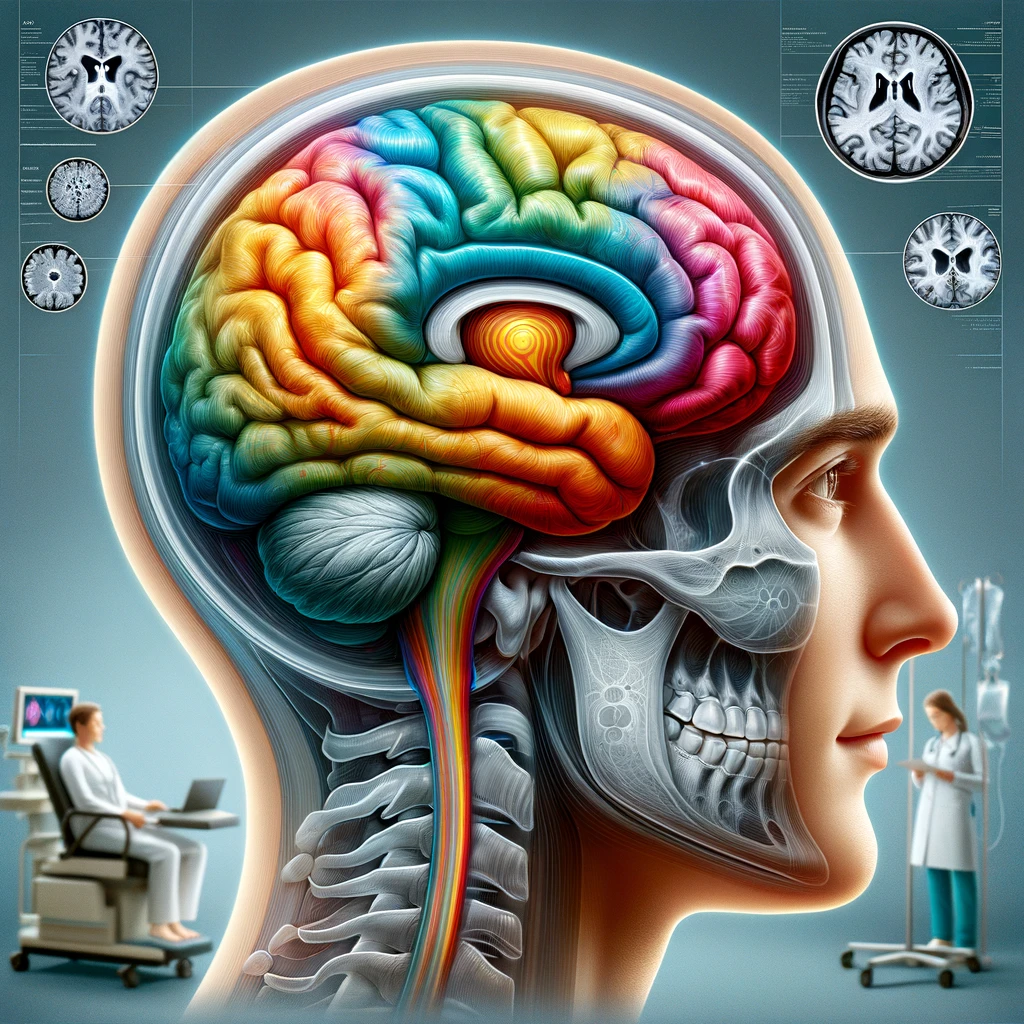

Functional dystonia is characterized by abnormal postures and movements that appear dystonic but arise from functional (non-degenerative, non-structural) mechanisms. Clinically, it often presents as a disabling movement disorder with sustained or intermittent abnormal posturing of one or more body regions, most commonly the neck, face, upper limbs, or lower limbs. Patients may report a sudden onset of symptoms, frequently occurring in the context of physical injury, pain, psychological stress, or medical procedures. The temporal profile is a key feature: symptoms often reach maximum severity rapidly, sometimes within hours or days, rather than evolving gradually over months or years as is more typical in many organic dystonias.
One of the hallmark clinical features is inconsistency of the abnormal posture or movement over time or across situations. For example, limb posturing may be pronounced during examination but diminish when the patient is distracted, engaged in tasks with the contralateral limb, or performing automatic activities such as walking or gesturing. The distribution of symptoms may also be unusual, with involvement that does not conform neatly to known patterns of organic dystonia, such as an isolated hand posture that affects all fingers equally or a neck posture that changes direction frequently during a single examination.
Fixed postures are particularly common in functional dystonia, in contrast with the more mobile, twisting, or repetitive nature of many organic dystonias. A limb may be held in an extreme flexed or extended position, often accompanied by pronounced stiffness and pain. These postures can appear suddenly and remain unchanged for prolonged periods, even months, with minimal or no spontaneous movement. Passive manipulation by the examiner may reveal inconsistent resistance: the limb may be rigid in some directions and unexpectedly yielding in others. Patients frequently describe intense discomfort or pain when attempts are made to correct the posture, and hypersensitivity to light touch or pressure is often observed over the affected area.
Paroxysmal spasms or jerks can coexist with sustained abnormal postures. These spasms may be triggered by minimal stimuli, such as touching the affected body part or asking the patient to move it, and can appear dramatic, drawing attention to the symptom. The quality of the movement may be variable and non-stereotyped, sometimes blending features of dystonia, tremor, and myoclonus within a single examination. In some individuals, an irregular tremulous component overlays a fixed dystonic posture, further contributing to the functional movement disorder phenotype.
Pain, fatigue, and sensory complaints are common accompaniments. Patients may report burning, aching, or stabbing pain around the affected joint or muscle groups, often out of proportion to visible musculoskeletal abnormalities. They might also complain of numbness, tingling, or a feeling of “disconnection” from the limb. These sensory symptoms do not usually follow dermatomal or peripheral nerve distributions and may fluctuate significantly from day to day. Sleep is often relatively preserved, with some patients reporting reduction or disappearance of abnormal postures and spasms during deep sleep, though they may reappear on awakening or with minimal provocation.
Another prominent feature is the presence of internal inconsistency and incongruity with known neurological patterns when the patient is systematically examined. Gait disturbances, for example, may show dramatic limping, dragging, or sudden knee buckling without falls, yet patients can sometimes perform complex balance tasks when distracted. An arm held in a rigid dystonic posture during strength testing may move more freely when the patient is asked to carry an object or use the hand in a functional context, such as adjusting clothing. This variability not only from session to session but even within the same consultation is characteristic of functional dystonia.
Triggers and perpetuating factors are clinically important. Many patients link the onset to a minor injury, surgery, or a period of stress and anxiety. The abnormal posture may initially develop as a protective reaction to pain or fear of movement, gradually becoming fixed and resistant to voluntary correction. Over time, maladaptive movement patterns, immobilization, and heightened focus on the affected limb reinforce the dystonic posture. Coexisting functional neurological symptoms—such as non-epileptic attacks, functional weakness, or functional gait disturbances—are common and should be actively sought, as their presence supports a functional etiology.
The psychosocial context frequently plays a role, though it is not synonymous with causation. Patients may exhibit high levels of health-related anxiety, catastrophic interpretations of bodily sensations, or preoccupation with structural damage despite negative investigations. At the same time, many patients firmly reject a psychological explanation and may experience stigma when symptoms are labeled “functional.” Careful clinical observation reveals that the severity of dystonic postures can fluctuate with attention and emotional state; for instance, the posture may worsen dramatically when the patient describes their symptoms in detail or anticipates examination, then lessen during casual conversation or distraction.
On physical examination, muscle tone in the affected region may be inconsistent, with episodes of rigid resistance alternating with periods of relative flaccidity. The pattern of muscle activation frequently does not match typical dystonic synergies; opposing muscle groups may contract in an uncoordinated fashion, and activation can spread in a non-anatomical way to distant muscles. Exam techniques that emphasize distraction, entrainment, or dual-tasking are especially informative. For example, asking the patient to perform rapid alternating movements with the unaffected limb may lead to partial normalization of posture in the affected limb or alteration of tremulous components, indicating the modifiable nature of the movement.
Children and adolescents with functional dystonia may present differently from adults. Pediatric cases often show abrupt onset of fixed or bizarre limb postures that cause refusal to bear weight or use the limb. School absence, recent stressors, or bullying may be part of the history, but significant organic pathology is typically absent. Early recognition in this age group is crucial, as symptom patterns can become entrenched if not addressed promptly. In contrast to organic childhood dystonias, which frequently have progressive or generalized patterns and a strong genetic or metabolic basis, pediatric functional dystonia is more likely to remain focal but profoundly disabling if unrecognized.
The overall clinical picture is also shaped by the patient’s interactions with the healthcare system. Repeated investigations, conflicting diagnoses, and limited explanations can inadvertently reinforce symptom focus and abnormal postures. Some patients develop elaborate compensatory strategies for everyday tasks, which may further fix maladaptive motor patterns. Others may come to rely heavily on assistive devices such as wheelchairs or braces, even when their basic strength and coordination remain relatively intact. These patterns of adaptation and reinforcement are core elements of the clinical presentation and have significant implications for subsequent physiotherapy and multidisciplinary management.
Diagnostic criteria and differentiation from organic dystonia
Diagnostic criteria for functional dystonia have evolved from an exclusion-based model to a positive, rule-in approach grounded in recognizable clinical signs. Rather than relying solely on the absence of structural lesions or genetic causes, diagnosis is based on demonstrable internal inconsistency and incongruity with known neurological patterns. Positive clinical features include abrupt onset, variable severity over short time scales, distractibility of the posture or movement, and improvement with suggestion or specific motor retraining maneuvers. A history of precipitating events—such as minor injury, surgery, or psychological stress—alongside coexisting functional neurological symptoms and high levels of symptom-focused attention further supports the diagnosis.
At the bedside, several specific signs help differentiate functional dystonia from organic dystonia. One core element is variability: the same limb may show markedly different positions and degrees of stiffness during different parts of the examination, or change rapidly in response to distraction. For example, a hand held in a clenched, dystonic posture may partially open when the patient is asked to perform rapid finger tapping with the contralateral hand or to mimic tapping with the affected hand in mid-air. Similarly, a torticollis-like neck posture that appears fixed in the examination chair may lessen when the patient turns to look at a stimulus presented unexpectedly from the side, revealing preserved range of motion inconsistent with a rigid organic condition.
Fixed postures themselves are a major diagnostic clue. In functional dystonia, an arm or leg may become locked in an extreme position almost overnight, often within days of a triggering event, and remain unchanged for weeks or months. By contrast, organic dystonia tends to evolve more gradually, with initially task-specific or intermittent symptoms that slowly generalize or become more sustained. When examining a fixed functional posture, the clinician may notice that the limb cannot be repositioned voluntarily, yet passive mobilization is possible with variable resistance that does not follow a simple spasticity or rigidity pattern. In organic dystonia, resistance is usually more consistent, with predictable activation of characteristic agonist–antagonist muscle groups.
Distractibility and suggestibility are central positive features. In functional dystonia, abnormal postures or spasms may diminish or transiently normalize when the patient’s attention is drawn away from the affected body part. Asking the patient to perform a cognitively demanding task (such as serial subtraction) while walking or moving the affected limb can lead to smoother, more coordinated movement. Conversely, symptoms may intensify when attention is directed toward the limb, for example, during detailed questioning about the posture. Simple suggestion—such as stating that a certain maneuver may help release the posture—can sometimes yield rapid, if partial, changes, a response rarely seen in organic dystonia.
Entrainment phenomena further aid distinction. In functional movement disorder presentations that include tremulous dystonic components, the tremor or jerky movements may change frequency or pattern to match a rhythmic task performed by the contralateral limb (such as tapping at a metronome-paced rhythm). This entrainment, along with variability in rhythm and amplitude within the same examination, is not characteristic of primary organic dystonic tremor, which tends to be more stereotyped and resistant to voluntary modulation.
Gait and posture testing reveal additional discriminatory features. Patients with functional leg dystonia may demonstrate dramatic dragging of the foot, knee buckling without actual falls, or highly effortful, contorted gait that remains stable despite apparently precarious mechanics. However, when distracted—for example, by turning the head to converse or stepping over obstacles—they can unexpectedly show improved balance and more normal limb trajectories. Organic dystonic gait abnormalities, while sometimes severe, typically maintain internal biomechanical coherence and do not improve substantially with distraction or dual-tasking.
Pain and sensory symptoms also contribute to differentiation. Functional dystonia frequently coexists with disproportionate pain, allodynia, or complex regional pain syndrome–like features around the affected area. Sensory complaints may be diffuse, poorly localized, or anatomically incongruent, and can wax and wane independently of visible posturing. Organic dystonia may be uncomfortable or painful but usually lacks the prominent sensory distortions, color changes, or extreme touch sensitivity that often accompany functional fixed limb postures. The presence of widespread medically unexplained pain, fatigue, or other functional symptoms such as non-epileptic attacks also tilts the probability toward a functional movement disorder.
Temporal evolution forms another pillar of differentiation. Organic dystonias related to genetic, metabolic, or neurodegenerative causes often show a predictable course: childhood-onset cases may start in a limb and gradually generalize; adult-onset focal dystonias such as cervical dystonia or blepharospasm typically progress slowly over months or years and then plateau. In contrast, functional dystonia is notorious for stepwise, non-linear patterns. Symptom onset may be abrupt, with maximal severity reached within a short period, and fluctuations can be pronounced, including partial remissions and recurrences triggered by stress, minor trauma, or changes in attention.
Ancillary investigations help exclude organic causes but are rarely diagnostic for functional dystonia by themselves. Structural brain imaging (MRI) is usually normal or shows incidental findings unrelated to the clinical picture. Genetic testing, when indicated by age at onset, family history, or associated features, may rule out known dystonia syndromes. Routine electromyography and nerve conduction studies are often normal. This absence of a structural abnormality does not define functional dystonia; rather, it complements the positive clinical signs of inconsistency and incongruity. Over-reliance on “normal tests” as the sole basis for diagnosis can be problematic, particularly if not coupled with clear explanation to the patient.
Neurophysiological testing can contribute to the differentiation in specialized centers. In organic dystonia, electromyography may reveal consistent co-contraction of agonist and antagonist muscles during posture maintenance or movement, with stereotyped activation patterns. In functional dystonia, muscle activity can be erratic, with bursts that are poorly timed, spread in a non-anatomical distribution, or change markedly across repeated trials. Techniques that assess cortical excitability or sensorimotor integration sometimes show characteristic abnormalities in organic dystonia that are absent or qualitatively different in functional cases, though these measures are primarily research tools rather than routine diagnostic tests.
Misdiagnosis between functional and organic dystonia can occur in both directions, so clinicians must maintain vigilance for red flags that suggest an underlying organic etiology. These include insidious onset in early childhood without an identifiable trigger, slowly progressive generalization from one limb to multiple body regions, clear diurnal variation suggestive of dopa-responsive dystonia, prominent parkinsonism, cerebellar signs, pyramidal tract signs, or a strong family history of dystonia or other movement disorders. Poor or paradoxical response to appropriately dosed dopaminergic therapy, botulinum toxin, or deep brain stimulation does not by itself establish a functional diagnosis, but sudden dramatic onset, marked variability, and positive functional signs do.
Conversely, red flags for functional dystonia include a history of multiple prior functional neurological diagnoses, inconsistent examination findings documented by different clinicians, presence of other functional symptoms (such as psychogenic nonepileptic seizures, functional weakness, or functional gait disturbance), and significant discrepancy between observed disability in clinic and reported functioning in daily life. For instance, a patient may attend appointments in a wheelchair due to apparent leg dystonia but be observed on video or by family members walking more freely at home under certain circumstances. Such discrepancies must be interpreted carefully and discussed transparently with the patient to avoid stigma and maintain trust.
The practical application of diagnostic criteria requires a structured, stepwise approach. First, the clinician documents the phenomenology of the abnormal posture or movement in detail, including body distribution, presence of tremor or jerks, and associated symptoms. Second, targeted examination maneuvers are used to probe for internal inconsistency, distractibility, and modulation with dual tasks. Third, the temporal profile, triggers, and psychosocial context are reviewed, including any prior injuries, surgeries, or major life stressors. Fourth, appropriate investigations are ordered selectively to exclude major organic causes based on age, family history, and examination findings, rather than as a blanket rule-out strategy.
Once sufficient positive evidence supports functional dystonia, the diagnosis should be communicated explicitly and constructively. Emphasis is placed on the fact that this is a genuine movement disorder with alterations in brain network function, not a voluntary fabrication. Highlighting the positive signs that led to the diagnosis—such as the ability of the posture to change with distraction—helps patients understand that the symptom is potentially reversible with targeted treatment and physiotherapy. Differentiation from organic dystonia is not only an academic exercise; it directly influences prognosis, guides rehabilitation strategies, and helps prevent unnecessary or invasive treatments that are unlikely to benefit a functional condition.
Neurophysiological mechanisms and pathophysiology
Understanding the neurophysiological basis of functional dystonia requires shifting from a lesion-centered view of disease to a network-based model in which abnormal patterns of brain activity and connectivity alter movement control without producing structural damage. Instead of discrete pathology in basal ganglia or corticospinal tracts, evidence points to disturbed communication between regions involved in motor planning, sensorimotor integration, attention, emotion, and self-agency. In this framework, functional dystonia can be conceptualized as a disorder of movement selection and execution in which normally automatic processes become excessively influenced by expectations, beliefs, and heightened self-monitoring.
Neuroimaging studies, particularly functional MRI, have shown altered activation within sensorimotor networks in individuals with functional dystonia compared with healthy controls and those with organic dystonia. During attempted movement or maintenance of abnormal postures, there is often abnormal recruitment of prefrontal regions, anterior cingulate cortex, and parietal association areas, alongside variable changes in primary motor and premotor cortices. This pattern suggests that voluntary movement in functional dystonia is accompanied by excessive top-down control and attentional focus, as if the brain is “overwriting” automatic motor programs with consciously monitored, effortful strategies that are inefficient and prone to failure.
Abnormalities in the sense of agency—the feeling that one is in control of one’s own movements—are central to current pathophysiological models. Experiments using tasks that probe perceived control, such as delayed visual feedback of movement or distorted proprioceptive information, indicate that patients with functional movement disorder may misattribute externally generated perturbations to self-initiated action, or conversely, experience their own movements as involuntary. This mismatch between predicted and actual sensory consequences of movement implicates disrupted forward models in parietal and cerebellar networks. When prediction error signals are persistently misinterpreted, the brain may generate or maintain abnormal postures and spasms that are experienced as outside voluntary control despite arising from the motor system itself.
Sensorimotor integration—how sensory information is used to shape and refine movement—is also disturbed. In organic dystonia, well-documented abnormalities in temporal discrimination and somatosensory processing reflect maladaptive plasticity of basal ganglia–thalamo–cortical circuits. In functional dystonia, findings are more heterogeneous, but many studies report altered somatosensory evoked potentials, atypical gating of sensory input, and abnormal cortical responses to tactile or proprioceptive stimuli. Importantly, these abnormalities are often context-dependent: they may become more pronounced when the affected body part is attended to or when symptoms are actively expressed, underscoring the dynamic role of attention in modulating sensorimotor circuits.
Electrophysiological investigations highlight distinctive patterns of muscle activation that contrast with organic dystonia. Surface electromyography frequently shows inconsistent and variable co-contraction across agonist and antagonist muscles, with sudden changes in recruitment even within a single recording session. In some patients with fixed postures, there may be surprisingly low-level or even intermittent muscle activity despite the apparently rigid appearance of the limb, indicating that biomechanical factors such as joint stiffness and soft tissue shortening have become more relevant than continuous dystonic drive. In others, bursts of activity are poorly time-locked to movement commands and spread in a non-anatomical distribution, suggesting disordered central patterning rather than a stable pathological motor program.
Cortical excitability studies using transcranial magnetic stimulation provide further insight. Organic dystonia is commonly associated with reduced intracortical inhibition and abnormal plasticity, evidenced by exaggerated long-term potentiation–like responses. In functional movement disorder, including functional dystonia, findings are more variable but often show relatively preserved or only mildly altered inhibitory circuits, with some studies demonstrating normalization when attention is diverted from the affected limb. This relative preservation suggests that the primary pathology lies not in fixed changes of synaptic plasticity but in state-dependent network dynamics that fluctuate with cognitive and emotional context.
Connectivity analyses reinforce the notion of state-dependent dysregulation. Resting-state fMRI and diffusion tensor imaging reveal altered functional and structural connectivity between limbic regions (such as the amygdala and anterior insula), prefrontal control networks, and sensorimotor cortices. Enhanced coupling between limbic areas and motor regions during symptom provocation implies that emotional salience and threat processing may directly influence motor output. At the same time, reduced effective connectivity between supplementary motor area, parietal cortex, and primary motor cortex can impair the smooth transformation of intention into action, predisposing to fragmented, effortful movements and sustained abnormal postures.
Predictive coding frameworks offer a unifying theoretical account of these findings. In this view, the brain continuously generates predictions about bodily states and compares them with incoming sensory data. When high-precision prior beliefs (for example, expectations of pain, weakness, or joint damage) dominate over incoming sensory evidence, they can shape perception and motor output to fit those expectations. In functional dystonia, strong priors about vulnerability of a limb or the necessity of protective posturing may emerge following injury, pain, or emotionally salient events. The motor system then enacts these priors as real abnormal postures or spasms, while sensory processing is biased to confirm the predicted state, locking the system into a self-sustaining loop.
This predictive coding perspective aligns with clinical observations that symptoms often begin after acute events such as minor trauma, surgery, or emotionally charged experiences, and that the resulting movement disorder persists even when tissue healing is complete. Persistent pain, hypervigilance to bodily sensations, and repeated reinforcement through healthcare encounters can further strengthen maladaptive priors. Over time, aberrant patterns of motor activation and joint positioning may lead to secondary musculoskeletal changes—contractures, soft tissue shortening, and altered proprioceptive feedback—that entrench the appearance of dystonia even when central drive becomes more variable or intermittent.
Emotional and attentional networks play a crucial role in modulating these processes. Heightened activity in the amygdala and insula during symptom-related tasks indicates that the affected limb or posture acquires a strong emotional valence, often associated with fear, disgust, or threat. This emotional coloring amplifies salience and draws attentional resources toward the symptom, further strengthening its representation in motor and sensory maps. In parallel, prefrontal regions involved in cognitive control and self-monitoring may become over-engaged, leading to excessive conscious scrutiny of movement. Such “hypervigilant” control can paradoxically disrupt fluid motor performance, as automatic subcortical circuits are overridden by stiff, effortful strategies.
The interplay between attention and movement is especially apparent when symptoms change with distraction or dual-tasking. Neurophysiologically, shifting attention away from the affected body part may reduce aberrant prefrontal and limbic input to motor areas, allowing more normal automatic motor programs to emerge. Conversely, directing attention toward the symptom—through repeated checking, mirror observation, or detailed physical examination—can transiently intensify abnormal activation patterns and exaggerate posturing. These dynamic effects underscore that functional dystonia is not a static deficit but a context-sensitive state of the motor system, strongly influenced by cognitive focus and emotional tone.
Differences from organic dystonia also emerge in the organization of motor programs. Organic dystonia is often conceptualized as a disorder of inhibitory control within basal ganglia circuits, leading to overflow of motor activity and loss of surround inhibition. In functional dystonia, basal ganglia function on conventional imaging and many physiological measures is typically preserved or only subtly altered. Instead, abnormal top-down selection of motor programs, faulty integration of sensory prediction errors, and altered weighting of emotional salience appear more central. This distinction explains why the same outward phenotype—such as a twisted neck or clenched hand—can arise from fundamentally different mechanisms in functional versus organic conditions.
Secondary adaptations within the spinal cord and peripheral nervous system may also contribute. Prolonged immobilization and disuse of an affected limb can change spinal reflex excitability and alter the gain of stretch reflex pathways, sometimes mimicking spasticity or rigidity. Soft tissue and connective structures adapt to habitual positions, solidifying fixed postures mechanically. Peripheral nociceptive input from strained joints and muscles feeds back into central pain and motor circuits, reinforcing the protective motor pattern. Although these changes are downstream of the primary functional disturbance, they can make the movement disorder more resistant to rapid reversal and must be addressed during treatment and physiotherapy.
Importantly, the absence of structural lesions does not imply normal brain function. High-resolution studies reveal that even when MRI is unremarkable, there are subtle but consistent deviations in how networks coordinate during rest, imagined movement, and actual execution of motor tasks. These deviations often normalize, at least partially, when patients recover, suggesting that the pathophysiology is plastic and reversible. Interventions that modify attention, expectations, and motor learning appear capable of reshaping network dynamics, supporting the idea that functional dystonia reflects a maladaptive but modifiable state rather than irreversible damage.
The neurophysiological understanding of functional dystonia has direct implications for how symptoms are explained and managed. Demonstrating variability of muscle activation with surface electromyography or showing changes in posture under different attentional conditions can help patients appreciate that their movement disorder has a real brain basis and is potentially reversible. Likewise, the recognition that emotional and cognitive systems are intertwined with motor control provides a rationale for integrated approaches that combine targeted physiotherapy, cognitive-behavioral strategies, and, when indicated, treatment of pain, anxiety, or depression. As research tools such as connectivity mapping and advanced electrophysiology move closer to clinical practice, they may further refine diagnosis, prognostication, and selection of individualized interventions based on specific network abnormalities.
Assessment tools and rating scales for abnormal postures
Systematic assessment of abnormal postures in functional dystonia relies on a combination of standardized rating scales, structured clinical observation, and patient-reported outcome measures. Because this is a highly heterogeneous movement disorder with variable expression across time and contexts, no single tool captures all relevant dimensions. Instead, clinicians integrate general dystonia scales, functional movement disorder–specific instruments, pain and psychological questionnaires, and objective measures such as video analysis and quantitative kinematics to obtain a comprehensive profile of severity, distribution, functional impact, and change over the course of treatment and physiotherapy.
Traditional dystonia rating scales, originally developed for organic forms of the disorder, are frequently adapted in clinical practice when evaluating functional dystonia. The Burke–Fahn–Marsden Dystonia Rating Scale (BFMDRS) is one of the most widely used tools for generalized and segmental dystonia. It includes a movement scale that rates the severity and distribution of dystonic postures and a disability scale that assesses the impact on activities such as speech, writing, feeding, and walking. In the context of functional dystonia, the movement items can quantify the apparent degree of abnormal posturing in each body region, while the disability items provide a structured estimate of daily functional limitation. However, the BFMDRS does not account for hallmark features of functional presentations such as inconsistency, distractibility, or rapid fluctuations, and it was not designed to differentiate functional from organic etiologies.
For patients with prominent cervical involvement, the Toronto Western Spasmodic Torticollis Rating Scale (TWSTRS) and its revised versions are often applied. This instrument includes subscales for the severity of head and neck postures, pain intensity, and disability. When used in individuals with functional cervical dystonia or fixed postures of the neck, it allows standardized documentation of rotation, tilt, anterocollis, retrocollis, and associated tremor-like movements. The pain subscale is particularly useful, as pain around the neck and shoulders is frequently disproportionate and a major driver of disability. Nonetheless, similar to the BFMDRS, the TWSTRS assumes a relatively stable posture pattern and does not directly capture features such as improvement with distraction or suggestion, which are central to the diagnosis of functional dystonia.
Other focal dystonia scales can be repurposed depending on the body region involved. The Fahn–Marsden Blepharospasm Rating Scale, scales for oromandibular dystonia, and various writer’s cramp assessments may be applied in case-by-case fashion. These instruments focus on the frequency and severity of blinking, jaw deviation, lip pursing, or task-specific hand postures. In functional presentations involving the face or upper limb, they can provide baseline and follow-up metrics, but clinicians must interpret scores through the lens of functional phenomenology. For example, an apparently severe hand posture that releases during distraction might score highly on a focal dystonia scale, yet the same evaluation would miss the diagnostic clue of variability that distinguishes functional from organic writer’s cramp.
Recognizing the limitations of organic dystonia scales, several instruments have been developed or adapted specifically for functional movement disorders. The Psychogenic Movement Disorders Rating Scale (PMDRS), although not limited to dystonia, is a structured tool that rates the type of abnormal movement, its distribution, amplitude, duration, and functional consequences. It also includes items for internal inconsistency, distractibility, and suggestibility. In cases of functional dystonia with fixed postures or intermittent spasms, the PMDRS can help frame the phenomenology in a standardized way and highlight positive functional signs such as abrupt onset, modulation by attention, and coexisting functional symptoms. Its use is currently more common in research settings but can be valuable in specialized clinics that manage a high volume of functional movement disorder cases.
Another important approach is the systematic description of positive functional signs using structured checklists rather than numeric scales. These checklists may note the presence or absence of features such as entrainment, variability within the same session, improvement with dual-tasking, and incongruity with known patterns of organic dystonia. While they do not provide a global severity score, they guide clinicians to document the core diagnostic features consistently across visits. This is especially relevant for multidisciplinary teams in which neurologists, physiotherapists, and psychologists must share a common language about the nature of the abnormal posture and its context-dependent changes.
Patient-reported outcome measures complement clinician-rated scales by capturing the lived experience of disability, pain, fatigue, and psychological distress. Generic health-related quality of life instruments such as the SF-36 or EQ-5D are frequently employed to gauge the broader impact of functional dystonia on physical functioning, social participation, and emotional well-being. Disease-specific quality of life questionnaires developed for cervical dystonia or generalized dystonia can also be informative, though they were not constructed with functional etiologies in mind. They often reveal a marked discrepancy between the intensity of subjective distress and the observable degree of motor impairment, a pattern that may help guide targeted psychological and rehabilitative interventions.
Pain assessment tools are particularly relevant given the high prevalence of pain in functional dystonia and fixed postures. Numeric rating scales, visual analog scales, and multidimensional questionnaires such as the Brief Pain Inventory or McGill Pain Questionnaire allow detailed documentation of pain intensity, quality, temporal pattern, and interference with daily activities. In some patients, pain questionnaires reveal widespread or migratory symptoms that extend beyond the dystonic limb or body part, supporting the broader context of central sensitization and functional pain mechanisms. Tracking pain scores over time is essential for evaluating the effects of treatment and physiotherapy, especially when the primary therapeutic goal is reduction of pain and improvement in function rather than complete resolution of abnormal postures.
Psychological and psychosocial assessment tools also play a key role. Standardized measures of anxiety, depression, somatic symptom burden, trauma history, and illness beliefs—such as the Hospital Anxiety and Depression Scale, Patient Health Questionnaire, Somatic Symptom Scale, or illness perception questionnaires—help identify factors that may modulate symptom severity and complicate rehabilitation. While these instruments do not diagnose functional dystonia per se, they contextualize the movement disorder within the broader framework of the patient’s emotional state, coping strategies, and expectations of recovery. Changes in psychological scores over time can serve as important outcome markers alongside motor ratings.
Objective recording of movement using video is now considered a standard component of the assessment of abnormal postures and spasms. High-quality video documentation across multiple tasks—rest, posture maintenance, voluntary movement, distraction, dual-tasking, and gait—allows careful review of internal inconsistency, entrainment, and context-dependent changes that might be missed in real time. Comparing baseline and follow-up recordings provides a visual index of response to treatment and physiotherapy. In addition, video material can be used, with informed consent, as a therapeutic tool for feedback, helping patients observe how their posture changes under different conditions and supporting explanations about the functional nature and potential reversibility of the disorder.
Quantitative movement analysis and kinematic assessment further refine evaluation in specialized centers. Wearable sensors, motion capture systems, and inertial measurement units can measure joint angles, velocity, acceleration, and movement variability during tasks such as walking, reaching, or maintaining a posture. In functional dystonia, these techniques often reveal irregular, non-stereotyped patterns of activation, abrupt transitions between postures, and normalization of movement parameters during distraction or dual-tasking. Objective metrics—such as range of motion, speed of limb trajectory, or time spent in a fixed position—can serve as sensitive outcome measures for clinical trials and intensive rehabilitation programs, capturing improvements that might not be fully appreciated through routine bedside examination.
Electrophysiological recordings, especially surface electromyography (EMG), are sometimes incorporated into assessment protocols as both diagnostic and outcome tools. EMG can quantify the distribution, timing, and amplitude of muscle activation across agonist and antagonist groups during rest, attempted voluntary movement, and maintenance of abnormal postures. In functional dystonia, EMG frequently demonstrates inconsistent co-contraction, intermittent bursts of activity, or surprisingly low tonic activation despite the visual impression of a rigid limb. By repeating EMG under different conditions—such as distraction, suggestion, or guided motor retraining—clinicians can objectively demonstrate modifiability of the pattern, which may reinforce the rationale for active rehabilitation and help monitor progress.
Assessment of functional capacity and participation in everyday activities is another critical dimension. Scales such as the Functional Independence Measure, Barthel Index, or other activity-based instruments (e.g., timed up-and-go, 10-meter walk test, hand function tests) are commonly adapted to patients with functional dystonia. These tests quantify how abnormal postures and spasms interfere with walking, transfers, self-care, and fine motor tasks, and they provide practical benchmarks for rehabilitation goals. For instance, a patient with functional leg dystonia might initially require assistive devices and show markedly prolonged walking times; repeated measurements over the course of physiotherapy can document gains in speed, endurance, and confidence even if some residual posturing persists.
The choice of assessment tools is strongly influenced by the intended purpose—diagnostic clarification, baseline characterization, monitoring of natural history, or evaluation of specific interventions. In routine clinical practice, a pragmatic battery typically includes a structured neurological examination documented with video, a focal or generalized dystonia scale adapted to the body region involved, at least one generic quality of life measure, and simple pain and mood questionnaires. In research or specialized rehabilitation settings, this core battery is often supplemented with the PMDRS or similar functional movement disorder scales, detailed kinematic analysis, and comprehensive psychological profiling. Whatever combination is used, consistency across time is crucial: employing the same tools at baseline and follow-up ensures that observed changes reflect true clinical evolution rather than measurement artifacts.
Importantly, assessment tools not only quantify impairment but can themselves be integrated into patient education and therapeutic planning. Demonstrating on video how a fixed posture partially resolves during distraction, or showing EMG traces that normalize when attention is shifted, can help patients understand that the disorder arises from reversible changes in brain networks rather than permanent damage. Similarly, tracking improvements in walking distance, hand function, or quality of life scores can reinforce engagement with treatment and physiotherapy, especially when overt postural abnormalities improve more slowly. In this way, rating scales and objective measurements function as both clinical instruments and motivational aids within a multidisciplinary approach to functional dystonia and abnormal postures.
Therapeutic approaches and rehabilitation strategies
Therapeutic management focuses on changing abnormal movement patterns, reducing pain and disability, and restoring confidence in normal movement rather than eradicating every visible abnormal posture. A core principle is that functional dystonia is a reversible movement disorder arising from altered brain network function, so interventions aim to “retrain” the nervous system rather than compensate for irreversible damage. This requires an integrated approach in which neurologists, physiotherapists, occupational therapists, psychologists, pain specialists, and, when relevant, rehabilitation physicians work from a shared formulation of the problem and a consistent explanation provided to the patient.
The explanation of diagnosis is itself a key therapeutic intervention. When patients understand that their symptoms are genuine but driven by modifiable patterns of brain activity, engagement in active rehabilitation strategies increases substantially. Clinicians typically emphasize three linked messages: first, that functional dystonia is common and recognized in neurology; second, that positive clinical signs (such as variability, distractibility, and partial normalization during specific tasks) show that the movement system can still produce normal movement; and third, that targeted physiotherapy and self-directed practice can harness this preserved capacity. Linking the explanation to concrete observations from the examination—such as a fixed posture that briefly relaxes during distraction—helps patients see their own evidence for reversibility and makes subsequent motor retraining more acceptable.
Physiotherapy is the cornerstone of rehabilitation and is most effective when it uses principles specifically adapted to functional movement disorders rather than generic strengthening or range-of-motion exercises. Traditional approaches that focus on stretching, bracing, or passively correcting fixed postures often fail or even reinforce abnormal patterns by increasing attention to the symptom and conveying the message that the limb is damaged. In contrast, modern physiotherapy protocols emphasize relearning automatic, efficient movement with minimal symptom focus. Therapists structure sessions to shift attention away from the affected body part, use external goals (such as reaching for targets or walking to a marker), and positively reinforce normal movement patterns whenever they appear, even briefly.
Motor retraining typically proceeds in graded steps. For an upper limb held in a clenched or twisted posture, the initial focus may be on relaxing proximal muscles and re-establishing a neutral resting position of the shoulder and elbow before addressing fine movements of the hand. Therapists often use “adjacent” or “remote” movement strategies: asking the patient to move the contralateral limb, trunk, or head in a coordinated way, or to perform bilateral symmetrical movements, can facilitate partial normalization of the affected limb. Once small segments of normal movement are identified, they are practiced repeatedly in short, frequent bursts with high success rates, gradually chained into more complex tasks. The aim is to build a new default motor pattern that feels automatic and requires little conscious monitoring.
Distraction and dual-tasking are powerful tools within physiotherapy. Patients might be asked to perform cognitive tasks—counting backwards, naming animals, or responding to simple questions—while walking, reaching, or maintaining a posture. This draws attentional resources away from the affected limb and often allows more fluid movement to emerge. Therapists then highlight these moments, using feedback such as “notice how your leg moved more smoothly when you were talking” to consolidate the association between reduced self-monitoring and improved motor control. Over time, tasks are made more complex and more closely resemble real-life activities, such as carrying objects while walking or performing bimanual tasks that require coordination between limbs.
For individuals with fixed postures of the hand, foot, or neck, gradual exposure to alternative positions is usually preferable to forceful correction. The therapist may begin by gently exploring tiny ranges of motion in directions that provoke the least resistance or pain, sometimes using gravity-eliminated positions or water-based therapy to reduce mechanical load. Visual feedback—such as watching the limb in a mirror or on video—can help recalibrate distorted proprioception but must be used cautiously to avoid excessive symptom focus. Techniques like mirror therapy or imagined movement can serve as intermediate steps when active motion is initially difficult; the patient is encouraged to visualize smooth, pain-free movement while viewing the unaffected limb or a video of normal movement, then transition to small active movements that match the imagery.
Task-specific gait retraining is central when legs are affected. Therapists analyze gait in detail and identify elements that are preserved—such as weight shifting, stepping with one leg, or turning—and use these as anchors for building a more normal walking pattern. Strategies may include treadmill training with partial body-weight support, stepping over obstacles, walking to music or a metronome, or using external cues such as floor markings. Frequent rests and changes in task parameters help prevent fatigue and reduce fixation on symptoms. As gait improves, the patient practices walking in increasingly challenging environments—stairs, uneven surfaces, community settings—while maintaining attention on external goals (destination, conversation, surrounding environment) rather than on the appearance of their legs.
Occupational therapy complements physiotherapy by translating improved motor control into meaningful daily activities. Therapists work on self-care tasks (dressing, grooming, feeding), domestic activities (cooking, cleaning), and vocational or educational roles, modifying tasks and environments to minimize disability while encouraging active use of the affected body part. Graded exposure to avoided activities is particularly important, as many patients have developed strong anticipatory anxiety or fear of movement (kinesiophobia). For instance, a patient with functional dystonia of the hand who has stopped writing or typing may begin with short, low-pressure tasks such as signing their name or tapping keys without producing text, gradually progressing to longer writing sessions and real work demands as confidence and control improve.
Pain management strategies are integrated with motor retraining, not treated in isolation. Analgesic medications—nonsteroidal anti-inflammatory drugs, neuropathic pain agents like gabapentinoids or certain antidepressants, and occasionally opioids—may be used judiciously to create a therapeutic window in which movement becomes tolerable, but the emphasis is on non-pharmacological approaches. These include graded activity pacing, desensitization techniques (such as gentle tactile stimulation progressing to more intense contact), relaxation training, and cognitive-behavioral strategies that address catastrophic interpretations of pain. When complex regional pain syndrome–like features coexist, early mobilization, avoidance of immobilizing splints, and close coordination between pain and rehabilitation teams are crucial to prevent further entrenchment of abnormal postures.
Psychological therapies are not aimed at proving that symptoms are “all in the mind” but at modifying the cognitive, emotional, and behavioral factors that sustain abnormal motor patterns. Cognitive-behavioral therapy (CBT) is the most studied approach and focuses on identifying unhelpful beliefs (for example, that movement inevitably causes damage or that rest is the only safe option), reducing avoidance behaviors, managing anxiety and mood symptoms, and supporting adherence to physiotherapy. CBT can be delivered individually or in groups and is often tailored to the specific challenges of functional movement disorders, incorporating psychoeducation about predictive coding, the role of attention in amplifying symptoms, and the link between stress and motor control. Other modalities, such as acceptance and commitment therapy, psychodynamic therapy, or trauma-focused interventions, may be appropriate when there is a history of significant trauma or when interpersonal patterns strongly influence illness behavior.
Education and involvement of family members or caregivers are frequently necessary, especially in children and adolescents. Families may unintentionally reinforce disability by providing excessive assistance, excusing all activity, or repeatedly seeking medical reassurance. Structured family sessions can explain the rationale for active rehabilitation, set boundaries around sick-role behaviors, and develop consistent responses that encourage independence and participation in school, work, or social activities. In younger patients, school reintegration plans and coordination with educators help prevent long-term academic and social disruption, which can otherwise perpetuate symptoms and secondary psychological problems.
Pharmacological treatments play a supportive, rather than primary, role. Drugs used for organic dystonia—such as anticholinergics, benzodiazepines, or dopamine-related agents—rarely produce consistent benefit in functional dystonia and risk side effects that further limit function. Botulinum toxin injections into overactive muscles may be considered cautiously when there is clear evidence of genuine, sustained overactivity contributing to pain or risk of contracture, but indiscriminate use can reinforce illness beliefs and reduce opportunities for active motor retraining. More commonly, medication is targeted at comorbid conditions: antidepressants for major depressive disorder or significant anxiety, sleep agents for severe insomnia, and medications for chronic pain syndromes. These treatments aim to improve overall capacity to engage in rehabilitation rather than directly altering dystonic postures.
Specialized inpatient or day-hospital rehabilitation programs can be transformative for patients with severe disability, prolonged symptoms, or extensive fixed postures that have not responded to outpatient care. Such programs typically offer intensive, daily physiotherapy and occupational therapy combined with psychological treatment, education sessions, and social work support. A common structure involves several hours of motor retraining per day, embedded within a group setting that normalizes the experience of functional neurological disorders. Clear, consistent messaging from the entire team about the diagnosis and treatment rationale helps counteract previous mixed messages from multiple providers. Program outcomes frequently demonstrate meaningful gains in walking distance, upper limb function, and independence, even when abnormal postures do not fully resolve.
Emerging approaches use technology to augment conventional therapy. Virtual reality environments, for example, can immerse patients in tasks that require coordinated use of the affected limb while diverting attention away from symptom monitoring. Video-based feedback can show patients instances where their posture or gait normalized during distraction, reinforcing awareness of preserved movement capacity and promoting self-efficacy. Wearable sensors or smartphone applications can track activity levels, prompt regular practice of exercises, and provide real-time cues or feedback about posture. While research is ongoing, early studies suggest that these tools can increase engagement, objectify progress, and support maintenance of gains after discharge from structured rehabilitation.
Neuromodulation techniques, such as repetitive transcranial magnetic stimulation (rTMS) or transcranial direct current stimulation (tDCS), are under investigation as adjunctive treatments. Preliminary work suggests that stimulating motor or prefrontal regions may transiently enhance motor cortex excitability or modulate attention and emotional regulation, potentially making the nervous system more receptive to motor retraining. However, evidence remains limited, and these techniques are not standard care. When considered, they should be embedded within a comprehensive program that includes active physiotherapy and psychological interventions rather than used as stand-alone treatments.
Management strategies must also account for the secondary musculoskeletal changes that can occur after prolonged abnormal posturing, such as joint contractures, soft tissue shortening, and altered spinal alignment. Early detection and prevention are ideal; clinicians encourage active movement, discourage prolonged immobilization, and use splints or orthoses sparingly and time-limited, primarily at night or for brief periods to maintain joint position without undermining efforts at motor retraining. In advanced cases with fixed structural deformities, orthopedic interventions may occasionally be required, but only after careful consideration of their potential impact on functional patterns and in parallel with intensified rehabilitation to prevent symptom substitution into new regions.
For many patients, vocational rehabilitation is a critical component of long-term management. Occupational therapists and vocational counselors assess job demands, physical requirements, and workplace dynamics, proposing modifications, graduated return-to-work plans, or role changes as needed. Addressing workplace stressors that may have contributed to symptom onset or perpetuation—such as high physical load, repetitive tasks, or interpersonal conflict—is important. Gradual increase in hours and responsibilities, with explicit focus on functional goals rather than symptom elimination, helps prevent relapse and supports sustained participation in employment or education.
Follow-up care is organized around reinforcement of gains and early identification of setbacks. Regular outpatient reviews, even if brief, provide opportunities to revisit the explanatory model, troubleshoot emerging barriers, and adjust physiotherapy or psychological input. Relapse prevention strategies are discussed explicitly: patients learn to recognize early warning signs such as increasing attention to bodily sensations, rising avoidance of activity, or escalation of stress without adequate coping. Action plans may include temporarily intensifying home exercises, scheduling booster therapy sessions, or using previously helpful cognitive and behavioral strategies to prevent minor fluctuations from evolving into full-blown recurrence of fixed postures or spasms.
Across all these therapeutic and rehabilitation strategies, the central thread is active, collaborative work between patient and multidisciplinary team. Interventions are framed not as passive “treatments done to” the patient, but as skills and habits that the patient can acquire and refine. By combining a clear, brain-based explanation of functional dystonia with targeted physiotherapy, psychological support, and careful management of pain and comorbidities, many individuals achieve substantial improvement in function and quality of life, even when some visible abnormal posturing persists. Consistency of message, persistence of effort, and flexibility in adapting techniques to the individual patient’s context determine the overall success of the rehabilitation process.