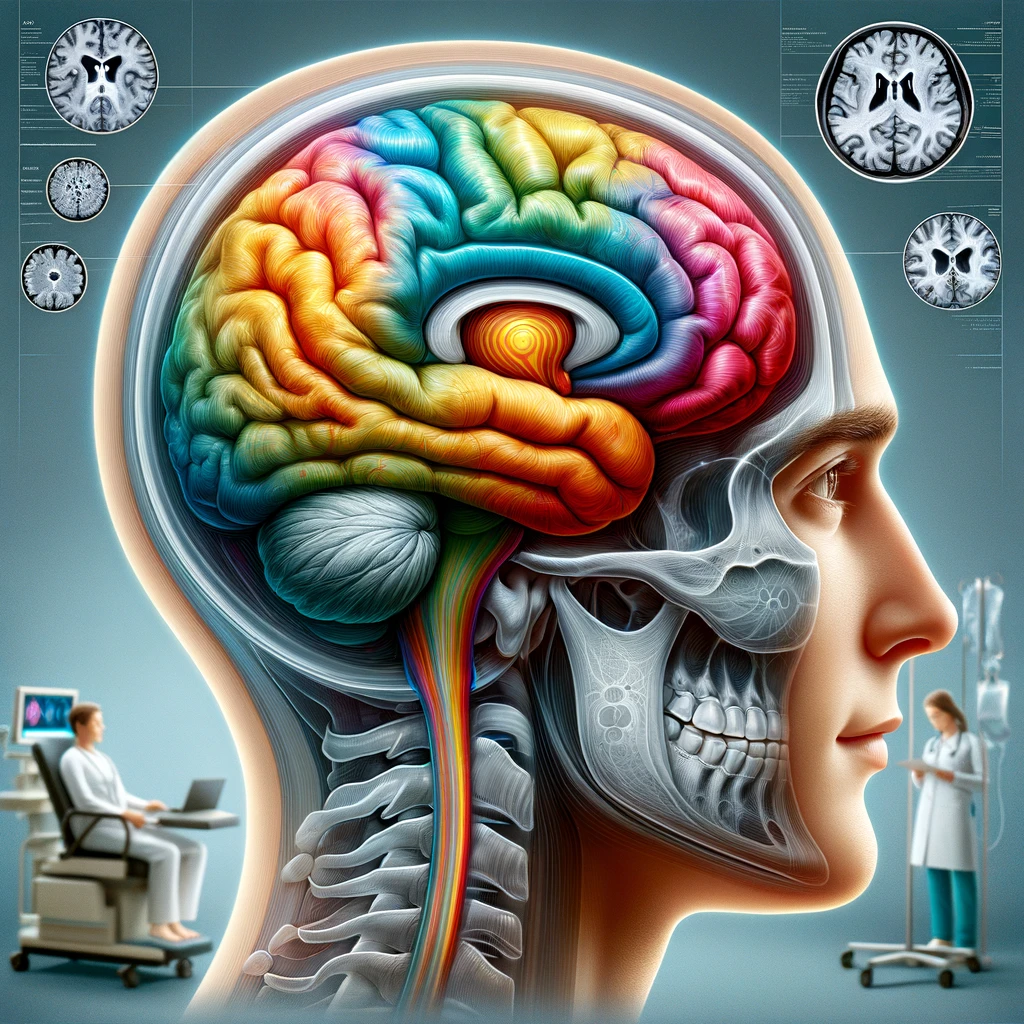

Functional sensory symptoms are changes in how a person experiences sensations—such as touch, temperature, pain, vibration, or movement—that arise from altered nervous system functioning rather than structural damage or disease. People may report numbness, tingling, burning, electric shock–like feelings, tightness, or a sense that a limb is swollen, heavy, or not belonging to them, despite normal findings on standard neurological investigations. These symptoms are genuine, can be as disabling as those caused by neurological diseases, and reflect a problem with how the brain is processing and interpreting sensory information, not a problem that the patient is imagining or exaggerating.
In functional neurological disorders, including functional sensory symptoms, the brain is understood to be working “too much” or “in the wrong way” rather than “not at all.” Modern models emphasize disturbed networks of attention, expectation, emotion, and bodily perception. Predictive processing theories propose that the brain constantly generates predictions about bodily sensations and then compares them with incoming signals. When predictions become overly strong or biased—often shaped by past experiences, beliefs about illness, or heightened self-monitoring—they can override normal sensory input. The result is the subjective experience of sensory loss or abnormal sensations, even though neural pathways and tissues remain structurally intact.
These symptoms often show internal inconsistency, which means they may vary in intensity, distribution, or quality over time or across situations. A person might experience a dense area of numbness that has a sharp, straight border at the wrist or shoulder, unlike the pattern of nerve or spinal cord lesions. Another individual might have tingling that spreads rapidly from one side of the body to the other or fluctuates dramatically over minutes. Such patterns do not align with the anatomy of peripheral nerves or central pathways but instead reflect functional changes in attention and perception. Variability with distraction, stress, fatigue, or task demands is common and is a hallmark of functional conditions.
Psychological and social factors frequently interact with biological vulnerability to shape functional sensory symptoms. Many patients can identify triggers such as acute stress, chronic interpersonal conflict, physical injury, pain, or medical procedures that focused attention on a body region. For example, a minor hand injury may heal physically, yet heightened worry and monitoring of the hand can maintain or amplify perceived numbness and tingling. However, significant stressors are not always present or easily identifiable, and the absence of clear psychological trauma does not invalidate the diagnosis. It is more accurate to see functional sensory symptoms as resulting from a combination of predisposing traits, precipitating events, and perpetuating factors rather than from a single cause.
Attention plays a central role in how these symptoms develop and persist. When people become highly focused on a particular part of the body—often due to pain, fear of disease, or previous health scares—normal background sensations can be amplified or misinterpreted as abnormal. This heightened attention makes the sensations more vivid and distressing, which in turn increases monitoring and concern. Over time, a self-reinforcing cycle can emerge in which expectations of sensory disturbance and worry about its meaning shape what is felt. This is why some patients notice that symptoms lessen during engaging activities and worsen when they are alone, anxious, or constantly checking their body.
Cognitive factors such as beliefs, expectations, and prior experiences heavily influence functional sensory symptoms. People who hold strong beliefs that bodily symptoms must always indicate serious physical disease may interpret common, benign sensations as evidence of nerve damage or stroke. Catastrophic thinking—imagining the worst possible outcome—can intensify sensations and heighten distress. Previous exposure to illness in oneself, family members, or via media can provide a template for how symptoms should feel and spread. The brain may then unconsciously “follow the script,” generating sensory patterns that resemble the feared illness, even when medical tests are normal.
Emotional processes and autonomic arousal further contribute to the experience of functional sensory symptoms. Anxiety activates the sympathetic nervous system, which can cause sweating, rapid heartbeat, and changes in blood flow that people may feel as tingling or coldness. Hyperventilation during panic or severe worry can lead to widespread tingling, tightness around the mouth, or hand and foot paresthesias. Over time, individuals can become conditioned to associate certain bodily sensations with threat, so that even minor fluctuations in temperature or pressure trigger anxiety and more intense symptoms, maintaining a cycle between bodily sensations and emotional responses.
Despite the involvement of psychological and emotional factors, functional sensory symptoms are not voluntary or fabricated. They occupy a middle ground between purely “physical” and purely “psychological” illnesses, challenging traditional divisions. Neuroimaging research suggests altered connectivity in networks involved in attention, emotion regulation, motor and sensory control, and self-representation. These findings support the view that functional symptoms reflect maladaptive but reversible brain processes. Recognizing this helps reframe the problem as something that can improve with targeted treatment, including sensory retraining and education, rather than a fixed or degenerative condition.
Functional sensory symptoms can affect any modality of sensation. Beyond numbness and tingling, some individuals describe unusual temperature sensations, perceived swelling without visible change, or a sense that a limb is missing, hollow, or made of a foreign material. Others experience distortions in how large or small a body part feels. Some patients may report vision changes such as blurring, double vision, non-specific darkening, or tunnel vision without corresponding findings on eye examination. Similarly, hearing symptoms like intermittent muffling, buzzing, or reduced hearing may occur despite normal audiological testing. These manifestations reflect altered central processing of sensory input rather than damage to eyes, ears, or peripheral nerves.
The pattern of distribution is often distinctive. Whole-limb or hemibody symptoms that stop at the midline of the body are common in functional presentations but unusual in structural neurological disease. Patients may report sensory loss confined exactly to one side of the face and body or neatly demarcated at a joint. Occasionally, symptoms shift sides or move in ways inconsistent with nerve or spinal cord injury. Such manifestations can be confusing for patients, who may interpret them as signs of worsening disease. In reality, the changing nature of symptoms points to functional reorganization, which is typically more amenable to rehabilitation than fixed structural damage.
Coexisting functional neurological symptoms are frequent in individuals with functional sensory changes. Weakness, tremor, gait disturbances, non-epileptic attacks, or difficulties with speech may accompany or alternate with sensory complaints. Chronic pain, fatigue, dizziness, and cognitive fog are also commonly reported. This clustering reflects shared underlying mechanisms—particularly dysregulated attention, heightened bodily awareness, and altered predictive processing. Recognizing these overlapping symptoms helps clinicians and patients understand that the problem involves the broader sensorimotor system and brain networks, not just a single nerve or organ.
The lived experience of functional sensory symptoms can be profoundly disruptive. People may worry they have a serious, undiagnosed neurological disease despite repeated reassurance and normal investigation results. Fear of sudden loss of function can lead to avoidance of driving, work, or social activities. Some individuals modify the way they use limbs perceived as weak or numb, which can cause deconditioning, pain, and further reinforcement of symptoms. Others feel misunderstood or dismissed when tests are normal yet symptoms persist, contributing to frustration, low mood, or mistrust of healthcare professionals.
Understanding how functional sensory symptoms arise and persist is crucial for designing effective management strategies. Clear, nonjudgmental explanations help distinguish functional symptoms from malingering or imagined illness and validate the reality of the person’s experience. Conceptualizing the problem as one of misfiring but changeable brain networks opens the door to interventions that target attention, beliefs, movement, and sensation. Approaches that combine education, sensory retraining, and graded behavioral changes are more effective when both clinicians and patients share a coherent understanding of the mechanisms behind functional sensory symptoms and the reasons they can improve over time.
Clinical assessment and differential diagnosis
Assessment begins with a careful, structured history that gives patients time to describe their symptoms in detail and in their own words. Clinicians explore the onset, evolution, and day-to-day pattern of symptoms such as numbness, tingling, temperature changes, or vision changes, asking what makes them better or worse. Clarifying whether symptoms appeared abruptly or gradually, remained fixed or fluctuated, and whether they relate to specific positions, times of day, or activities can help distinguish functional presentations from structural neurological disease. It is equally important to ask about the impact on daily life, work, and relationships, as functional sensory symptoms often cause disproportionate disability relative to objective findings.
The phenomenology of the reported sensations provides valuable diagnostic clues. Patients may describe sensory loss with sharply demarcated borders that do not correspond to peripheral nerve, dermatomal, or cortical patterns, such as a line of numbness exactly at the shoulder or hip joint or a “stocking” distribution that extends well above the knee in a uniform band. Hemisensory symptoms affecting the entire side of the body, including the face, arm, and leg, that stop exactly at the midline are highly suggestive of a functional pattern. Shifting symptoms that migrate from one limb to another over hours or days without a unifying anatomical explanation also support a functional etiology.
Variability and internal inconsistency are central features that should be systematically probed. During the history, clinicians can ask whether the numbness or tingling ever improves when the person is distracted, immersed in an engaging activity, or under time pressure, such as at work. Some individuals may spontaneously note that symptoms are much less noticeable on vacation or when concentrating deeply on a task. Others may report episodes of near-normal sensation that contrast sharply with more severe episodes. These fluctuations, particularly when independent of clear vascular or inflammatory triggers, point away from fixed structural lesions and toward functional disturbances in attention and perception.
A detailed past medical, psychiatric, and psychosocial history is essential but should be approached in a way that avoids implying that symptoms are “all in the mind.” Clinicians inquire about previous neurological or medical diagnoses, chronic pain, fatigue, or dizziness, as well as anxiety, depression, trauma, or major life stressors. Questions about recent injuries, surgeries, or medical procedures can reveal precipitating events that focused attention on a body area. Exploring health beliefs, prior experiences with illness in family members, and exposure to media portrayals of neurological disease can help identify expectations that might shape the pattern of symptoms, while making it clear that these factors interact with brain processes rather than “causing” symptoms through willpower.
Objective examination complements the history and often contains the most persuasive evidence for a functional diagnosis. A full neurological examination is performed, with particular attention to light touch, pinprick, vibration, proprioception, temperature, and cortical sensory functions such as graphesthesia and two-point discrimination. In functional presentations, findings may show a “splitting” of sensation exactly at the midline of the body or face, or a glove-and-stocking distribution of sensory loss that is uniform and sharply cut off at joints. Sensation over the trunk may be normal despite complete sensory loss reported in an entire limb, or vice versa, creating patterns that do not align with nerve root, plexus, or spinal cord topography.
Inconsistency between different testing methods is another hallmark. For example, a patient may report complete numbness to light touch on one side of the face but blink normally to a cotton wisp near the eye on that same side. Someone who describes dense sensory loss to pinprick in a limb may nevertheless withdraw the limb quickly from a painful stimulus when their attention is directed elsewhere. Vibratory sense tested with a tuning fork may be reported as absent at the ankle while being perceived normally at the toes, which is physiologically implausible. These paradoxical findings, when carefully documented, support a functional diagnosis and help differentiate it from malingering, which typically involves more consistent, scripted performance.
Distractibility tests and comparison of active versus passive tasks are particularly informative. During formal testing, sensation might appear markedly reduced, yet during casual conversation, the patient may spontaneously scratch, adjust, or protect the supposedly numb limb in a way that implies preserved sensation. Testing with dual tasks, such as asking the patient to count backward or perform a cognitive task while sensation is examined, can reveal improved responses when their attention is divided. Similarly, sensory extinction tests, where stimuli are applied to both sides of the body simultaneously, may show variable responses that do not conform to recognized cortical lesion patterns. These discrepancies are not tricks; they are positive clinical signs of functional symptoms.
Functional sensory symptoms frequently coexist with other functional neurological signs, and identifying these can strengthen diagnostic confidence. Examination may reveal functional weakness characterized by collapsing or “give-way” strength, Hoover’s sign, or inconsistency between movements performed automatically versus those done on command. Tremor that changes with distraction, gait disturbance that improves when walking backward or to a rhythm, or episodes of non-epileptic attacks with preserved awareness of surroundings may also be present. Recognizing this broader pattern reduces the temptation to attribute each symptom to separate structural disorders and instead supports a unified diagnosis involving functional changes within sensorimotor networks.
While the diagnosis of functional sensory symptoms relies primarily on clinical features, targeted investigations are usually necessary to exclude common structural or metabolic causes and to reassure both patient and clinician. Routine blood tests may assess for diabetes, vitamin B12 deficiency, thyroid dysfunction, autoimmune disease, or infection when clinically indicated. Neuroimaging of the brain and spinal cord can help rule out stroke, demyelination, tumors, or compressive lesions in individuals with atypical or progressive symptoms. Nerve conduction studies and electromyography may be ordered when peripheral neuropathy, radiculopathy, or plexopathy is suspected, while ophthalmologic or audiologic evaluations address specific vision changes or hearing symptoms.
The crucial point in ordering and interpreting tests is that normal findings do not merely “fail to show anything”; they positively support a functional diagnosis when combined with characteristic history and examination signs. A structurally intact nervous system that nevertheless produces disabling symptoms is consistent with altered brain network function rather than hidden disease. Over-investigation, however, can be harmful, reinforcing illness preoccupation and the belief that something has been missed. Clinicians therefore aim for a rational, hypothesis-driven approach to testing, explaining in advance why particular investigations are or are not needed and how their results will inform management.
Differential diagnosis requires systematic consideration of conditions that can mimic functional sensory symptoms. In acute presentations with sudden hemibody numbness, stroke or transient ischemic attack must be promptly excluded through appropriate imaging and vascular assessment. Demyelinating diseases, such as multiple sclerosis, may initially present with patchy paresthesias or visual disturbances; red flags include objective neurological deficits, Lhermitte’s sign, optic neuritis, or characteristic lesions on MRI. Inflammatory or compressive myelopathies can cause sensory levels and gait disturbance; the presence of sphincter dysfunction, increased reflexes, or a clear sensory level should prompt detailed spinal imaging and further investigation.
Peripheral neuropathies and radiculopathies occupy another prominent place in the differential. Length-dependent neuropathies typically cause distal, symmetric symptoms in a stocking or stocking-glove pattern, often accompanied by reduced or absent ankle reflexes and objective loss of vibration and pinprick. Radiculopathy usually follows a dermatomal distribution with associated back or neck pain and focal weakness in muscles sharing the same root. By contrast, functional symptoms may encompass entire limbs, skip over anatomical territories, or show near-normal reflexes and strength despite profound subjective complaints. Careful mapping of sensory changes and correlation with muscle weakness and reflex abnormalities are key to distinguishing these entities.
Other medical conditions that may masquerade as or coexist with functional sensory symptoms include migraine aura, partial seizures, metabolic disturbances such as hypocalcemia, and hyperventilation-related paresthesias. Migraine aura often produces spreading, transient sensory symptoms associated with visual or language phenomena and characteristic headache features. Focal seizures may cause stereotyped, brief sensory events with or without altered awareness. In contrast, functional symptoms more typically persist for longer periods, vary with attention and context, and lack consistent electrophysiological correlates. When uncertainty remains, short-term observation, repeat assessment, or targeted electroencephalography may be warranted.
Psychiatric conditions, particularly anxiety disorders, depression, somatic symptom disorder, and post-traumatic stress disorder, can also present with prominent bodily symptoms, including numbness, tingling, and pain. However, psychiatric comorbidity does not preclude a functional neurological diagnosis; rather, the two frequently overlap. The clinician’s task is not to decide whether symptoms are “psychiatric” or “neurological,” but to determine whether they are best explained by structural disease, functional neurological disorder, or another medical or psychiatric condition. A collaborative, non-stigmatizing approach, in which psychiatric symptoms are screened for and addressed as part of comprehensive care, yields better outcomes than attempting to separate mind and body.
Translating the clinical assessment into a clear diagnosis involves synthesizing positive signs of functional symptoms, the absence of evidence for structural disease, and the presence of plausible psychological and contextual factors without overemphasizing any single element. A functional diagnosis should not be based solely on normal tests or the presence of stress, nor should it rest only on atypical symptom descriptions. Instead, clinicians look for a consistent pattern: disproportionate disability, fluctuating symptoms, incongruent or internally inconsistent examination findings, and co-occurring functional features across sensory, motor, or cognitive domains. When this pattern is robust, the diagnosis can be made with confidence, paving the way for targeted sensory retraining and education rather than further endless investigation.
Throughout the assessment, communication style matters as much as the technical elements of diagnosis. Patients often fear that normal tests will lead clinicians to dismiss their complaints as imagined or exaggerated. Taking time to validate the reality of the person’s suffering, explaining why specific signs point to a functional mechanism, and emphasizing that the condition is common and potentially reversible help build trust. Framing the clinical findings as positive evidence of how the nervous system is misprocessing information, rather than as proof that “nothing is wrong,” lays the groundwork for subsequent treatment discussions and for an active, collaborative approach to recovery.
Communication of the diagnosis to patients
How the diagnosis is explained often has more impact on outcome than the specific wording of the label. Many people with functional sensory symptoms have experienced previous encounters where they felt disbelieved or told “nothing is wrong” after normal investigations. When introducing the diagnosis, it is essential to begin by validating that the symptoms are real, common, and can be disabling. Statements such as “I can see that this numbness is causing you a lot of difficulty” and “What you are feeling is genuine and not something you are making up” help reduce anticipatory defensiveness and fear that the problem will be dismissed.
Instead of framing the discussion around what the patient does not have, it is more effective to offer a clear “rule-in” explanation based on positive clinical findings. Describing the specific signs seen on examination—for example, midline splitting of sensation, inconsistent sensory loss, or improvement with distraction—shows that the diagnosis arises from observed patterns rather than from the absence of disease. Phrases like “Your examination showed changes that we recognize as part of a functional sensory problem” or “The way your symptoms changed when you were focusing on another task is a typical feature we see in this condition” help patients understand that a recognizable disorder has been identified.
The language used to describe functional sensory symptoms should be straightforward, nontechnical where possible, and free of terms that imply fabrication or weakness of character. Many patients react negatively to words like “psychogenic,” “all in your head,” or “medically unexplained.” Instead, clinicians can explain that the nervous system is “not damaged, but not working properly” or that there is a “software problem rather than a hardware problem” in the brain. Linking this to everyday experiences—such as how strong emotions can cause a racing heart, sweaty palms, or a “lump in the throat” without any structural abnormality—helps normalize the idea that the brain can generate bodily sensations without visible damage.
Providing a simple working model of the condition supports understanding and adherence to treatment. One approach is to describe how, after a trigger such as pain, injury, illness, or stress, brain networks involved in attention and perception can become overly focused on a particular body area. This heightened monitoring, combined with expectations and worry, can change how sensations are processed, leading to persistent tingling or numbness even though the nerves are intact. Emphasizing that the brain is changeable and capable of “relearning” more normal patterns sets a hopeful tone and directly connects the explanation to the rationale for sensory retraining and education.
It is often helpful to differentiate functional sensory symptoms from malingering or consciously produced symptoms explicitly, because many patients worry that this is what clinicians secretly believe. Explaining that the pattern of findings—such as variable symptoms that improve when attention is diverted—reflects automatic, unconscious processes rather than deliberate control can be reassuring. Statements like “These symptoms are not under your voluntary control, in the same way that a blush or a startle response is not under voluntary control” make clear that the diagnosis does not imply faking or exaggeration, even though the symptoms are influenced by attention, emotion, and beliefs.
When discussing investigations, clinicians should frame normal test results as supportive evidence for the diagnosis, rather than as an absence of findings. Saying “Your scans and nerve tests show that the structure of your nervous system is normal, which fits very well with the functional pattern we saw on examination” is more constructive than simply stating “Everything is normal.” For patients who have undergone multiple investigations, it can be helpful to acknowledge the frustration and uncertainty this has caused, while explaining that a clear explanation and management plan are now possible because a consistent pattern has emerged.
Patients often ask, “Why has this happened to me?” or “What caused this?” A balanced response combines honesty about the current state of knowledge with individualized hypotheses that respect the patient’s narrative. Rather than attributing the condition solely to psychological factors or solely to stress, clinicians can describe a “multifactorial” picture that may include biological vulnerability, previous illness experiences, current stressors, and learned attention patterns. If relevant, specific links can be drawn gently, such as “It makes sense that your symptoms started after your back injury, when you quite understandably became very focused on any new tingling in your leg,” while emphasizing that this is one part of a broader picture, not the whole story.
Addressing common misconceptions directly can prevent misunderstandings that undermine engagement. Some individuals equate a functional diagnosis with “nothing can be done” or fear that acknowledging a functional mechanism means that serious disease will be missed in the future. Clarifying that functional sensory symptoms are a recognized neurological condition, that they can improve with appropriate treatment, and that new or clearly different symptoms will still be taken seriously helps build trust. Providing written information or reputable online resources that reinforce this message can reduce the risk that patients will later encounter stigmatizing or inaccurate descriptions that erode confidence.
The way prognostic information is conveyed matters greatly. Overly pessimistic statements can reduce motivation and worsen disability, while unrealistic optimism can lead to disappointment. A helpful middle ground emphasizes potential for change while being transparent about variability in recovery. Phrases such as “Many people with similar patterns of symptoms improve significantly, especially when they work actively with rehabilitation” or “Because your tests show no nerve damage, there is good reason to think your nervous system can relearn more normal sensation” foster a sense of agency. Where red-flag features or chronicity suggest a more guarded prognosis, this can be acknowledged gently while still highlighting possible gains in function and quality of life.
Collaborative goal setting during the diagnostic conversation can shift the focus from searching for further tests to planning concrete steps toward recovery. Asking questions like “What would you most like to be able to do that your symptoms are stopping you from doing?” or “If your tingling reduced by half, what difference would that make to your day?” invites the patient to think in functional terms. These goals can then be linked to specific interventions, such as graded activity, sensory exercises, or psychological strategies to reduce hypervigilance, reinforcing the idea that the diagnosis opens doors to treatment rather than closing them.
Because functional sensory symptoms exist at the intersection of neurology, psychology, and rehabilitation, it is often useful to describe treatment as a team-based approach. Patients may initially feel wary of referrals to mental health or rehabilitation services, fearing that this implies their symptoms are “just psychological.” Anticipating this, clinicians can explain that different specialists address different aspects of the same condition: for example, a physiotherapist may work on movement and sensory retraining, while a psychologist helps with managing anxiety, low mood, or unhelpful thinking patterns that keep the nervous system on high alert. Presenting these referrals as standard and evidence-based components of care normalizes them and reduces stigma.
Visual aids and analogies can enhance understanding for many people. Simple sketches demonstrating how the brain filters and interprets sensory information, or diagrams showing “traffic jams” in neural networks that can clear with retraining, can make abstract concepts more tangible. Analogies such as a “stuck volume control” or a “miscalibrated alarm system” help illustrate how the nervous system might overreact to normal sensations, producing intense numbness or tingling without damage. Clinicians can invite feedback by asking, “Does this way of explaining it fit with your experience, or is there another analogy that makes more sense to you?” and adjust their explanations accordingly.
Checking understanding and encouraging questions throughout the conversation prevents misinterpretation and allows patients to voice unspoken concerns. Instead of asking “Do you understand?”—which often elicits a polite yes—open questions such as “What is your understanding of what we’ve talked about so far?” or “How would you explain this to a family member?” provide richer information. Misunderstandings can then be addressed immediately, for instance clarifying that “functional” does not mean imaginary, or that “no structural damage” does not equate to “no problem.” This iterative process fosters a shared formulation that can guide subsequent sessions and written materials.
Family members or close friends, when present with the patient’s consent, can be important allies or, if misinformed, unintentional sources of reinforcement for illness behaviors. Briefly involving them in the explanation of the diagnosis helps ensure that everyone hears the same message. Clinicians can emphasize that supporting gradual re-engagement in activities and avoiding excessive reassurance-seeking or repeated checking is part of helping the nervous system normalize its responses. Offering the opportunity for relatives to ask questions reduces the likelihood that they will later seek alternative, contradictory explanations that might undermine the patient’s confidence in the diagnosis.
For some individuals, acceptance of the diagnosis unfolds over time rather than during a single consultation. Initial reactions may include shock, skepticism, anger, or relief, often in rapid succession. Acknowledging these emotions and leaving room for revisiting the explanation at subsequent visits demonstrates respect and reduces pressure to “agree” immediately. Clinicians can say, “It’s completely understandable if you are unsure what to make of this right now. We can come back to it and I can answer new questions as they arise,” while gently reinforcing that active engagement with the treatment plan does not require complete intellectual agreement from the outset.
Written summaries provided after the consultation serve as a reference point and help counter the natural tendency to forget or distort complex information under stress. A brief letter or clinic note written in patient-friendly language, which the person can share with other healthcare providers, reduces the risk of conflicting messages. This document might outline the diagnosis, the key reasons for it (such as specific neurological signs and normal investigations), and the main treatment elements. Where possible, it should avoid pejorative or ambiguous terminology and clearly state that the symptoms are genuine, potentially reversible, and amenable to targeted rehabilitation.
In digital health environments, secure messaging or patient portals can extend the communication beyond face-to-face encounters. Patients can be directed to selected educational videos or reading materials that reinforce the explanations given in clinic. Brief follow-up messages that reiterate key points—such as the compatibility of real symptoms with normal tests, the rationale for sensory retraining, and the expectation of gradual rather than instantaneous change—can strengthen understanding and motivation. This continuity of message across different formats helps prevent the erosion of trust that can occur if subsequent clinicians or materials inadvertently frame the condition as “unexplained” or purely psychological.
Evidence-based treatment and rehabilitation strategies
Evidence-based approaches focus on helping the nervous system “relearn” normal patterns of sensation and reducing the factors that keep symptoms going. Treatment is most effective when it builds directly on the explanation already provided: that the problem lies in how the brain is processing signals rather than in irreversible damage. This rationale underpins a multimodal plan that typically combines sensory retraining and education, movement and activity-based rehabilitation, psychological therapies targeting attention and beliefs, and careful management of comorbid conditions such as pain, anxiety, or depression.
Education is not a one-off intervention but a continuing therapeutic process. Repeated, clear explanations of the functional mechanism—using the person’s own examples of fluctuation, distraction effects, or inconsistent “sensory loss”—reinforce the idea that the system is changeable. Clinicians may revisit the “software not hardware” analogy, linking it concretely to the individual’s symptoms: for instance, explaining how a brain that has become over-alert to normal limb sensations can produce persistent tingling even when nerves and spinal cord are intact. Patients are encouraged to notice day-to-day evidence that supports this model, such as improvements when absorbed in an activity or worsening during periods of worry and self-monitoring. These observations strengthen motivation to engage in retraining exercises.
Specific sensory retraining interventions aim to recalibrate perception and attention to the affected body part. For numbness or altered touch, graded tactile stimulation can be used: gently stroking, tapping, or brushing the skin with different textures (e.g., cotton, a towel, a soft brush) while the person watches or, in later stages, with eyes closed. The individual is asked to focus on any sensation they can detect, even if faint or vague, and to describe qualities such as pressure, temperature, or texture. Over time, the stimuli can become more complex and less predictable, such as varying speed, direction, or location, to encourage flexible, automatic processing rather than rigid vigilance. Improvement is often incremental—a shift from “nothing” to “faint pressure,” then to more differentiated sensations—and should be explicitly recognized as evidence that the nervous system is relearning.
Discriminative training adds another layer: patients practice distinguishing between two points versus one, light versus firmer touch, or different shapes drawn on the skin. Early sessions might involve large, obvious differences; later, subtler distinctions encourage finer-grained perception. For individuals with distorted body perception, mirror-based techniques can help, using visual input from the unaffected side to “reset” expectations about the affected side. For instance, a person with unilateral hand numbness may observe the reflected image of their healthy hand being touched while the clinician lightly stimulates both hands simultaneously, inviting the brain to update its internal map. These approaches borrow from evidence in stroke and pain rehabilitation, adapted to the functional context.
When functional symptoms involve whole-limb or hemibody changes, sensory retraining is often integrated with graded movement therapy. Physiotherapists or occupational therapists with expertise in functional neurological disorders design programs that combine tactile input, joint position exercises, and active use of the limb in meaningful tasks. For example, a patient might begin by moving the affected hand in water, where buoyancy reduces effort and provides rich sensory feedback, then progress to handling objects of different weights and textures, and finally to bimanual tasks like cooking or typing. Throughout, attention is directed toward what the person can feel and do, rather than on the deficit itself. Therapists reinforce normal, automatic movement patterns and gently redirect attempts to over-control each motion, which can paradoxically maintain abnormal sensations and fatigue.
Graded exposure to feared or avoided activities is another evidence-based strategy. Many people with functional sensory symptoms have reduced or stopped using the affected body part because of fear of damage, worsening numbness, or sudden loss of function. This avoidance leads to deconditioning, pain, and reinforcement of alarmed attention to the area. A graded plan identifies specific activities the patient wants to resume (for example, walking outdoors alone, using stairs, driving, or manual work tasks) and breaks them into manageable steps. The pace of progression is set collaboratively, with emphasis on consistency rather than speed. Temporary increases in symptoms during exposure are reframed as the nervous system “complaining about change” rather than as signs of harm, and patients are taught to persist through mild flares while taking breaks for more intense distress.
Cognitive-behavioral therapy (CBT) adapted for functional neurological symptoms has a growing evidence base. It targets the interlocking cycle of catastrophic interpretations, hypervigilance to bodily sensations, and maladaptive coping. Therapists help patients identify automatic thoughts such as “My numbness means my nerves are dying” or “If my foot feels strange, I might suddenly collapse,” and examine these beliefs in light of medical explanations and real-life experiences. Behavioral experiments—planned activities designed to test specific predictions—are central. For instance, a person might predict that walking for ten minutes will cause permanent worsening of symptoms; together with the therapist, they test this in a controlled way and monitor the outcome. Disconfirming experiences weaken catastrophic assumptions and encourage gradual re-engagement in normal activities.
Attention-training techniques within CBT and related therapies are particularly relevant for functional sensory symptoms. Mindfulness-based practices teach individuals to notice sensations, thoughts, and emotions without immediately reacting or assigning catastrophic meaning. Instead of continually checking the affected limb or scanning for tingling, patients practice shifting focus deliberately to external cues (sounds in the room, visual details) or to neutral body sensations (breathing, contact with the chair). Over time, this reduces the intensity and intrusiveness of abnormal sensations by breaking the link between sensation, alarm, and immediate behavioral response. For some people, structured exercises such as “body scans” must be introduced carefully, as excessive internal focus early in therapy can temporarily amplify symptoms; skilled therapists tailor the approach to each person’s pattern.
Other psychological approaches, such as psychodynamic therapy, acceptance and commitment therapy (ACT), or trauma-focused treatments, may be appropriate when there is prominent comorbid mental health difficulty or a history of significant trauma. These therapies do not aim to “dig out” a hidden psychological cause for the tingling or vision changes, but rather to address emotional conflicts, avoidance patterns, or post-traumatic responses that keep the nervous system on high alert. Reducing overall autonomic arousal and improving emotional regulation can, in turn, decrease symptom frequency and severity. The choice of modality depends on patient preference, availability, comorbidities, and the formulation developed jointly by the clinical team and the individual.
Pain frequently coexists with functional sensory symptoms, and its management can significantly influence outcomes. Multidisciplinary pain programs that integrate education, physical reconditioning, pacing strategies, and psychological approaches (CBT, ACT) are often beneficial. Emphasis is placed on restoring function and improving quality of life rather than eliminating pain entirely. Clinicians work with patients to differentiate between “hurt” and “harm,” reinforcing that activity within agreed limits, even when mildly uncomfortable, is part of retraining the nervous system to respond less dramatically to benign signals. Where neuropathic pain medications or other pharmacologic interventions are used, they are framed explicitly as adjuncts to, not substitutes for, active rehabilitation.
Medication has a limited but sometimes important role. There is no drug that specifically “cures” functional sensory symptoms, and over-reliance on medication can inadvertently reinforce a passive stance and health anxiety. However, judicious treatment of comorbid conditions such as depression, generalized anxiety, or sleep disturbance can create a more favorable environment for rehabilitation. Low-dose antidepressants, for example, may help with mood, pain modulation, and sleep; short-term use of anxiolytics might be considered in specific, carefully monitored circumstances. Clinicians discuss risks and benefits transparently, avoid escalating to complex polypharmacy, and regularly review the ongoing need for each prescription.
Rehabilitation planning benefits from a coordinated, interdisciplinary approach. Neurologists, physiatrists, physiotherapists, occupational therapists, psychologists, and, where relevant, speech and language therapists or audiologists collaborate around shared goals. The team agrees on a consistent explanation of the condition, avoids language that implies doubt about the diagnosis, and reinforces each other’s messages. For example, while a physiotherapist guides sensory exercises for unilateral “sensory loss,” the psychologist addresses catastrophic interpretations, and the physician reassures that recent investigations remain consistent with a functional pattern. Regular case conferences or shared documentation help maintain coherence and prevent mixed messages, which can quickly erode patient confidence.
Structured programs specifically for functional neurological disorders, where available, often deliver the most comprehensive evidence-based care. These may include group education sessions, individual physiotherapy and psychology appointments, and supervised activity sessions over several weeks. Group formats offer additional advantages: patients can hear from others with similar experiences, reducing isolation and stigma, while therapists can demonstrate common mechanisms and strategies. Outcome studies of such programs show improvements in symptom severity, functional abilities, and health-related quality of life for many participants, although not all will improve to the same extent. Clear selection criteria, realistic goal-setting, and follow-up support enhance their effectiveness.
Self-management strategies are integral to evidence-based treatment, empowering patients to apply skills beyond formal therapy sessions. Individuals are encouraged to maintain a structured daily routine that balances activity and rest, avoiding the “boom and bust” pattern in which overactivity on good days leads to severe symptom flares and prolonged inactivity. Simple tools such as activity diaries or smartphone apps can help identify triggers and track gradual gains. Patients practice brief sensory exercises multiple times a day rather than in long, exhausting sessions, much like learning a language through frequent short practice. Over time, these habits embed new, more adaptive responses in the nervous system.
Family involvement, with the patient’s consent, can enhance rehabilitation. Relatives and close partners are educated about the functional nature of the symptoms and the principles of retraining, so they can support graded activity and avoid inadvertently reinforcing illness behaviors. For example, instead of routinely doing tasks for the person when numbness flares, family members might encourage and assist them to attempt the task with adaptations, praising effort and small gains. They are also advised to respond calmly to symptom exacerbations, providing reassurance based on the agreed explanatory model rather than urgently seeking repeated medical evaluation unless new, clearly different symptoms arise.
Monitoring progress is best done in terms of function and participation rather than symptom intensity alone. Clinicians and patients track changes in activities such as walking distance, ability to use a hand for self-care or work tasks, time spent engaged in social roles, and reductions in health-care utilization. Standardized scales for functional neurological symptoms, anxiety, depression, and quality of life can provide additional objective markers. Normal fluctuations and occasional setbacks are normalized as part of the learning process, not as failure. Reviewing early treatment goals and highlighting achievements—such as resuming part-time work despite ongoing tingling—helps maintain motivation and reinforces the message that meaningful improvement is possible even if some sensations persist.
Telehealth and digital tools are increasingly used to deliver elements of evidence-based care. Video consultations allow therapists to guide sensory exercises and graded activity in the person’s home environment, observing real-life challenges and adapting strategies accordingly. Online CBT or psychoeducation modules can supplement in-person therapy, providing flexible access to information and skills practice. When using digital interventions, clinicians pay attention to clarity of explanation, interactive components that encourage active engagement, and opportunities for personalized feedback, as standardized materials alone may not adequately address the nuanced fears and beliefs that accompany functional sensory symptoms.
Cultural and individual factors influence how people understand and respond to functional sensory symptoms and their treatment. Beliefs about mind–body relations, illness, and medical authority vary widely; what feels validating and motivating in one context may seem dismissive or stigmatizing in another. Evidence-based strategies are therefore adapted, not rigidly imposed: clinicians explore the person’s explanatory models, negotiate shared language for describing the problem, and integrate culturally congruent coping strategies where possible. By aligning treatment with the patient’s values and social context, the likelihood of sustained engagement and meaningful improvement increases.
Long-term management and relapse prevention
Long-term management relies on consolidating the gains from initial treatment and rehabilitation while anticipating the predictable challenges of daily life. After an initial period of improvement, many individuals notice fluctuations in numbness, tingling, or other abnormal sensations, especially during stress, illness, or major life transitions. A key task is helping people understand that variability is expected and does not mean that “the nerve damage has finally shown up” or that treatment has failed. Instead, these shifts are framed as the nervous system temporarily reverting to old patterns under pressure. This perspective reduces fear-driven medical consultations and encourages the use of previously learned strategies, such as brief sensory retraining and education exercises, pacing, and attention shifting, to restore equilibrium.
A structured self-management plan forms the core of relapse prevention. This plan is usually written and shared between patient and clinicians, outlining early warning signs of deterioration (for example, more frequent checking of the affected limb, increasing avoidance of activities, or renewed catastrophic thoughts about symptoms) and specific actions to take when these occur. Actions may include resuming daily sensory exercises, temporarily simplifying the activity schedule to avoid both overexertion and prolonged rest, practicing relaxation or mindfulness skills, and contacting a designated clinician if predefined thresholds are met. Having a clear, stepwise protocol transforms relapse from an unpredictable crisis into a manageable, rehearsed scenario, which itself reduces anxiety-driven amplification of symptoms.
Maintaining functional gains over the long term requires ongoing attention to activity patterns. People with functional sensory symptoms often oscillate between periods of overactivity when they feel better and underactivity when symptoms flare, a “boom–bust” cycle that undermines stability. Long-term management emphasizes consistent, moderate levels of physical, cognitive, and social activity, even when tingling or altered sensations are more intrusive. Patients are encouraged to set weekly and monthly functional targets—such as walking a certain distance on most days, maintaining part-time or full-time work with planned breaks, or participating regularly in social hobbies—and to review these targets periodically. Adjustments are made gradually rather than reactively in response to each symptom fluctuation.
Follow-up contacts with healthcare professionals are typically less frequent over time but remain important for reinforcing the explanatory model and troubleshooting emerging difficulties. Scheduled reviews—initially every few months, then spaced out further—allow clinicians to monitor function, mood, and any new medical issues. During these visits, the focus is on what the person has been able to do rather than on cataloging every episode of sensory loss or vision changes. Clinicians revisit the key ideas that symptoms arise from potentially reversible changes in brain processing and highlight concrete examples of resilience, such as episodes where symptoms increased but the person successfully continued important activities. This strengths-based approach counters the natural tendency to attend only to setbacks.
Relapse prevention also involves careful management of comorbid mental health conditions and stressors that can destabilize the nervous system. Depression, generalized anxiety, panic, post-traumatic stress, and chronic pain may ebb and flow over years, and when they worsen, functional sensory symptoms often intensify. Long-term plans therefore include arrangements for rapid re-entry into psychological treatment when needed, ideally with therapists familiar with functional neurological disorders. Instead of waiting until disability is severe, early “booster” sessions of cognitive-behavioral therapy, mindfulness-based interventions, or trauma-focused work can help individuals apply previously learned skills to new stressors, preserving function and preventing escalation.
Health-care utilization patterns themselves can perpetuate or alleviate symptoms over the long term. Repeated emergency visits, frequent imaging, and consultations with multiple uncoordinated specialists may reinforce beliefs that a hidden structural disease is being missed, increasing hypervigilance and fear. A more sustainable strategy is to identify a primary clinician—often a neurologist, physiatrist, or primary care physician—who assumes the role of main medical contact. This clinician agrees with the patient on clear criteria for when urgent reassessment is appropriate (for example, new objective weakness, bowel or bladder dysfunction, or other clear red flags) and when symptom fluctuations can be managed with self-care and scheduled review. This “containment” model reduces unnecessary investigations while ensuring that legitimate concerns receive prompt attention.
Vocational support is a critical element of long-term management for many adults. Extended time away from work or education can erode confidence, financial security, and social networks, all of which influence symptom persistence. Early in the course of treatment, clinicians and patients collaborate on a realistic plan for returning to or maintaining meaningful roles, whether through graded return-to-work programs, workplace accommodations, or adjustments to study schedules. Over time, the emphasis shifts from accommodation to resilience: building skills to manage intermittent numbness or other sensations while performing tasks safely and effectively. Occupational health professionals, case managers, or vocational rehabilitation specialists can assist in negotiating reasonable adjustments and in preventing well-intentioned but excessive restrictions that inadvertently entrench disability.
Social and family dynamics often shape long-term outcomes. Patterns established during the acute phase—such as family members taking over daily tasks, providing frequent reassurance about symptoms, or encouraging repeated medical visits—may no longer be helpful once the acute crisis has passed. Relapse prevention work includes helping families transition to a “supportive but non-rescuing” stance. This might involve gradually reducing assistance with tasks the person can now manage, praising independent efforts, and responding to symptom flares with calm reminders of the agreed management plan instead of urgent alarm. When family stress, conflict, or caregiver burnout becomes prominent, referrals for family therapy or caregiver support groups may be beneficial.
Individuals with functional sensory symptoms frequently experience coexisting conditions such as migraine, chronic pain, irritable bowel syndrome, or autonomic dysfunction, which can themselves fluctuate and influence symptom perception. Long-term management acknowledges these comorbidities explicitly rather than treating them as separate, unrelated problems. Coordinated care plans aim to streamline medication regimens, avoid conflicting advice, and use shared strategies where possible—for example, similar pacing and relaxation techniques for both headaches and tingling, or a unified approach to sleep hygiene that benefits fatigue and sensory symptoms alike. This integrated view prevents the fragmentation that occurs when every symptom is addressed in isolation by different specialists.
Medication review is an important part of long-term care. Over time, people may accumulate multiple drugs for pain, anxiety, sleep, and mood, some of which may have limited benefit or cause side effects such as fatigue, cognitive slowing, or dizziness that complicate the clinical picture. Periodic, carefully supervised rationalization of medications—reducing or stopping those with little clear effect, simplifying regimens, and avoiding long-term benzodiazepines or high-dose opioids—can improve overall function. These changes are best framed as part of strengthening self-management and retraining the nervous system, not as withdrawal of needed support. Close follow-up during medication changes helps detect any genuine deterioration and provides reassurance that symptom fluctuations can be managed safely.
Many people benefit from maintaining some form of ongoing practice of the skills learned during intensive therapy, even when symptoms have largely stabilized. This might include brief daily mindfulness or relaxation exercises, a short routine of sensory-focused tasks for the previously affected limb, or regular review of coping statements that counter catastrophic thoughts (“These sensations are unpleasant but not dangerous; my nervous system has handled this before”). Embedding such practices into everyday life—during commuting, household chores, or bedtime routines—makes them more sustainable than lengthy, separate sessions. Clinicians can help patients develop realistic, personalized “maintenance plans” that fit their preferences and obligations.
Anticipating and planning for particular high-risk periods can further reduce the likelihood of significant relapse. Common stressors include major life events (bereavement, relationship changes, relocation), transitions in work or education, pregnancy and postpartum changes, and acute physical illnesses or surgery. Prior to scheduled events, such as elective operations or starting a new job, clinicians and patients can meet to review likely challenges, refresh key strategies, and clarify lines of support. For unforeseen events, having a written personalized crisis plan—containing reminders about the nature of functional symptoms, immediate self-help steps, and contact details for professionals familiar with the case—can help prevent abrupt disengagement from work or community roles.
In some cases, chronic disability persists despite well-delivered treatment and good engagement. Long-term management then shifts toward optimizing quality of life, autonomy, and participation even in the presence of residual symptoms. This may involve assistive devices, environmental modifications at home or work, and connection to peer support communities, in person or online. Peer groups can provide a sense of validation and shared problem-solving, though participants may need guidance in selecting forums that support active coping rather than reinforcing helplessness. Clinicians can help patients differentiate between realistic acceptance of ongoing limitations and avoidance based on fear or pessimism, encouraging gradual experimentation with new or adapted activities.
Regular outcome monitoring over years, not just months, allows both patients and clinicians to see broader trends that are easily obscured by day-to-day variability. Simple tools—such as annual questionnaires on functional abilities, symptom impact, mood, and health-care use—provide objective markers of stability or gradual improvement. Celebrating incremental but meaningful changes, such as sustained participation in work despite intermittent numbness, or expanded social activities despite persistent tingling, reinforces the central message that progress is measured in life participation, not in the total disappearance of every abnormal sensation. This orientation helps individuals live well with residual symptoms while continuing to employ strategies that reduce the likelihood and impact of future relapses.