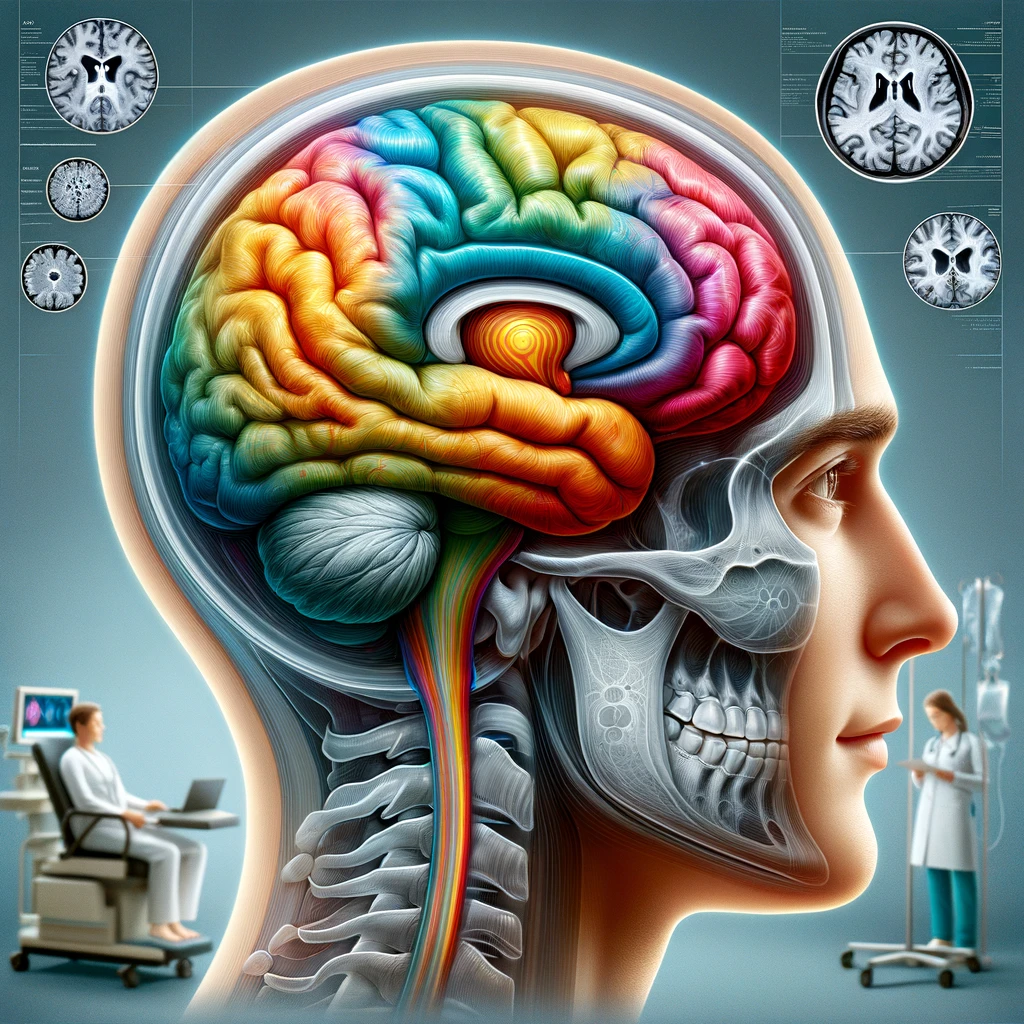

Functional neurological symptoms arise when there is a problem with how the nervous system is working rather than a problem with its structure. The brain, spinal cord, and nerves appear normal on scans and other tests, yet the person experiences very real symptoms such as functional weakness, limb weakness, paralysis, or changes in sensation, movement, or vision. These symptoms are not imagined or consciously produced; they reflect a disorder of nervous system function at the level of brain networks, attention, and movement control.
In this condition, the brain’s normal automatic control over the body becomes disrupted. Movements that are usually effortless and unconscious, like walking or picking up a cup, may feel difficult, unpredictable, or impossible. Signals between intention, attention, and movement do not flow smoothly. For example, someone may genuinely intend to move a leg, yet the brain fails to translate that intention into a coordinated motor command, leading to limb weakness despite intact muscles and nerves.
Functional neurological symptoms often follow a period of physical illness, pain, psychological stress, or injury, but they can also appear without an obvious trigger. Rather than being caused by damage like a stroke or a tumor, they reflect changes in how the brain processes information. Factors such as heightened self-focus on bodily sensations, anxiety about symptoms, past experiences with illness, and learned movement patterns may all contribute. Over time, the brain can “learn” abnormal response patterns, reinforcing the symptoms even when the original trigger has passed.
A key feature of these symptoms is internal inconsistency. A person may be unable to move a limb in one situation but move it more effectively in another, for example when distracted or during automatic actions. This does not mean the person is faking; it reflects the fact that the problem is with voluntary control rather than the basic ability of the muscles and nerves to work. Clinicians use these inconsistencies, such as a positive Hoover sign in functional leg weakness, to identify that the symptoms are functional in nature.
Functional neurological symptoms can involve many different systems of the body. Motor symptoms include functional weakness, tremor, jerks, dystonia-like postures, gait disturbance, and episodes that resemble seizures. Sensory findings may include numbness, tingling, altered temperature perception, or unusual patterns of sensory loss that do not match typical nerve or spinal cord distributions. People may also experience visual symptoms, speech or swallowing difficulties, dizziness, or episodes of apparent unresponsiveness. These symptoms can be as disabling as those caused by structural neurological disorders.
Psychological factors and life events can influence the onset and persistence of symptoms, but they are not always present and do not fully explain the condition. Many people with functional neurological symptoms do not meet criteria for a major psychiatric disorder, and symptoms can occur in individuals with no history of trauma. It is more accurate to think of the condition as a mind–brain–body disorder, where stress, beliefs, expectations, and nervous system physiology interact in complex ways.
Modern brain imaging and neurophysiological studies provide evidence that functional neurological symptoms have identifiable patterns of altered brain function. Research shows changes in areas involved in attention, emotion, movement planning, and sense of agency, including parts of the prefrontal cortex, parietal cortex, and limbic system. When a person attempts to move a weak limb, the brain activity pattern may differ from that seen in people who are either truly paralyzed by structural damage or voluntarily not moving. These findings support the understanding that the symptoms are genuine and rooted in abnormal brain network functioning.
Another important aspect of functional neurological symptoms is the role of expectations and prediction. The brain constantly predicts what will happen in the body and environment and compares those predictions to incoming sensory information. When predictions, beliefs, and sensory signals become mismatched, the result can be symptoms that feel involuntary and out of control. Overly negative expectations about health or fear that symptoms indicate serious disease can inadvertently reinforce symptom patterns, making them more persistent.
Because the nervous system in functional disorders is structurally intact, symptoms are potentially reversible. The same brain plasticity that underlies learning and habit formation can, in principle, be used to unlearn maladaptive patterns. Understanding this mechanism helps explain why targeted education, physiotherapy, psychological therapies, and other forms of rehabilitation can be effective. These approaches aim to retrain movement, shift attention away from symptoms, modify unhelpful beliefs, and help the brain reestablish more normal patterns of function.
Clear and compassionate communication about the diagnosis is central to understanding and managing functional neurological symptoms. When people learn that their symptoms are real, common, and based on a problem with function rather than damage, it can reduce fear and confusion. This understanding can create a foundation for active participation in treatment and rehabilitation, and can help replace a narrative of irreparable injury with one of changeable brain function and realistic hope for improvement.
Differentiating functional weakness from structural disease
Differentiating functional weakness from weakness caused by structural disease begins with understanding where in the nervous system the problem lies. In structural disease, such as stroke, multiple sclerosis, spinal cord injury, or peripheral nerve damage, there is identifiable damage or inflammation to the nervous system. This damage is usually visible on tests such as MRI scans, CT scans, or nerve conduction studies and electromyography. In functional weakness, by contrast, these investigations are typically normal or show changes that do not explain the pattern or severity of symptoms. The muscles and nerves are intact, but the way the brain is controlling movement is disrupted.
Clinicians pay close attention to the pattern and behavior of symptoms over time. Structural disorders tend to follow recognizable anatomical rules. For example, a stroke in a specific part of the brain will produce weakness in a predictable distribution and will often be accompanied by changes in reflexes, tone, and sensation that match the lesion’s location. In contrast, functional weakness often presents with patterns that do not correspond neatly to nerve roots, spinal cord levels, or specific brain territories. A person may have complete limb weakness one moment and partial strength the next, or the distribution of symptoms may shift in ways that are unusual for structural disease.
A key distinguishing feature is internal inconsistency on examination. In structural disease, muscle strength is usually consistently reduced whenever it is tested in the same way, and automatic movements are affected to a similar degree as voluntary movements. In functional weakness, strength may vary considerably during the same examination. A person might show marked weakness when asked to push against the examiner’s hand, but move the same limb more powerfully when performing a different task or when distracted. This inconsistency is one of the hallmarks of a functional disorder and is used to make a positive diagnosis rather than one of exclusion.
Specific bedside signs help clinicians distinguish functional limb weakness from weakness due to structural damage. One of the most well known is the Hoover sign. When a person lying on their back is asked to lift a weak leg, the examiner feels for downward pressure from the opposite heel, which normally occurs automatically as part of the effort to raise the leg. In structural paralysis, this automatic pressure is reduced along with the voluntary movement. In functional weakness, the examiner may find little effort when the patient tries to lift the “weak” leg on its own, but normal automatic pressure under the opposite heel when the other leg is lifted. This indicates that the basic motor pathways are intact and that the difficulty lies in voluntary control rather than in nerve or muscle damage.
Other positive signs include variability with distraction, sudden “give-way” or collapsing weakness when resistance is applied, and differences between movements performed with and without visual attention. For example, a person may have difficulty walking when concentrating on each step but show smoother, more coordinated movement when walking backward, turning, or performing a dual task such as talking at the same time. These paradoxical improvements are not expected in most structural diseases and provide further evidence that the problem is functional.
Reflexes and muscle tone often provide useful clues. In structural diseases that damage the brain or spinal cord, reflexes are frequently increased, and muscle tone may become stiff or spastic over time. There may also be clear signs of muscle wasting or fasciculations if motor neurons or peripheral nerves are affected. In functional weakness, reflexes are usually normal, muscle tone is generally not spastic in a typical pattern, and muscles do not show the same degree of wasting that would be expected after prolonged paralysis from structural damage. These normal or near-normal neurological signs, in the face of significant symptoms, point toward a functional diagnosis.
The relationship between weakness and other neurological symptoms can also differ between functional and structural causes. In structural disease, sensory loss usually follows known nerve or spinal cord distributions and is often persistent and stable or progressively worsening. In functional conditions, sensory findings may have unusual boundaries, such as a sharp line around a joint, or may fluctuate noticeably from one examination to another. Vision, balance, or speech symptoms may come and go in ways that are atypical for structural disease, and yet investigations for underlying damage remain normal or show only incidental, age-related changes.
Time course and triggers add more information. Structural disorders often have a clear pattern of onset, such as sudden symptoms with stroke, stepwise worsening with some forms of multiple sclerosis, or gradual progression in neurodegenerative diseases. Functional weakness may begin suddenly, sometimes after a minor injury, pain episode, infection, or emotional stress, or may fluctuate from day to day or even hour to hour. People may describe their symptoms as “switching on and off,” which is unusual for most structural disorders but common in functional problems with movement control.
Importantly, the diagnosis of functional weakness is not simply made because tests are normal or because the clinician cannot find another explanation. A careful assessment aims to identify positive features that actively support a functional diagnosis. These include internal inconsistency, improvement with distraction, characteristic bedside signs such as the Hoover sign, and patterns of symptoms that do not fit known anatomical pathways but do fit known functional neurological presentations. Identifying these features allows clinicians to make a clear, confident diagnosis rather than a vague or exclusion-based one.
Distinguishing functional weakness from structural disease has significant implications for management and rehabilitation. When structural damage is present, treatment often focuses on preventing further injury, stabilizing the underlying condition, and then adapting to residual deficits. In functional weakness, the emphasis shifts toward retraining the brain’s control of movement, rebuilding confidence in using the affected limb, and addressing factors that reinforce abnormal movement patterns. Recognizing that the nervous system is structurally intact opens the door to therapies aimed at restoring function rather than only compensating for loss.
The process of differentiation also has psychological and emotional consequences. Many people with functional symptoms fear they have an undiagnosed progressive neurological disease. A clear explanation that tests for structural disease are negative, combined with demonstration of positive signs of functional weakness, can help reframe the problem as one of altered function, not irreversible damage. This reframing is central not only for accurate diagnosis but also for engaging fully in treatment and rehabilitation efforts aimed at helping the nervous system relearn more normal patterns of movement and control.
Recognizing common signs and diagnostic features
Recognizing functional weakness and other functional neurological symptoms relies on a combination of careful clinical observation and specific examination techniques rather than on a single definitive test. Clinicians look for patterns of movement, strength, sensation, and behavior that are characteristic of functional disorders. These patterns are described as “positive signs” of a functional condition, meaning they actively support the diagnosis, rather than simply relying on the absence of structural abnormalities on scans or blood tests.
One of the central features on examination is inconsistency in performance that cannot be explained by known patterns of nerve or muscle disease. For instance, someone may show marked limb weakness when asked to move against resistance, but moments later demonstrate much stronger movement when adjusting their clothing, stepping off an exam table, or reacting to a sudden event. This variability is often striking when the person is distracted or focused on a different task. The apparent strength of a limb can change depending on the context, direction of movement, or whether the person is paying close attention to the action. This type of internal inconsistency is a hallmark of functional weakness and differs from the steady, predictable weakness seen in structural neurological conditions.
Specific bedside maneuvers, such as the Hoover sign for leg weakness, allow clinicians to identify preserved automatic motor function despite reported paralysis or severe weakness. In this test, when the person is lying down and is asked to lift a weak leg, they may appear unable to do so. However, when they are then asked to lift the opposite leg, the examiner feels normal downward pressure from the “weak” heel, indicating that the basic strength and motor pathways are intact. The key diagnostic feature is the mismatch between impaired voluntary movement and preserved automatic movement. Similar principles apply to other signs, such as “give-way” or collapsing weakness, where resistance to pressure suddenly yields in a way that does not match any known neuromuscular disease pattern.
Gait and posture provide additional important clues. People with functional gait disorders may have unusual walking patterns that do not correspond to typical stroke, spinal cord, or nerve injuries. They might drag a leg in a way that changes from step to step, or show highly variable balance difficulties that paradoxically improve when walking backward, sideways, or while performing a distraction task such as counting or talking. There may be dramatic swaying without actual falls, or a tendency to lurch and then recover in ways that appear inconsistent with severe underlying weakness. These paradoxical improvements with distraction or change in task are characteristic diagnostic features and support a functional explanation.
Examination of coordination and tremor can reveal similar patterns. A functional tremor may vary in frequency and amplitude from moment to moment and may disappear or greatly reduce when attention is directed elsewhere, such as when the person is asked to copy a rhythmic tapping with the other hand. Likewise, functional jerks or twitches often change with suggestion, distraction, or voluntary movement in ways that are not seen in typical epileptic seizures or in movement disorders like Parkinson’s disease. The ability to modulate the symptom unintentionally through shifts in focus or context is a strong diagnostic marker of functional neurological symptoms.
Sensory examination can show distinctive findings that help differentiate functional symptoms from structural nerve or spinal cord damage. Sensory findings may have sharply demarcated borders that stop exactly at a joint, such as the wrist or shoulder, instead of following the distribution of a specific nerve or dermatome. Loss of sensation might appear to involve an entire side of the body in a perfect midline split, which is unusual for most structural lesions. Sensory changes may also fluctuate significantly between visits or even within the same examination, depending on the person’s level of attention and anxiety. These patterns are not random; they reflect the way the brain is processing and attending to bodily information, and they provide positive evidence of a functional disorder rather than simply “normal tests.”
Another important diagnostic feature is the relationship between symptoms and attention, expectation, and suggestion. Symptoms of functional weakness, movement disorders, or sensory changes may become more pronounced when the person is closely observing or anticipating them, and less noticeable when focus shifts. During the examination, a clinician might see an immediate change in symptoms simply by altering instructions, introducing a new task, or redirecting attention. For example, a person who cannot extend a weak arm when directly instructed might do so more fully when asked to reach for an object without focusing on the effort. This close tie between symptom expression and cognitive factors like attention is a key distinguishing feature.
Episodes that resemble seizures or blackouts, often called dissociative or functional seizures, have their own recognizable clinical characteristics. These episodes may last longer than typical epileptic seizures, involve side-to-side head movements, irregular thrashing, tightly closed eyes, or crying during or soon after the event. People may retain partial awareness or respond to certain cues during the episode. When combined with a normal electroencephalogram (EEG) during events and the absence of structural brain disease, these positive clinical features help confirm a functional diagnosis. Importantly, the presence of such episodes can coexist with functional weakness or other motor and sensory symptoms.
Standard neurological tests such as MRI scans, CT scans, nerve conduction studies, and electromyography are usually normal in functional disorders or show only incidental findings that do not match the pattern and severity of the symptoms. Normal imaging and test results alone do not prove that symptoms are functional, but they play a crucial role in ruling out serious structural diseases and reducing fears of hidden damage. When combined with the positive clinical signs described above, normal or non-explanatory test results become part of a coherent diagnostic picture, supporting a diagnosis of functional neurological disorder rather than suggesting that “nothing is wrong.”
The clinical interview also contributes important diagnostic information. People with functional neurological symptoms often describe fluctuations that do not fit typical patterns of progressive nerve or muscle disease: symptoms may come and go abruptly, shift from one side of the body to the other, or worsen with stress and fatigue but show surprisingly good moments during enjoyable or distracting activities. They may report episodes where a paralyzed limb briefly moves more normally during intense emotion or during sleep transitions. These narratives, when carefully explored, help clinicians recognize the dynamic and context-dependent nature of the symptoms, consistent with a functional disturbance of control rather than fixed damage.
Recognizing the diagnosis early and demonstrating positive signs in a clear, respectful manner can be therapeutic in itself. When clinicians share and physically demonstrate signs such as the Hoover sign or variability with distraction, it can help people see firsthand that their nervous system still has the capacity for normal movement and sensation. This experience can be a critical turning point, shifting the focus from searching for hidden structural disease toward engaging in treatment and rehabilitation that aims to retrain movement and rebuild confidence in using the affected parts of the body.
Treatment strategies and rehabilitation approaches
Effective management focuses on retraining how the nervous system functions rather than repairing structural damage. Treatment is most successful when it is team-based, involving neurologists, physiatrists, physiotherapists, occupational therapists, psychologists, and sometimes speech and language therapists. The aim is to help the brain relearn normal patterns of movement and sensation, reduce fear and avoidance, and gradually restore participation in daily life. Clear explanation of the diagnosis, combined with structured rehabilitation, forms the cornerstone of this approach.
Education about the condition is usually the first therapeutic step. A clear, nonjudgmental explanation that symptoms are genuine, common, and due to a problem with nervous system function—not imagined or deliberately produced—can itself reduce distress and symptom intensity. Demonstrating positive clinical signs, such as the Hoover sign or variable strength with distraction, can show that the limb can still move normally in some circumstances. This demonstration is used not to challenge the person, but to illustrate that the pathways are intact and capable of improvement with practice. Written information, reputable websites, and follow-up discussions reinforce this understanding and help align expectations around rehabilitation.
Physiotherapy tailored specifically for functional weakness is central to recovery. Unlike traditional neurological rehabilitation focused mainly on strengthening weak muscles, therapy here emphasizes relearning automatic, effortless movement. Early sessions often begin with movements that the person can already perform more normally, such as automatic or reflex-like actions, and then build from there. For example, a person with apparent leg paralysis may start with weight-shifting in standing or assisted stepping in a harness, focusing on rhythm and flow rather than on effortful, highly monitored movement. The therapist frequently uses distraction, changes in task, and visual or auditory cues to bypass unhelpful patterns of overthinking and to tap into more automatic motor control.
A key principle is graded exposure to movement and activity. Many people develop fear of worsening their symptoms or causing damage by using the affected limb. This can lead to avoidance of movement and deconditioning, which in turn reinforces functional weakness. Therapists work with the person to create a stepwise plan that gradually increases the use of the limb, walking distance, balance challenges, or daily tasks, while maintaining a sense of safety and control. Small, achievable gains are highlighted, and setbacks are framed as part of the learning process rather than evidence of permanent failure. Over time, this gradual exposure helps break the cycle of fear, avoidance, and symptom reinforcement.
Attention and focus are deliberately manipulated during therapy. Because symptoms often worsen when the person is closely monitoring their movements, rehabilitation frequently involves tasks that shift attention away from the symptomatic body part. Examples include walking while counting backward, catching a ball while stepping, or performing simple cognitive tasks during arm exercises. These dual-task approaches can reveal more normal movement patterns and help the brain experience successful function without over-control. Therapists then work to carry this more automatic movement into everyday activities such as climbing stairs, dressing, or using utensils.
Occupational therapy supports the application of improved function to real-world tasks. Therapists assess how functional weakness, tremor, or other symptoms affect self-care, household responsibilities, work, and leisure. Interventions may include practicing specific tasks in graded steps, adapting the environment temporarily to reduce risk of falls or injury, and planning daily routines that balance activity and rest without encouraging excessive avoidance. The focus is on restoring independence and confidence, with adaptive equipment used as a bridge to normal function rather than a long-term crutch whenever possible.
Psychological therapies do not aim to prove that symptoms are “all in the mind,” but to address how thoughts, emotions, and stress interact with nervous system function. Cognitive behavioral therapy (CBT) and related approaches can help identify beliefs that maintain or worsen symptoms, such as catastrophic interpretations of bodily sensations, hopelessness about recovery, or rigid rules about rest and activity. Therapists work with the person to test out new ways of thinking and behaving, such as gradually increasing activity despite discomfort, reinterpreting flare-ups as temporary fluctuations, and developing coping strategies for stress. Where relevant, trauma-focused therapies or other evidence-based psychological treatments may be offered if past experiences or coexisting mental health conditions are clearly linked to symptom persistence.
For some individuals, addressing sleep, mood, and pain management is an essential part of treatment. Poor sleep and chronic pain can heighten bodily focus, reduce resilience, and make rehabilitation more difficult. Interventions may include sleep hygiene strategies, graded activity plans to reduce pain-related avoidance, and, when appropriate, medications used carefully and for specific targets such as depression, anxiety, or neuropathic pain. The goal is to support rehabilitation, not to rely solely on medication to control symptoms. Encouraging regular routines, light physical activity, and social engagement can also improve overall functioning and indirectly support neurological recovery.
Speech and language therapy may be involved when there are functional speech, voice, or swallowing difficulties. Therapy often focuses on normalizing breathing and voice production patterns, reducing excessive effort, and using exercises that promote automatic, fluent speech. As with limb weakness, distraction, rhythm, and changes in context can reveal more normal function, which therapists then build upon. For swallowing difficulties, careful assessment is needed to ensure safety, but once structural causes are excluded, graded exposure to different textures and volumes is used to rebuild trust in the swallowing mechanism.
Multidisciplinary rehabilitation programs specifically designed for functional neurological disorders can be particularly effective. These programs bring together physical, occupational, and psychological therapies in a coordinated plan, sometimes in an inpatient or day-hospital setting and sometimes through intensive outpatient services. The team shares a unified explanation of the diagnosis and treatment goals, reducing mixed messages and confusion. Treatment plans are individualized, but common elements include daily physiotherapy focused on retraining movement, occupational therapy to apply gains to everyday life, group or individual psychological sessions, and education sessions that reinforce understanding of the condition.
Self-management strategies are integral to sustaining gains made during formal rehabilitation. People are encouraged to continue graded activity plans, maintain regular physical exercise within their abilities, and practice techniques learned in therapy, such as shifting attention away from symptoms during movement or using relaxation and grounding strategies during flare-ups. Keeping a simple activity and symptom diary can help identify triggers, track progress, and prevent boom-and-bust cycles in which overactivity on good days leads to prolonged setbacks. Over time, the emphasis shifts from structured exercises to integrating healthy movement and coping strategies naturally into daily life.
Family and social support can either facilitate or inadvertently hinder progress. Involving close relatives or caregivers in education sessions helps them understand that functional weakness and other symptoms are real but potentially reversible, and that encouraging appropriate independence and graded activity is beneficial. Families can learn to respond in ways that validate distress without reinforcing excessive avoidance or disability-focused identities. Open communication about goals and boundaries helps prevent conflict and fosters a collaborative environment around rehabilitation.
Digital and remote options for rehabilitation are increasingly used when in-person services are limited. Video-based physiotherapy sessions, online educational modules, and telehealth psychological support can extend access to specialized care. While not a complete substitute for hands-on assessment and treatment, these approaches can provide ongoing guidance, monitor progress, and help maintain motivation. Structured home exercise programs, supported by clear written or video instructions, allow people to continue practicing movement retraining even outside of formal sessions.
Relapse prevention is a final important component of treatment planning. Even after significant improvement, periods of stress, illness, or major life change can trigger temporary increases in symptoms. Preparing for this possibility, and having a clear plan for how to respond, reduces fear and the risk of sliding back into severe disability. Plans typically include returning to basic movement exercises, revisiting helpful cognitive strategies, contacting members of the treatment team if needed, and avoiding drastic reductions in activity. Understanding that fluctuations are part of the normal course of recovery helps people remain engaged and confident in their ability to manage symptoms over the long term.
Living with functional weakness and prognosis
Living with functional weakness is often a long-term process that involves adapting, learning new skills, and working with the natural ups and downs of symptoms. Daily life may be affected in very practical ways: walking, climbing stairs, lifting objects, dressing, cooking, or working may feel unpredictable from day to day. Some people experience periods where limb weakness or gait problems are prominent, followed by phases of partial improvement, then flare-ups. Recognizing this variability as part of the condition—rather than as a personal failing or evidence of hidden structural disease—can reduce frustration and help with planning.
For many, one of the biggest challenges is the “invisible” nature of the condition. Scans and standard tests may be normal, yet the person can be significantly disabled. Friends, colleagues, and even family members may misunderstand functional weakness, assuming that if no damage shows on a scan, there is nothing seriously wrong. This mismatch can lead to feelings of isolation, guilt, or pressure to overperform on good days. Having clear written information about functional neurological disorders, and sometimes sharing a brief letter from a clinician explaining the diagnosis, can help others understand that the symptoms are real and that ongoing support and rehabilitation are appropriate.
Work and education decisions often require careful consideration. Some people can continue in their usual role with modest adjustments, such as flexible hours, modified physical demands, ergonomic equipment, or the option to work from home part of the week. Others may need temporary or longer-term changes, including reduced hours, a graded return-to-work plan, or retraining for a role that is less physically or cognitively demanding. Occupational therapists and vocational counselors can help identify realistic goals, negotiate accommodations with employers or schools, and develop stepwise plans to increase participation without provoking repeated setbacks.
Energy management is central to daily life with functional weakness. Many people notice “boom-and-bust” patterns: on better days they do as much as possible, only to experience marked worsening of symptoms over the next few days. Over time, this cycle can reduce overall resilience and feed hopelessness. A pacing approach aims to distribute activity more evenly, mixing higher-effort tasks with short rests or lighter activities, and deliberately stopping before exhaustion or marked symptom escalation. This may initially feel counterintuitive—particularly for people who are used to pushing through difficulties—but pacing supports the nervous system’s gradual relearning and makes it easier to follow a consistent rehabilitation program.
Emotional and psychological reactions are a normal part of living with functional symptoms. Anxiety, low mood, irritability, or grief for lost abilities often coexist with physical difficulties. These responses can in turn heighten bodily focus and worsen symptoms, creating a feedback loop. Learning to recognize early signs of emotional strain—such as poor sleep, increased muscle tension, or frequent catastrophic thoughts about paralysis or permanent disability—allows earlier intervention. Psychological therapies, support groups, and self-help resources can offer tools for managing fear, uncertainty, and frustration, and for rebuilding a sense of identity that is not solely defined by illness.
Relationships may shift as roles and responsibilities change. Partners, parents, or children might take on extra household tasks, provide physical assistance, or accompany the person to appointments. While this support is often invaluable, it can also lead to strain if expectations are unclear or if family members unintentionally encourage excessive dependence. Open discussion about what help is genuinely needed, what the person can safely attempt alone, and how to share responsibilities fairly can prevent resentment. Involving family in education about functional weakness and rehabilitation strategies helps them understand why encouraging graded independence, where possible, is part of recovery rather than neglect.
Social connection and meaningful activities play an important role in sustaining well-being and function. It may be tempting to withdraw from hobbies, community events, or friendships due to embarrassment about visible symptoms, fear of falls, or fatigue. However, total withdrawal tends to worsen mood and can narrow the person’s world in ways that reinforce disability. A more helpful approach is to adapt activities rather than abandon them: meeting a friend for a shorter visit instead of an entire day out, joining an online version of a group, or choosing venues with good seating and access. Small, enjoyable experiences can have a disproportionate positive effect on confidence and on the nervous system’s capacity to relearn more normal patterns.
Prognosis in functional weakness is variable, but important themes emerge from research and clinical experience. Many people improve significantly, especially when the diagnosis is explained clearly, accepted as valid, and followed by targeted rehabilitation. For some, symptoms reduce to a mild, manageable level, allowing near-normal life with occasional flare-ups. Others achieve partial improvement: they may walk more confidently, use their limbs more effectively, and participate more in daily activities, but still experience limitations during stress or fatigue. A smaller group remains severely affected despite appropriate treatment, often due to a combination of longstanding symptoms, coexisting medical or psychological conditions, and limited access to specialized care.
Several factors appear to influence outcome. A shorter duration of symptoms before diagnosis and the start of rehabilitation is generally associated with better recovery. Early, confident identification of the problem as functional—using positive signs such as internal inconsistency or, in some cases, demonstration of a Hoover sign—helps reduce prolonged diagnostic uncertainty and fear of an undetected degenerative disease. Conversely, years of searching for alternative explanations, repeated invasive or unhelpful tests, and ongoing messages that “nothing is wrong” can entrench symptoms and undermine trust in future treatment.
Engagement with rehabilitation is another key factor. Recovery from functional weakness often requires active participation, repetition, and willingness to experiment with new ways of moving and thinking about symptoms. People who can commit to regular physiotherapy exercises, graded activity, and psychological strategies tend to do better, even when progress is slow or uneven. This does not mean that those who struggle with engagement are at fault; severe pain, depression, social adversity, or lack of local services may all limit what is realistically possible. Recognizing and addressing these barriers—by optimizing pain management, treating mood symptoms, or accessing telehealth options—can improve the chances of benefit.
Coexisting health problems can shape prognosis. Conditions such as chronic pain syndromes, severe anxiety, depression, post-traumatic stress, or other neurological or rheumatologic illnesses may complicate the picture. When these are acknowledged and treated alongside functional weakness, rather than being seen as separate or competing diagnoses, outcomes tend to be better. Integrated care that coordinates neurological, psychological, and general medical treatment is ideal but not always available; in its absence, clear communication between different clinicians and services is especially important to avoid mixed messages and fragmented plans.
Age and life stage also influence the recovery path. Children and adolescents with functional weakness often have good potential for improvement, particularly when the diagnosis is explained early, families are involved constructively, and school-based accommodations are arranged. Working-age adults may face competing demands from employment, caregiving, and financial pressures, which can both motivate and complicate rehabilitation efforts. Older adults may have additional structural health issues—such as arthritis or mild neuropathy—that limit full recovery but still allow meaningful gains in safety, independence, and quality of life with tailored goals.
Even when substantial physical improvement is achieved, subtle vulnerabilities often remain. Many people notice that symptoms can reappear or intensify during times of high stress, illness, sleep deprivation, or major life change. Understanding this as a feature of a sensitized nervous system, rather than proof that previous gains were “fake,” helps maintain perspective. Having a personal toolkit—such as specific exercises, pacing strategies, grounding techniques, or a brief “flare-up plan”—can allow early intervention and prevent minor relapses from snowballing into major setbacks.
Self-advocacy becomes an important long-term skill. People with functional weakness frequently encounter healthcare professionals who are unfamiliar with the condition or who rely on outdated ideas about “hysteria” or malingering. Learning key phrases to describe the diagnosis (for example, “functional neurological disorder with functional limb weakness”), knowing which treatments have helped, and carrying a concise summary letter from a knowledgeable clinician can improve encounters with new providers. Over time, many individuals become skilled at explaining their condition to others in a way that is both accurate and destigmatizing.
Access to peer support can make a substantial difference to living well with this diagnosis. Online forums, patient organizations, and local groups focused on functional neurological disorders or related conditions allow people to share practical tips, validate each other’s experiences, and reduce the sense of being alone with a poorly understood problem. Hearing from others who have improved or found ways to adapt can provide realistic hope and ideas for navigating healthcare systems, workplaces, and family dynamics.
Long-term follow-up with healthcare providers is often helpful, even after the most intensive phase of rehabilitation has ended. Periodic review allows monitoring for new symptoms, adjustment of treatment plans, and reinforcement of helpful strategies. It also provides an opportunity to revisit goals as life circumstances change—for example, preparing for a return to work, pregnancy, aging parents, or retirement. For some, occasional “booster” sessions of physiotherapy or psychological therapy help refresh skills and confidence, particularly after disruptive events such as surgery, accidents, or major losses.
Living with functional weakness involves ongoing adaptation rather than a simple linear journey from illness to cure. Many people find that as they work with rehabilitation strategies, strengthen supportive relationships, and gain a clearer understanding of their condition, the balance gradually shifts: symptoms become less central, while valued roles, interests, and future plans regain prominence. Prognosis is not determined solely by early severity; instead, it reflects a combination of timely diagnosis, appropriate treatment, personal and social resources, and the capacity of the nervous system to change throughout life.