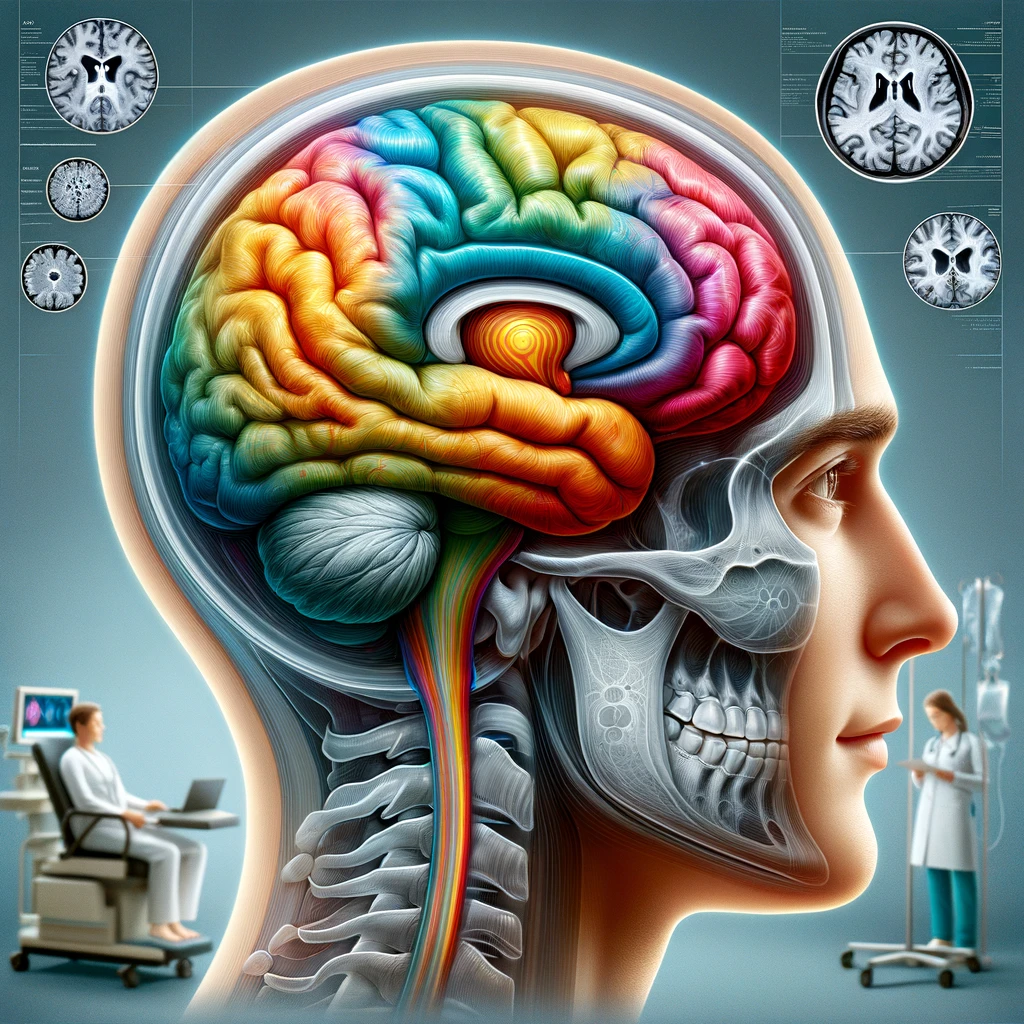

- understanding functional neurological disorder
- importance of research volunteers
- educational strategies for volunteers
- volunteer support and resources
- impact of volunteer involvement on research outcomes
Functional Neurological Disorder (FND) represents a condition where patients experience neurological symptoms such as movement disorders, sensory issues, and seizures, without a clear organic cause identifiable by medical tests. These symptoms are genuine and can significantly affect a person’s quality of life. FND is often misunderstood within the medical community and the general public, emphasising the need for increased research awareness and education. Unlike other neurological conditions, FND does not stem from a structural problem in the nervous system but is related to how the brain functions. This invisible dysfunction can manifest in a myriad of ways, making diagnosis challenging for clinicians. Understanding FND requires a comprehensive approach to address not only the physical symptoms but also the psychological and social aspects of the disorder. Studies have shown that with appropriate treatment, which may include physiotherapy, cognitive behavioural therapy, and psychoeducation, individuals with FND can see improvements in their symptoms. The journey to comprehending and effectively managing FND highlights the importance of public involvement and dedicated research efforts to overcome the barriers to treatment and awareness.
importance of research volunteers
Research volunteers are the cornerstone of scientific advancement, particularly in the field of Functional Neurological Disorder (FND). Their participation is crucial in developing a deeper understanding of this complex condition and in improving therapeutic approaches. Volunteers from diverse backgrounds contribute significantly by providing data that may lead to insightful discoveries about the mechanisms and treatment of FND. This collaboration fosters innovation, enabling researchers to test hypotheses, validate findings, and develop new methodologies. Furthermore, research awareness among volunteers is essential for demystifying FND and its symptoms, promoting a more informed public perception and encouraging others to engage in similar initiatives. Public involvement in research not only accelerates scientific progress but also helps build a community of support and advocacy by educating about the realities of living with FND. Their engagement thus enhances the relevance and applicability of research outcomes, ensuring that scientific endeavours are aligned with real-world needs and experiences. Through their invaluable contributions, research volunteers help bridge the gap between clinical understanding and patient experience, fostering a healthcare landscape that is both empathetic and evidence-based.
educational strategies for volunteers
Education plays a pivotal role in preparing research volunteers to contribute effectively to studies concerning Functional Neurological Disorder (FND). To maximise their participation, volunteers should be equipped with comprehensive knowledge about FND, including its symptoms, potential treatments, and the current landscape of research. An essential strategy involves conducting informative sessions that introduce volunteers to the intricacies of FND, ensuring that they understand the disorder’s complexity and its impact on individuals. In these sessions, researchers can provide insights into the challenges faced in diagnosing and treating FND, thereby emphasising the significance of the volunteers’ contributions.
Additionally, utilising digital platforms for training modules can make educational resources more accessible. Online courses and webinars allow volunteers to engage with material at their own pace, strengthening their understanding of research methodologies and the specific aims of the studies they are involved in. Through interactive elements such as quizzes and discussion forums, volunteers can also reflect on their learning, enhancing their ability to support ongoing research initiatives.
Moreover, fostering an environment of open communication between researchers and volunteers is crucial. Regular updates on research progress and findings can instil a sense of purpose and belonging among volunteers. This approach not only increases research awareness and public involvement but also ensures that volunteers feel valued and inspired to maintain their engagement. By implementing these educational strategies, research teams can cultivate a knowledgeable and motivated cohort of volunteers who are well-prepared to contribute to the advancement of FND research.
volunteer support and resources
To maximise the effectiveness of volunteer contributions in Functional Neurological Disorder (FND) research, it is imperative to establish a robust support system complemented by readily accessible resources. Providing volunteers with emotional, educational, and logistical support ensures their sustained engagement and satisfaction, fostering a positive experience that benefits both them and the research initiatives they partake in. An essential aspect of this support involves establishing clear and open lines of communication between volunteers and research teams. By facilitating ongoing dialogue, volunteers can voice their concerns, seek clarification, and stay informed about the study’s progress, reinforcing their sense of inclusion and significance.
Another crucial component in supporting volunteers includes offering comprehensive orientations and resource packages. These may encompass detailed information about FND, its various manifestations, and the objectives of the research being conducted. Such resources should be accessible both online and offline, catering to diverse learning preferences and ensuring widespread access. Providing volunteers with access to mental health support, counselling services, and peer support networks can also play a pivotal role in addressing the psychological challenges that may arise from participating in intensive research activities.
In addition, logistical support is vital for maintaining volunteer engagement. This could involve assistance with transportation to research sites, flexible scheduling to accommodate their availability, and even provision of childcare services when necessary. By reducing practical barriers, volunteers are more likely to commit to and continue their involvement in research projects.
Celebrating volunteer contributions and milestones is another effective strategy to sustain motivation and enthusiasm. Regularly acknowledging their efforts through certificates, public recognition, or small tokens of appreciation can solidify their commitment and encourage ongoing participation. Furthermore, creating opportunities for volunteers to connect with others in the research community provides an avenue for shared experiences, learning, and mutual support, enhancing the overall research culture.
impact of volunteer involvement on research outcomes
The involvement of volunteers in research on Functional Neurological Disorder (FND) has a profound impact on the outcomes of scientific studies. This engagement not only enriches the data collected but also energises the research community with a sense of shared purpose. The inclusion of diverse volunteers helps ensure that findings are robust and generalisable, contributing to a more comprehensive understanding of FND. Moreover, volunteers bring unique perspectives that can uncover new angles for exploration and, ultimately, lead to more innovative treatment methods.
Volunteer involvement fosters a culture of research awareness and public involvement, which is crucial in the realm of FND. By participating in studies, volunteers become ambassadors of research, sharing their experiences and raising awareness about FND and the importance of continued research efforts. This advocacy can lead to increased recruitment and participation in future research initiatives, thereby amplifying the potential for impactful discoveries. Through education and personal engagement in research processes, volunteers also become more informed about the condition, which empowers them to advocate effectively within their communities.
Furthermore, the active participation of volunteers can directly influence the scope and direction of research projects. Researchers who interact closely with volunteers often gain valuable insights into the lived experiences of those affected by FND, prompting adaptations in research questions and methodologies to better align with real-world issues. This dynamic exchange not only makes research more relevant but also ensures that the results directly benefit those living with FND. Overall, the involvement of informed and engaged volunteers plays an indispensable role in bridging the gap between scientific exploration and practical outcomes, ultimately driving the evolution of treatments and patient care for FND.