
- Understanding FND and its impact
- Building trust with individuals experiencing FND
- Facilitating open conversations on FND
- Best practices for safe and effective dialogue
- Resources and support networks for FND
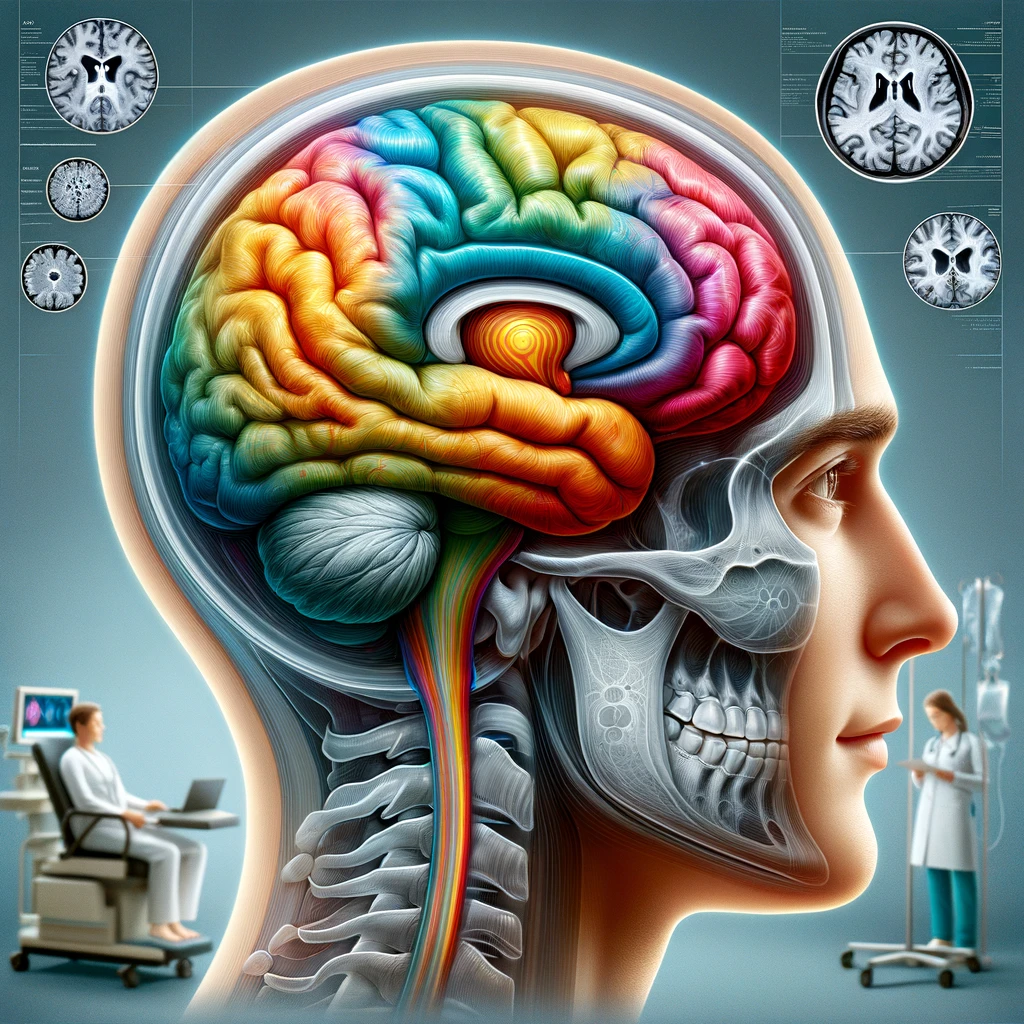
Functional Neurological Disorder (FND) is a complex condition that affects the functioning of the nervous system, leading to neurological symptoms without a structural neurological disease to explain the symptoms. These can include movement disorders, blackouts, and seizures that resemble epileptic ones, although they do not have the same electrical changes in the brain. These symptoms can substantially impact a person’s daily life and overall wellbeing, often leading to anxiety, depression, and social isolation.
One of the challenges with FND is the stigma and misunderstanding associated with the disorder. It can be difficult for those experiencing it to receive an accurate diagnosis, as symptoms might be perceived as being ‘all in the head’, resulting in a lack of adequate treatment. This misunderstanding extends beyond clinical settings, affecting public understanding and misconceptions about the legitimacy of the disorder. Creating safe spaces for dialogue about FND is crucial to addressing these issues, promoting awareness, and facilitating better care for those affected.
The stigma and public misunderstanding of FND can exacerbate feelings of isolation in individuals, which is why support groups and networks play a critical role. These groups provide a platform for honest discussions where individuals can share experiences and strategies for coping with daily challenges. In building awareness and understanding, both healthcare providers and the broader community are encouraged to engage with educational resources that can elucidate the specific needs and experiences of those living with FND.
Building trust with individuals experiencing FND
Establishing trust with individuals experiencing Functional Neurological Disorder (FND) is vital for effective support and care. It requires a compassionate approach that recognises the legitimacy and complexity of their experiences. This trust-building process begins with listening without judgment and validating their feelings and challenges. Healthcare professionals play a critical role in this, needing to approach FND with an open mind and a willingness to understand the disorder beyond traditional frameworks. Acknowledging the individual’s frustrations and fears can significantly contribute to a supportive environment where they feel safe to share personal experiences.
Creating such a trusting relationship involves transparency from both sides. It is important for individuals to feel that their healthcare provider is offering honest discussions about potential treatments, interventions, and expected outcomes. Clear communication about the nature of FND, its unpredictable course, and the realistic challenges involved can help bridge the gap between perception and reality, mitigating the effects of public misunderstanding and associated stigma. This openness helps individuals maintain engagement in their own care and fosters a collaborative relationship focused on managing the disorder effectively.
Support groups also serve as a fundamental element in building trust, as they offer a space where individuals can connect with others facing similar challenges. These groups provide a unique environment for sharing experiences and offering peer support, which can be incredibly empowering. The collective understanding and acceptance found within these groups further solidifies the trust necessary for individuals to believe in themselves and their capacity to manage their condition. By integrating support groups with professional care, a comprehensive support system can be established, facilitating a more robust response to the needs of those living with FND.
Facilitating open conversations on FND
Creating an environment conducive to open dialogues about Functional Neurological Disorder (FND) begins with acknowledging the need for honest discussions and a shift in public understanding. Acknowledgement itself has the power to dismantle the stigma surrounding this condition and broaden perspectives about the lived experiences of those affected. By cultivating a deeper awareness, individuals, caregivers, and healthcare providers can approach each conversation with empathy and a sincere willingness to understand the nuances of FND.
To facilitate these conversations effectively, the implementation of dedicated communication strategies is crucial. Active listening plays an essential role, enabling individuals to share their experiences and feelings without fear of judgement or misunderstanding. Encouraging patients to express themselves freely helps to dismantle preconceived notions about FND and creates a more equal platform for dialogue. This approach can reinforce the trust that was previously established, gradually fostering a sense of connection and understanding amongst all parties involved.
The involvement of support groups can significantly enhance these conversations. Support groups provide safe spaces where individuals feel empowered to talk openly about their challenges and triumphs without reservations. Within these groups, individuals learn to articulate their needs, fears, and hopes in ways that resonate with their experiences, thereby enabling more meaningful exchange and collective insight. The peer support within these networks can also clarify misconceptions and promote mutual recognition of shared struggles, helping to amplify the voices of those living with FND.
Moreover, developing resources tailored to educating the wider public is vital in changing the existing narrative around FND. Well-informed individuals and communities are more likely to engage in constructive discussions and advocate for fairer treatment and recognition of the disorder. This broader acceptance and understanding is foundational to building a community where those with FND feel seen, heard, and valued, ultimately leading to more productive and empathetic dialogues about the condition.
Best practices for safe and effective dialogue
When engaging in dialogue about Functional Neurological Disorder (FND), it is crucial to adhere to best practices that ensure these conversations are both safe and effective. First and foremost, creating a non-judgemental environment is key. Individuals should be encouraged to share their experiences and feelings without fear of dismissal or scepticism. This involves practising active listening, where the focus is on truly hearing and understanding the speaker rather than forming a response. By validating their experiences and emotions, we can foster an atmosphere of inclusivity and respect.
Establishing guidelines for communication can further enhance the safety and productivity of these dialogues. Setting clear expectations for confidentiality and mutual respect helps participants feel more at ease and willing to engage openly. It is essential to ensure that everyone understands the importance of maintaining a supportive tone and avoiding language that could be perceived as dismissive or invalidating.
Public understanding plays a significant role in facilitating honest discussions about FND. Educating the broader community about the complexities of the disorder can destigmatise it and encourage more empathetic and informed conversations. This can be achieved through awareness campaigns, educational workshops, and the distribution of accurate information about FND. By improving public understanding, we create an environment where open dialogues are more likely to lead to positive outcomes and greater acceptance.
Support groups are invaluable in providing a space for these practices to thrive. They offer a community for individuals to discuss their challenges and share coping strategies, reinforcing the notion that they are not alone in their experiences. Within these groups, members can engage in honest discussions about their struggles and successes, fostering a supportive network that promotes healing and empowerment.
It is also beneficial to integrate different perspectives into these conversations. Involving healthcare professionals, caregivers, and individuals living with FND can enrich the dialogue and provide a more comprehensive understanding of the disorder. Collaborative discussions that incorporate diverse viewpoints can lead to more innovative solutions and a holistic approach to managing FND.
Resources and support networks for FND
Utilising available resources and support networks is vital for individuals experiencing Functional Neurological Disorder (FND) and those supporting them. A cornerstone of managing FND effectively is the establishment and accessibility of support groups. These groups provide a safe environment for individuals to engage in honest discussions about their experiences, enhancing mutual understanding and offering a sense of belonging. Participants can share coping strategies and receive emotional support from their peers, which can significantly aid in alleviating feelings of isolation often associated with the disorder.
Beyond peer-led support groups, professional support networks play an integral role in the comprehensive care of individuals with FND. Healthcare providers, including neurologists, psychologists, and physiotherapists, form a critical part of this network by offering medical guidance and therapeutic interventions tailored to the unique needs of each person. Collaborating across disciplines facilitates a holistic approach to treatment, fostering better outcomes through coordinated care.
Public understanding and awareness initiatives are also crucial in reshaping perceptions of FND. By disseminating information regarding the complexities of the disorder, these initiatives work towards dismantling stigma and fostering a more inclusive society. Educational resources such as webinars, workshops, and informative literature are valuable tools in this endeavour, helping to equip both the public and professionals with the knowledge needed to support those with FND effectively.
In addition to local resources, online platforms offer a wealth of information and support for individuals with FND and their families. These platforms can connect people to wider communities who share similar experiences, thus extending the reach of support networks beyond geographical barriers. Through forums, virtual meetings, and social media groups, individuals can access guidance, share insights, and partake in discussions that contribute to their overall wellbeing.
Ultimately, building robust resources and support networks requires continued collaboration and commitment from all stakeholders, including healthcare professionals, community organisations, and individuals living with FND. By working together to expand these networks and enhance public understanding, the groundwork is laid for a more compassionate and supportive environment that empowers those affected by FND to lead fulfilling lives.