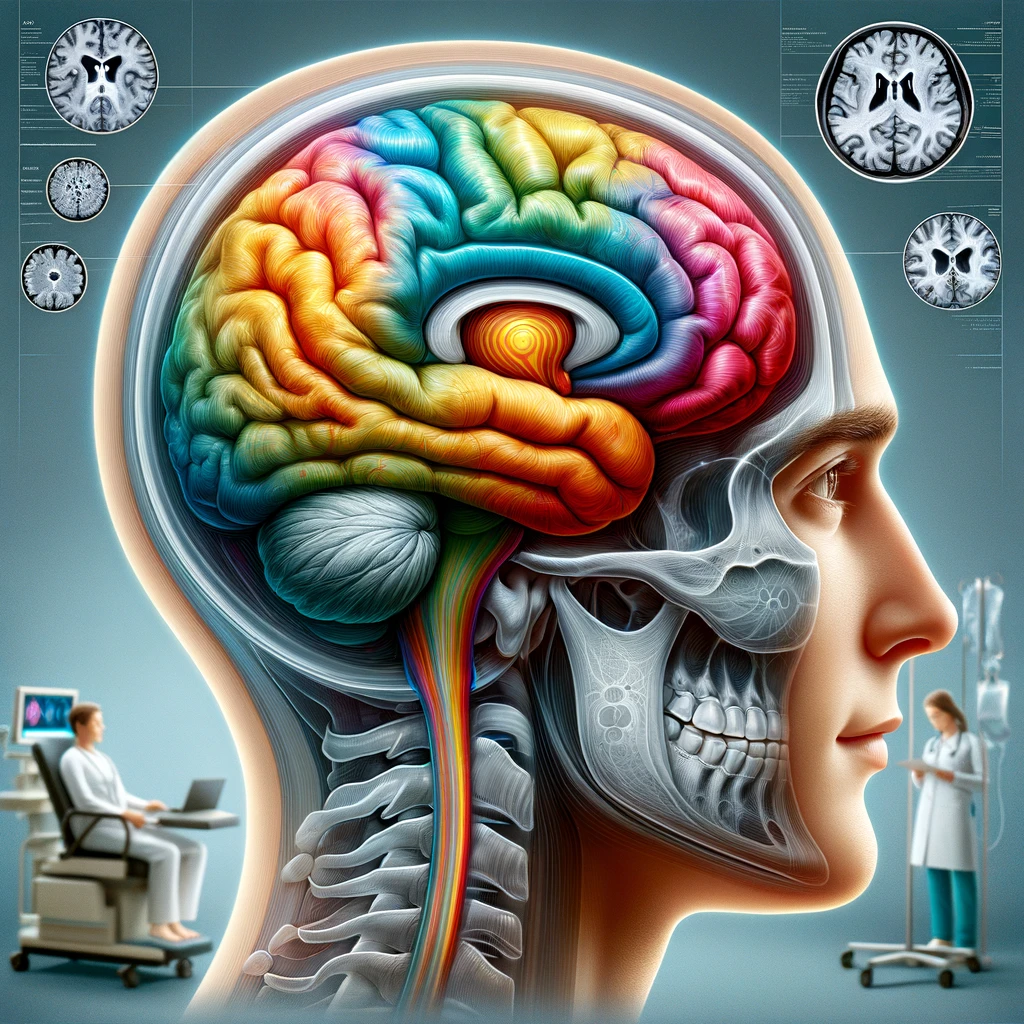

- understanding FND: a youth perspective
- the role of volunteering in raising awareness
- engaging young volunteers: strategies and benefits
- case studies: successful youth-led initiatives
- the future of FND awareness through youth action
Functional Neurological Disorder (FND) presents a unique set of challenges, particularly for young people seeking to understand and communicate its complexities. Often perceived through the lens of their educational and social experiences, their understanding of FND can differ from that of older generations. This generational perspective is crucial in shaping effective communication strategies and fostering a broader dialogue about the disorder.
For young people, the term FND might initially seem opaque, leading to a reliance on peer discussions and online resources to develop a clearer picture. Social media plays a significant role in this quest for knowledge, offering platforms where they can share experiences and engage with educational content. These digital interactions contribute to an evolving comprehension of FND, which increasingly includes understanding the neurological basis of the disorder alongside its psychological implications.
Additionally, young people’s perspectives are often characterised by a strong inclination towards empathy and advocacy. They are uniquely positioned to influence peers and communities, turning insights gleaned from personal or vicarious experiences into compelling narratives that drive awareness. This empathy fuels a proactive approach to public education, encouraging dialogue that challenges misconceptions and promotes accurate information.
The accessibility of information in the digital age empowers young volunteers to become spokespersons for FND awareness. Their voices, amplified through platforms they are already well-versed in navigating, effectively bridge the gap between clinical descriptions and relatable stories. By translating complex medical jargon into accessible language, young people facilitate a greater understanding of FND among their peers and beyond.
the role of volunteering in raising awareness
Volunteering serves as a vital catalyst for raising awareness about Functional Neurological Disorder (FND) among diverse communities. Through active participation in volunteering schemes, young people become empowered agents of change, effectively disseminating knowledge and fostering understanding about FND. These programmes provide a structured platform where the enthusiasm and creativity of young individuals can be harnessed to promote public education.
Young volunteers play a crucial role in illustrating the realities of living with FND through community engagement and outreach activities. By organising events, workshops, and campaigns, they create opportunities for dialogue, challenging widespread misconceptions and promoting accurate perspectives on the disorder. This participatory approach not only educates but also builds empathy within the community, encouraging a more inclusive environment for those affected by FND.
The dynamic nature of volunteering allows young people to develop innovative strategies to communicate the complexities of FND. They often leverage digital tools and social media to craft impactful messages that resonate with both their peers and a broader audience. By utilising these platforms, they ensure that the discourse surrounding FND is both current and relevant, effectively bridging the gap between scientific understanding and public perception.
Moreover, the personal growth and development that result from volunteering are immense. Young volunteers acquire valuable skills such as leadership, communication, and teamwork while contributing to a noble cause. This experience not only benefits their personal development but also enhances the effectiveness of their outreach efforts, leading to more successful awareness initiatives and fostering a greater sense of community responsibility.
engaging young volunteers: strategies and benefits
Engaging young volunteers in the mission of raising awareness about Functional Neurological Disorder (FND) requires a strategic approach that recognises their unique talents and motivations. One effective strategy involves integrating educational insights with real-world impact. By providing training sessions that combine medical knowledge with engagement tools, young volunteers gain confidence and authority in their advocacy roles. Educational workshops that focus on the latest FND research, coupled with personal narratives from those affected by the disorder, can greatly enhance understanding and empathy among young people.
Another critical strategy is leveraging the digital proficiency of young volunteers. Social media campaigns tailored to platforms popular among youth can significantly increase reach and engagement. Encouraging young volunteers to create relatable content, such as vlogs, infographics, and interactive posts, can help demystify FND and inspire action among their peers. These digital initiatives should be complimented by offline activities, such as peer-led discussion groups or school-based awareness clubs, which provide spaces for deeper conversation and connection.
The benefits of engaging young people in volunteering for FND awareness are manifold. For the volunteers, it provides an opportunity to develop essential life skills, such as leadership, communication, and problem-solving, enhancing both personal and professional growth. It also fosters a sense of achievement and belonging, as they become invaluable contributors to a cause that impacts lives. For the wider community, young volunteers inject fresh perspectives and ideas, revitalising public education efforts with energy and authenticity. Their involvement ensures that awareness campaigns remain relevant, dynamic, and closely aligned with the current needs and perceptions of society.
Furthermore, the inclusion of young voices in FND awareness efforts strengthens community ties and promotes a culture of inclusivity and compassion. Young volunteers, through their proactive engagement, help to normalise conversations around FND, reducing stigma and encouraging open dialogue. Their commitment to public education bridges generational gaps, fostering a more informed and supportive community for all individuals affected by FND.
case studies: successful youth-led initiatives
In recent years, several exemplary youth-led initiatives have emerged, showcasing the profound impact young people can have in raising awareness about Functional Neurological Disorder (FND). One such initiative is the “Youth for FND Awareness” programme, where young volunteers organise awareness weeks in schools across the country. This initiative involves interactive sessions, workshops, and panel discussions led by young people who have either been affected by FND themselves or have a keen interest in health advocacy. Through storytelling and educational presentations, they effectively engage their peers, dispelling myths and promoting a nuanced understanding of FND.
Another successful example is the “FND Advocacy Project,” a digital campaign that leverages the power of social media to spread awareness globally. Young volunteers create and share informative content, such as videos, infographics, and personal stories, which are both educational and relatable. This campaign has gained substantial traction online, attracting thousands of followers who actively participate in discussions and share content within their networks, thus amplifying the reach of the message and fostering a supportive online community.
The “Peer Support Workshops” initiative highlights the collaborative approach to education and empathy-building. Organised by university students, these workshops bring together both affected individuals and those interested in supporting them, providing a safe space for sharing experiences and gaining insights. Participants engage in role-playing activities and group discussions, learning how to be effective allies and advocates, which contributes to reducing stigma associated with the disorder.
These case studies demonstrate the formidable potential of youth-led endeavours in furthering public education about FND. By combining creativity, empathy, and the enthusiasm of young volunteers, these initiatives not only enhance awareness but also empower communities to support affected individuals better. Their ongoing success underscores the crucial role young people play in transforming awareness initiatives and making a lasting difference in the conversation surrounding FND.
the future of FND awareness through youth action
As we look to the future, the role of young people in spearheading Functional Neurological Disorder (FND) awareness efforts is poised to grow even more profound and transformative. The enthusiasm and innovative spirit of youth, coupled with an ever-evolving digital landscape, present unprecedented opportunities for advancing public education on FND. With technology continually reshaping the way we communicate and share information, young volunteers are uniquely positioned to leverage these tools, crafting impactful narratives that resonate on a global scale.
Emerging technologies such as virtual reality and augmented reality offer exciting avenues for young volunteers to create immersive educational experiences. These technologies can simulate the challenges faced by individuals with FND, offering peers and the wider community a deeper understanding and empathy for the disorder. By utilising these advanced tools, young innovators can design campaigns that not merely inform but also engage audiences in meaningful and memorable ways.
The future also promises a more integrated approach to FND awareness, where young volunteers can collaborate across disciplines and borders. Cross-cultural exchanges and international collaborations could lead to a wider reach and a more unified global effort in demystifying FND. By participating in multinational projects and events, young people can share diverse perspectives and strategies, enriching the global narrative and inspiring shared solutions.
Moreover, as educational institutions increasingly recognise the value of community engagement, opportunities for integrating FND awareness into curricula and extracurricular activities are likely to grow. Schools and universities can become nurturing grounds for budding advocates, providing resources and platforms for students to develop and execute impactful projects. This institutional support will play a vital role in equipping young volunteers with the skills and knowledge necessary to champion FND awareness effectively.
Importantly, the continuous evolution of social media platforms will allow young people to maintain the dynamism and relevance of awareness campaigns. As these platforms develop new functionalities, young volunteers can harness them to engage audiences through innovative content and interactive initiatives, thereby ensuring that public education around FND remains at the forefront of health advocacy discussions.
In envisioning the future of FND awareness through youth action, it is clear that young people will continue to be powerful agents of change. Their proactive involvement and creative approaches will undoubtedly drive the conversation forward, fostering a well-informed, empathetic society that supports individuals affected by FND. The burgeoning potential of youth-led initiatives offers hope for a future where awareness, understanding, and inclusion are deeply ingrained within communities worldwide.