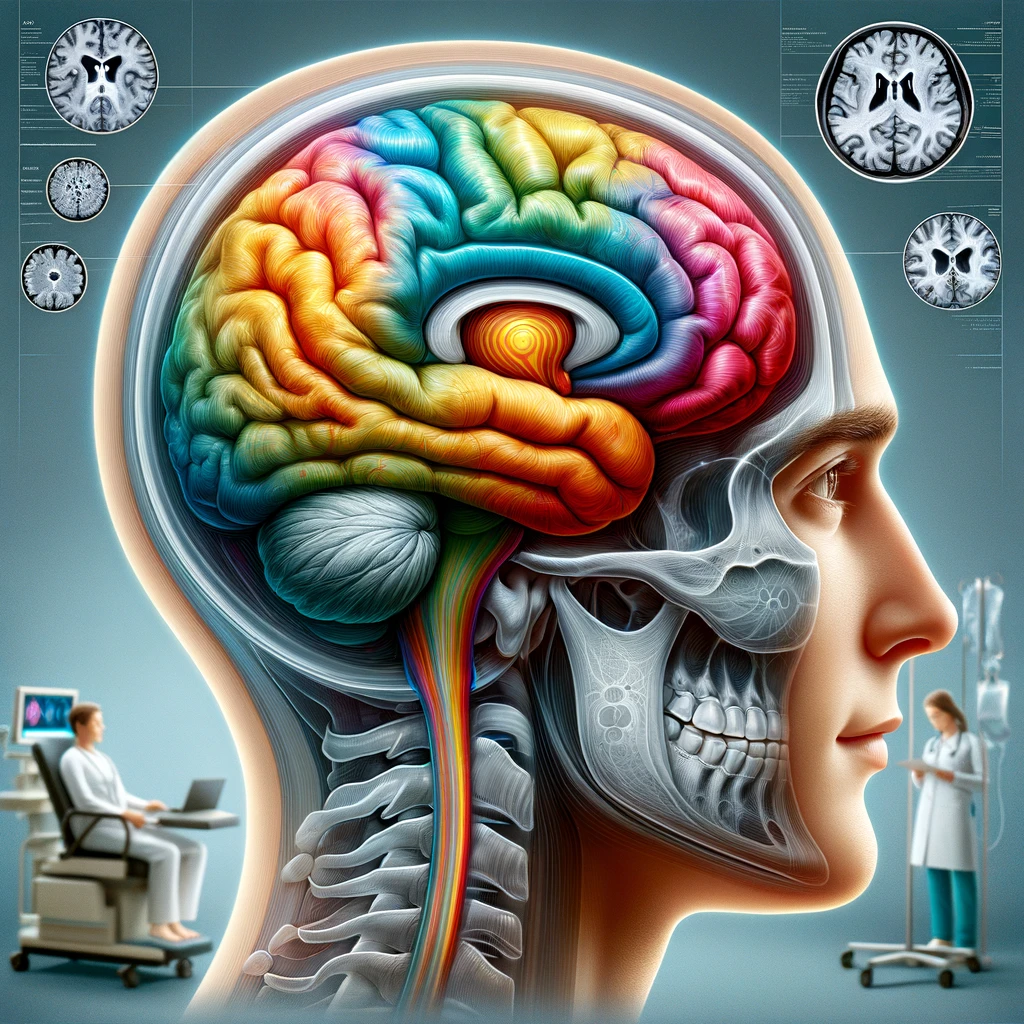

- Current landscape of FND services
- Challenges in service continuity
- Effects of fragmentation on patient outcomes
- Strategies to enhance service integration
- Future directions for FND care delivery
The current landscape of Functional Neurological Disorder (FND) services is marked by significant variability in the availability and accessibility of care across different regions. While some areas benefit from specialised multidisciplinary teams that are well-versed in the complexities of FND, others face stark shortages of such resources, leaving many patients struggling to obtain adequate support. This disparity in service provision is further compounded by an often fragmented care pathway, where a lack of coherent service design can lead to inconsistent treatment experiences. As a result, patients may encounter a disjointed series of consultations with professionals who have varying degrees of familiarity with FND, which can ultimately impact patient outcomes negatively. Care integration remains a critical need, as achieving a seamless transition between services and ensuring comprehensive, cohesive management plans are key to improving these outcomes. Efforts to enhance this integration are ongoing, yet the challenges of aligning various specialties and services under a unified framework persist, highlighting the need for continued advocacy and development in this area.
Challenges in service continuity
Service continuity remains a substantial challenge within the realm of Functional Neurological Disorder (FND) care. One of the primary obstacles is the lack of coordinated care paths, which can often lead to significant gaps in treatment and support for patients. This issue is exacerbated by the inconsistent service design found across different healthcare settings. Patients frequently transition between multiple providers, each with varying levels of expertise and familiarity with FND, resulting in potential delays in diagnosis and treatment. Such variation can lead to frustrations and disengagement from patients, who might feel their needs are not fully understood or met.
Another considerable challenge is the fragmentation between healthcare services, where multidisciplinary care, crucial for effective FND management, is not seamlessly integrated. In many cases, there is insufficient communication between neurologists, psychiatrists, physiotherapists, and other essential healthcare professionals, undermining patient outcomes. This lack of collaboration can result in conflicting advice or repetitive assessments, rather than a cohesive and comprehensive patient care strategy.
Furthermore, resource limitations, including a shortage of specialised professionals trained in FND care, further compound continuity issues. Many healthcare systems face constraints, either financially or in personnel, which makes the implementation of a standardised, continuous care model difficult to achieve. This situation ultimately leads to a burden on patients, who may have to navigate a labyrinth of services independently, often without clear guidance or support.
Efforts to enhance care integration are vital to overcoming these challenges. Streamlined communication channels and collaborative frameworks need to be developed to bridge the divide between various service providers. Establishing integrated care teams equipped with the knowledge and understanding necessary for FND treatment could significantly alleviate the burden on patients and improve overall care delivery. While these initiatives are gradually gaining traction, much work remains to ensure that all patients receive the comprehensive, continuous care they need to achieve optimal health outcomes.
Effects of fragmentation on patient outcomes
Fragmentation within Functional Neurological Disorder (FND) services can profoundly affect patient outcomes, leading to several adverse consequences. One of the most significant issues is the potential for delayed or incorrect diagnoses. With multiple healthcare providers involved in a patient’s care, the lack of a centralised, coordinated approach can result in essential symptoms being overlooked or misunderstood, leading to prolonged uncertainty and anxiety for patients. Inconsistent service design exacerbates this issue, as patients often encounter disparate treatment advice that may not align cohesively, causing confusion and potentially counterproductive treatment plans.
Furthermore, the absence of effective care integration can compromise treatment efficacy. The multidisciplinary nature of FND care implies that input from various specialists, such as neurologists, psychiatrists, and physical therapists, is crucial. However, when these services operate in silos without adequate collaboration, the resultant care plans may become fragmented, addressing symptoms in isolation rather than adopting a holistic strategy. This can hinder the development of comprehensive, personalised treatment plans that are responsive to the evolving needs of the patient, ultimately compromising long-term outcomes.
Another significant impact of fragmentation is the emotional and psychological toll on patients. The journey through fragmented healthcare services can be exhausting and demoralising, as patients may feel misunderstood or neglected. This can lead to disengagement from the treatment process, where patients lose trust in healthcare providers, further exacerbating their condition. By not addressing the psychological components of FND in a coordinated manner, treatment may ignore critical aspects that can aid in recovery, such as therapeutic support aimed at coping strategies and mental health resilience.
The disparities in service accessibility and quality across different regions also contribute to inequitable patient outcomes. Those in areas with limited access to specialised FND services may experience worse health outcomes compared to patients in regions where comprehensive, coordinated care is available. This inequity in care availability and quality underscores the need for systemic reforms targeted at reducing service fragmentation and enhancing care integration. By addressing these issues, healthcare systems can improve patient outcomes significantly, providing more equitable access to the necessary resources and expertise crucial for effective FND management.
Strategies to enhance service integration
Enhancing service integration for Functional Neurological Disorder (FND) necessitates a multifaceted approach aimed at bridging existing gaps and ensuring continuity of care. Central to this strategy is the establishment of comprehensive care pathways that draw together the expertise of various medical professionals into a unified treatment plan. Implementing coordinated care models can substantially mitigate the issues associated with disjointed service design and consequently improve patient outcomes. These models are predicated on the seamless collaboration of healthcare providers, including neurologists, psychiatrists, physiotherapists, and psychologists, fostering a holistic approach to the patient’s condition.
Additionally, integrating digital health solutions can act as a catalyst for better service collaboration. Utilisation of electronic health records (EHRs) ensures that critical patient information is shared among the multidisciplinary team, preventing miscommunication and reducing redundancy in assessments and treatments. Telemedicine services can also play a role in this integration, enhancing access to specialist care irrespective of geographical limitations, thus standardising the quality of patient care across diverse regions.
Moreover, investing in training programmes for healthcare professionals specifically tailored to FND can elevate the level of care provided. By deepening the understanding of FND among all involved healthcare providers, service delivery becomes more consistent and effective. Such training should emphasise the importance of a person-centred approach, recognising the unique needs and experiences of each patient to refine and personalise treatment plans effectively.
Strengthening support systems for patients and their families is another critical component of service integration. Providing access to resources such as patient navigators who can assist patients in coordinating appointments and managing their treatment journey can empower patients, reducing the stress associated with navigating a complex healthcare system. Encouraging peer support groups also offers emotional benefits, as patients engage with others who have shared similar experiences, creating a community of understanding and support.
Policy initiatives must support these integration efforts by promoting collaborative frameworks and incentivising cross-sector partnerships aimed at reducing service duplication and ensuring that care is centred around the patient’s needs. By prioritising these strategies, the overall aim is to establish a cohesive healthcare delivery system that anticipates and adapts to the challenges of managing FND, thereby enhancing patient outcomes and quality of life.
Future directions for FND care delivery
The future of Functional Neurological Disorder (FND) care delivery hinges on the development of innovative models that prioritise patient-centred care integration and adaptability to emerging healthcare challenges. As understanding and awareness of FND grow, healthcare systems must adapt to provide more coherent and comprehensive service design that improves patient outcomes. Central to this transformation is the establishment of a more unified, interdisciplinary approach where healthcare providers across various disciplines collaborate seamlessly.
One promising direction involves leveraging technology to enhance care integration and accessibility. The use of advanced digital health solutions, such as artificial intelligence and machine learning, can facilitate better diagnostic accuracy and personalised treatment plans. These technologies can analyse large datasets to uncover patterns and insights that might elude traditional methods, thereby improving the precision of FND management and ensuring that treatments are tailored to individual patient needs.
Virtual platforms and telehealth services are other critical components that can significantly reshape FND care delivery. By removing geographical barriers, telehealth can provide patients with consistent access to specialist consultations and ongoing support, regardless of location. This ensures that even patients in remote areas can benefit from the expertise of multidisciplinary teams, thereby reducing inequities in service availability and enhancing overall patient outcomes.
Furthermore, future FND care delivery models could benefit from an increased focus on integrating mental health services into standard care pathways. Recognising the profound psychological impact of FND, a more integrated approach that combines neurological and psychological care can provide a more robust support system for patients. This integration is essential for addressing the often complex interplay between physical and mental health symptoms experienced by FND patients.
Policy reforms also play a crucial role in shaping the future landscape of FND services. Investment in research and training is vital, allowing healthcare professionals to stay informed about the latest advancements in FND treatment strategies. Encouraging collaboration between sectors and creating incentives for integrated service delivery can drive the evolution of a cohesive care framework that aligns with the needs of patients and the goals of healthcare providers.
Ultimately, the future of FND care delivery lies in fostering an ecosystem where innovation, integration, and patient-centred approaches converge. By embracing these elements, healthcare systems can strive towards delivering care that is not only effective but also equitable, significantly improving the lives of those affected by FND. As these initiatives take shape, they promise a more streamlined, responsive, and humane approach to managing FND, ensuring that all patients receive the comprehensive care they need to thrive.