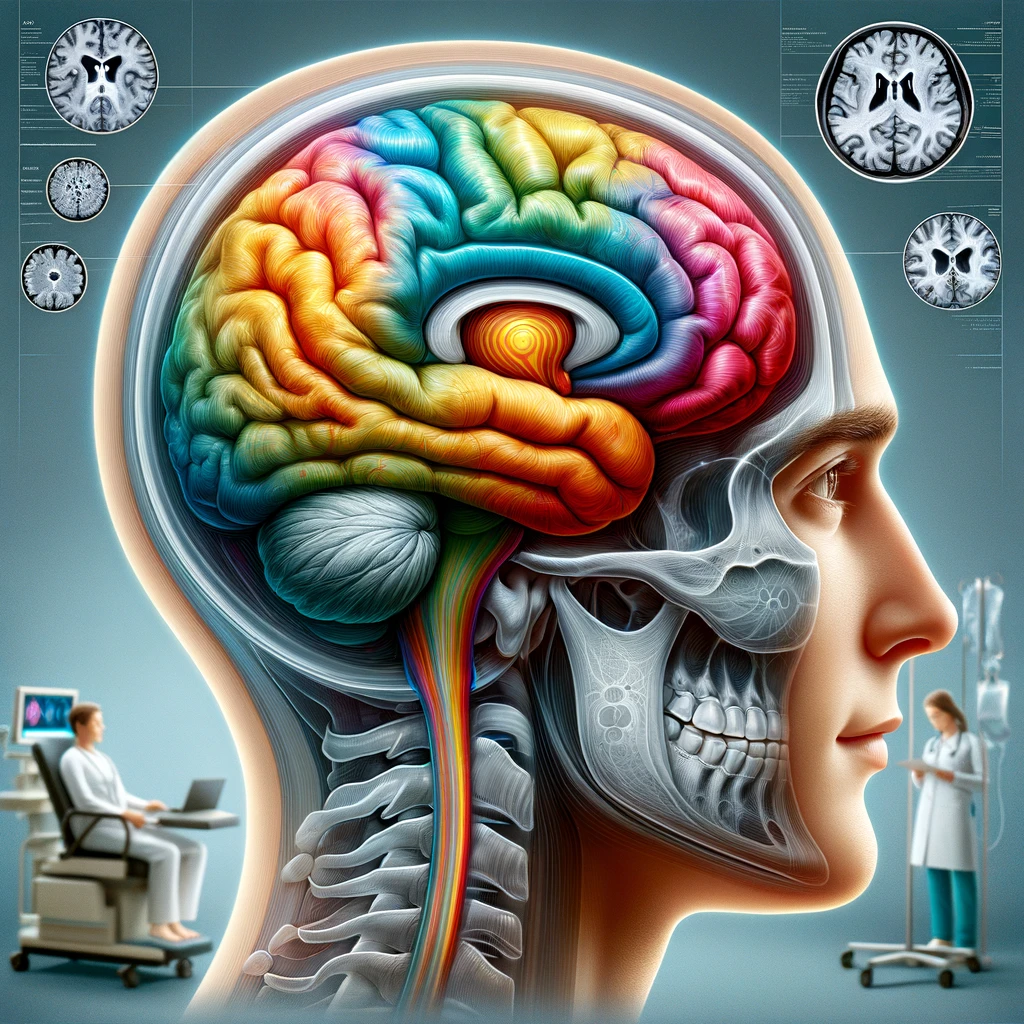

- Overview of functional neurological disorder (FND)
- Identifying emotional triggers and challenges
- Psychological support and resources
- Building effective communication strategies
- Personalised care and treatment approaches
Functional neurological disorder (FND) is a complex condition characterised by a disruption in the functioning of the nervous system, without structural damage to the neurological pathways. Unlike other neurological disorders, FND manifests through a variety of symptoms that can include motor and sensory dysfunctions such as tremors, weakness, movement disorders, and seizures. These symptoms are genuine and can cause significant distress and impairment in an individual’s daily life.
The aetiology of FND is not entirely understood; however, it is believed to be influenced by a combination of psychological, neurological, and environmental factors. Emotional and psychological stressors play a significant role in both the onset and exacerbation of symptoms, highlighting the importance of understanding the emotional needs of patients. This understanding is crucial as it influences therapeutic approaches and the overall management of the disorder.
Recent advances in psychology and neurology suggest that FND may occur due to dysfunctional brain network connectivity or malfunctions in signal processing rather than entirely due to psychological issues. However, patients often face the challenge of having their symptoms misinterpreted or dismissed by the public and even some healthcare providers as being “all in the mind,” which can lead to feelings of isolation and lack of public support.
A multidisciplinary approach is often required to manage FND effectively, involving neurologists, psychologists, and other healthcare professionals. Addressing both the physical and emotional aspects of the disorder is essential to provide comprehensive care. By recognising the legitimate nature of FND symptoms and providing empathetic support, healthcare providers can help alleviate some of the challenges faced by patients, fostering an environment of understanding and acceptance.
Identifying emotional triggers and challenges
Patients with functional neurological disorder (FND) often experience a range of emotional triggers and challenges that significantly impact their well-being. Understanding these triggers is vital to managing the disorder effectively. Common emotional triggers for patients include stress, anxiety, and past trauma, which can lead to an exacerbation of symptoms. These stressors may arise from various aspects of life, such as work, personal relationships, or health-related uncertainties. Identifying and addressing these emotional factors can aid in developing targeted therapeutic strategies.
One of the primary challenges faced by FND patients is the ambiguity surrounding the diagnosis. Since FND lacks clear neurological damage, patients may encounter scepticism from healthcare providers and the public, which can contribute to feelings of invalidation and distress. This lack of public support and understanding can lead to emotional isolation and exacerbate the condition further. It’s essential for healthcare professionals to validate the patient’s experiences and acknowledge the genuine nature of their symptoms, fostering a supportive and empathetic environment.
Furthermore, the unpredictable nature of FND symptoms can be distressing for patients, leading to anxiety about when the next episode might occur. This unpredictability can affect patients’ confidence in engaging with everyday activities, resulting in a reduction in quality of life. Developing coping strategies with the help of psychological support can empower patients to manage their emotions better and improve their daily functioning.
Integrating psychological approaches can help in addressing these emotional challenges, offering patients coping mechanisms and resilience-building strategies. Techniques such as cognitive behavioural therapy (CBT) have proven beneficial in helping patients reframe negative thought patterns and reduce symptom severity. By providing a multifaceted approach that incorporates understanding the psychological aspects of FND, healthcare providers can support patients in navigating their emotional triggers and challenges more effectively.
Psychological support and resources
Patients with functional neurological disorder (FND) require specialised psychological support to address the complex interplay of emotions affecting their condition. Acknowledging the psychological dimensions of FND is paramount, as these can significantly shape both the patient’s experience of symptoms and the effectiveness of subsequent treatments. Access to psychological resources, such as therapy and counselling, allows patients to explore and understand their emotional responses, which may include anxiety, distress, or the profound impact of life challenges.
One effective psychological intervention is cognitive behavioural therapy (CBT), known to assist patients in identifying unhelpful thinking patterns and developing practical strategies to manage them. This form of therapy helps patients understand the connection between their thoughts, emotions, and behaviours, enabling them to gain a sense of control over their symptoms. Additionally, integrating mindfulness-based interventions can enhance emotional regulation, providing patients with tools to remain present and less reactive to stressors.
Moreover, support groups play a vital role in fostering public support and can serve as a crucial resource by connecting patients with others who face similar challenges, which can alleviate feelings of isolation. These groups offer a platform for sharing experiences, strategies, and mutual encouragement, significantly enhancing the emotional well-being of participants. The validation and empathy found within these communities help dispel feelings of loneliness and misunderstanding commonly experienced by FND patients.
Healthcare providers must also be equipped to guide patients to reliable informational resources and encourage active participation in their care. Access to correct information can empower patients, reducing the stigma associated with FND and improving their engagement in the treatment process. Ultimately, a comprehensive approach that combines therapeutic, educational, and community support can make a significant difference in the lives of those affected by FND, contributing to improved outcomes and enhanced quality of life.
Building effective communication strategies
Building effective communication strategies is essential in addressing the emotional needs of patients with functional neurological disorder (FND). Healthcare providers must strive towards creating a supportive and understanding environment where patients feel heard and validated. Effective communication begins with active listening, which involves being fully present in conversations with patients and encouraging them to share their experiences and concerns. This empathetic approach helps in building trust and facilitates more open discussions about symptoms and emotional challenges.
Utilising clear and compassionate language is equally important when explaining the complexity of FND to patients and their families. Since FND can be misunderstood by the public and even some healthcare providers, articulating the legitimacy of the disorder in comprehensible terms can help alleviate some of the frustration and confusion patients may experience. By offering detailed explanations and responding to questions with patience, healthcare professionals can enhance patients’ confidence and promote a better understanding of their condition.
Another key aspect of effective communication is the use of collaborative goal-setting techniques. Engaging patients in discussions about their treatment plans and encouraging them to take an active role in their healthcare decisions can empower them and improve adherence to therapeutic strategies. By acknowledging patients’ input and preferences, healthcare providers can tailor interventions to suit individual needs and promote more personalised care. This collaborative approach nurtures an environment of mutual respect and shared responsibility in the management of FND.
Addressing the role of emotions in communication is crucial as well. Recognising the emotional overload FND patients may experience and approaching discussions with sensitivity can make a significant difference in the therapeutic relationship. Healthcare providers should be attentive to non-verbal cues and emotional expressions, validating patients’ feelings and offering reassurance. Providing clear information and support can reduce feelings of isolation and enhance public support for those with FND.
Additionally, offering resources to improve communication skills, such as patient education materials and support groups, can empower individuals to express their emotions and experiences more clearly. These resources can facilitate supportive interactions not only with healthcare providers but also with family, friends, and the broader community. Through effective communication strategies, patients can achieve greater emotional resilience, paving the way for improved engagement with their condition and treatment journey.
Personalised care and treatment approaches
Personalised care and treatment approaches for individuals with functional neurological disorder (FND) play a crucial role in addressing the unique emotional and psychological needs of each patient. Crafted with the understanding that no two patients experience FND in the same way, these tailored strategies consider the specific symptoms, triggers, and emotional challenges a patient faces, thereby enhancing therapeutic efficacy.
Central to personalised care is the development of a comprehensive treatment plan that integrates both physical and psychological therapies. This plan often involves a multidisciplinary team of neurologists, psychologists, physical therapists, and occupational therapists working in unison to support the patient’s diverse needs. For many patients, including psychological interventions like cognitive behavioural therapy (CBT) or mindfulness-based therapies can be beneficial in addressing the emotional distress and anxiety associated with FND, offering tools to manage symptoms more effectively.
Understanding the patient’s personal history, preferences, and goals is pivotal in creating a treatment approach that resonates with their individual circumstances. Engaging patients in conversations about their treatment options and incorporating their feedback ensures that care is collaborative and respects the patient’s autonomy. This collaborative dynamic not only fosters trust but also empowers patients, promoting active participation in their healing journey.
An essential component of these personalised approaches is education, both for patients and their families. Educating them about FND, its symptoms, and management strategies helps demystify the condition, reducing stigma and increasing public support. By improving understanding and dispelling misconceptions, education engenders a supportive environment that can significantly enhance a patient’s emotional well-being.
Incorporating routine assessments allows healthcare providers to adapt treatment plans dynamically, responding to changes in symptoms or the patient’s emotional state. This flexibility ensures that care remains effective and relevant, enabling patients to achieve the best possible outcomes. By weaving together these personalised components, healthcare providers can deliver a holistic approach that respects the patient’s individuality, paving the way for enhanced quality of life and more sustainable results in managing FND.