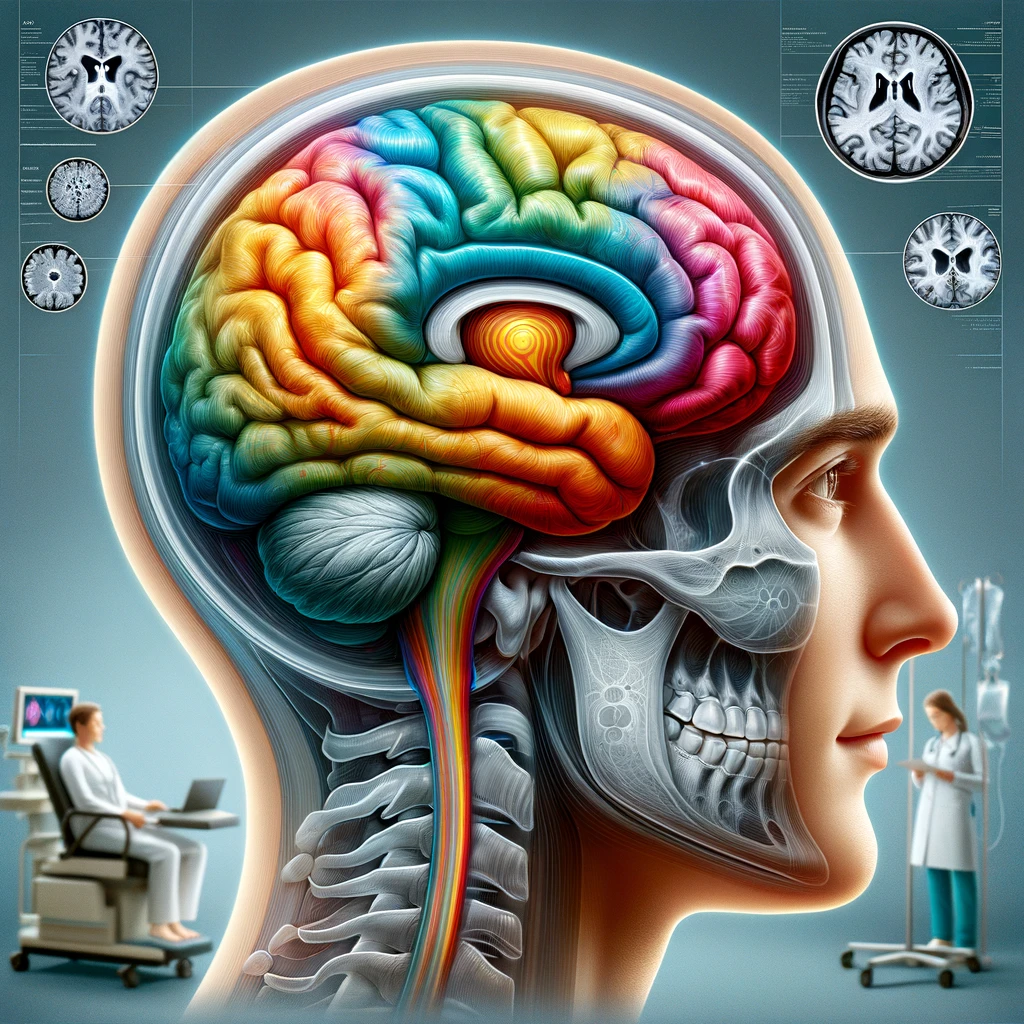

- Overview of functional neurological disorder
- Current challenges in treatment approaches
- Roles of different medical specialties
- Models of collaborative care
- Future directions and recommendations
Functional neurological disorder (FND) refers to a condition characterised by neurological symptoms that are not attributable to identifiable structural abnormalities or an established organic disease process. Symptoms may include motor dysfunction such as weakness, tremor, or abnormal movements; sensory disturbances; and episodic events resembling seizures or fainting. These symptoms are real and can be highly disabling, but they emerge as a result of functional abnormalities in the nervous system’s signalling, rather than structural damage. Importantly, FND is increasingly recognised as a legitimate and complex neuropsychiatric condition, rather than being dismissed as psychosomatic or feigned.
FND is commonly diagnosed in neurology clinics, and neurologists have a central role in identifying and explaining the condition to patients. This process requires careful assessment, often with the use of positive clinical signs—such as Hoover’s sign or entrainment tests—that help distinguish FND from other neurological disorders. While neurology plays a pivotal role in initial diagnosis, ongoing management typically necessitates input from a broader multidisciplinary team due to the diverse nature of symptoms and contributing factors.
Recent advances in neuroscience have supported the understanding that FND arises from complex interactions between psychological, cognitive, and physiological mechanisms, such as altered attention, abnormal beliefs and expectations, and disrupted brain connectivity. Functional neuroimaging studies have revealed differences in brain activity in people with FND, particularly in areas involved in movement, emotion, and attention. This growing body of evidence has helped to challenge stigma and reframe FND as a disorder that sits at the interface between neurology and psychiatry, warranting holistic care approaches that address both brain and mind.
The prevalence of FND is notable, with some studies suggesting it is as common in neurology outpatient settings as multiple sclerosis or epilepsy. It affects people of all ages and backgrounds, though it is more commonly diagnosed in women and often co-occurs with other medical or psychiatric conditions such as chronic pain, anxiety, or depression. The impact of FND on quality of life can be profound, with many patients experiencing significant disability, social withdrawal, and challenges in accessing appropriate care.
Given the multifaceted nature of the condition, successful treatment often depends on early diagnosis and explanation, fostering a therapeutic alliance, and coordinated input from a multidisciplinary team that may include neurologists, psychiatrists, psychologists, physiotherapists, occupational therapists, and specialist nurses. Effective communication between professionals and patient-centred, integrated strategies form the foundation of care, highlighting the importance of cross-specialty collaboration in managing FND.
Current challenges in treatment approaches
Despite increasing recognition of functional neurological disorder (FND) as a legitimate neuropsychiatric condition, treatment approaches remain fraught with several key challenges. One of the primary difficulties lies in the inconsistent access to appropriately trained professionals across healthcare settings. In many cases, patients may encounter clinicians unfamiliar with FND, leading to delays in diagnosis, miscommunication, or even dismissive attitudes that undermine trust and hinder treatment engagement. The absence of well-established local care pathways further compounds this issue, making it difficult for individuals with FND to receive timely and coordinated care.
Another substantial barrier is the fragmentation of services between specialties. Given that FND exists at the convergence of neurology, psychiatry, and rehabilitation, the ideal model of treatment involves a multidisciplinary team. However, the reality is that many healthcare systems function in departmental silos where collaboration is minimal. Neurologists may diagnose the condition but have limited access to mental health professionals who can address the psychological components, while rehabilitation clinicians may receive inadequate guidance on the functional nature of neurological symptoms. This lack of integrated care can result in disjointed or inadequate interventions, leaving patients feeling abandoned or disbelieved.
Stigma and misunderstanding also persist as significant obstacles within both healthcare environments and societal perceptions. Some clinicians may continue to question the validity of FND as a diagnosis, owing to its absence of structural brain findings, which can lead to under-treatment or even non-treatment. Patients often report experiences of being told their symptoms are “all in the mind” or dismissed as stress-related, which not only delays access to proper treatment but also exacerbates psychological distress. A shift towards more holistic care, supported by education and awareness initiatives, is essential in overcoming these attitudinal barriers.
In addition, there remains a lack of widespread, evidence-based treatment protocols tailored specifically for FND. While cognitive behavioural therapy, physiotherapy, and occupational therapy are commonly recommended components of treatment, these need to be delivered by professionals knowledgeable about the disorder. Access to such skilled therapists is uneven, particularly outside of specialised centres, limiting the effectiveness of recommended care. Moreover, research into long-term outcomes and comparative efficacy of different interventions remains relatively limited, which restricts clinicians’ ability to create robust, personalised treatment plans.
Finally, communication challenges between the medical professionals involved can further compromise care. The complexity of FND demands clear, empathic, and consistent messaging from all members of the healthcare team, yet in practice, differences in terminology, understanding, or framing of the condition can result in contradictory messages that confuse and alienate patients. Establishing a shared language and framework among professionals from different disciplines is vital to fostering cohesive and effective treatment pathways.
Addressing these challenges requires the implementation of system-level changes to promote cross-specialty integration, improve clinician training, and make specialist services more accessible. Only through comprehensive strategies that embrace the full biopsychosocial nature of FND can patients receive the multidisciplinary team-based, holistic care they require and deserve.
Roles of different medical specialties
Effective treatment of functional neurological disorder (FND) relies upon the coordinated input of diverse medical professionals, each bringing a unique perspective and set of skills to the management of this complex condition. Neurologists are often the first point of contact and play a critical role in diagnosis. Utilising clinical signs such as Hoover’s sign and the absence of structural abnormalities on imaging, neurologists are responsible for validating symptoms and explaining the diagnosis to patients in a clear and supportive manner. This initial encounter sets the tone for the therapeutic journey and heavily influences patient engagement with further treatment.
Psychiatrists and psychologists contribute essential expertise in understanding and addressing the cognitive, emotional, and behavioural components of FND. Psychological interventions, particularly cognitive behavioural therapy, have been shown to reduce symptom severity and improve coping strategies. Psychiatrists also manage comorbid mental health conditions such as depression, anxiety, or trauma-related disorders which are frequently associated with FND. Collaboration between neurology and mental health professionals helps bridge the historical divide between disciplines, promoting a more integrated and compassionate approach.
Physiotherapists and occupational therapists are vital members of the multidisciplinary team, particularly in addressing motor symptoms, balance issues, and functional impairment. Physiotherapy tailored to FND involves graded movement, sensory retraining, and normalisation of posture and gait patterns without reinforcing maladaptive strategies. Occupational therapists focus on restoring independence in daily activities and supporting return to work or education where possible. Their input reinforces the message that physical improvement is achievable, often re-establishing a sense of self-efficacy in patients.
Specialist nurses serve as liaisons between the patient and health services, supporting continuity of care, reinforcing clinical recommendations, and providing psychoeducation. Nurses with experience in neurology or mental health are especially effective in this bridging role, helping patients navigate treatment pathways and addressing concerns that arise outside of formal clinical encounters. Their accessibility and ongoing involvement are often instrumental in maintaining engagement with care plans.
Speech and language therapists may also be integral in cases where FND presents with symptoms such as functional dysphonia, stuttering, or swallowing difficulties. Their interventions not only support symptom management but can also collaboratively explore how communication difficulties intersect with psychological and social factors.
Social workers and case managers can be involved to address external factors impacting recovery, such as housing, employment, and financial insecurity. Their inclusion enables a more holistic care strategy, ensuring that psychosocial determinants of health are considered alongside clinical symptoms.
Ultimately, each specialty contributes a piece of the puzzle in FND treatment. Cross-specialty collaboration ensures that no aspect of the disorder is overlooked and that interventions are aligned and reinforcing. This integrated approach, grounded in mutual respect and shared understanding, is essential for delivering person-centred, effective care within the often fragmented landscape of modern healthcare systems.
Models of collaborative care
Several models of collaborative care have been developed to address the cross-disciplinary needs of individuals with functional neurological disorder (FND), aiming to improve outcomes through integrated, patient-centred interventions. One widely recognised model is the co-located multidisciplinary clinic, where patients are assessed and treated by a team of specialists—typically including neurology, psychiatry or psychology, physiotherapy, and occupational therapy—within the same service or clinical session. This design facilitates real-time communication among clinicians, promotes consistency in diagnostic explanation and treatment planning, and fosters a shared therapeutic narrative that can be communicated to the patient with coherence and empathy.
Another emerging model involves stepwise or tiered care within community mental health and neurorehabilitation services. In this framework, patients with FND are initially evaluated in neurology and triaged to the appropriate level of care according to the complexity of their symptoms and co-occurring conditions. For cases requiring higher levels of psychosocial intervention or behavioural therapy, referrals can be made to clinical psychologists or specialist mental health teams. Often, care is managed through regular case conferences or virtual meetings among professionals from different fields, ensuring continuity of care in the absence of geographic co-location.
Integrated treatment programmes offered by specialist FND centres emphasise intensive, time-limited interventions delivered by a highly skilled, multidisciplinary team. These centres often provide structured therapy blocks combining physiotherapy, psychological treatment, education, and group support over a period of several weeks. Evidence suggests that this model not only improves symptom control and functional outcomes but also reduces healthcare utilisation by equipping patients and their carers with self-management strategies. The involvement of experts familiar with the neurobiological and psychosocial underpinnings of FND forms the backbone of such services, supporting the delivery of truly holistic care.
Collaborative care can also be enhanced through digital health innovations. Shared electronic records, multidisciplinary treatment plans, and telehealth consultations allow for the coordination of care across settings—particularly valuable for patients in rural areas or in systems with limited access to specialist centres. Platforms enabling neurologists to confer with mental health providers and therapists support the exchange of knowledge, reduce diagnostic uncertainty, and minimise the risk of fragmented communication, all while enhancing patient safety and adherence to treatment protocols.
Education and liaison models within general hospitals have been shown to promote early diagnosis and effective management before patients are referred externally. In such models, liaison psychiatrists or psychologists work alongside neurology departments to reinforce the biopsychosocial framework of FND. These teams may offer joint assessments, contribute to diagnostic explanations, and initiate psychological treatments within the same admission episode, thereby preventing chronicity and disengagement. The collaborative ethos underpinning these models is especially important in settings where stigma or scepticism about FND may still exist.
Ultimately, the success of care models depends not just on structural design but on the degree of collegial collaboration among clinicians. Establishing clear referral pathways, shared language, and cross-specialty training programmes further enables professionals to work together effectively. When implemented successfully, these models can transform the patient experience, offering validation, expert care, and empowerment through a unified and evidence-informed approach to this complex condition.
Future directions and recommendations
Looking forward, the progression of care for functional neurological disorder (FND) requires a sustained commitment to structural, educational, and cultural changes within healthcare systems. Strategic expansion of specialist FND services, both nationally and locally, could significantly improve access to coordinated treatment. This includes the development of dedicated multidisciplinary teams in regional centres, with professionals across neurology, psychiatry, psychology, physiotherapy, and occupational therapy formally linked in collaborative care networks. Embedding these teams within existing health structures could allow more seamless transitions for patients from assessment through to treatment, while reducing reliance on a small number of overburdened specialist clinics.
Investment in clinician training remains a foundation for ensuring accurate diagnosis and effective treatment delivery. Comprehensive educational initiatives at undergraduate, postgraduate, and continuing professional development levels are essential. Training must go beyond factual knowledge and address the common biases and misunderstandings surrounding FND. Simulation-based learning and experiential workshops involving patient narratives can greatly enhance empathy and clinical confidence when managing these complex presentations. Given its bridging position between psychological and neurological processes, FND education should be integrated across both mental health and neurology curricula rather than compartmentalised within either specialty alone.
Greater emphasis should also be placed on research into FND, including development and standardisation of evidence-based treatment protocols. There is a growing need to evaluate different models of holistic care across diverse populations and to identify predictors of treatment response. Longitudinal studies involving both process and outcome measures can illuminate the complex interplay of psychological, neurological, and social factors in recovery, providing insights that inform more tailored interventions. Increasing patient and carer involvement in the design and delivery of research will help align scientific inquiry with real-world needs, ensuring that emerging evidence translates into meaningful improvements in practice.
The integration of digital technology offers a powerful avenue for expanding access to care. Online treatment modules, self-help resources, and virtual group therapy programmes hold promise, particularly for patients who may face barriers related to geography, mobility, or stigma. Telehealth platforms that allow synchronous collaboration between members of the multidisciplinary team—spanning psychiatry, neurology, therapy services, and social care—can facilitate coordination while maintaining patient-centred delivery. However, such tools must be designed thoughtfully to ensure accessibility, confidentiality, and clinical appropriateness, particularly when addressing cognitive or emotional symptoms that may accompany FND.
Health policy reform is necessary to consolidate these developments into sustainable practice. Efforts should focus on establishing FND as a recognised category within service commissioning and clinical guidelines, with defined routes for integrated care and outcome monitoring. Developing national standards and quality indicators can help ensure consistency across services and foster accountability. Cross-specialty governance groups could oversee service development, promote clinician engagement, and advocate for funding aligned with the disorder’s prevalence and complexity. Holistic care for FND must thus be embedded in policy, supported by accessible training, and driven by robust outcomes data.
To foster a collaborative clinical culture, interprofessional forums, knowledge-sharing events, and peer supervision groups could promote continuous dialogue between professionals across specialities. Encouraging clinicians from neurology, psychiatry, therapy services, and primary care to operate with a shared understanding and terminology would help deliver coherent messaging to patients. Formalising this approach through joint clinical pathways and interdisciplinary care plans will further reinforce continuity and mutual respect between disciplines.
Ultimately, future progress depends on aligning system-wide transformations with the lived realities of individuals affected by FND. A vision of care that is truly biopsychosocial, rooted in both compassion and scientific rigour, must underpin all recommendations moving forward. Only with a sustained commitment to multidisciplinary team collaboration, evidence-informed practice, and person-centred delivery can we hope to fulfil the promise of equitable, effective care for those living with functional neurological disorder.