
- Understanding functional neurological disorder
- Promoting FND through social media
- Supporting FND charities and events
- Engaging with local communities and schools
- Encouraging open conversations and education
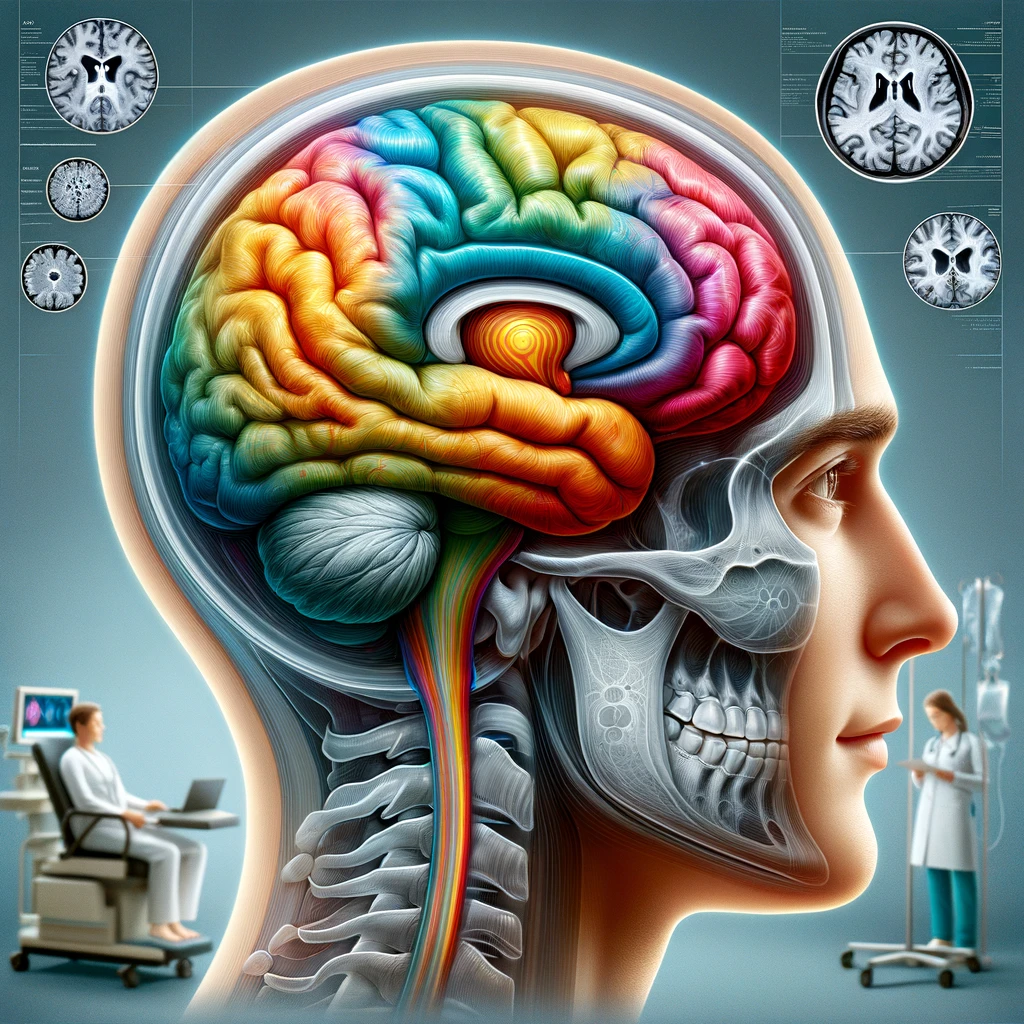
Functional neurological disorder (FND) is a condition that affects the functioning of the nervous system and how the brain and body send and receive signals. Unlike other neurological disorders, FND does not have a structural cause that can be identified through standard medical tests such as MRI scans or blood work. Instead, the symptoms arise due to a problem with the brain’s ability to send and process signals correctly, leading to a wide range of physical, sensory and cognitive symptoms. These can include seizures (not caused by epilepsy), limb weakness, tremors, balance issues, speech difficulties and episodes of non-responsiveness.
One of the major challenges surrounding FND is the lack of widespread recognition and understanding. Because symptoms can vary greatly from person to person and fluctuate in severity, and due to the absence of traditional diagnostic markers, FND is often misunderstood by both the medical community and the general public. This contributes to stigma and can delay both diagnosis and appropriate treatment. Raising awareness is crucial in changing this narrative, making public action and community support essential.
Education is key to building empathy and helping the public grasp the reality of living with FND. It is important to stress that FND is a genuine and disabling condition that can be as impactful as other neurological disorders. By learning more about how FND affects those who experience it—often impacting their social lives, employment, and mental well-being—people can begin to appreciate the importance of timely diagnosis, proper treatment, and emotional support.
Increasing awareness about FND also encourages those who may have unexplained neurological symptoms to seek help without fear of being dismissed. This, in turn, can lead to faster diagnosis and access to management strategies such as physiotherapy, psychological therapies and occupational therapy, all of which have been proven to improve outcomes for those with FND.
In promoting understanding, it is important to listen to the voices of those with lived experience. Personal stories, blog posts, podcasts, and direct engagement with the FND community allow for a more humanised and authentic insight into the condition, fostering empathy and greater awareness. These narratives play an integral role in reducing stigma and encouraging a more informed and compassionate public response.
Promoting FND through social media
Social media offers an incredibly powerful platform for raising awareness of FND and encouraging public action. Its broad reach and user-driven content make it ideal for amplifying messages, personal stories and educational information about the condition. Individuals can contribute simply by sharing or liking posts that promote understanding of functional neurological disorder, helping to increase visibility and generate meaningful conversations.
Creating or sharing infographics, statistics, and videos that explain FND in digestible, visual formats can capture attention and educate a wider audience. When these materials are evidence-based and easy to understand, they play a key role in counteracting misinformation and reducing the stigma associated with invisible illnesses. Additionally, using trending hashtags such as #FNDawareness or #FNDsupport can boost the visibility of posts, making it easier for them to appear in searches and reach beyond one’s immediate network.
Advocates, supporters and those with lived experience are encouraged to engage actively on platforms like Instagram, Twitter (X), Facebook, and TikTok, where they can connect with similar users and build a strong online community. This form of community support fosters solidarity, encourages open discussion of symptoms and treatments, and makes people feel less isolated in their experience. Regular posts, Q&A sessions or live discussions with healthcare professionals can also enable public engagement, allowing followers to learn and ask questions in real time.
Additionally, posting personal journeys or even brief updates about day-to-day challenges and triumphs with FND humanises the disorder for those unfamiliar with it. When individuals see what someone with FND goes through, it cultivates empathy and can shift public perception. Crucially, these narratives also inspire others who may be experiencing unexplained symptoms to seek help, reinforcing the value of early intervention and diagnosis.
Organisations and charities focused on FND often roll out social campaigns during awareness months or special events, and the general public can assist by reposting, participating in online challenges or using custom profile frames to show support. Small contributions like these can collectively lead to big changes in public awareness and ultimately encourage systemic shifts in how FND is understood and treated both socially and medically.
Supporting FND charities and events
One of the most tangible ways the general public can contribute to FND awareness is by supporting charities and events dedicated to the condition. These organisations play a vital role not just in providing resources and advocacy for those living with FND, but also in driving public action towards improved understanding and treatment. By donating funds, participating in awareness campaigns or volunteering time, individuals can directly influence the reach and impact of these critical efforts.
FND-specific charities often host sponsored runs, walks, awareness days and online fundraisers that serve as both community-building events and educational opportunities. Getting involved in such initiatives enables members of the public to raise funds that contribute toward medical research, patient support programmes and the creation of educational materials. These events also generate local and sometimes national media coverage, further amplifying community support and awareness in the wider population.
Another meaningful way to support FND charities is by becoming a regular donor or organising local fundraising events independently. Cake sales, quiz nights or virtual challenges can be highly effective both in generating donations and starting conversations about FND. Schools, workplaces and places of worship are ideal venues for such efforts, where community interaction helps introduce the subject to new audiences and fosters a more inclusive understanding of health conditions that lack visible symptoms.
Volunteering with FND charities offers yet another route to active engagement. Whether helping to plan events, manage social media outreach or distribute information packs, volunteering allows individuals to contribute their time and skills where they are most needed. In doing so, they become ambassadors for the cause, enabling informed dialogue in both personal and public spheres.
Art shows, storytelling workshops and panel discussions hosted by FND organisations also serve as powerful awareness tools, highlighting the emotional and social impacts of the condition. Public attendance and support for such events not only validate the experiences of those affected, but also build a foundation of empathy that is essential for community support. These cultural and educational platforms ensure that FND stays part of a broader public health conversation rather than remaining a misunderstood or overlooked condition.
Engagement with FND charities and events, whether through financial contributions, participation or advocacy, is a crucial part of shifting societal perceptions and encouraging systemic change. Each gesture—no matter how small—fuels the momentum behind raising awareness and ultimately advances the visibility and understanding necessary for more compassionate care and recognition of those living with functional neurological disorder.
Engaging with local communities and schools
Connecting with local communities and schools presents a valuable opportunity to foster awareness of FND at a grassroots level. Building these connections allows knowledge about functional neurological disorder to be shared in accessible, relatable settings where community support can have a lasting impact. Hosting community information sessions, workshops or awareness booths at local fairs and events helps to introduce FND to wider audiences, many of whom may have never encountered the term or its implications before. These informal environments make it easier for people to ask questions and engage without intimidation, laying the foundation for more inclusive public conversations about neurological health.
Schools serve as especially important venues for raising awareness, given their role in shaping young minds and promoting empathy from an early age. Collaborating with educators to integrate FND education into health and science lessons introduces the condition in a factual and considerate manner. Even simple presentations or assemblies can help students understand that not all disabilities are visible, and that neurological conditions can affect people of all ages and backgrounds. These efforts contribute to long-term shifts in how the next generation perceives and discusses health-related challenges.
Engaging parent-teacher groups and school leadership in supporting FND awareness initiatives can result in broader community action. Initiatives like non-uniform days, awareness ribbons, or school charity drives can raise funds for FND organisations while simultaneously spreading key messages about the condition. Local businesses can also play a role by sponsoring school-based events or displaying literature provided by FND charities, broadening the reach beyond school grounds and into the broader neighbourhood.
Involving community centres, libraries and youth clubs in awareness campaigns can extend the conversation to other demographics, including adults, retirees and marginalised groups. Hosting talks or inviting guest speakers with lived experience of FND can provide powerful, firsthand narratives that resonate more deeply than medical statistics. These experiences not only increase understanding but also reinforce the power of community support and empathy, showing that every individual has a role to play in reducing stigma.
Public action at the local level not only makes FND more visible, but also builds a support network that is both practical and compassionate. When local organisations are engaged, they can become allies in advocating for better services and inclusion of people with FND. In time, these efforts may lead to improved accessibility in community programming and contribute to a more inclusive approach across schools, recreational facilities and workplaces alike. True awareness begins with education, and local communities are ideal places to plant those important seeds of change.
Encouraging open conversations and education
Breaking the silence around health conditions like functional neurological disorder is vital to reducing stigma and misunderstanding. Encouraging discussions about FND in everyday settings helps to normalise the subject and offers an important opportunity for awareness to grow organically. By initiating conversations—whether at dinner tables, in workplaces, or during social gatherings—members of the public can help dismantle the misconceptions that often accompany invisible illnesses.
Educational efforts don’t need to take the form of formal instruction to be effective. Informally sharing accurate, accessible information about FND, such as what the condition entails, how it is diagnosed, and what living with it might involve, can have a tremendous ripple effect. People are far more likely to empathise and offer community support when they possess even a basic understanding of the challenges faced by those with the condition. This kind of public action empowers individuals to advocate within their own circles, creating a more informed and compassionate environment for those affected.
Where possible, integrating FND into broader health and wellbeing education can reinforce its legitimacy and increase its visibility. Educational institutions, workplaces and healthcare settings all have scope to include FND in their materials and discussions. Health educators, advocates and professionals can collaborate to develop workshops, leaflets and interactive content that explain FND in a straightforward manner. These materials can then be distributed or made available during health-themed events or awareness days, allowing the general public to engage with the topic in a structured yet approachable way.
Podcasts, webinars and community discussion groups dedicated to chronic illness and mental health can also provide welcoming spaces for people to learn about FND. When individuals hear from doctors, caregivers and particularly those living with the disorder, they not only acquire knowledge, but also develop a deeper emotional resonance with the experiences shared. These conversations challenge long-held stereotypes and reveal the nuanced, personal realities behind clinical definitions.
Books, articles, films and storytelling platforms also serve as powerful educational tools. Libraries and book groups can feature titles that include narratives about FND or similar conditions, prompting informed dialogue and promoting empathy through storytelling. Encouraging people to read or watch content related to FND opens the door to more understanding, and ultimately, to wider awareness and public acceptance.
Open dialogue also benefits those already living with FND by giving them the space and validation to share their experiences without fear of judgement. When someone can express their reality and be met with genuine interest or support, it breaks down walls of isolation and reinforces their position within the community. Likewise, listening without prejudice and offering support—even a simple gesture of asking how someone is managing their symptoms—sends a powerful message of solidarity and helps create a more inclusive society.
The more FND becomes part of our common conversations and education, the stronger the foundation for lasting change. When open dialogue and learning are encouraged from the bottom up, communities evolve to become more supportive, more informed, and better prepared to combat the stigma often faced by those living with invisible conditions.