
- Understanding functional symptoms
- Historical context of stigma
- Impact on patients and healthcare
- Barriers to diagnosis and treatment
- Strategies for reducing stigma
Functional symptoms refer to physical complaints that cannot be explained by structural disease or conventional medical tests, yet are very real and often distressing for those experiencing them. These symptoms affect how the body functions rather than being rooted in detectable organic abnormalities. Examples include chronic pain, fatigue, non-epileptic seizures, and gastrointestinal issues, all of which can significantly impair quality of life. Patients with these conditions commonly receive diagnoses such as Functional Neurological Disorder (FND), irritable bowel syndrome, or fibromyalgia.
Despite increasing clinical understanding, functional symptoms remain poorly understood in the general population and often carry stigma. This is partly due to their elusive nature; they are invisible in scans or blood tests, which can lead both healthcare professionals and the public to question the legitimacy of sufferers’ experiences. The perception that these symptoms are “all in the mind” has added to the burden of those affected, contributing to a lack of validation and, at times, inadequate care.
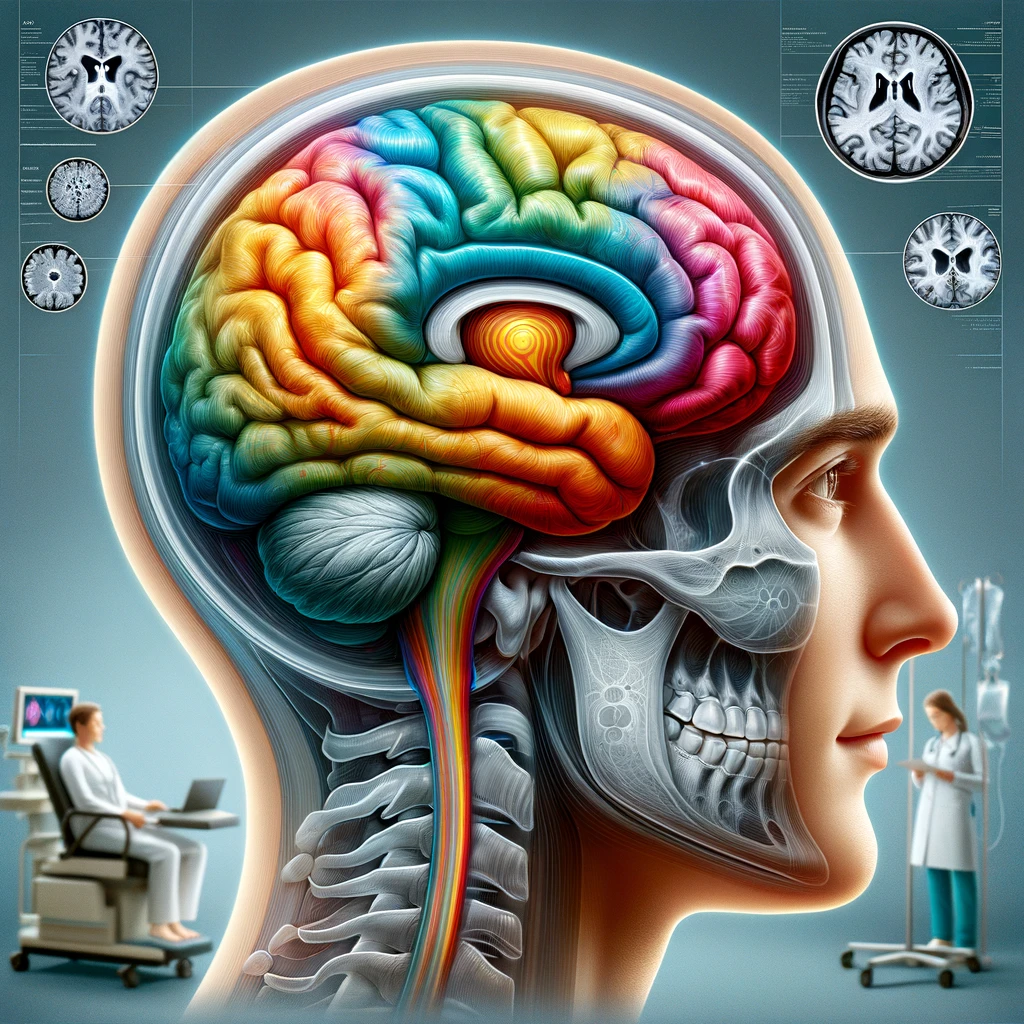
Scientific research has increasingly shown that functional symptoms result from disruptions in how the brain and body communicate, blurring the outdated distinction between mental and physical health. Brain imaging studies, for example, have revealed altered patterns in areas responsible for attention, emotion, and sensory processing in patients with FND. These findings reinforce the idea that while functional symptoms may not originate from structural damage, they have a measurable and neurological basis, thereby challenging the traditional mind-body divide.
The patient experience is central to understanding the real-world implications of these disorders. Many describe a long and frustrating journey to diagnosis, during which they may be mislabelled, dismissed, or accused of feigning illness. This not only delays appropriate treatment but also intensifies the psychological impact of the condition itself. For many, the lack of recognition and persistent stigma associated with functional conditions can be more debilitating than the symptoms they endure.
Given their complexity, functional disorders require a holistic and empathetic approach to care. It is essential that both medical professionals and the public move past outdated assumptions and treat these conditions with the same seriousness afforded to other chronic illnesses. Doing so will not only validate patient experiences but also improve clinical outcomes and reduce the burden of stigma in both healthcare and society at large.
Historical context of stigma
The roots of stigma surrounding functional symptoms stretch deep into medical history, shaped by evolving theories of the body, mind, and disease. In the 19th and early 20th centuries, conditions now recognised as Functional Neurological Disorder (FND) or other functional syndromes were often categorised under terms like “hysteria” or “neurasthenia”, labels heavily influenced by gendered and moralistic views of illness. Women were disproportionally diagnosed with these disorders, which were frequently attributed to emotional instability or suppressed desires, reinforcing harmful stereotypes and deeply stigmatising implications about character and legitimacy.
This early framing contributed to a long-standing belief that functional symptoms are inherently psychological or voluntary in nature, positioning the patient as unreliable or even malingering. It fostered a dichotomy between “real” physical illnesses, with observable pathology, and poorly understood conditions that could not be neatly measured or diagnosed using the tools of biomedical science. The legacy of this division continues to shape perceptions in both public and clinical spheres, with many patients reporting that their symptoms are met with suspicion or dismissal rather than researched curiosity or compassionate care.
The rise of psychoanalysis in the early 20th century further entrenched this divide, emphasising unconscious conflict as the cause of unexplained symptoms and focusing primarily on psychological intervention. While this acknowledged the legitimacy of symptoms, it often overlooked the neurological and physiological underpinnings that are only now beginning to be fully appreciated through contemporary research. As a result, patients often found themselves caught between physical and mental health services, neither of which fully addressed their needs—a gap that fuelled frustration, misdiagnosis, and ongoing stigma.
Institutional attitudes have also played a role. Medical training historically prioritised conditions with clear biological markers, inadvertently marginalising those with functional symptoms. This bias has affected generation after generation of clinicians, shaping the patient experience of those with conditions such as FND. Without sufficient education on the complexity and legitimacy of these disorders, healthcare professionals may unintentionally perpetuate the impression that functional symptoms are less deserving of attention or resources than other illnesses.
The historical neglect of functional disorders in research funding, policy priorities, and public health messaging further illustrates how stigma has been systemically embedded. Only relatively recently have efforts been made to standardise diagnostic criteria, improve clinical training, and promote a biopsychosocial understanding of these conditions. Understanding this historical context is essential in addressing the lingering misconceptions that continue to shape both patient experience and the quality of care provided today.
Impact on patients and healthcare
The stigma surrounding functional symptoms has a profound and often detrimental impact on both the patient experience and healthcare systems. Individuals with conditions such as FND frequently encounter disbelief and scepticism from not only society but also medical professionals. This misrecognition can deeply affect a patient’s self-esteem, leading to feelings of shame, isolation, and a reluctance to seek further medical attention. When symptoms are dismissed or minimised, patients may internalise these attitudes, blaming themselves for their illness or beginning to question the reality of their own experiences.
Healthcare interactions play a pivotal role in shaping how patients perceive their condition and how empowered they feel to manage it. Negative clinical encounters, where symptoms are discredited or erroneously attributed solely to psychological factors without a nuanced explanation, can foster mistrust in medical institutions. For many, this perpetuates a cycle of misdiagnosis, fragmented care, and repeated visits to different specialists, often with no satisfactory resolution. Patients might disengage from the healthcare system altogether, leaving their symptoms unmanaged and potentially worsening over time.
Professionals working within healthcare settings also bear the consequences of this dynamic. Uncertainty about the diagnosis and management of functional symptoms can contribute to clinician frustration, which may inadvertently be projected onto the patient. Time-constrained appointments, limited exposure to training in functional disorders, and the ambiguous nature of symptoms can compound feelings of helplessness for both parties. This can result in a breakdown in communication, diminished empathy, and the propagation of stereotypes that functional symptoms are less genuine or unworthy of rigorous medical attention.
Moreover, the allocation of healthcare resources is influenced by the misunderstanding of functional disorders. These conditions are often excluded from initiatives focused on chronic disease management, despite their prevalence and significant impact on quality of life. This oversight not only affects patient outcomes but also escalates costs due to repeated investigations, unnecessary procedures, and prolonged disability. The failure to integrate mental health and physical health services further exacerbates the issue, leaving patients with complex needs unsupported by a coherent, multidisciplinary approach.
Efforts to improve patient experience must therefore address both the clinical and systemic repercussions of stigma. Enhanced education for healthcare providers on conditions like FND, improved communication skills, and an integrated understanding of the biopsychosocial model are all critical steps. Removing the artificial divide between mental and physical health will allow for more compassionate, effective care pathways—ones that centre the patient and acknowledge the validity and complexity of their symptoms.
Barriers to diagnosis and treatment
Diagnosis and treatment of functional symptoms are often hindered by a complex array of systemic, educational, and interpersonal challenges that reflect and reinforce the stigma still surrounding these conditions. One of the most significant barriers is the lack of clear diagnostic criteria, which can lead to considerable variation in how symptoms are assessed and interpreted. As functional symptoms like those in FND may mimic other neurological disorders but do not show abnormalities on standard tests, clinicians may struggle to make confident diagnoses, often resulting in prolonged investigations, multiple referrals, or inappropriate treatments. This diagnostic uncertainty can leave patients in prolonged distress, with no clear explanation for their symptoms and no effective management plan.
Another key hurdle lies in medical education. Despite the high prevalence of functional disorders, many medical curricula offer limited training on the subject. As a result, some healthcare professionals may lack the knowledge or skills necessary to confidently identify and manage these conditions, leading to misdiagnosis or dismissive attitudes. In clinical encounters, patients may feel their concerns are minimised or misunderstood, especially if they perceive that their symptoms are being attributed solely to psychological causes without an adequate explanation of the underlying physiological mechanisms. This contributes to a negative patient experience and reinforces the societal perception that functional disorders are “not real” illnesses.
Communication challenges also significantly impede effective diagnosis and treatment. Discussing functional symptoms in a way that both validates the patient’s suffering and accurately represents the neurobiological underpinnings requires nuanced language and time—commodities often in short supply in busy healthcare environments. Without sensitive communication, patients may feel blamed, stigmatised, or even accused of fabricating symptoms, leading to breakdowns in the therapeutic relationship and further delays in care. A failure to explain the diagnosis of FND or similar conditions clearly and compassionately may also result in treatment non-compliance and disillusionment with healthcare providers.
Access to appropriate treatment represents another barrier. Evidence-based pathways for managing functional symptoms often include multidisciplinary approaches that integrate physical rehabilitation, psychological therapy, and neurologic oversight. However, such services are not universally available, particularly in rural or under-resourced areas. Even when treatments exist, stigma related to mental health or misunderstanding of functional conditions may prevent patients from accepting psychological therapies, especially if the referral is not carefully framed within a biopsychosocial model that encompasses the complex interaction between mind and body.
Furthermore, systemic fragmentation of healthcare services exacerbates difficulties. Patients with functional disorders frequently find themselves bouncing between specialities—neurology, psychiatry, physiotherapy—without a coordinated plan. In the absence of integrated care models, this fragmented approach can leave key aspects of the condition unaddressed, further delaying effective treatment. Insurance and commissioning models that prioritise clearly diagnostic conditions over syndromic presentations may also create structural disincentives for services to invest in the care of patients with functional symptoms.
These myriad barriers not only obstruct timely and effective intervention but also perpetuate a sense of invisibility and invalidation, fuelling the stigma that continues to envelop functional disorders. Improving the patient experience will require systemic commitment to training, service redesign, and patient-centred communication that challenges outdated assumptions and recognises the genuine suffering that these conditions entail.
Strategies for reducing stigma
Reducing the stigma surrounding functional symptoms such as those experienced in FND calls for a multi-tiered strategy that targets education, policy, healthcare practice, and public discourse. One of the most effective starting points is comprehensive education for healthcare professionals. Medical curricula need to be updated to reflect the latest understanding of functional conditions as neurobiological disorders with psychological and physiological dimensions. Embedding training on FND and related disorders into both undergraduate and postgraduate programmes can help shift outdated attitudes and equip clinicians with the knowledge and language to provide more empathetic, informed care. Regular professional development sessions and clinical guidelines should reinforce the legitimacy of these conditions and stress the centrality of the patient experience.
Equally crucial is the reframing of how functional symptoms are discussed in clinical settings. Language has a powerful influence on perceptions, and the use of clear, non-judgemental terminology can help validate patient concerns while improving treatment adherence. Clinicians should be supported in developing communication strategies that acknowledge the distress experienced by patients without resorting to explanations that imply the symptoms are imaginary or exaggerated. For example, framing FND as a real disorder of nervous system functioning—rather than a psychosomatic issue—can help patients feel understood and reduce their hesitation around accessing care, especially when mental health interventions are recommended as part of a broader, integrated treatment plan.
Public awareness campaigns can also play a pivotal role in challenging stigma. These campaigns should share accurate, accessible information about functional neurological disorders and related symptoms, highlighting personal stories, expert interviews, and media portrayals that humanise the condition. In the age of social media and digital platforms, working in collaboration with patient advocacy groups and individuals with lived experience offers a powerful means for reaching wider audiences and reshaping public narratives. Exposure to real stories is particularly effective in helping the broader community understand that these are genuine medical conditions deserving of empathy and support.
Integrating services across mental and physical health is another vital step. Too often, the artificial separation between the two leads to fragmented care, with patients receiving disjointed information and conflicting recommendations. Establishing multidisciplinary clinics that bring together neurologists, psychologists, physiotherapists, and other specialists can provide cohesive care and reduce the frustration often reported in the patient experience. Such models not only improve outcomes but signal to patients that the healthcare system takes their condition seriously and is committed to addressing it holistically.
Policy-level changes should accompany clinical reforms. Health authorities, insurers, and commissioning bodies must recognise the burden of functional symptoms and allocate resources accordingly. Funding for research, specialised services, and training programmes will legitimise the field and signal institutional commitment, helping to dismantle the structural dimensions of stigma. Inclusion of functional disorders in national mental health and chronic condition strategies can also ensure more consistent care planning and access to services.
Lastly, supporting peer-led initiatives can empower patients and foster community. Support groups, either in person or online, provide safe spaces where individuals can share experiences, exchange coping strategies, and counteract feelings of isolation often exacerbated by stigma. Facilitating connections between patients and healthcare systems through advisory panels or participatory research further ensures that patient voices are heard and that services evolve in tandem with lived experiences.
Stigma reduction is not a one-time intervention but an ongoing process that necessitates commitment at every level of society and care provision. By targeting cultural attitudes, clinical practice, and institutional frameworks, it is possible to transform how functional symptoms like FND are perceived and managed—a transformation that begins with acknowledging the complexity and validity of each patient’s journey.