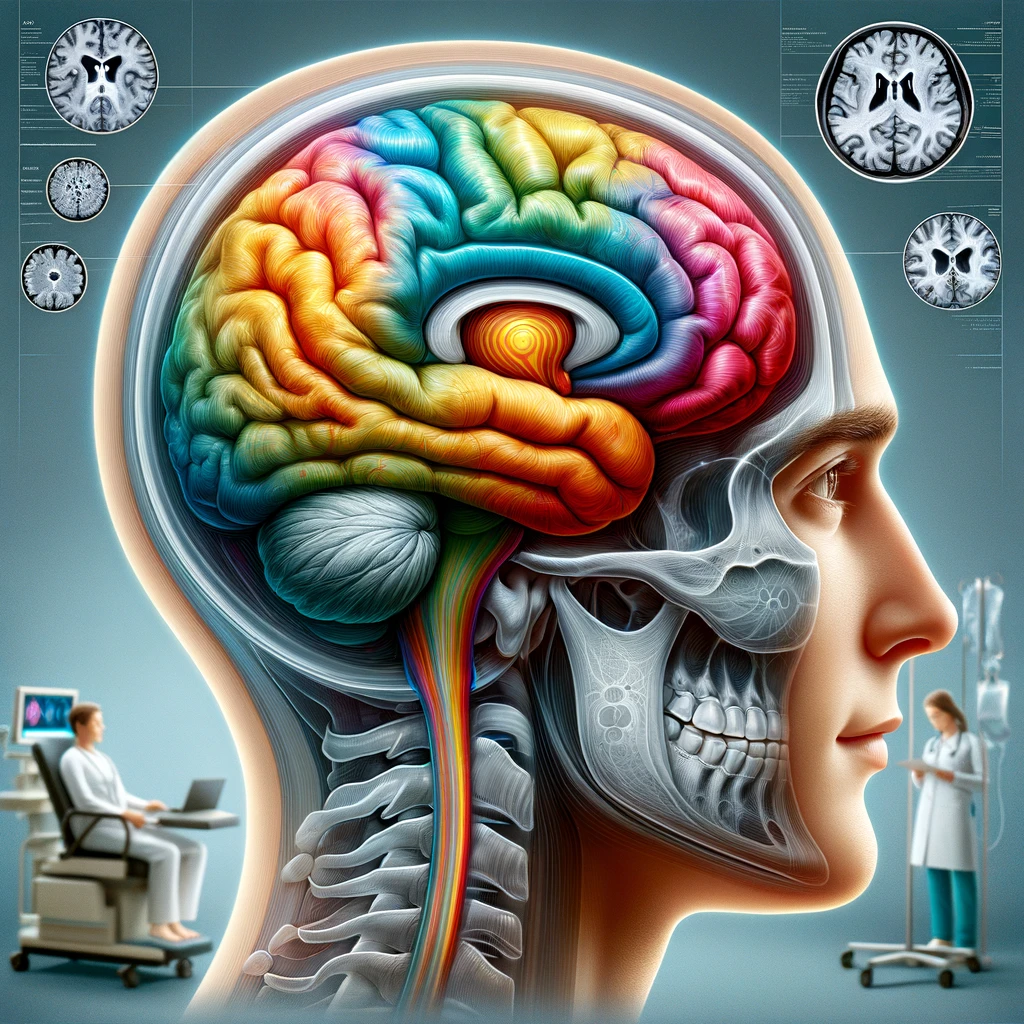

- Impact of media stereotypes on public perception
- Misrepresentation of neurological disorders in popular culture
- Consequences for individuals with functional neurological disorder
- Role of accurate media reporting in shaping understanding
- Strategies for improving media portrayal of FND
Media stereotypes have a powerful effect on public perception, particularly when it comes to neurological disorders. The media often resorts to oversimplified, dramatic, or sensational narratives when portraying individuals with brain-related conditions. These portrayals can lead to widespread misunderstanding and reinforce existing stigmas. In the case of functional neurological disorder (FND), a condition that is already poorly understood by the general public, the use of misleading stereotypes can have serious implications for awareness and empathy.
The representation of neurological disorders is frequently framed through extreme behavioural traits or visual cues that are not representative of the condition as experienced by most individuals. This skewed depiction reinforces the idea that legitimate illness must be visibly extreme or unmanageable—thereby casting doubt on more nuanced and less overtly visible conditions like FND. As a result, viewers may internalise the belief that symptoms of FND are exaggerated, deliberate, or psychological in origin, rather than neurological.
The influence of such media stereotypes filters into public discourse and can distort everyday attitudes. For instance, people who consume popular media are more likely to dismiss or question conditions they perceive as lacking the kind of dramatic manifestation seen on screen. This contributes to a growing scepticism and invalidation faced by many with FND, who often feel compelled to justify their symptoms or their diagnosis. The gap between clinical understanding and public perception continues to widen as a result.
Additionally, the lack of diversity in how neurological disorders are represented contributes to a narrow viewpoint. Characters portrayed with epilepsy, Tourette’s, or Parkinson’s might receive more consistent screen time than those with FND, leading to an imbalance in public exposure. Where FND is shown, it is often misunderstood or conflated with mental health issues, further muddying the waters in terms of public comprehension. The absence of accurate or diverse stories contributes to a lack of awareness and a diminished platform for advocacy.
The media plays a significant role in shaping public perception, and the continued use of misleading stereotypes perpetuates stigma and hinders progress toward broader understanding of conditions like FND. By reducing individuals with neurological disorders to caricatures, the media risks fuelling misconceptions that ripple into personal, social, and even institutional settings.
Misrepresentation of neurological disorders in popular culture
Popular culture, especially through television, film and digital content, has historically played a decisive role in shaping public perception of neurological disorders. Unfortunately, much of this portrayal tends to dramatised or sensationalise symptoms, often detaching them from their medical context. Conditions are frequently exaggerated for narrative impact, simplifying complex disorders into one-dimensional storylines. In turn, this reinforces misconceptions and perpetuates stigma—especially in the case of lesser-known disorders like functional neurological disorder (FND), which are already subject to widespread misunderstanding.
FND often gets minimal attention in popular media, and when it is portrayed, the condition is either mischaracterised or wrongly attributed to purely psychological causes. For example, characters may be depicted as feigning symptoms for attention or as suffering from vague “hysteria”, a term rooted in outdated and gendered medical views. These misrepresentations can distort public awareness, making it harder for audiences to grasp the more nuanced, neuroscience-based understanding of FND recognised by modern medicine. When entertainment prioritises drama over accuracy, the impact on people’s beliefs and attitudes can be considerable.
Moreover, representations of neurological disorders often rely on visible indicators such as tremors, seizures, or mobility issues, thus implying that a condition must be visibly obvious in order to be real or valid. This narrative excludes the many individuals with FND whose symptoms may vary or not conform to stereotypical depictions. This can leave viewers—both with and without medical knowledge—questioning the legitimacy of those who live with less ‘visible’ disorders, further deepening the public scepticism that already surrounds FND.
Popular culture is also replete with tropes that link neurological symptoms with violence, unpredictability or loss of control, particularly in film genres like horror, crime or thrillers. This conflation exacerbates the fear and misunderstanding of individuals with neurological conditions, casting them as inherently unstable or dangerous. Such portrayals are not only inaccurate but damaging, as they skew public perception away from empathy and contribute to social isolation for those affected.
Compounding the issue, characters with neurological disorders are rarely given central, nuanced roles. Their diagnoses are often used purely as plot devices, without offering insight into the everyday realities of living with such a condition. This underrepresentation robs audiences of the opportunity to develop awareness of the lived experience, and diminishes the richness of storytelling by excluding authentic narratives. For FND, which remains underdiagnosed and frequently misunderstood even in healthcare settings, this cultural omission further limits opportunities for society to gain a more accurate understanding of the disorder.
The ongoing misrepresentation in popular culture speaks to a broader need for responsibility in how media shapes narratives around neurological health. A shift towards more accurate and empathetic portrayals could significantly improve public awareness, challenge harmful stereotypes, and help dismantle the stigma still surrounding FND and similar conditions.
Consequences for individuals with functional neurological disorder
Individuals living with functional neurological disorder (FND) often face daily challenges not only from their own symptoms but also from the repercussions of how the condition is perceived by others. The way FND is portrayed—or more often, not portrayed—by the media has a significant bearing on the lived experiences of those with the condition. Misconceptions fuelled by popular culture often translate into real-life bias, disbelief and invalidation, which impact everything from social relationships to healthcare access.
One of the most consequential effects of inaccurate media portrayal is the erosion of public awareness and understanding. Many people with FND report encountering scepticism when disclosing their diagnosis, as its symptoms—such as tremors, non-epileptic seizures or weakness—can seem medically ambiguous to the layperson. When there is little or no accurate representation in the media to counterbalance this doubt, individuals are frequently forced to “prove” their illness both socially and medically, increasing their psychological burden and delaying access to appropriate care.
Such societal misinterpretation of symptoms can deeply affect the mental health and emotional wellbeing of those with FND. Feelings of isolation, shame and frustration are common, especially when their experiences are met with disbelief even from friends, family or employers. Furthermore, this dismissal can carry over into healthcare settings, where a lack of awareness about FND among professionals—partly shaped by the media-driven public perception—can lead to misdiagnosis or dismissal of symptoms as psychosomatic. This undermines treatment efficacy and may worsen long-term outcomes for patients.
In educational and employment contexts, the implications are equally troubling. Individuals may struggle to gain reasonable adjustments or support if the condition is not recognised as legitimate or serious. A lack of understanding from employers and educators, influenced by prevailing stereotypes or a low level of public awareness, often results in inadequate accommodations, reinforcing the marginalisation of those with FND. This reinforces a cycle of invisibility in both real life and media narratives.
Young people diagnosed with FND are particularly vulnerable to these consequences, as they are more likely to face peer rejection or bullying. Growing up in a culture where neurological disorders are either stigmatised or misrepresented on television and YouTube can shape how they perceive themselves. Without positive or realistic depictions, younger individuals may internalise the negativity, which may affect their self-esteem and willingness to seek support or talk openly about their diagnosis.
The intersection between media portrayal and public perception is particularly impactful when policy decisions and funding for research or support services are influenced by levels of societal awareness. Because FND remains largely absent from mainstream media, it is often overlooked in public health initiatives and underrepresented in advocacy efforts. This neglect not only stalls progress in medical and psychosocial care but also perpetuates the notion that it is less worthy of attention compared to more visible conditions.
Ultimately, individuals with FND not only contend with a complex neurological condition but must also navigate the weight of cultural misunderstandings shaped by media narratives. Until there is a marked improvement in how FND is portrayed and discussed across media platforms, those affected will continue to pay the price of this widespread misinformation through diminished quality of life, limited access to support, and enduring stigma.
Role of accurate media reporting in shaping understanding
Accurate media reporting plays a pivotal role in shaping public understanding of neurological conditions such as functional neurological disorder (FND). Responsible journalism, particularly when supported by input from medical experts and those with lived experience, can serve to educate rather than mislead the public. When media coverage offers balanced, well-researched content, it helps paint a more realistic picture of FND as a legitimate neurological condition, rather than perpetuating outdated prejudices or assumptions rooted in misunderstanding.
One of the most powerful outcomes of accurate reporting is the positive shift in public perception. Genuine awareness can only flourish when audiences are presented with truthful information that reflects the diversity and complexity of FND. Articles, documentaries and interviews that centre the voices of patients and clinicians can break down stereotypes and dispel myths—for example, the misconception that FND is “all in one’s head” or that it lacks a neurological basis. By articulating that FND is a disorder of nervous system functioning rather than structural damage, media can help bridge the knowledge gap between scientific understanding and general belief.
Furthermore, media outlets that make the effort to get the facts right demonstrate a commitment to social responsibility. Accurate coverage doesn’t just correct falsehoods; it builds empathy. When journalists move beyond sensational symptoms and explore the day-to-day realities of living with FND—such as the variability of symptoms, the diagnostic journey, and the often non-linear treatment process—they humanise the condition. This approach helps the public see beyond the diagnosis, cultivating a deeper respect for the individuals affected and validating their experiences.
Healthcare professionals benefit, too, from improved media reporting. An informed public may be more likely to seek medical advice rather than dismiss symptoms, and clinicians may face less pressure to “prove” the legitimacy of their diagnoses to sceptical patients or families. Media can aid in normalising conversations around FND, making it easier for individuals to feel comfortable discussing their health and seeking appropriate care. In this way, responsible media engagement serves as a conduit for improving health outcomes and reducing stigma.
Equally important is the influence that media has on policy and funding decisions. Public interest can drive political will, and stories that highlight the prevalence of FND and the challenges of obtaining timely diagnosis and treatment can lead to calls for more investment in research, training and support services. This creates a virtuous circle in which increased awareness leads to greater resources and improved care delivery, which in turn fuels further awareness.
Ultimately, the media holds significant potential to act as a catalyst for positive change in how FND is understood by the general population. When coverage is accurate and sensitive, it not only educates, but also empowers both those living with FND and the wider public. In contrast to the harm caused by sensationalism and misinformation, truthful storytelling rooted in clinical evidence fosters a culture of inclusion and understanding, standards which should be the guiding principles of all reporting on neurological conditions.
Strategies for improving media portrayal of FND
Improving the media portrayal of functional neurological disorder (FND) requires a multifaceted approach that involves collaboration between media professionals, medical experts, advocacy groups and individuals with lived experience. One of the most effective strategies is the inclusion of neurologists and psychologists during the development stages of media content—be it film, television or journalism. Their clinical insights can help ensure that depictions of FND are medically accurate and communicated in a way that aligns with current scientific understanding, rather than outdated assumptions or sensationalised tropes.
Another key strategy lies in amplifying the voices of those directly affected by FND. Testimonials, interviews, and first-person narratives offer powerful tools for storytelling that humanise the condition and counteract stereotypes. Including personal experiences in news articles or digital content fosters empathy and helps the wider public to understand the diversity of symptoms and the complexity of the condition. Increased visibility also challenges the narrative that FND is rare or unworthy of attention, thereby enhancing public awareness and potentially reducing stigma.
Training and guidelines for journalists and content creators are also essential steps toward responsible reporting. Media professionals should have access to resources that help them understand the difference between various neurological disorders and the nuances of functional symptoms. Initiatives by professional bodies to implement standards for reporting on health and disability can help guide ethical media practices. When practitioners understand the consequences of misrepresentation, they are more likely to avoid reductive or misleading portrayals of FND.
Campaigns led by advocacy organisations can also play a pivotal role in reshaping how the media addresses FND. By launching targeted advocacy and awareness campaigns—especially through social media platforms—organisations can engage with broader audiences, challenge myths, and demand better representation. These campaigns can serve as entry points for dialogue, encouraging media outlets to work in tandem with affected communities to tell more authentic stories.
Collaboration with documentary filmmakers and broadcasters can yield more in-depth explorations of FND. Unlike fleeting mentions in news cycles or brief appearances in fictional storylines, documentaries offer the space to explore the science, lived experience, and treatment challenges associated with the condition. Programmes that prioritise patient perspectives alongside expert commentary can contribute to a more informed public perception, shedding light on what it means to live with a disorder that straddles neurology and psychology.
Further, strengthening partnerships between media and academic institutions can ensure that research findings about FND are disseminated in accessible, engaging formats. Educational videos, explainer articles and interactive digital series can translate clinical knowledge into language suited to a general audience without sacrificing accuracy. These outreach efforts not only promote understanding but also affirm the legitimacy and complexity of FND as a real and treatable condition.
Improved representation of FND in fictional media must include character development that places individuals at the centre of varied, meaningful narratives—not solely as subjects defined by their condition, but as fully realised individuals living rich and multidimensional lives. This includes avoiding portrayals that link FND to deception or emotional instability and instead presenting characters who reflect the true spectrum of those affected. Doing so will not only enhance awareness but also shift cultural attitudes towards a more inclusive and empathetic understanding of neurological diversity.