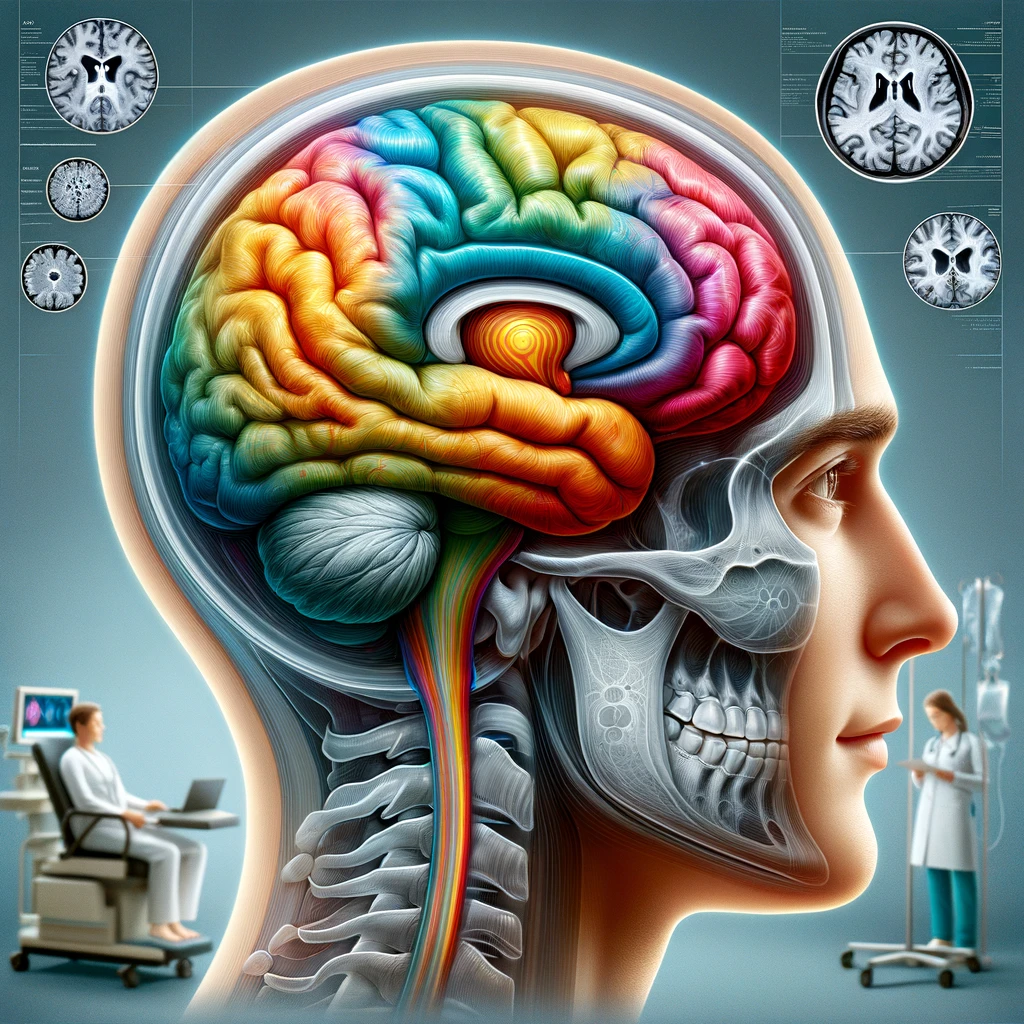

- Understanding functional neurological disorder
- Barriers to diagnosis and treatment in minority communities
- The role of cultural competence in healthcare
- Community engagement and outreach strategies
- Improving access through policy and advocacy
Functional Neurological Disorder (FND) is a condition in which patients experience neurological symptoms—such as seizures, paralysis, or movement disorders—without an identifiable structural or biochemical lesion in the brain. These symptoms are real and often disabling, yet they arise from a disconnect in how the brain and body communicate, rather than from conditions like stroke or multiple sclerosis. As a result, FND remains poorly understood not only by the public but also, at times, by healthcare professionals themselves.
Part of the challenge lies in the heterogeneity of symptoms. People with FND may present with a broad spectrum of issues, including tremors, weakness, sensory changes, non-epileptic seizures, or speech difficulties. These can change in frequency or severity, further complicating the diagnostic process. The lack of a definitive biomarker or test has also historically contributed to it being misclassified as psychogenic or “all in the mind”, which can lead to dismissal of patient experiences.
Stigma and misunderstanding of FND are pervasive. Public awareness of the disorder remains low, and many patients encounter disbelief or scepticism about their symptoms. This not only affects individuals’ mental health but can delay access to appropriate treatment and support services. Given its prevalence—it is one of the most common reasons for neurology outpatient visits—the need for improved recognition and understanding is urgent.
In contexts where diversity and inclusion are paramount, understanding FND takes on additional complexity. Research suggests that FND affects individuals across all demographics, yet disparities in diagnosis and care persist. Cultural perceptions of illness, language barriers, and variations in how symptoms are described can influence how FND is recognised and managed. As such, enhancing education about FND, both within medical curricula and through wider public awareness efforts, is a crucial first step toward equitable healthcare outcomes.
Barriers to diagnosis and treatment in minority communities
Minority and underserved communities often face significant barriers in receiving a timely and accurate diagnosis for functional neurological disorder (FND), contributing to delays in appropriate treatment. These barriers are multifaceted, stemming from socioeconomic factors, systemic biases, and disparities in healthcare access that disproportionately affect these populations. A lack of familiarity with FND among healthcare providers serving under-resourced areas further compounds the problem, often resulting in misdiagnoses or, worse, dismissal of patient concerns entirely.
Language barriers and limited health literacy in some communities can create significant obstacles to effective communication between patients and medical professionals. FND symptoms, which are often complex and variable, require careful and empathetic exploration. When this is hindered by a lack of shared language or understanding, critical diagnostic cues may be missed. Additionally, historical mistrust of medical institutions among some minority groups can lead to reluctance in seeking care, particularly for conditions like FND that are poorly understood and frequently stigmatised even within clinical settings.
Cultural beliefs about health and illness may also influence how symptoms are reported or interpreted. In certain cultures, neurologically unexplained symptoms may be attributed to spiritual causes or seen through a lens that differs significantly from Western medical paradigms. This divergence can lead to underreporting of symptoms or frustration when healthcare responses do not align with patients’ beliefs, further exacerbating the disconnect and providing yet another layer of difficulty in diagnosing FND accurately.
A further challenge is the scarcity of neurologists and specialist services in lower-income and rural communities, which tend to have higher populations of minority residents. When access to specialists is limited, general practitioners may be left to manage complex FND cases without adequate training or support. Without increased public awareness and targeted education, these patients risk being overlooked or inappropriately treated, perpetuating cycles of misdiagnosis and healthcare inequality.
Tackling these barriers requires a concerted effort that acknowledges the importance of diversity, equity, and inclusion at every level of the healthcare system. Ensuring accessible diagnostic pathways for FND must begin with outreach to underserved communities, culturally sensitive education initiatives, and the dismantling of biases that hinder patients’ ability to receive compassionate and effective care.
The role of cultural competence in healthcare
Developing cultural competence within healthcare systems is essential to improving outcomes for individuals with Functional Neurological Disorder (FND), particularly within communities marked by racial, ethnic, and linguistic diversity. Cultural competence refers to the ability of healthcare professionals to understand and respect cultural differences, tailoring care in ways that are sensitive and responsive to patients’ backgrounds. For individuals from underserved or minority communities, being met with cultural awareness and empathy can make the difference between receiving effective support or being marginalised within the healthcare journey.
For patients with FND, whose symptoms are complex and often misunderstood, culturally competent care is especially critical. When clinicians are trained to recognise how cultural beliefs and values influence health behaviours, they are better positioned to interpret symptoms in context and build trust with patients. In many cases, mistrust towards the healthcare system stems from historical injustices or previous negative encounters, which are exacerbated when patients feel their experiences are being dismissed or misread. In contrast, culturally competent practitioners are more likely to validate patients’ experiences, leading to improved diagnostic accuracy and adherence to treatment recommendations.
Language proficiency is an essential component of cultural competence. Providing interpreters or multilingual resources helps bridge communication gaps that often exist in discussions about FND diagnosis and treatment. Lack of clear, accessible health information in a patient’s first language can lead to misunderstandings, delays in diagnosis, and reduced treatment adherence. By ensuring that public awareness campaigns and educational materials are linguistically inclusive, healthcare providers can extend the reach of critical information about FND and its management to a broader spectrum of individuals.
Furthermore, incorporating diversity and inclusion into medical education programmes can help new generations of clinicians understand not only how FND presents, but how cultural attitudes toward mental health and neurological illness affect patient engagement. For example, in some cultures, psychosomatic explanations of illness are heavily stigmatised, which may discourage individuals from seeking help or fully disclosing symptoms. Healthcare workers who are educated on these nuances are better equipped to respond thoughtfully, reducing stigma and encouraging collaborative care.
Curriculum reform, diversity training, and inclusive mentorship structures all contribute to a more representative and culturally aware workforce, which in turn improves patient relations and clinical outcomes. Moreover, involving patients and community leaders in shaping healthcare services ensures that voices from marginalised groups are considered in service design and delivery. This participatory approach not only enhances the relevance of interventions for FND but also strengthens public awareness by placing community narratives at the centre of health education efforts.
As the understanding of FND evolves, building a healthcare environment rooted in inclusion, empathy, and cultural awareness must form part of the ongoing strategy to improve care for all. With focused efforts on increasing diversity across the healthcare profession and embedding cultural competence into care delivery, the systemic disparities that have long affected minority and underserved populations can begin to be addressed more meaningfully.
Community engagement and outreach strategies
Effective community engagement and outreach are vital tools in raising public awareness of Functional Neurological Disorder (FND), especially in minority and underserved populations where misunderstanding and misdiagnosis are more common. Traditional awareness campaigns may fail to reach these communities, making it essential to develop grassroots initiatives that are both culturally relevant and accessible. Community leaders, faith-based organisations, and local advocacy groups often serve as trusted sources of information and can play a pivotal role in sharing accurate information about FND within their networks.
Developing strategic partnerships with local organisations allows healthcare institutions and FND advocates to create outreach programmes that resonate with the lived experiences and language of the community. Holding educational workshops in community centres, places of worship or at local events provides opportunities to demystify FND and empower people with knowledge. These events should be supported by multilingual materials, visual aids, and testimonies from individuals with lived experience of FND to ensure that the messaging is inclusive and relatable.
Digital platforms also offer a powerful means of communication, especially among younger generations. Creating culturally tailored content on social media channels can help bridge the gap between clinical understanding and community-based awareness. Video campaigns, blogs, and social media posts featuring culturally diverse individuals discussing their experiences with FND can contribute to reducing stigma and increasing visibility. However, digital outreach must be complemented by in-person engagement to effectively reach those with limited internet access or digital literacy.
Another impactful approach involves training community health workers and peer advocates from within minority communities to act as intermediaries between the public and the healthcare system. These individuals can offer basic education about FND, help others navigate health services, and advocate for those struggling to access appropriate care. This peer-to-peer model promotes trust and fosters sustained engagement, ensuring outreach efforts are not one-time events but part of a longer-term strategy.
Involving individuals with lived experience of FND as co-creators of outreach campaigns is essential for ensuring that interventions are authentic and effective. Their insights can inform not only the language and visuals used but also the specific concerns that need addressing within various communities. Such inclusion signals a move toward equity in healthcare discourse and acknowledges that lived experience is a form of expertise. By adopting this participatory approach, FND awareness campaigns can be more attuned to the cultural, linguistic, and social realities of the communities they aim to serve.
Ultimately, raising public awareness of FND in minority and underserved populations depends on ongoing dialogue, mutual respect, and a commitment to inclusion. Targeted outreach strategies grounded in the principles of diversity and community empowerment offer a path forward in dismantling stigma, improving understanding, and ensuring all individuals affected by FND have access to the support and resources they need.
Improving access through policy and advocacy
Access to functional neurological disorder (FND) care is greatly influenced by policy and advocacy efforts that prioritise equity, inclusion, and diversity. Addressing structural barriers requires changes at both the institutional and governmental levels to ensure that underserved and minority communities are not left behind in receiving adequate diagnosis and treatment. Policy interventions that improve funding for FND services within public healthcare systems, promote inclusive training initiatives for health professionals, and allocate resources specifically for minority health can help close long-standing disparities in care.
Governmental health agencies and non-profit organisations play a critical role in recognising FND as a public health concern and supporting initiatives that foster public awareness. When FND is included in national health education curricula, clinical guidelines, and funding priorities, it becomes easier to direct resources toward research, professional training, and community outreach. For example, commissioning studies that investigate how FND affects different demographic groups can provide the data needed to develop more targeted services and interventions.
Equally important is advocating for inclusive mental health and neurological care policies that address the overlapping social determinants of health—such as poverty, housing insecurity, racism, and immigration status—that can impact access to health services. Advocacy groups pushing for systemic reform can influence legislation that mandates equitable access to specialist services, expands telehealth availability for rural areas, or provides translation services in clinics. These structural solutions can significantly improve outcomes for individuals with FND, whose journey through the healthcare system is often marked by misunderstanding and neglect.
Another aspect of improving access through policy includes the integration of FND into wider disability and chronic illness frameworks, which can open pathways to social support programmes, employment protections, and accessible healthcare benefits. Minority populations dealing with FND may struggle more severely when these supports are inaccessible or limited by eligibility barriers that overlook the dynamic and episodic nature of the condition. Advocates must work to ensure that policies are inclusive of all forms of disability, including those that are invisible or not widely understood.
To strengthen advocacy efforts, the involvement of individuals with lived experience is essential. Policy development should be informed by those directly affected by FND, particularly from underrepresented and marginalised backgrounds. Their voices bring valuable insights into the real-world challenges of accessing care, navigating systemic bias, and dealing with the stigma of misunderstood neurological symptoms. Establishing advisory panels and patient-led initiatives ensures that policies crafted in boardrooms reflect the realities on the ground.
Cross-sector collaboration between healthcare institutions, community-based organisations, and policymakers can help drive forward comprehensive changes. For instance, by aligning with broader campaigns for healthcare equity, FND advocates can amplify their message and place the condition firmly within the discourse on diversity and inclusion in medicine. This strategic alignment also strengthens public awareness by connecting FND to familiar issues of health justice and community well-being.
Continued investment in culturally aware public health campaigns supported by policy is critical in reshaping how FND is perceived and addressed. Legislative support for awareness weeks, funding for grassroots education, and incentives for healthcare providers to undergo diversity training are all viable mechanisms for embedding long-lasting change. These coordinated efforts can transform an often-fragmented system, creating a more inclusive and responsive environment where all individuals with FND—regardless of background—can access the care and recognition they deserve.