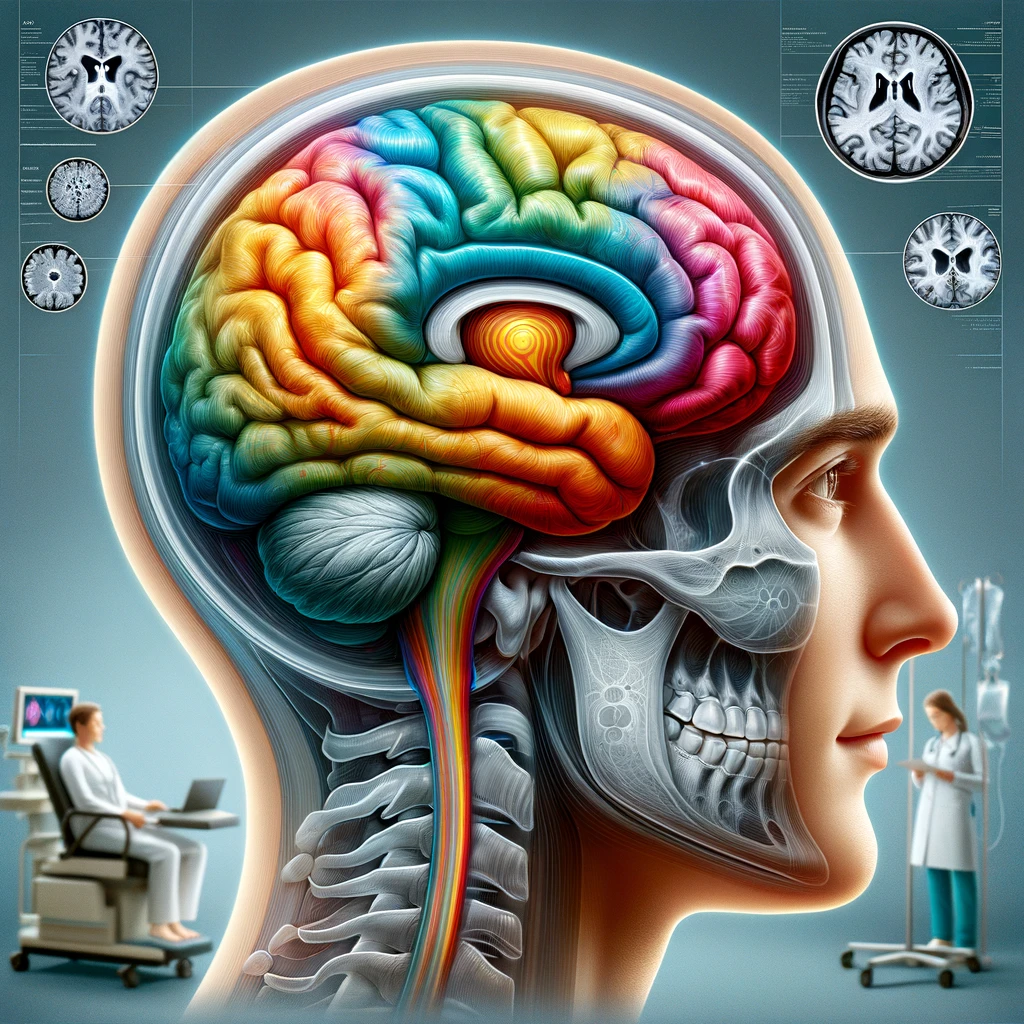

- Prevalence and presentation of FND in emergency departments
- Diagnostic challenges and misinterpretation
- Initial assessment and management strategies
- Role of multidisciplinary care in the emergency setting
- Recommendations for staff training and future research
Functional Neurological Disorder (FND) is increasingly recognised as a significant contributor to patient admissions in emergency departments (EDs) across the UK. Estimates suggest that FND accounts for approximately 6–10% of neurology outpatient referrals and represents a notable percentage of neurologically themed consultations in EDs. The acute presentation of FND often mimics life-threatening conditions such as stroke, seizure, or syncope, leading to frequent admission through emergency care pathways.
Patients typically present with symptoms including non-epileptic seizures, functional limb weakness, abnormal gait, or sensory disturbances. These symptoms can be dramatic and alarming both to patients and medical staff, often precipitating extensive medical investigations to rule out structural or organic causes. The hallmark of FND is the presence of neurological symptoms that are inconsistent with recognised disease patterns or anatomy, yet are genuine and distressing for the patient. This inconsistency is a key reason why FND presents persistent diagnosis challenges in EDs, where rapid differentiation from immediately life-threatening conditions is a priority.
Importantly, many patients arrive in crisis, sometimes with prolonged seizure-like episodes or sudden paralysis, prompting emergency teams to act quickly. These presentations can lead to high resource utilisation, including unnecessary imaging or prolonged neurological observation. Despite appearing well once symptoms resolve, patients with FND often return repeatedly to the ED, reflecting the chronic and relapsing nature of the condition if not appropriately managed.
There is also a notable disparity in how these patients are perceived during acute care encounters, with some clinicians recognising the signs of FND while others may misconstrue the symptoms as feigned or exaggerated. This perception can have a significant impact on the initial course of treatment and the patient’s ongoing relationship with healthcare services. Raising awareness of the prevalence and diversity of FND presentations is key to improving outcomes and reducing repeated emergency attendances.
Diagnostic challenges and misinterpretation
The diagnosis challenges inherent in identifying Functional Neurological Disorder (FND) in emergency departments stem from the condition’s overlap with other acute presentations such as epilepsy, stroke, or syncope. Clinicians operating in the fast-paced environment of emergency care often prioritise ruling out life-threatening causes, which can inadvertently delay or obscure the identification of FND. This urgency, while necessary, frequently results in over-investigation and inconsistent application of diagnostic criteria, leading to misdiagnosis or failure to recognise functional symptoms altogether.
A significant hurdle lies in the variability and subjective nature of FND symptoms. Presentations like functional seizures lack the distinctive electroencephalographic features seen in epileptic seizures, compelling clinicians to rely heavily on clinical judgement. Without sufficient training in FND recognition, symptoms may be misinterpreted as malingering, psychiatric in origin, or dismissed outright. This misattribution not only undermines patient care but also fuels stigma and hampers early intervention efforts.
Another challenge is the episodic and reversible nature of many FND symptoms. For example, a patient may arrive at the emergency department unable to move a limb, yet show normal strength during later examination, which can lead to perceptions of intentional symptom fabrication. These inconsistencies, although characteristic of FND, can perplex even experienced clinicians unfamiliar with the disorder’s diagnostic features, such as Hoover’s sign or tremor entrainment. As a result, FND may be inappropriately categorised, sometimes leading to unnecessary hospital admission or, conversely, premature discharge without appropriate follow-up care.
Communication barriers and time constraints further compound the diagnosis challenges. Explaining FND in a manner that validates the patient’s experience, while distinguishing it from neurological disease, requires a delicate balance of empathy and education—skills not routinely supported in high-pressure acute settings. Clinicians may avoid discussing FND altogether if they feel ill-equipped, leaving patients confused and dissatisfied.
Moreover, existing diagnostic protocols in emergency care frequently lack provisions for functional disorders. Unlike conditions such as myocardial infarction or stroke, which benefit from well-defined pathways, FND remains a diagnostic grey area. The absence of standardised assessment tools or clear referral processes means that patients are often left in limbo after discharge, disconnected from the multidisciplinary care they require for long-term management.
Ultimately, misinterpretation and diagnostic uncertainty surrounding FND contribute to repeated ED visits, patient distress, and strained resources. Addressing these issues demands a paradigm shift in how emergency services conceptualise and handle functional presentations. Encouraging early recognition and confident, informed diagnosis are crucial steps in optimising care for individuals affected by FND.
Initial assessment and management strategies
In the emergency care setting, the initial assessment of patients presenting with symptoms of Functional Neurological Disorder (FND) requires a structured yet adaptable approach. Given the acute presentation often mimicking conditions such as seizures or stroke, clinicians must swiftly balance the need for urgent exclusion of life-threatening pathologies with the nuanced recognition of FND-specific features. When a patient presents with collapse, weakness, or abnormal movements, priority is given to stabilising vital signs and conducting basic investigations, including neuroimaging and laboratory tests, to eliminate potentially dangerous causes.
Despite the prevailing diagnosis challenges, early identification of clinical signs suggestive of FND can shape a more effective and efficient patient journey. Indicators such as inconsistency in symptom expression, variability over short periods of observation, and positive signs like Hoover’s sign for functional weakness or variability in tremor with distraction, are essential in supporting a functional diagnosis. Emergency clinicians trained to spot these hallmarks can begin to differentiate FND from other neurological emergencies at the bedside, reducing unnecessary interventions and admissions.
Management strategies should prioritise clear, compassionate communication. Once organic causes have been ruled out, it is important to explain the nature of FND in language that avoids implying symptoms are imagined or under voluntary control. Framing FND as a common yet frequently misunderstood disorder of brain function, rather than structure, can reassure patients while setting the stage for meaningful follow-up care. Immediate referral to appropriate outpatient services—such as neurology, liaison psychiatry, or physiotherapy—should be considered whenever possible to prevent repeated ED attendance.
Supportive techniques during the acute presentation may include grounding interventions for patients experiencing dissociative seizures, reassurance for transient motor or sensory symptoms, and minimisation of unnecessary medicalisation. Avoiding repeated high-acuity interventions when organic pathology has been excluded helps to de-escalate the patient’s distress and reduces reliance on hospital-based care. Documenting the presence of functional signs, along with the absence of structural explanation, provides valuable clinical continuity for subsequent encounters.
Developing pathways within emergency departments that facilitate early multidisciplinary involvement, even if initiated upon discharge, can significantly improve outcomes. The acute care phase should ideally serve as a window of opportunity, where patients are redirected toward therapeutic avenues and away from repeated crisis-driven attendances. Structured safety-netting, including written information about FND and contact points for follow-up, supports patient understanding and promotes engagement with longer-term care.
Role of multidisciplinary care in the emergency setting
Effective multidisciplinary care is essential in the management of Functional Neurological Disorder (FND) during acute presentation in emergency care settings. Given the complex interplay between neurological, psychological, and social factors inherent to FND, collaboration among various healthcare professionals is crucial for stabilising the patient and establishing a coherent management plan. In many cases, the input of emergency physicians, neurologists, psychiatrists, physiotherapists, and specialist nurses is needed to ensure that care is appropriately tailored and responsive to the individual’s presentation and history.
Within the emergency department, neurologists can play a pivotal role when consulted early, especially when a functional diagnosis is suspected due to incongruent clinical signs or fluctuating symptoms. Their expertise is vital in distinguishing between organic neurological pathology and functional symptoms, thus reducing the risk of misdiagnosis and the associated cascade of unnecessary investigations and treatments. In parallel, liaison psychiatrists can provide immediate psychological assessment and input, particularly when patients present with distress, dissociation, or a background of trauma—factors commonly associated with FND but often overlooked in the acute setting.
Moreover, the presence of acute psychiatric symptoms or comorbid mental health conditions, such as anxiety or depression, often complicates the clinical picture. A multidisciplinary team can work together to ensure that these conditions are neither ignored nor mistaken for the sole cause of the functional symptoms, avoiding the common pitfall of reductionist interpretations. Instead, such teams can deliver a more nuanced explanation to the patient, one that validates their experience and promotes acceptance of the diagnosis while paving the way for future therapeutic engagement.
Physiotherapists, though not always immediately available in emergency settings, also have a key role in the early phase of FND management. When accessed, they can assess movement-related symptoms and advise on appropriate physical strategies to avoid reinforcing maladaptive motor patterns. Even brief physiotherapy contact in the emergency department can help reduce fear-avoidant behaviours and provide reassurance about the reversibility of symptoms, which is central to recovery. Some EDs may pilot early access pathways to physiotherapy or offer initial movement advice by appropriately trained staff prior to outpatient referral.
The interdisciplinary handover enabled by a collaborative team also ensures better continuity of care. For instance, shared documentation of positive functional signs and a working diagnosis allows for more coordinated follow-up by community or outpatient services. If a multidisciplinary team embeds a structured care pathway early in the patient experience, it increases the likelihood of engagement with long-term therapy and decreases recurrent ED visits driven by diagnostic uncertainty or lack of coordinated outpatient support.
A major benefit of this integrated approach is its potential to mitigate the diagnosis challenges commonly encountered in emergency care settings. By pooling expertise, team members can arrive at a confident diagnosis of FND while reassuring both clinician and patient that immediate threats have been excluded. This not only fosters greater trust in healthcare professionals but also allows the patient to begin understanding FND as a legitimate medical condition requiring specialist input rather than repetitive emergency responses.
The presence and proactive utilisation of a multidisciplinary care model in emergency departments highlight a shift away from fragmented, single-discipline approaches and towards a more cohesive framework of functional care. As further research and awareness of FND grow, this multidisciplinary ethos must be formalised through emergency care protocols and supported by the wider healthcare system to ensure that patients presenting with FND receive timely, appropriate, and compassionate intervention from the outset.
Recommendations for staff training and future research
Improving the quality of care for patients with Functional Neurological Disorder (FND) in emergency care settings begins with targeted training initiatives for clinical staff. Emergency departments are often the first point of contact during acute presentation, placing frontline clinicians in a critical position to identify and manage FND appropriately. Despite this, many professionals report uncertainty regarding diagnosis challenges, effective communication strategies, and appropriate next steps for patients suspected of having FND. This gap necessitates structured education programmes that incorporate both theoretical and practical elements focused on the specific nuances of FND.
Training for emergency staff should cover the clinical characteristics of FND, including commonly observed signs such as Hoover’s sign, entrainable tremors, and sensory inconsistencies. Simulation-based training can provide valuable experiential learning opportunities, allowing clinicians to practise recognising subtle but distinct features that differentiate FND from organic neurological conditions. Additionally, modules on empathetic communication are crucial, as the way in which a functional diagnosis is conveyed can significantly influence patient understanding, engagement, and long-term outcomes.
Importantly, staff education must also challenge outdated misconceptions about FND being a purely psychological or feigned illness. Interdisciplinary teaching, involving neurologists, psychologists, and physiotherapists, can present a biopsychosocial model that reflects the current medical consensus on FND. By emphasising that symptoms are unconscious and genuinely distressing, training helps reduce stigma amongst healthcare professionals and fosters a more cohesive and respectful approach to patient care within the emergency department.
Beyond baseline staff induction, ongoing professional development is vital given the evolving understanding of FND. Emergency departments should incorporate regular refresher courses, appraisal-linked learning, and access to easily digestible educational resources such as videos, factsheets, and podcasts. These tools should be designed for busy clinicians and include diagnostic algorithms, case examples, and guidance for initiating emergency care pathways that include functional diagnoses.
Future research should aim to evaluate the impact of such training on clinical outcomes, including rates of correct diagnosis, referral quality, and reduction in avoidable investigations or repeat attendances. More robust data is also needed on how educational interventions affect clinician confidence in managing FND during acute presentation. Randomised trials and service evaluations could provide essential insights into how training influences both team dynamics and individual clinician behaviours under pressure.
There is considerable scope for research into system-wide strategies that support FND recognition and management in emergency settings. Developing standardised care pathways that clearly define referral to specialist services, integration with community care, and follow-up processes would provide much-needed consistency. Pilot schemes trialling multidisciplinary on-call support or rapid-access FND clinics linked to emergency departments could also be evaluated for their effectiveness in improving patient flow and satisfaction.
Educational leadership within emergency medicine can play a vital role in embedding FND awareness into broader curriculum frameworks. Collaboration with medical schools, royal colleges, and continuing professional development providers should ensure that FND becomes an integral part of emergency medicine training standards. This would enable future generations of clinicians to approach functional symptoms with confidence, compassion, and clinical acumen, ultimately enhancing the quality of care delivered to this often-misunderstood patient group.