
- Diagnostic challenges in distinguishing FND from other conditions
- Shared symptoms across neurological disorders
- Comorbidities and dual diagnoses
- Neuroimaging and clinical investigations
- Implications for treatment and patient management
Functional Neurological Disorder (FND) presents a significant diagnostic challenge due to its symptom overlap with a range of other neurological conditions, including epilepsy, multiple sclerosis (MS), and stroke. One of the core difficulties in clinical practice lies in distinguishing FND from these conditions, particularly in emergency or early assessment settings where time and diagnostic resources may be limited. Notably, patients with FND may exhibit paroxysmal events that closely resemble epileptic seizures, leading to frequent misdiagnoses and the risk of inappropriate pharmaceutical interventions.
Unlike many neurological conditions with clear structural or biochemical abnormalities, FND is diagnosed primarily on the basis of positive clinical signs such as inconsistency or incongruence of symptoms, rather than by exclusion. This contrasts with the traditional approach to neurological illness, which often relies on radiological or laboratory findings. The reliance on clinical judgement increases the risk of diagnostic error, especially in the absence of clinicians experienced in differentiating between epileptic seizures and functional (non-epileptic) seizures.
MS is another condition often confused with FND due to overlapping symptoms such as fatigue, sensory disturbances, weakness, and gait issues. However, MS typically demonstrates identifiable lesions on MRI scans and abnormal cerebrospinal fluid findings, while FND does not show these structural markers. Still, early MS or atypical presentations may lack these definitive markers, further complicating the differential diagnosis.
The variability and inconsistency of functional symptoms can lead to suspicion of feigning or psychological causes, sometimes resulting in a delay in diagnosis or misattribution of symptoms. The stigma associated with FND, coupled with the lack of visible pathology, often undermines the seriousness with which patients’ symptoms are perceived. This can have a detrimental effect on patient outcomes by delaying referral to appropriate multidisciplinary care.
Moreover, well-intentioned but unnecessary exploratory treatments or procedures may be pursued when FND is not recognised early. These may include anti-seizure medications, immunotherapy for presumed MS, or even surgical interventions. Such approaches not only fail to address the functional basis of symptoms but also expose patients to potential harm and healthcare systems to increased costs.
In order to improve diagnostic accuracy, clinicians must be trained to recognise hallmark features of FND, such as entrainable tremors, Hoover’s sign, and distractibility. Use of validated diagnostic criteria and early involvement of specialists in movement disorders or neuropsychiatry can play a critical role in refining the diagnostic process. Establishing FND as a positive diagnosis, rather than a diagnosis of exclusion, is essential for reducing misdiagnosis and ensuring timely access to appropriate therapeutic interventions.
Shared symptoms across neurological disorders
Many of the clinical symptoms associated with Functional Neurological Disorder (FND) are shared with those seen in other neurological conditions such as epilepsy, multiple sclerosis (MS), Parkinson’s disease, and migraine, which can significantly complicate differential diagnosis. Motor and sensory disturbances, fatigue, non-epileptic seizures, dizziness, and cognitive complaints are among the most frequently reported symptoms in FND, but these are also hallmark features in a range of other chronic neurological disorders. This substantial symptom overlap can make it exceedingly difficult to determine whether a patient’s presentation is due to FND alone, another neurological condition, or a coexistence of both.
For instance, seizure-like episodes present a particularly challenging overlap. Individuals with FND may exhibit dissociative (non-epileptic) seizures, which can mimic generalised tonic-clonic epileptic seizures in appearance. These events may include convulsions, altered consciousness, and vocalisations, making clinical differentiation from epilepsy difficult without prolonged EEG monitoring to detect the absence of epileptiform discharges. Misinterpretation of a single or brief assessment can lead to incorrect administration of anti-epileptic drugs, which typically do not alleviate symptoms in FND and may introduce unnecessary side effects.
Similarly, sensory disturbances and motor weakness are common in both MS and FND. While MS usually shows demyelination visible on MRI and specific findings in cerebrospinal fluid, its early stages can lack definitive radiological evidence. This makes early MS presentations particularly susceptible to confusion with FND, where the symptoms may be strikingly similar but inconsistent or influenced by attention and distraction. Gait instability and fatigue—frequent complaints in both disorders—are also nonspecific, necessitating careful clinical appraisal to establish a clear diagnosis.
The complexities increase when considering abnormal movements such as tremors, dystonia, or myoclonus, which can occur in FND as well as in neurodegenerative conditions like Parkinson’s disease or essential tremor. Functional tremors, however, often demonstrate features not typically seen in organic tremors, such as variability with distraction or changes in task demands. Use of bedside tests such as finger tapping in rhythm with the tremor can help differentiate functional from organic origins, but only when clinicians are trained to recognise these subtleties.
Cognitive symptoms such as memory lapses, disorientation, or fogginess can mimic early dementia syndromes or be mistaken for post-concussive symptoms, leading to potential misattribution. Furthermore, speech disturbances in FND—including dysarthria or dysphonia—may resemble those seen in stroke or progressive neurological diseases, further confounding accurate identification. As such, reliance solely on symptom presentation is often insufficient and must be coupled with functional assessments and positive clinical signs to arrive at an accurate differential diagnosis.
Ultimately, the overlapping symptomatology between FND and a broad range of neurological conditions necessitates a nuanced and multidisciplinary approach to diagnosis. Without awareness of these shared features, there is a substantial risk of mistaking functional symptoms for those of an alternative neurological disorder, or vice versa, leading to delays in treatment and increased patient distress. Recognising the patterns of symptom presentation that are more suggestive of functional aetiology—such as variability, distractibility, and non-anatomical distributions—is essential for improving diagnostic precision and patient care outcomes.
Comorbidities and dual diagnoses
The relationship between Functional Neurological Disorder (FND) and other neurological conditions is not limited to diagnostic confusion; in many cases, patients with FND also experience comorbid neurological or psychological conditions, which can further complicate the clinical picture. It is increasingly recognised that individuals may concurrently suffer from both FND and an organic neurological disorder such as epilepsy or MS, making differential diagnosis particularly challenging. This dual diagnosis phenomenon necessitates a careful and holistic assessment to distinguish functional symptoms from organic ones and to ensure that both aspects of the patient’s condition are appropriately managed.
For example, studies have shown that a significant proportion of patients diagnosed with epilepsy also experience functional (non-epileptic) seizures. These coexisting conditions may result in patients being treated exclusively for epilepsy, using anti-epileptic medications that are ineffective against functional seizures. Without identifying the functional component, clinicians may inadvertently perpetuate ineffective treatment strategies, which can contribute to symptom chronification, patient frustration, and reduced quality of life. The differentiation between epileptic and non-epileptic seizures therefore becomes vital in cases of comorbidity, especially as EEG findings may reveal both epileptiform activity and functional patterns over time.
Similarly, patients with a confirmed diagnosis of MS may exhibit symptoms that do not conform to typical disease progression or radiological findings. In such scenarios, the presence of FND should be considered, particularly when symptoms are incongruent with lesion locations, fluctuate significantly, or are influenced by distraction. Since MS is a condition with periods of remission and exacerbation, the presence of functional symptoms may be misattributed to an MS relapse, leading to unnecessary changes in immunomodulatory therapy. Awareness of this possibility is essential for avoiding overtreatment and for directing patients to supportive therapeutic approaches more appropriate for functional symptoms.
Psychiatric comorbidities are also common among individuals with FND, with depression, anxiety disorders, post-traumatic stress disorder, and personality disorders frequently reported. While the presence of these conditions does not preclude a diagnosis of FND, they can contribute to the development, maintenance, or exacerbation of functional symptoms. Clinicians must therefore appreciate the biopsychosocial model inherent in FND management and recognise that addressing psychiatric comorbidities is a central component of effective care. However, the assumption that all symptoms are psychological in origin can be misleading and potentially harmful, especially when neurological disease is also present.
Another important consideration involves pain syndromes and fatigue, which frequently coexist with FND. These symptoms may be part of overlapping conditions such as fibromyalgia or chronic fatigue syndrome, making it difficult to disentangle where one condition ends and another begins. The coexistence of these syndromes requires clinicians to adopt an integrated approach to management, focused on functional improvement rather than diagnostic purification alone.
Clear communication within the clinical team and with the patient is key when managing comorbidities and dual diagnoses. Patients may become confused or distressed if they perceive inconsistency in the messages received from different specialists regarding their diagnosis. It is essential that clinicians acknowledge the legitimacy and complexity of having both functional and organic components to a condition. This approach can help patients make sense of their symptom experience, reduce stigma, and enhance adherence to recommended treatments.
Ultimately, appreciating the possibility of comorbid conditions and dual diagnoses in FND not only enriches the diagnostic process but also strengthens therapeutic outcomes. It reinforces the need to view patients through a comprehensive lens, one that takes into account the full spectrum of biological, psychological, and social factors at play. Such an approach is critical in navigating the overlap between FND and conditions like MS, epilepsy, and chronic pain disorders, ensuring that both functional and organic aspects of a patient’s condition are judiciously addressed.
Neuroimaging and clinical investigations
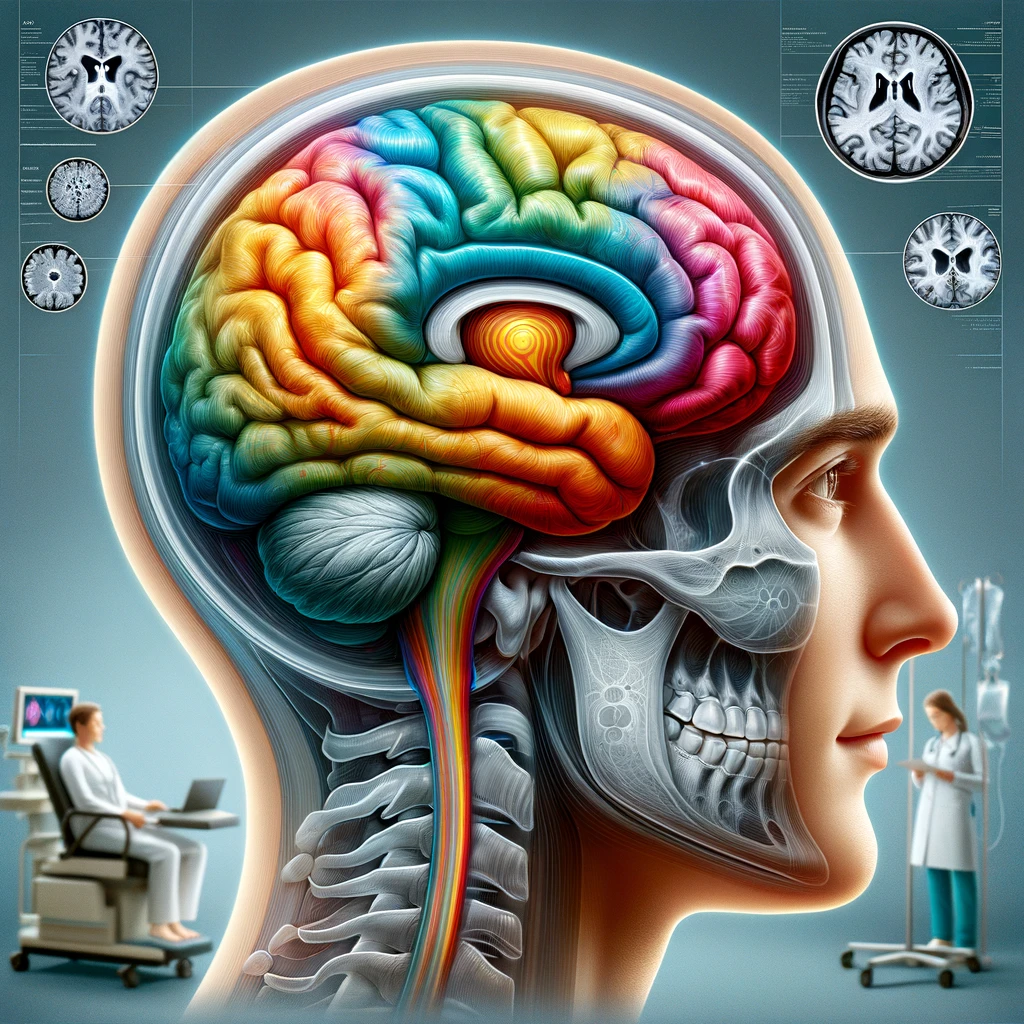
Clinical investigations, including neuroimaging and electrophysiological tests, play a vital role in the differential diagnosis of FND, especially when distinguishing it from conditions such as MS, epilepsy, or structural brain disorders. However, one of the hallmarks of FND is the absence of corresponding abnormalities on standard imaging modalities, which often adds to diagnostic uncertainty. MRI scans in patients with FND typically yield normal results or show incidental findings unrelated to the presenting symptoms, a stark contrast to the white matter lesions seen in MS or the focal changes observed in stroke or tumour cases.
In suspected cases of MS, neuroimaging serves as a key diagnostic tool. MRI of the brain and spinal cord may reveal plaques indicative of demyelination, often verified by specific patterns such as periventricular lesions or Dawson’s fingers. Conversely, patients with FND who report symptoms identical to MS—such as limb weakness, numbness, or visual disturbances—will not exhibit these characteristic MRI findings, an important differentiating factor. However, early-stage MS or radiologically isolated syndromes can demonstrate subtle or equivocal imaging results, limiting their utility and reinforcing the need for careful clinical correlation with functional signs.
In the realm of epilepsy versus dissociative seizures—also known as non-epileptic attacks in FND—neurophysiological investigations such as video EEG monitoring represent the gold standard. A routine EEG may not be sufficient to distinguish between epileptic and functional events, particularly if the seizure-like activity is infrequent or atypical. Long-term video EEG enables clinicians to capture an event and assess whether there is accompanying epileptiform discharges. The absence of such discharges during a recorded episode supports a diagnosis of functional (non-epileptic) seizures. However, it is also possible for patients to have both epilepsy and FND, so findings must be interpreted with caution and in the broader context of patient history and clinical presentation.
Advanced neuroimaging techniques, such as functional MRI (fMRI) and diffusion tensor imaging (DTI), have been employed in research settings to investigate the underlying neural mechanisms of FND. These approaches have revealed alterations in brain networks associated with attention, emotion regulation, and motor control. While promising, these findings are not yet sufficiently specific or standardised for routine clinical use. Nonetheless, they contribute to a broader understanding of FND as a condition with identifiable changes in brain function, even in the absence of structural abnormalities.
Other clinical investigations, including nerve conduction studies and electromyography (EMG), may be used to rule out neuromuscular disorders when weakness or sensory complaints are present. Typically, these tests return normal results in FND, although subtle abnormalities may sometimes occur and require careful interpretation. In disorders such as motor neuron disease or peripheral neuropathy, these investigations would more commonly yield definitive abnormalities, aiding in establishing a non-functional diagnosis.
Importantly, the absence of pathology in traditional clinical investigations should not be interpreted as evidence of malingering or as undermining the patient’s reported symptoms. Rather, it emphasises the need for an experienced clinician to identify positive clinical signs of FND during examination, such as inconsistency with known neuroanatomical pathways, symptom variability under distraction, and signs like Hoover’s sign or tremor entrainment. Used in this context, investigations can have a powerful role—not in confirming FND via a single test, but in ruling out other conditions as part of an integrated and evidence-based diagnostic process.
Ultimately, while neuroimaging and clinical investigations are indispensable tools in neurological practice, their role in FND lies more in exclusion than confirmation. This underscores the importance of interpreting all findings within the context of a thorough clinical history and examination. Bridging the gap between technological findings and observable clinical features ensures that FND is not only recognised early but also treated appropriately, avoiding unnecessary interventions intended for conditions like MS or epilepsy, which may not address the true nature of the patient’s functional symptoms.
Implications for treatment and patient management
Effective treatment and patient management for Functional Neurological Disorder (FND) must take into account its complex interplay with other neurological conditions, such as MS and epilepsy, and the challenges this presents for differential diagnosis. The functional nature of FND necessitates a fundamentally different therapeutic approach compared to many other neurological disorders. Rather than focusing solely on pharmacological interventions, care centres around education, multidisciplinary rehabilitation, and the acknowledgement of FND as a legitimate and diagnosable condition with an identifiable pattern of symptoms.
Central to patient management is clear and compassionate communication of the diagnosis. Patients with FND often feel invalidated or misunderstood due to prior misdiagnoses or suggestions that their symptoms are “all in their head”. An explanation that FND is a real disorder affecting the way the brain functions, rather than a structural abnormality visible on tests, can help reduce stigma and place focus on recovery strategies. Providing this explanation using models of how the brain processes movement, sensation, and emotion can empower patients and encourage engagement with treatment.
A key implication of diagnostic overlap between FND and conditions like MS or epilepsy is that treatment must often involve a broad, multidisciplinary team. This might include neurologists, physiotherapists, occupational therapists, psychologists or neuropsychiatrists, and specialised nurses. Such teams are crucial in tailoring interventions to the individual’s needs, especially where dual diagnoses or comorbidities exist. For instance, a patient with both epilepsy and functional seizures will require collaborative care to ensure that anti-seizure medication is appropriately managed while also accessing psychological therapies targeted at functional symptoms.
Physiotherapy for FND is unlike that used in traditional neurological rehabilitation. Since functional symptoms often fluctuate and may be influenced by attention and movement patterns, physical therapy targets the retraining of normal movement through goal-oriented, distraction-based techniques. Therapists are trained to recognise positive signs of FND, such as motor inconsistencies, and use them therapeutically rather than viewing them as barriers. This approach helps to reduce fear avoidance and promotes functional gains, often in relatively short periods, particularly when therapy is initiated early.
Psychological interventions, particularly cognitive behavioural therapy (CBT), have emerged as effective components of FND management. These interventions aim not to treat FND as a psychiatric illness, but rather to address underlying cognitive and emotional factors that may contribute to symptom persistence. Such therapy also assists in managing coexisting conditions like anxiety, depression, or trauma, which are frequently reported among people with FND. Close collaboration between psychology and other disciplines is therefore important for ensuring synchronised care pathways.
In situations where FND coexists with MS or epilepsy, treatment plans should reflect each aspect of the presentation coherently. Clinicians must be cautious in attributing all new or unexplained symptoms in a person with MS to disease progression; some of these could be functional and more amenable to rehabilitation-based strategies. Similarly, a patient with known epilepsy who develops nonepileptic attacks requires careful management to avoid unnecessary increases in anti-seizure medication and to introduce psychotherapy or psychoeducation aimed at dissociative seizures.
Equally important is continuity of care and robust follow-up, especially as FND symptoms can be chronic or relapsing. Regular review allows clinicians to monitor progress and adjust treatment goals accordingly. Involvement of community rehabilitation services and integrated neurology-psychiatry clinics can bridge hospital and outpatient care, improving long-term outcomes. Recognising recovery in FND as a process that may evolve over time, and that often interacts with social circumstances and mental well-being, is essential for sustaining positive change.
Integration and coordination—across medical, psychological, and rehabilitative domains—are crucial to navigating the implications of FND for treatment and management. Recognising the reality of the disorder, the validity of patient experiences, and the potential for improvement through targeted interventions are essential pillars of an effective management strategy that differs profoundly from traditional approaches to neurological disease. Such a model ensures that patients are neither over-medicalised based on structural diagnostics nor under-supported due to assumptions about psychological causation, thereby enhancing recovery, autonomy, and quality of life.