
- Positive clinical features of FND
- The role of functional assessments
- Misconceptions about diagnostic exclusion
- Distinguishing FND from other neurological disorders
- Implications for treatment and patient care
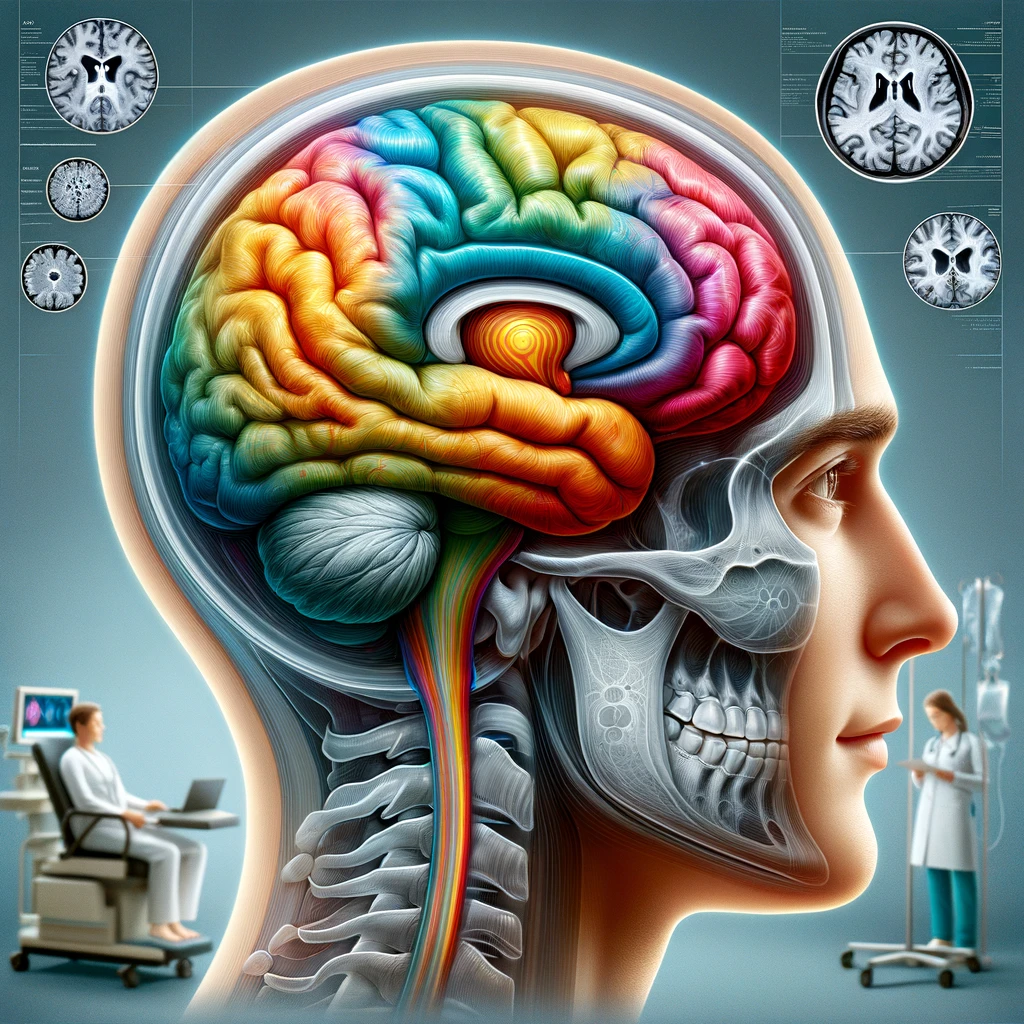
One of the key developments in the diagnosis process for Functional Neurological Disorder (FND) is the emergence of identifiable positive signs that allow clinicians to make a confident diagnosis based on what is present, rather than merely on the absence of other conditions. These signs represent observable inconsistencies in motor or sensory function that are incompatible with known anatomical or physiological pathways. Crucially, they are reproducible and can be demonstrated during examination, setting FND apart from being a diagnosis of exclusion.
A classic example of a positive clinical feature is Hoover’s sign, used in assessing functional leg weakness. When a patient is asked to lift one leg against resistance, weakness may be observed. However, when the patient exerts effort with the opposite leg, the supposedly weak leg demonstrates normal involuntary activation, suggesting that the motor pathways are intact. This inconsistency is a hallmark positive sign, indicating that the issue lies in functional control rather than structural damage.
Similarly, functional tremor may be identified through distractibility or entrainment techniques. When a patient with functional tremor is asked to perform a rhythmic movement with the unaffected limb, the tremor in the affected limb may synchronise or stop altogether. This interaction suggests that the tremor is not due to an organic neurological disorder but is instead a functional symptom. These types of signs provide essential neurological markers that endorse the presence of FND with diagnostic certainty.
Another frequently observed positive sign involves sensory symptoms. For instance, a pattern of sensory loss that does not correspond to a known dermatome or peripheral nerve distribution suggests a functional cause. Additionally, inconsistencies between reported symptoms and observed behaviour during a clinical encounter (such as walking normally when distracted but reporting an inability to walk when attention is focused on the symptom) also serve as reliable markers of FND.
These examples illustrate that the diagnosis process for FND relies on well-established clinical features that can be systematically tested and validated during examination. Recognising these positive signs helps clinicians to distinguish FND as a genuine and diagnosable condition, supporting patients with clarity and direction from the outset of their clinical journey.
The role of functional assessments
Functional assessments play a vital role in the diagnosis process of Functional Neurological Disorder (FND), offering real-time insights into how a patient’s neurological symptoms manifest under different task demands and levels of attention. Unlike traditional investigations, which often focus on structural abnormalities, functional assessments explore how the nervous system operates in practice, aiding in the identification of positive signs and observable neurological markers of FND.
During a functional assessment, clinicians may use specific tasks or physical challenges to evaluate patterns of movement, coordination, and responsiveness. Such tasks are designed to expose characteristic inconsistencies and paradoxical behaviours typical of FND. For example, a patient reporting functional limb weakness might display normal strength when performing automatic movements but show apparent weakness during intentional tasks. This variability in symptom expression is one of the defining positive signs of FND and provides critical neurological markers that support a confident diagnosis.
Another commonly used approach involves distraction techniques, in which a patient is engaged in a cognitive or physical activity unrelated to the symptom being evaluated. In cases of functional tremor, the tremor may reduce or disappear entirely when the patient is distracted, offering a reproducible clinical feature that distinguishes it from organic conditions. Similarly, gait assessments often reveal improvements or normal walking patterns when the patient is unaware of being observed, highlighting the functional rather than structural basis of symptoms.
Functional assessments also help determine the impact of environmental and psychological factors on symptom presentation. By systematically varying the testing context, clinicians can examine the extent to which attention, intention, and emotional responses alter symptom severity. This reinforces the understanding of FND as a disorder of functional control within an intact neural framework, rather than damage or disease of the nervous system itself.
Furthermore, these assessments contribute to a collaborative and transparent diagnosis process. When patients see the variability of their own symptoms demonstrated clearly during an examination, it can foster insight and engagement in subsequent treatment. It also shifts the focus from ruling out other diagnoses to positively identifying FND through consistent, observable signs, reinforcing that the symptoms are real and worthy of tailored care.
Incorporating functional assessments into routine neurological evaluation not only enhances diagnostic accuracy but also validates patients’ experiences by providing objective evidence of their symptoms. This approach challenges outdated misconceptions and helps establish FND as a legitimate, positively diagnosable condition within the landscape of clinical neurology.
Misconceptions about diagnostic exclusion
One of the most persistent misconceptions surrounding Functional Neurological Disorder (FND) is that it is a diagnosis made only when all other possibilities have been excluded. This outdated view stems from traditional medical paradigms where a diagnosis of exclusion was often the default label for symptoms that lacked an identifiable structural cause. However, modern understanding has significantly shifted, with the diagnosis process for FND now grounded in the identification of positive signs and specific neurological markers.
Believing that FND is merely a fallback option after exhaustive testing promotes diagnostic uncertainty and inadvertently reinforces stigma—both for clinicians and patients. It undermines the fact that FND has distinct clinical characteristics that can be objectively identified through neurological examination. This misconception not only delays appropriate treatment but also conveys a misleading message that FND is a diagnosis of last resort, rather than a definable and legitimate condition in its own right.
Another related fallacy is the notion that because test results such as MRI and blood work often return as normal, the patient’s symptoms must be psychological or feigned. In reality, normal investigations are entirely compatible with an FND diagnosis, precisely because the disorder reflects a disruption in function, not a structural abnormality. The absence of organic findings does not negate the presence of the condition. Instead, diagnosis relies on the presence of features like inconsistency, incongruity with recognised disease patterns, and variability under distraction—neurological markers that are reproducible and specific.
This misunderstanding leads to a delay in recognising FND and can result in unnecessary and invasive testing, increased healthcare costs, and considerable distress for patients. It can also erode trust between patients and clinicians, especially when patients feel that their symptoms are not being taken seriously. Addressing this misconception is crucial for improving the quality of care and ensuring timely access to effective interventions.
Clinicians trained in identifying positive signs of FND can confidently diagnose the condition without the exhaustive exclusion of every possible neurological illness. Some neurologists hesitate to deliver a diagnosis without a definitive test result, but this reflects a lack of familiarity with the diagnostic criteria for FND, rather than a shortcoming in the condition itself. In fact, positive diagnostic features such as Hoover’s sign, tremor entrainment, and variable gait patterns allow for clinical clarity and help to confirm a diagnosis based on what is present—not simply what is absent.
Reshaping perceptions of FND to reflect current scientific understanding is not merely an academic concern; it has direct implications for patient outcomes. Educating both healthcare professionals and the public about the robust clinical basis for diagnosing FND will help dispel the myth of diagnostic exclusion and support a healthcare model rooted in evidence, empathy, and timely intervention.
Distinguishing FND from other neurological disorders
Distinguishing Functional Neurological Disorder (FND) from other neurological conditions requires careful attention to specific patterns and clinical presentations that are atypical of structural or degenerative brain diseases. The diagnosis process does not rely solely on excluding other pathologies but hinges on recognising distinctive features—observable inconsistencies, incongruities with known disease models, and context-sensitive symptom dynamics—that serve as positive signs and neurological markers specific to FND.
Clinicians evaluate inconsistencies in symptom presentation that would be implausible in structural neurological damage. For instance, a patient might report an inability to move a limb under voluntary control, yet demonstrate full strength in the same limb when not consciously focusing on the movement. This variability contrasts with fixed deficits commonly seen in conditions such as stroke or multiple sclerosis, where symptoms remain consistent regardless of attention or context. Such fluctuation is a hallmark of FND, enabling its differentiation from other disorders through clinical examination alone.
Unlike conditions like Parkinson’s disease or motor neuron disease, which follow known anatomical progressions and involve predictable patterns of deterioration, symptoms in FND do not conform to neuroanatomical pathways. For example, the patchy or non-dermatomal sensory loss often seen in FND starkly contrasts the specific nerve distributions implicated in peripheral neuropathies. Likewise, abnormal movements in FND, such as tremors or jerks, typically display entrainment—where rhythmic movement in one limb can influence the timing or cessation of the affected limb’s tremor—something not observed in organic tremor disorders.
Electrophysiological studies and imaging can further support the clinical diagnosis by showing what is intact—thus reinforcing the functional rather than structural nature of the symptoms. In epilepsy, for instance, seizures are generally confirmed via abnormal EEG findings congruent with observed episodes. In FND, events that mimic seizures (commonly referred to as dissociative seizures or functional seizures) show normal EEG patterns, and features such as prolonged duration, asynchronous limb movements, or resistance to eye opening help clinicians identify these events as functionally mediated.
It is also important to note that FND can co-occur with other neurological conditions, complicating the diagnostic picture but not invalidating the diagnosis. The presence of a structural neurological disorder does not preclude an overlay of functional symptoms—meaning that both functional and organic elements can coexist in a single patient. Clinicians must be attuned to recognising functional elements even within complex neurological profiles, ensuring that both aspects are addressed in an integrated manner.
The diagnosis process for FND challenges traditional binary thinking in neurology by highlighting functional disruption as a legitimate and distinct category, complete with its own diagnostic clarity. By focusing on positive signs and using neurologically informed assessments, clinicians can confidently distinguish FND from other conditions, offering patients a diagnosis not rooted in exclusion but grounded in observable, testable neurological markers.
Implications for treatment and patient care
Effective treatment and quality patient care for Functional Neurological Disorder (FND) are closely tied to the clarity and confidence established during the initial diagnosis process. Recognising FND through positive signs and concrete neurological markers not only enables accurate diagnosis but also sets the foundation for appropriate and timely intervention. Once FND has been positively identified, the focus shifts from seeking further diagnostic proof to implementing targeted therapeutic approaches designed around the disorder’s unique characteristics.
One of the principal implications for treatment is the need for interdisciplinary management. Patients with FND often benefit from being seen by a team that may include neurologists, clinical psychologists, physiotherapists, occupational therapists, and specialist nurses, each contributing to different aspects of care. This collaborative model ensures that treatment addresses both the physiological manifestation of symptoms and any contributing psychological or emotional factors that may affect functional control. It also reinforces to the patient that their condition is real and treatable, not imagined or fabricated.
Clear communication of the diagnosis to the patient is essential and can significantly influence engagement with treatment. When clinicians explain that FND is diagnosed based on identifiable neurological features such as inconsistency or symptom variability—not as a result of exclusion—patients are more likely to feel validated and understood. This explanation, grounded in the identification of positive signs, can help counter the stigma and misinformation that too often surrounds the condition.
Rehabilitation for FND focuses on retraining the nervous system through techniques that harness neuroplasticity. Physiotherapy for functional motor symptoms, for instance, emphasises automatic movement patterns and graded re-exposure to functional tasks, rather than strengthening exercises alone. Similarly, psychological therapies such as cognitive behavioural therapy (CBT) or mindfulness-based interventions can be effective in helping patients understand the mechanisms behind their symptoms, manage triggers, and build strategies for symptom control and recovery.
The diagnosis process also informs the setting of realistic expectations in treatment plans. While some patients experience significant improvement or full remission of symptoms, others may require long-term management strategies. The use of tailored outcome measures and regular functional assessments throughout treatment ensures that care remains responsive and dynamic. Moreover, the presence of clearly defined neurological markers at diagnosis can provide a reference point for monitoring progress over time.
Another critical consideration is the risk of patients with FND becoming lost within the healthcare system, particularly if the disorder is incorrectly framed as unexplained or not taken seriously. A confident, positive diagnosis encourages early intervention, which has been shown to improve outcomes. This underlines the importance of disseminating up-to-date training for healthcare professionals, enabling them to recognise FND and initiate the appropriate pathways swiftly.
Patient education is a cornerstone of effective care. Helping individuals understand that FND arises from a functional disruption rather than structural damage allows them to shift perspective and engage with rehabilitative techniques more constructively. Importantly, this understanding combats feelings of helplessness or frustration that are common in patients previously misled by notions of diagnostic exclusion or by the absence of structural abnormalities on tests.
Ultimately, the transition from outdated diagnostic frameworks to one based on positive clinical features transforms not only how FND is diagnosed but also how it is treated and managed. It empowers both patients and clinicians with a shared understanding, acknowledges the complexity of the disorder, and fosters a supportive environment conducive to recovery and long-term wellbeing.