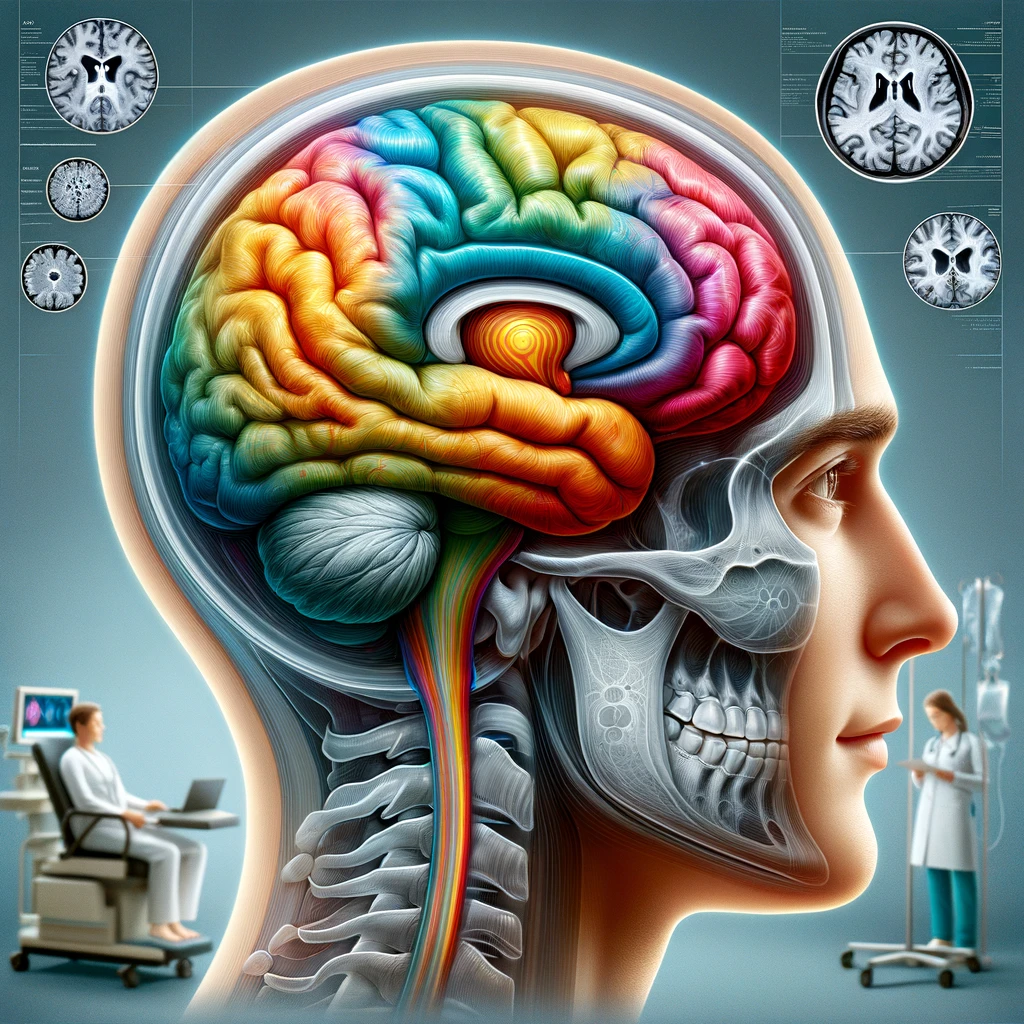

- Understanding functional neurological disorder
- Impact of FND on students
- Challenges in the educational environment
- Strategies for raising awareness
- Collaborating with professionals and support networks
Functional Neurological Disorder (FND) is a condition where individuals experience neurological symptoms — such as seizures, weakness, movement difficulties, sensory issues, or cognitive disturbances — that cannot be explained by traditional neurological diseases. Instead of stemming from structural damage or disease in the nervous system, these symptoms arise from a problem in how the brain sends and receives signals. Importantly, the symptoms are genuine, involuntary, and often disabling, affecting many aspects of life, including school education and social interactions.
FND is increasingly recognised within medical fields, yet general public awareness remains low, contributing to misunderstandings and stigma. This is especially relevant within educational settings, where students may be misjudged or labelled as disruptive, attention-seeking, or unmotivated, simply because their symptoms are not well understood by teachers or peers. Moreover, because the nature of FND symptoms can fluctuate day-to-day, students may face accusations of exaggeration if they appear well one day and unwell the next.
The causes of FND are complex and still not fully understood. Contributing factors may include previous physical injuries, psychological stress, or trauma, though not all individuals with FND have a history of such experiences. What is clear, however, is that the symptoms arise from a functional problem in brain networks, rather than from irreversible organic damage. This distinction often complicates diagnosis and leads to a lack of consistent support, especially in non-clinical settings such as schools and universities.
Diagnosing FND typically involves the identification of positive signs during a neurological examination, rather than simply ruling out other disorders. Neurophysiological and imaging tests may aid in confirming that structural causes are absent, but trained professionals are essential for recognising the functional patterns distinctive to FND. Once diagnosed, many individuals benefit from a multidisciplinary approach to treatment that may include physiotherapy, psychotherapy, and occupational therapy.
Improving public awareness and understanding of FND within schools and universities is vital to ensure affected students are not wrongfully penalised or marginalised. By educating staff and peers about the realities of FND, we can promote inclusion, reduce stigma, and better support the academic and social success of students living with this condition.
Impact of FND on students
Students living with Functional Neurological Disorder (FND) often face a range of difficulties that can severely impact their academic journey and overall wellbeing. These students may experience a variety of unpredictable and disabling symptoms, such as non-epileptic seizures, sudden weakness, paralysis, or speech disturbances, which can interfere with their ability to participate in lessons, complete assignments, or attend school regularly. The fluctuating nature of FND means that one day a student may seem fully functional, while the next they may be unable to walk or speak, leading to confusion and scepticism among staff and peers who are unfamiliar with the condition.
The impact on school education is often compounded by the emotional and psychological toll that comes with living with a poorly understood condition. Students may feel isolated, anxious, or depressed, not only due to the symptoms themselves but also because of the misunderstandings they encounter. They might be seen as disruptive or unreliable, and without proper knowledge among school staff, they risk being wrongly disciplined or excluded. The strain of constantly trying to explain or justify their health can detract from their focus and performance, undermining both their academic progress and self-esteem.
Public awareness of FND remains limited, and within educational settings this can result in a lack of meaningful support. Many students with FND require adjustments such as flexible deadlines, rest periods during the school day, or alternative methods of assessment. However, due to the scarcity of information and training provided to educational professionals, such accommodations may not be provided, or worse, requests may be dismissed entirely. These barriers not only compromise educational achievement but may also deter students from pursuing further education.
Socially, students with FND often struggle to maintain typical peer relationships. They may miss out on group activities or school trips due to health concerns or fatigue. The stigma of having a condition that is not widely recognised can lead to bullying or social withdrawal. Being doubted or misunderstood by peers can be deeply isolating, particularly during adolescence and young adulthood, when social acceptance is a crucial aspect of development. Creating an environment that supports open conversation about health conditions like FND can significantly reduce stigma and improve the school experience for these students.
Greater understanding of FND among educators and classmates can transform the educational environment for those affected. When schools actively engage in raising public awareness and promoting inclusive policies, students with FND are more likely to thrive both academically and emotionally. Recognition of their challenges, coupled with a willingness to provide appropriate support, can enable these students not only to participate fully in their education but also to feel valued and understood within their school or university community.
Challenges in the educational environment
Students with Functional Neurological Disorder (FND) often encounter a range of barriers within the educational environment, many of which stem from limited public awareness and a lack of institutional understanding of the condition. Educational staff may be unfamiliar with the complex and variable symptoms of FND, leading to misguided assumptions about a student’s capabilities or behaviour. When a student experiences symptoms such as non-epileptic seizures, temporary paralysis, or speech impairments, these can be misinterpreted as psychological issues or even behavioural problems, resulting in inadequate or inappropriate responses from the school or university.
One major issue lies in the unpredictability of FND symptoms, which can fluctuate significantly from day to day or even hour to hour. This inconsistency can clash with rigid expectations around attendance, participation, and performance in both secondary and higher education settings. Students may be viewed as inconsistent or lacking motivation, despite the genuine and often debilitating nature of their symptoms. Without proper training on how FND affects individuals, educators may fail to implement necessary adjustments, such as rest breaks, extensions for coursework, or flexible attendance policies.
The classroom setting itself can present unique challenges. Activities that require prolonged concentration, physical movement, or verbal participation can exacerbate FND symptoms, yet little is often done to accommodate these difficulties. Additionally, the noise, stress, and sensory overload commonly found in educational environments can trigger or worsen symptoms in some students with FND. In some cases, fear of having visible symptoms during lessons can cause significant anxiety and lead to school avoidance or reduced participation, further compromising academic progress.
Another pressing issue is the lack of communication between healthcare providers and educational institutions. Students may have medical documentation and treatment plans in place, but these are rarely integrated into their learning support strategies. Because FND can often fall between physical and psychological health services, schools and universities are left unsure of where responsibility lies, resulting in fragmented or non-existent support. Consequently, these students may fall through the cracks, receiving neither the medical nor educational interventions they urgently need.
Peer understanding is equally crucial but frequently overlooked. Without targeted efforts to increase public awareness of FND among the student body, misconceptions and stigma can flourish. Students with FND may be subjected to disbelief, ridicule, or exclusion, especially when their condition is not outwardly visible or is misunderstood as being feigned for attention. This social dynamic can significantly impact a student’s mental health and willingness to engage in school activities, further isolating them from their peers and the education system as a whole.
Ultimately, the lack of awareness and flexible policies means many students with FND do not receive the accommodations they require to access school education on an equal footing. Structured training for staff, collaborative planning with health professionals, and inclusive school cultures are essential to overcoming these challenges. Without such measures, students with FND remain at risk of academic underachievement and social exclusion, reinforcing the urgent need for systemic change within educational environments.
Strategies for raising awareness
Effective strategies for raising awareness of Functional Neurological Disorder (FND) in schools and universities begin with consistent and accessible education. Staff training sessions that cover the basic understanding of FND, its symptoms, and its impact on students can dispel myths and build a foundation of empathy and support. These sessions should be part of induction or continuing professional development for teachers, counsellors, and administrative staff. By integrating FND education into broader training on neurodiversity and mental health, schools and universities can promote a culture that acknowledges functional conditions as legitimate health concerns.
Creating dedicated resources such as leaflets, posters, and digital materials that explain FND in age-appropriate language can be a powerful method of raising public awareness within the educational environment. Displaying these materials in staff rooms, student services areas, and libraries helps normalise conversations around FND and signals to affected students that the school or university is a supportive space. Schools can also include information on FND in health education lessons or assemblies, helping to inform the student body and reduce stigma through peer understanding.
One of the most effective ways to engage both students and staff is through collaboration with individuals who have lived experience of FND. Inviting guest speakers—including students who are managing FND or healthcare professionals specialising in the disorder—can provide impactful, personal perspectives that resonate more deeply than clinical descriptions alone. These stories encourage empathy and can help eliminate misconceptions about the condition being exaggerated or made up, especially when presented in forums that allow dialogue and questions.
Involving student-led organisations and societies in awareness campaigns can foster a greater sense of ownership and inclusivity. Encouraging participation in national or international awareness days, such as the FND Awareness Day in April, gives students the opportunity to organise workshops, social media campaigns, or information stands. These student-driven initiatives not only amplify public awareness but also empower students with FND, showing them that their condition is visible and recognised by their peers.
Curriculum integration is another long-term strategy. Including FND in case studies for psychology, health and social care, or biology classes broadens student knowledge while embedding empathy and awareness into the academic framework. This approach ensures that awareness is not treated as a one-off activity, but rather as part of the systemic approach to inclusive education. Additionally, universities offering healthcare-related programmes can make FND a component of clinical training, preparing future healthcare professionals to respond with the understanding and sensitivity their future patients will need.
Leveraging digital platforms provides further opportunities for schools and universities to share information about FND. Official websites, intranet portals, email newsletters, and social media channels can disseminate resources, success stories, and support information widely. This digital footprint not only raises public awareness but also ensures that students with FND and their families can easily find guidance and reassurance within the educational institution’s communication channels.
Ultimately, embedding awareness of FND into all levels of school education—from governance and policy to classroom practice—requires commitment but offers tangible benefits. By adopting multiple strategies that include training, resources, student involvement, curriculum integration, and digital outreach, educational institutions can contribute significantly to reducing barriers for students with FND. These efforts not only improve the daily experience of affected students but also cultivate a more compassionate and informed school or university community.
Collaborating with professionals and support networks
Collaborating effectively with professionals and support networks is crucial in creating an inclusive and supportive environment for students living with Functional Neurological Disorder (FND). Schools and universities often operate in isolation when it comes to dealing with complex medical conditions, so establishing strong links with healthcare providers, therapists, and specialist organisations can significantly enhance the support framework available to students. These collaborations bridge the gap between clinical care and educational provision, ensuring that students receive consistent and informed assistance in both domains.
Building partnerships with local NHS services, particularly neurology departments, physiotherapists, occupational therapists, and mental health professionals, enables educational institutions to access expert guidance tailored to the needs of students with FND. When educators lack confidence in how to respond to FND symptoms or manage fluctuating needs, input from medical professionals can clarify appropriate adjustments and help to demystify the condition. Regular communication between the school or university and the student’s healthcare team ensures that education plans align with treatment goals and clinical advice.
Another valuable source of support comes from specialist charities and advocacy organisations dedicated to FND or neurological conditions more broadly. These organisations can provide evidence-based resources, offer training for school staff, and sometimes even deliver outreach programmes tailored to school education. Working alongside these external bodies not only improves institutional knowledge but also boosts public awareness within the wider school or university community. Involving such organisations in awareness events or workshops helps contextualise the real-life experiences of students navigating the challenges of FND.
Within educational settings, it is also vital to establish internal support networks that involve teaching staff, pastoral care teams, special educational needs coordinators (SENCOs), and academic advisers. Coordinated meetings ensure that everyone working with the student understands their specific challenges and agreed strategies for support. These networks are more effective when outcomes from medical appointments or therapy sessions are openly (and confidentially) communicated, preventing the need for students and families to repeatedly explain their circumstances.
Parents and carers play an important role in the student’s support ecosystem and should be actively involved in discussions around school education. Inviting families to planning meetings and reviewing support strategies in partnership helps to build trust and ensures that educational practices reflect what is working (or not working) at home. In the case of university students, engaging directly with the individual and empowering them to lead conversations about their needs can reinforce autonomy and confidence as they transition to adulthood.
For institutions that offer on-campus health or counselling services, these internal resources can form a valuable part of the student’s support team. Designing a care plan that integrates academic adjustments with wellbeing support allows schools and universities to respond more holistically to the impact of FND. Dedicated mental health practitioners can also be trained specifically on FND, offering a first point of contact when symptoms become distressing or interfere with learning.
Professional collaboration should also extend to training and professional development. Bringing in guest lecturers or healthcare professionals to deliver briefings or workshops to staff allows theoretical learning to be anchored in clinical experience. This helps prevent misinterpretation of symptoms and encourages staff to feel more confident in their responses. It also promotes a pathway for continuous learning, wherein schools and universities remain responsive to the evolving understanding of FND and adapt their practices accordingly.
Ultimately, creating a supportive educational environment for students with FND is not the responsibility of any one individual or department. It requires a community effort built on strong, well-maintained collaborations with professionals and support networks. By fostering these partnerships, educational institutions can reduce barriers, increase public awareness, and ensure that students with FND are fully supported in achieving their academic potential and personal wellbeing goals.