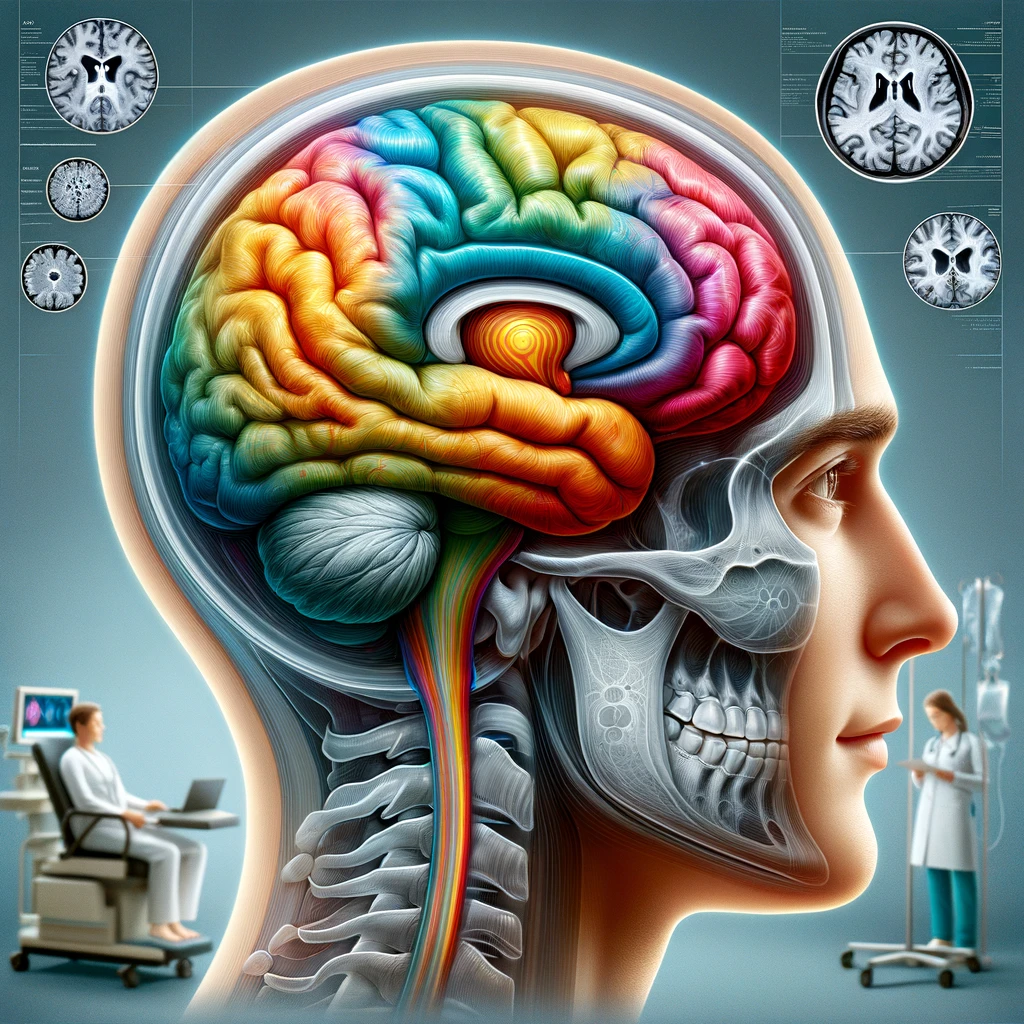

- Understanding functional neurological disorder
- The role of GPs in early diagnosis
- Challenges faced by untrained practitioners
- Benefits of early intervention for patients
- Strategies for effective GP training
Functional neurological disorder (FND) is a condition characterised by neurological symptoms such as seizures, weakness, movement disorders, or sensory changes that are not caused by a structural or degenerative disease of the nervous system. Instead, the symptoms arise from a problem with the functioning of the nervous system. Unlike other neurological diseases such as epilepsy or multiple sclerosis, tests such as MRIs or EEGs in FND patients often return as normal, which can lead to misunderstanding or misdiagnosis if healthcare professionals are unfamiliar with the disorder.
The symptoms of FND are very real to patients and are often disabling. It is important to differentiate FND from being medically unexplained or imaginary; rather, it reflects a genuine disruption in neurological function. Stress, trauma, and psychological factors may contribute to the development of the disorder, but not all patients with FND have a history of psychological distress, reinforcing the need for clinicians to take a nuanced, bio-psycho-social approach when evaluating symptoms.
In many cases, FND can mimic more common neurological diseases, which can complicate initial assessments, especially in primary care settings. This highlights the necessity for comprehensive GP training and broader healthcare education to aid in early diagnosis and improve patient outcomes. As general practitioners are often the first point of contact for patients presenting with these symptoms, their ability to recognise signs of FND and offer informed reassurance can significantly alter the trajectory of the patient’s condition.
FND is now recognised by bodies such as the World Health Organization and the National Institute for Health and Care Excellence (NICE), and there is growing awareness that early intervention and management can significantly reduce disability. Effective identification is not only about ruling out other conditions but also positively diagnosing FND using clinical signs, such as Hoover’s sign in functional leg weakness, rather than relying solely on negative test results. For primary care providers to be confident in providing this care, targeted healthcare education is pivotal.
The role of GPs in early diagnosis
General practitioners play a pivotal role in the early diagnosis of functional neurological disorder, often being the first healthcare professionals to assess patients experiencing unexplained neurological symptoms. The wide variety of presentations in FND—from functional seizures to limb weakness—means that patients frequently attend GP surgeries with significant anxiety and uncertainty. A well-trained GP can serve as a crucial figure in initiating the diagnostic process, creating an opportunity for timely, targeted management that can prevent chronicity and long-term disability.
Early diagnosis relies heavily on the GP’s ability to recognise clinical patterns associated with FND, as traditional neurological investigations often fail to identify abnormalities. In these situations, the consultation becomes critical. When GPs are confident in using clinical signs and skilled history taking, they can differentiate FND from other neurological conditions more accurately and promptly. This, in turn, reduces unnecessary referrals, limits invasive testing, and lowers patient distress by providing swift and appropriate explanations for their symptoms.
Moreover, patients are more likely to engage positively with management strategies when their symptoms are identified and explained clearly at an early stage. GPs who have undergone focused healthcare education often report greater confidence in delivering a positive diagnosis, as opposed to framing FND as a ‘diagnosis of exclusion’. This helps to validate the patient’s experience and fosters trust, which is vital when initiating behavioural strategies, physiotherapy referrals or psychological interventions known to be effective in FND treatment.
Without adequate GP training, there is a risk that signs of FND may be dismissed or misattributed, resulting in delays that can intensify symptoms and complicate recovery trajectories. By contrast, appropriately trained GPs can establish clear communication with patients, challenge misconceptions about the condition, and ensure early access to multidisciplinary support. In this way, early diagnosis becomes not just a diagnostic goal, but a therapeutic intervention in its own right.
Challenges faced by untrained practitioners
Untrained practitioners often face significant difficulties when confronted with patients presenting symptoms of functional neurological disorder (FND). Without adequate understanding of the condition, GPs may inadvertently misdiagnose FND as either a primary psychiatric illness or as malingering. This not only delays appropriate clinical pathways but can also damage the therapeutic relationship between doctor and patient, which is crucial in managing such a complex condition. A lack of GP training in FND frequently leads to excessive referrals for unnecessary tests and repeated visits to specialists, further increasing patient anxiety and placing additional strain on healthcare systems.
Clinicians unfamiliar with FND may struggle to provide a confident, positive diagnosis, instead framing the problem as a ‘diagnosis of exclusion’ or suggesting that ‘nothing is wrong’, even when symptoms are clearly present and distressing. This approach can leave patients feeling invalidated and misunderstood, discouraging engagement with any treatment that is eventually offered. The absence of definitive findings on scans or blood tests can further reinforce scepticism among undertrained practitioners, overlooking the growing consensus within neurology that FND requires specific, tailored interventions just like other medical conditions.
There is also a tendency among untrained GPs to over-medicalise the presentation, chasing elusive diagnoses and referring patients for repeated imaging or neurological assessments, despite normal findings. This diagnostic drift can delay early diagnosis and appropriate intervention, allowing symptoms to become entrenched and harder to treat over time. Some patients may even be subjected to inappropriate treatments, such as anti-epileptic medication for non-epileptic seizures, which can exacerbate their condition or cause unnecessary side effects.
Equally, consultations without an informed understanding of FND risk becoming stigmatising. Patients often report feeling dismissed or labelled as attention-seeking or exaggerating. This harms not only individual patient care, but also trust in the wider healthcare system. When practitioners are not supported through healthcare education, they lack both the skills and the confidence to deliver the nuanced messaging required in FND discussions. In many cases, addressing the disorder requires careful use of language, empathy, and an understanding of how to present the diagnosis in a way that encourages the patient to engage with treatment plans such as physiotherapy or psychological support.
The importance of structured GP training and ongoing professional development cannot be overstated in mitigating these challenges. Improving awareness and clinical confidence ensures that practitioners are better equipped to make timely and accurate diagnoses, avoiding the cycle of referrals and missed opportunities for early intervention. With well-informed GPs at the frontline, patients with FND have a greater chance of receiving compassionate care and accessing the treatments most likely to improve their outcomes.
Benefits of early intervention for patients
When functional neurological disorder is identified early, patients experience significantly improved outcomes, both in terms of symptom management and psychological wellbeing. Early diagnosis facilitates quicker access to appropriate treatments such as specialised physiotherapy, occupational therapy, and psychological support, which are central to recovery. Delays in recognition, however, can result in symptoms becoming entrenched, leading to increased levels of disability and distress over time. The role of healthcare education and targeted GP training is therefore essential in accelerating the trajectory toward recovery by enabling timely therapeutic intervention.
One of the main advantages of early intervention is the prevention of chronicity. FND, if not properly addressed, can lead to withdrawal from daily activities, unemployment, and social isolation. These secondary consequences often intensify the original symptoms and create a cycle of physical and psychological decline. By spotting the signs early and confidently making a positive diagnosis, general practitioners can interrupt this cycle before it becomes self-perpetuating. This timely approach helps patients retain a sense of agency and reduces the likelihood of long-term dependency on healthcare services.
Moreover, early intervention allows healthcare professionals to build a constructive therapeutic alliance with the patient. When symptoms are quickly acknowledged as genuine and understood through the lens of FND, patients often report a sense of relief and are more receptive to suggested treatment plans. In contrast, prolonged periods of uncertainty or misdiagnosis can erode trust and foster feelings of helplessness. GP training equips practitioners with the communication skills required to explain the diagnosis compassionately and guide patients toward effective, evidence-based therapies.
Clinical studies suggest that patients with FND who receive early, appropriate intervention are less likely to experience hospitalisations, emergency admissions, or unnecessary pharmacological treatments. In particular, those suffering from functional seizures have demonstrated notable improvements in seizure frequency and quality of life when treated early with tailored psychological interventions such as cognitive behavioural therapy. These improved outcomes strongly advocate for the inclusion of FND within core GP training curricula, as early recognition can drastically alter the long-term prognosis.
Another key benefit of early diagnosis lies in preserving a patient’s identity and functional capacity. With appropriate support started early, patients are more likely to maintain their occupational roles, family responsibilities, and social lives. This contributes to a virtuous cycle of recovery, where improvements in neurological symptoms are reinforced by meaningful engagement in everyday activities. Timely intervention thus helps mitigate the stigma that often accompanies misunderstood medical conditions, reinforcing the foundation for long-term patient resilience and autonomy.
Strategies for effective GP training
Effective GP training in the context of functional neurological disorder (FND) requires a multifaceted approach that accommodates the complexities of the condition while being accessible and applicable to the realities of primary care. Central to this is the integration of FND education into both undergraduate and postgraduate medical curricula. Embedding FND content into standard medical education ensures that new doctors enter clinical practice with a foundational understanding of how to recognise and manage the condition, rather than relying solely on specialist input later in their careers.
One proven strategy involves tailored workshops and continuing professional development (CPD) modules specifically focused on FND. These sessions should be designed to enhance clinical skills such as taking careful histories, recognising positive clinical signs, and confidently delivering a positive diagnosis. Simulated patient scenarios and role-playing exercises have shown strong impact in equipping GPs with the communication tools needed to discuss potentially misunderstood diagnoses sensitively, which is especially relevant in early diagnosis where patient trust is pivotal.
Healthcare education around FND should also include real-life case presentations to illustrate the variety and authenticity of symptoms patients experience. Utilising narratives from individuals living with FND can help GPs understand the lived experience of the condition and develop a more compassionate, patient-centred approach. This humanistic dimension of GP training strengthens the therapeutic alliance and reduces the risk of stigma or dismissal.
Another effective training strategy involves the development of quick-reference tools and clinical decision support resources that GPs can access during consultations. Checklists, diagnostic flowcharts, and online learning platforms tailored to the primary care setting can support GPs in recognising key features of FND and making timely referrals to appropriate services, such as neuropsychiatry or specialist physiotherapy. These tools act as reinforcements of initial healthcare education and are particularly helpful in time-pressured environments.
Collaborative training models involving neurologists, psychiatrists, physiotherapists, and mental health professionals can also promote cross-disciplinary understanding and integrate FND within broader care frameworks. By delivering training sessions jointly, these professionals can provide GPs with a richer understanding of how to coordinate management plans, reducing fragmentation in patient care and ensuring a more cohesive, holistic response to early diagnosis. Exposure to interdisciplinary dialogue also reinforces the biopsychosocial model critical to managing FND effectively.
Importantly, GP training efforts must be evaluated and adjusted based on feedback and clinical outcomes. Training should include mechanisms for ongoing support, including access to mentoring from clinicians experienced in managing FND. Establishing communities of practice where GPs can share insights, challenges, and evolving evidence can create sustained engagement with the subject and keep awareness of FND high on the educational agenda. In doing so, healthcare education becomes a living process, responsive to the needs of both practitioners and patients.
To make a meaningful impact on early diagnosis rates and long-term outcomes, healthcare systems must commit to funding and supporting widespread delivery of such educational interventions. Investment in GP training not only enhances practitioner confidence and patient satisfaction but can ultimately lead to significant cost savings by reducing unnecessary investigations, referrals, and chronic disability. By prioritising strategies that empower GPs through education, the early identification and effective management of FND can become a standard rather than an exception in primary care.