
- Benefits of museum partnerships
- Designing impactful exhibits
- Engaging community and stakeholders
- Measuring success and impact
- Future directions and opportunities
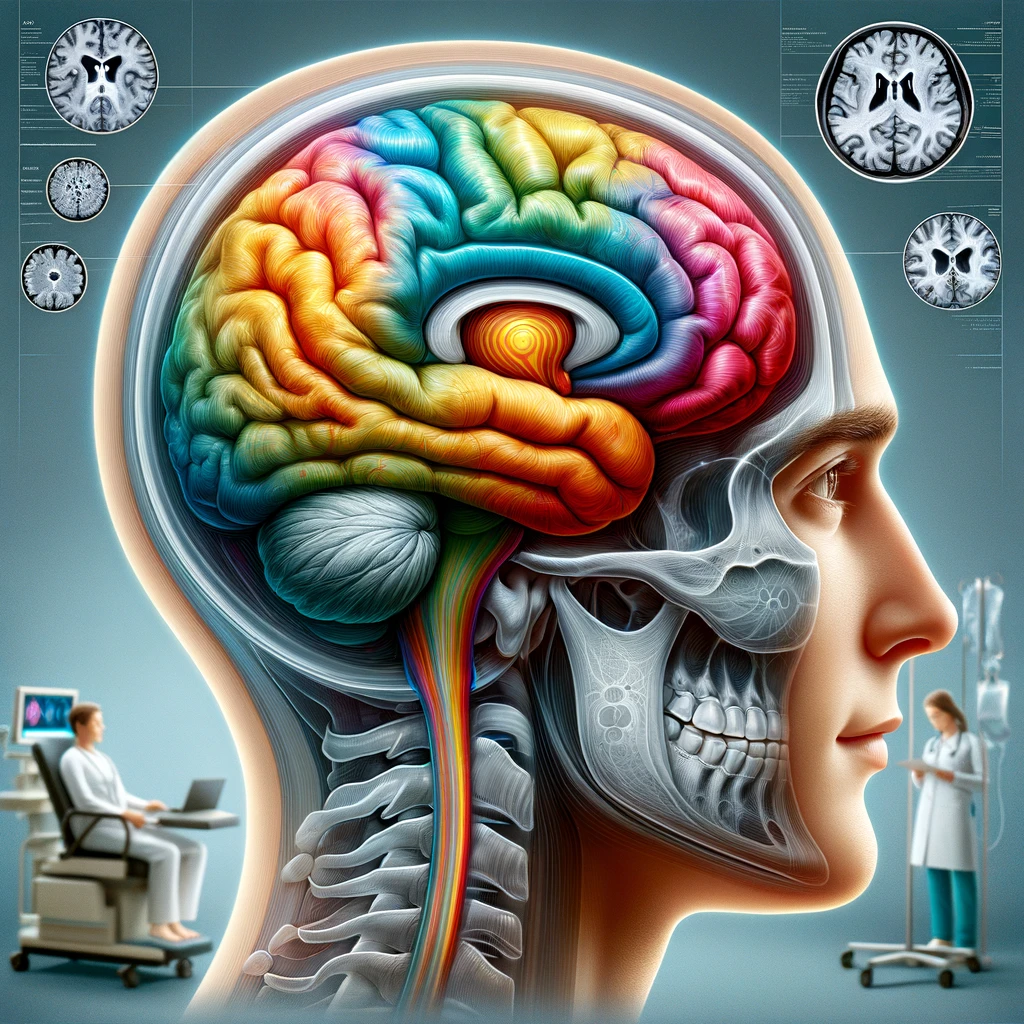
Partnering with museums offers a multitude of benefits for hosting FND awareness exhibits. Museums are well-respected institutions dedicated to education and cultural enrichment, making them ideal venues for public learning. By aligning with museums, FND organisations can leverage their established reputation to reach a broader audience that might not otherwise be exposed to such information. This collaboration fosters an environment where visitors are more open to gaining insights about Functional Neurological Disorder, as museums often provide a context of exploration and understanding.
Moreover, museums typically have the infrastructure required to host exhibitions. This includes access to space for displays, professional curatorial staff who can assist in designing and implementing the exhibit, and promotional channels that can increase visibility to a diverse group of attendees. Through such partnerships, organisations can benefit from museums’ networks, tapping into their existing audiences, which often include individuals interested in health topics and contemporary issues.
Furthermore, partnerships with museums can catalyse community engagement and dialogue around FND by serving as a neutral ground for sharing stories and experiences. The physical spaces provided by museums are conducive to hosting workshops, talks, and interactive sessions, creating a dynamic platform for raising awareness. These activities can further deepen the audience’s understanding of FND, enhancing empathy and changing perceptions, ultimately contributing to destigmatisation.
Designing impactful exhibits
Creating exhibits that resonate with diverse audiences requires thoughtful consideration and planning. To effectively raise FND awareness, each exhibition should be crafted to engage various senses and learning styles, ensuring accessibility and inclusivity. Curators should integrate multimedia elements, such as videos, interactive displays, and soundscapes, to make the content appealing and relatable. These components help convey the complexities of Functional Neurological Disorder in an engaging manner, encouraging deeper public learning and retention of information.
The narrative arc of the exhibit should meticulously weave scientific knowledge with personal stories, making the experience both educational and emotionally impactful. Highlighting individual experiences of those living with FND can humanise the condition, fostering empathy and understanding. Engaging storytelling, supported by accurate data and clear explanations of symptoms and treatment options, can demystify the disorder for audiences unfamiliar with it. Furthermore, using a participatory approach where visitors can interact with certain elements of the exhibit may lead to a more immersive experience, solidifying the exhibit’s message.
Attention should also be given to the spatial arrangement of the exhibits. A logical and aesthetically pleasing layout can guide visitors through the journey of understanding FND, with dedicated sections that gradually build upon each other. This thoughtful design ensures that visitors leave the exhibition with a comprehensive grasp of the disorder, its impacts, and the ongoing efforts to improve patient care and public perception. Additionally, incorporating feedback mechanisms, such as surveys or interactive polls, invites visitors to contribute their thoughts and reactions, creating a two-way dialogue that can enhance the exhibit’s effectiveness and relevance.
Engaging community and stakeholders
Building meaningful connections with the community and engaging stakeholders are crucial for the success of FND awareness exhibitions. Establishing early communication channels with local groups, healthcare professionals, and FND advocates can create a robust support network that enhances the impact of the exhibit. By seeking input and collaboration with these groups, exhibitions can be tailored to address the concerns and interests of the community, ensuring relevance and resonance with a local audience.
Community engagement strategies should aim to involve diverse voices and perspectives, promoting inclusivity and broad awareness. Hosting preliminary meetings or workshops with key stakeholders can help identify local champions who can amplify outreach efforts and support promotional activities. Engaging schools, universities, and local health organisations can also extend the reach of the exhibit, inviting the participation of individuals who might gain the most from increased public learning about Functional Neurological Disorder.
Furthermore, interactive events and programming alongside the exhibition can deepen engagement and foster a sense of ownership and investment among community members. Panel discussions, guided tours led by FND experts, and interactive Q&A sessions can provide valuable platforms for dialogue and learning. Encouraging stakeholders to share personal stories and experiences with FND not only increases awareness but also builds empathy and understanding, dismantling stigma and challenging misconceptions.
Continuous feedback and dialogue with stakeholders throughout the exhibition’s lifecycle ensure that the exhibit remains dynamic and responsive to community needs. By valuing input and adapting to suggestions, organisers can create a more effective and impactful learning experience that leaves a lasting impression. Additionally, these engagements can pave the way for long-term relationships and future initiatives, establishing a legacy of awareness and support for FND that extends beyond the exhibition itself.
Measuring success and impact
Evaluating the success and impact of FND awareness exhibitions is essential for understanding their effectiveness and for guiding future initiatives. There are several key metrics and methods that can be employed to measure success. Quantitative data, such as attendance figures and demographic information, provide initial insights into the reach and accessibility of the exhibit. However, numbers alone do not capture the full picture. Qualitative feedback is equally important, as it reveals the depth of understanding, impact on perceptions, and the emotional resonance of the experience.
Surveys and feedback forms administered both during and after visits can gauge visitor reactions, learning outcomes, and suggestions for improvement. These tools allow organisers to understand which aspects of the exhibition most effectively conveyed the FND message and which areas require enhancement. Engaging with visitors through follow-up discussions or online forums can promote ongoing public learning and sustain dialogue around the issues presented.
Additionally, monitoring social media platforms for conversations about the exhibition can offer valuable insights into the broader public discourse and awareness generated by the exhibit. Mentions, shares, and discussions can reveal how the exhibit is striking a chord with the audience and can significantly extend its reach beyond the museum walls. Collaborations with media outlets for wider coverage also help in assessing the exhibition’s visibility and influence on public awareness.
Assessing partnerships with stakeholders and the community is another crucial dimension. Evaluating the depth and quality of these collaborations provides insights into the exhibition’s long-term impact and the potential for ongoing initiatives. Successful partnerships can often translate to expanded networks and resources, enhancing the sustainability and growth of FND awareness efforts.
Longitudinal studies can offer profound insights into the lasting impact of such exhibitions. By tracking changes in public knowledge, attitudes, and behaviours regarding FND over time, organisers can assess the enduring effects of their efforts. This holistic approach ensures that FND awareness exhibitions not only educate and inform in the short term but also contribute to sustained change and understanding in the broader community.
Future directions and opportunities
As the landscape of health awareness evolves, the potential for innovative approaches to Functional Neurological Disorder (FND) exhibitions continues to grow. Museums, with their historical and cultural significance, offer fertile ground for expanding these initiatives. Future directions involve leveraging technology to enhance public learning, such as through virtual reality experiences that can simulate the challenges faced by individuals with FND. These immersive tools can provide visitors with a firsthand understanding, fostering empathy and breaking down misconceptions.
Furthermore, expanding partnerships beyond traditional museum settings can open new vistas for engagement. Collaborations with tech companies and digital platforms can create virtual exhibitions available to a global audience, overcoming geographical barriers and reaching individuals unable to attend physical exhibits. These innovations not only enhance public awareness but also ensure inclusivity, allowing diverse audiences to engage with the content.
Another promising avenue is integrating FND awareness into broader themes and contemporary issues showcased in museums, such as mental health or neurological conditions. By embedding FND narratives into larger conversations, exhibitions can gain traction with wider audiences and encourage interdisciplinary dialogue. This approach can also attract funding and sponsorships, as organisations increasingly look to support initiatives that address pressing societal challenges.
To sustain momentum, establishing strong networks with educational institutions can also pave the way for future opportunities. Universities can act as partners for research studies, grant writing, and developing educational materials that support the curriculum. By embedding FND awareness into academic discourse, the topic can gain academic credibility, encouraging future generations of healthcare professionals and researchers to delve deeper into its complexities.
Ultimately, the future of FND awareness exhibitions lies in their ability to adapt and respond to changing societal needs and technological advancements. By continually exploring new collaborative opportunities and embracing innovation, these exhibitions can continue to raise awareness, educate the public, and create lasting impacts in the understanding and support of those affected by Functional Neurological Disorder.