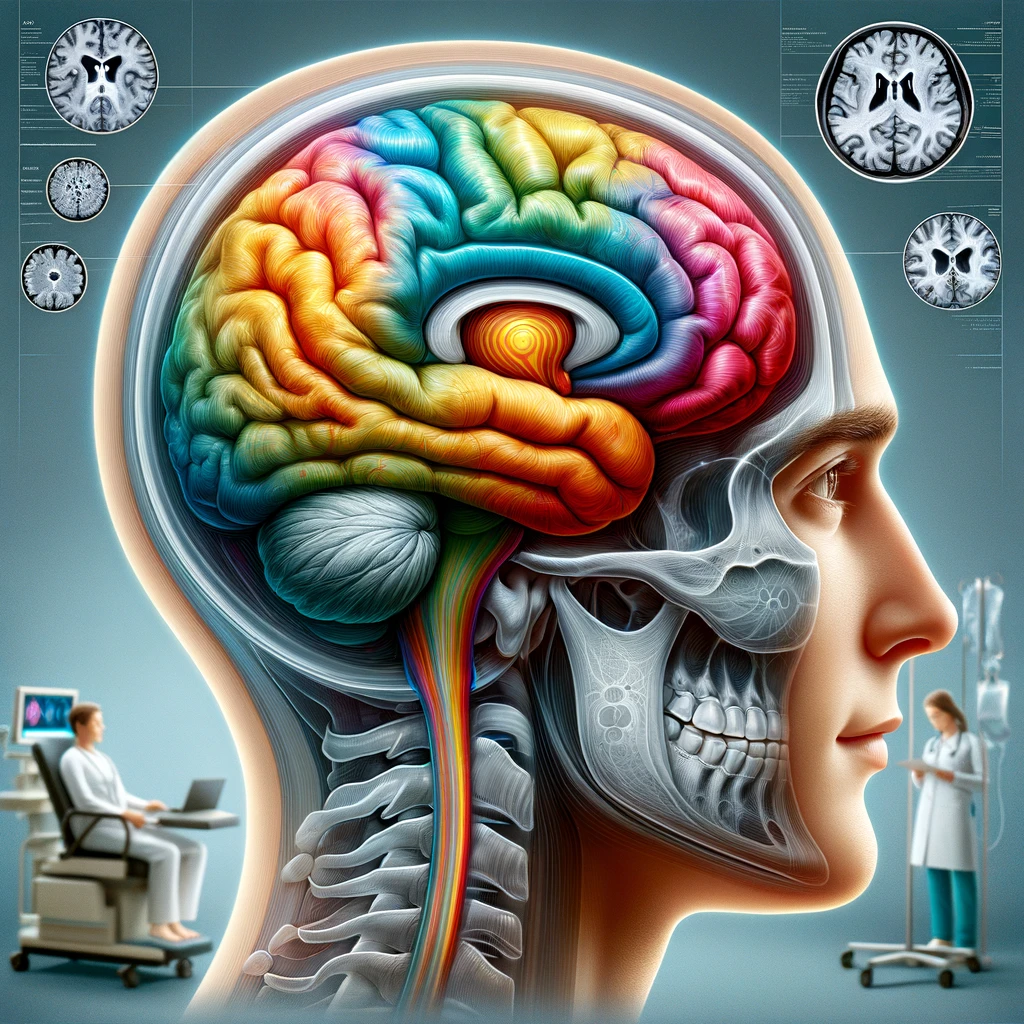

- Understanding functional neurological disorder
- Clinical signs and diagnostic challenges
- The role of multidisciplinary assessment
- Communicating the diagnosis to patients
- Managing ongoing uncertainty in care
Functional neurological disorder (FND) is a condition characterised by neurological symptoms that are not attributed to structural or biochemical abnormalities in the nervous system. These symptoms can include seizures, limb weakness, sensory changes, and movement disorders, often resembling those seen in conditions such as epilepsy, stroke, or multiple sclerosis. However, what distinguishes FND is the absence of a clear underlying organic pathology, making diagnosis and patient care particularly challenging.
The complexity of FND lies in its unique position at the intersection of neurology and psychiatry. While the symptoms are genuine and cause significant distress or impairment, they cannot be explained solely by traditional neurological disease models. This diagnostic complexity has historically led to misunderstandings and stigma, often resulting in delayed diagnosis and limited access to appropriate treatment.
Recent advances in neuroimaging, neurophysiology, and clinical examination techniques have helped improve the recognition of FND by identifying positive signs—findings that are present specifically in FND and not in other neurological conditions. Despite this progress, clinical uncertainty remains a core feature of diagnosing and managing the disorder. This uncertainty can affect both clinicians and patients, influencing the therapeutic relationship and the patient’s engagement with recommended treatment pathways.
An accurate understanding of FND is essential to improving patient care. Rather than viewing the diagnosis as exclusionary or purely psychological, it’s more helpful to consider FND as a condition with identifiable clinical features and a multidisciplinary treatment approach. Enhancing awareness and education among healthcare professionals can reduce misdiagnosis and allow individuals with FND to access timely and effective support.
Clinical signs and diagnostic challenges
Identifying clinical signs of functional neurological disorder involves recognising patterns of neurological symptoms that do not conform to anatomically or physiologically plausible distributions seen in organic disease. The diagnosis is guided by positive clinical signs, rather than exclusion of other conditions. For example, patients exhibiting Hoover’s sign—where unconscious inconsistency in muscle strength can be demonstrated—may be showing typical features of functional limb weakness. Similarly, in functional seizures, the presence of variable motor patterns, prolonged duration, closed eyes during an episode, and lack of typical post-ictal confusion can offer important diagnostic clues.
Despite these recognisable features, diagnostic complexity remains a significant barrier in FND. The condition spans a spectrum of symptoms that may mimic other neurological diseases, such as multiple sclerosis or epilepsy, making initial misdiagnosis not uncommon. This diagnostic overlap can delay appropriate referrals and management, sometimes for years, adding to the burden on patient care. Moreover, the inherent clinical uncertainty surrounding symptom origin and fluctuations can challenge even seasoned clinicians in their assessment and decision-making.
Compounding the issue is a lack of standardised training among many healthcare practitioners in recognising functional symptoms. Atypical presentation, variability over time, and lack of structural findings on MRI or CT scans can lead to referrals across multiple specialties before a conclusive diagnosis is reached. Furthermore, patients may undergo unnecessary investigations or procedures that not only carry risks but also reinforce the notion of a yet unidentified organic disease, potentially hindering acceptance of the FND diagnosis.
Confidence in recognising and discussing functional symptoms is essential for timely, accurate diagnosis and effective patient care. Emphasis should be placed on eliciting and interpreting positive signs rather than relying solely on normal test results. Educational initiatives directed at both neurology trainees and general practitioners can help alleviate the diagnostic bottleneck, reducing reliance on exclusion and supporting a more confident, patient-centred diagnostic approach. Understanding the specific clinical signs of FND and appreciating its diagnostic complexity is vital for improving access to proper treatment and optimising patient outcomes.
The role of multidisciplinary assessment
In the context of FND, multidisciplinary assessment plays a pivotal role in improving patient care, particularly given the diagnostic complexity and ongoing clinical uncertainty associated with the condition. A coordinated approach involving neurologists, psychiatrists, psychologists, physiotherapists, occupational therapists, and specialist nurses provides a more holistic understanding of the patient’s symptoms and needs. This comprehensive framework helps individualise treatment, address concurrent physical and psychological factors, and significantly enhances the overall care experience.
Neurologists are often the first point of contact and are essential for confirming the diagnosis by identifying positive signs and excluding other neurological pathologies. However, the involvement of mental health professionals is just as crucial. Psychologists and psychiatrists offer insights into contributory psychosocial stressors, trauma histories, and comorbid psychiatric disorders, which are common in individuals with FND. Their assessment helps in formulating treatment plans that go beyond symptom management to include cognitive behavioural therapy or other psychological interventions tailored to each patient’s needs.
Physiotherapists and occupational therapists are integral to functional recovery, especially in patients presenting with motor symptoms such as limb weakness or movement disorders. They employ graded exercise, re-training movements through motor re-learning principles, and promoting functional independence. Clear guidance from these allied health professionals is often key to overcoming automatised dysfunctional movement patterns and restoring confidence in voluntary control. Treatment goals are best achieved in a supportive environment that acknowledges the fluctuating nature of FND symptoms without reinforcing illness behaviours.
Multidisciplinary clinics or teams specialising in FND offer a model of integrated care that aligns all therapeutic input around a shared understanding of the diagnosis. These services reduce fragmentation in care delivery and help avoid conflicting messages that can arise when patients consult specialists from different disciplines unfamiliar with FND. A unified approach also helps build trust, which is vital in managing uncertainty and ensuring long-term engagement with treatment plans.
The collaborative nature of multidisciplinary assessment thus addresses both the physical and psychological complexities of FND. By drawing on diverse clinical perspectives, this model mitigates the impact of clinical uncertainty, facilitates timely diagnosis, and supports more effective patient-centred care. Establishing clearer referral pathways and communication channels among professionals is crucial for maintaining this collaborative dynamic and advancing the standard of care for individuals living with FND.
Communicating the diagnosis to patients
Delivering an FND diagnosis to patients requires a considered and compassionate approach, particularly given the underlying clinical uncertainty and the potential for misunderstanding. How the diagnosis is communicated has a direct impact on patient care, influencing treatment engagement, trust in clinicians, and overall wellbeing. Clear, confident, and empathetic communication can serve to validate the patient’s experiences, reduce anxiety, and counter the historical stigma often associated with functional disorders.
Effective communication begins with the framing of FND as a positive diagnosis, not a diagnosis of exclusion. Clinicians should emphasise that the diagnosis is based on recognisable clinical features and not merely the absence of disease on tests. Using simple, non-technical language to explain that the brain is not damaged but is instead functioning incorrectly, often due to a combination of physical and psychological factors, can help patients understand their condition without feeling dismissed.
It is important to avoid implying that symptoms are imaginary or under voluntary control. Acknowledging the realness of the symptoms and their impact on the patient’s life reinforces the message that FND is a legitimate medical condition requiring appropriate support and treatment. Providing analogies, such as comparing FND to a computer software issue rather than a hardware fault, can make the concept more accessible and relatable.
Patients may react with confusion, disbelief, or distress—especially if they have undergone extensive testing across multiple specialties prior to receiving the diagnosis. Anticipating these responses is critical. Offering written information or directing patients to reputable online resources allows them to reflect and learn at their own pace. Encouraging questions and allowing time for follow-up discussions further supports patients as they process their diagnosis.
Where appropriate, involving family members or carers in these discussions can enhance patient understanding and social support, particularly if they too have struggled to make sense of the condition. Transparency about the ongoing nature of FND, the role of rehabilitation, and the potential for improvement—alongside acknowledgment of persisting uncertainties—helps maintain realistic expectations and foster hope.
Ultimately, successful communication of an FND diagnosis rests on the clinician’s ability to convey conviction in the diagnosis, demonstrate empathy, and build a respectful partnership rooted in mutual understanding. Enhancing communication skills among healthcare professionals through training and reflective practice should be a priority in addressing the diagnostic complexity of FND and improving long-term patient care outcomes.
Managing ongoing uncertainty in care
Managing ongoing uncertainty in the care of individuals with functional neurological disorder requires clinicians to adopt a flexible, supportive, and patient-centred approach. Given the inherently fluctuating nature of FND symptoms and the diagnostic complexity involved, it is essential to accept that uncertainty will often remain part of the clinical picture. This does not equate to therapeutic failure; rather, it becomes a focus around which care strategies can be tailored and adapted over time.
A collaborative therapeutic relationship is key in addressing ongoing clinical uncertainty. Patients frequently face challenges maintaining confidence in their diagnosis, particularly if care is fragmented or if they encounter professionals unfamiliar with FND. This highlights the importance of consistency in the clinical message and continuity in care provision. Clear documentation, proactive communication among healthcare providers, and coordinated care plans all contribute to improving long-term outcomes and supporting patient trust.
Ongoing care should prioritise functional improvement and quality of life over symptom eradication, recognising that full symptom resolution may not always be achievable. Regular review appointments provide valuable opportunities to reassess goals, address concerns arising from symptom changes, and reinforce the legitimacy of the diagnosis. Importantly, clinicians must remain vigilant for the emergence of new symptoms that may warrant re-evaluation, while balancing this with the need to avoid unnecessary investigations that could disrupt patient confidence or reinforce health anxiety.
Psychological support is often central to long-term care, offering a space to explore emotional responses to uncertainty, identity disruption, and the impact of FND on daily life. Cognitive behavioural therapy and other modalities, including psychodynamic or trauma-informed approaches, may be beneficial depending on individual needs. Likewise, promoting self-management strategies and patient education empowers individuals to better understand and manage their symptoms, reducing dependency on healthcare services and enhancing resilience.
For many patients, social and occupational reintegration remains difficult due to functional impairment, stigma, or lack of employer understanding. Engaging occupational health teams, vocational rehabilitation services and support groups can facilitate gradual return to work or alternative meaningful activities. Addressing social determinants of health—such as financial insecurity or unstable housing—is also an important part of holistic patient care that directly influences recovery trajectories.
Ultimately, managing ongoing uncertainty in care for FND is not about eliminating ambiguity but about equipping patients and clinicians with the tools and understanding to navigate it together. Building a flexible care framework founded on interdisciplinary collaboration, open communication, and sustained support enables meaningful progress in a condition marked by diagnostic complexity and fluctuating clinical presentations.