
- Understanding functional neurological disorder
- Current gaps in mental health education
- The importance of raising FND awareness
- Integrating FND into training programmes
- Evaluating the impact of FND education
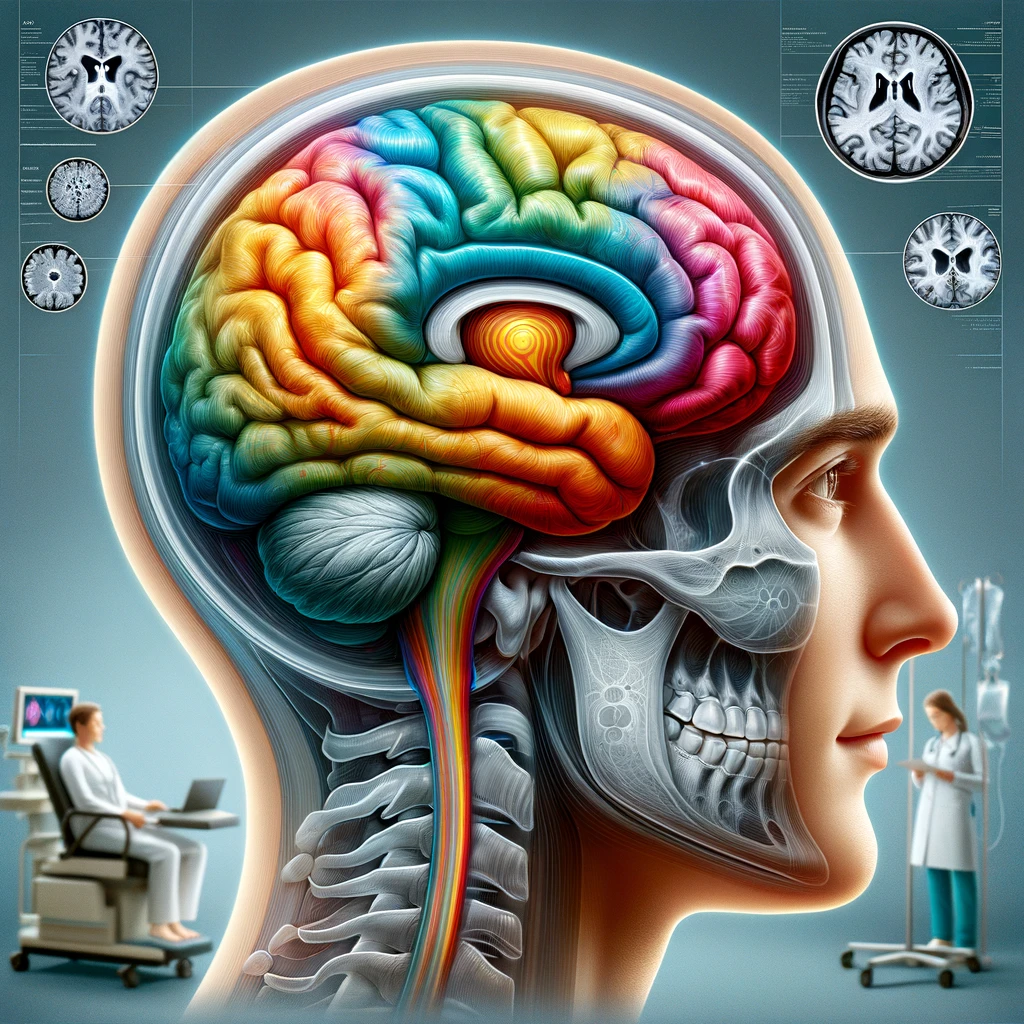
Functional neurological disorder (FND) refers to a condition where individuals experience neurological symptoms such as seizures, weakness, paralysis, movement disorders, or sensory disturbances, which cannot be explained by traditional neurological disease. These symptoms are genuinely experienced and are related to an alteration in nervous system functioning, despite the absence of identifiable structural damage. FND is increasingly recognised within mental health and neurology as a complex condition that sits at the intersection of mind and body, challenging long-standing divisions between psychological and physical health in both diagnosis and treatment.
FND is understood to arise from a combination of biological, psychological, and social factors. Patients often have a history of psychological stress, trauma, or comorbid mental health conditions such as anxiety or depression, although these are not universally present. Neurobiological studies suggest abnormal patterns of brain connectivity and function during symptom episodes. Importantly, FND is not a condition someone consciously produces or controls, which necessitates a sensitive and non-judgemental approach from clinicians.
Despite its prevalence—comparable to multiple sclerosis or Parkinson’s disease—FND remains poorly understood within both the medical and public spheres. Misconceptions often frame the disorder as being “all in the mind”, contributing to stigma and marginalisation. This misunderstandings have significant implications for diagnosis and treatment, often leaving patients feeling dismissed or invalidated. Raising awareness and improving public education on FND is essential to combat these issues and improve support pathways.
Effective management of FND requires a multi-disciplinary approach that includes neurology, psychiatry, physiotherapy, occupational therapy, and psychological support. The goal of treatment is symptom reduction and improved functioning through interventions such as cognitive behavioural therapy (CBT), physiotherapy using a specialised FND approach, and patient education. Early diagnosis and intervention have been associated with better outcomes, underscoring the need for increased awareness and timely referral within the healthcare system.
Understanding FND as a legitimate and treatable condition is a vital step towards improving patient care, reducing stigma, and bridging the divide between mental and physical health disciplines. Enhancing mental health training programmes to include a thorough understanding of FND will equip future healthcare professionals with the skills and empathy required to support this patient population effectively.
Current gaps in mental health education
Despite advances in mental health training, functional neurological disorder (FND) remains conspicuously absent from many educational curricula. Trainee professionals in psychology, psychiatry, nursing, and general medicine frequently report limited to no exposure to FND during their formal education. This lack of structured training contributes to persistent misconceptions, inadequate diagnostic acumen, and inconsistent treatment pathways for individuals presenting with FND symptoms. Consequently, patients often encounter professionals who are unfamiliar with the condition, leading to delays in care and experiences of mistrust or dismissal.
A significant gap exists in integrating the biopsychosocial understanding of FND into general mental health education. While common conditions such as anxiety and depression receive considerable attention, the complex interplay of psychological and neurological elements in FND is rarely discussed. This oversight perpetuates outdated dualistic views that separate ‘physical’ from ‘mental’ illness, rather than promoting a more modern, integrated model of care. Without focused instruction on FND, clinicians may struggle to recognise its clinical presentations or know how to respond appropriately within a multidisciplinary care model.
Another area of deficiency lies in practical training experiences. Opportunities for students to engage with FND cases in clinical placements are minimal, limiting their exposure to real-world scenarios where theoretical knowledge could be applied. Given the subtle presentation and variable symptom patterns of FND, experiential learning is critical to developing confidence and competence in management. The scarcity of such opportunities contributes to a cycle in which FND continues to be overlooked and misunderstood across the healthcare spectrum.
Furthermore, public education initiatives are rarely aligned with clinical education, leading to a dual knowledge vacuum in both public awareness and professional preparedness. This disconnect places individuals with FND in a vulnerable position, surrounded by misconceptions from both caregivers and the wider community. It underscores the need for a unified strategy that reinforces awareness of FND in medical training as well as in public education campaigns.
Until FND is systematically included in mental health syllabi and competency frameworks, healthcare professionals are likely to remain under-equipped to meet the needs of this patient group. Closing this educational gap is essential not only for improving patient outcomes but also for fostering a health system that recognises and respects the legitimacy of functional disorders alongside other chronic conditions.
The importance of raising FND awareness
Raising awareness of functional neurological disorder (FND) is paramount in shifting entrenched attitudes that have historically marginalised those who live with this condition. For too long, individuals with FND have faced stigma rooted in misconceptions that their symptoms are either imagined or under voluntary control. Such misjudgements not only delay diagnosis and treatment but also create barriers to empathy, support, and appropriate care. Increased awareness—both within the healthcare system and the broader public sphere—can play a central role in countering these misunderstandings.
Promoting awareness involves more than just recognition of FND’s existence; it demands a transformation in how symptoms are interpreted and communicated by healthcare professionals. When clinicians are equipped with accurate knowledge and a compassionate understanding of the condition, they are more likely to validate patient experiences, leading to more constructive therapeutic relationships. Broad-scale awareness initiatives can also motivate early identification and referral, contributing to more timely interventions that improve long-term outcomes.
In the context of mental health, where the mind–body connection is integral, raising FND awareness is particularly important. Increased literacy among mental health practitioners can decrease the incidence of misdiagnosis and increase appropriate referrals to multidisciplinary services. A better-informed workforce is also more capable of addressing the psychological components often associated with FND, including anxiety, trauma, and depression. This, in turn, leads to more holistic, patient-centred care that aligns with best practice values of mental health treatment.
Public education campaigns are equally crucial in reducing societal stigma. When communities understand that FND is a legitimate condition with neurological underpinnings, patients are less likely to experience shame or social isolation. Public awareness can foster supportive environments for individuals with FND, aiding in their overall wellbeing and encouraging them to seek help without fear of judgement.
Increasing FND awareness can also drive investment in research and services. As visibility grows, funding bodies and health policymakers are more likely to recognise the need for dedicated resources, specialist training, and coordinated care pathways. This, ultimately, benefits everyone—from newly trained clinicians to long-term FND patients—by building a system that acknowledges and addresses their unique needs with diligence and respect.
Integrating FND into training programmes
Integrating functional neurological disorder (FND) into mental health training programmes requires a deliberate and structured approach to ensure a comprehensive understanding of the condition across disciplines. Curriculum designers must embed FND education into existing modules on psychosomatic presentations, neuropsychiatry, and trauma-informed care, highlighting its relevance within a wider clinical context. This integration should be tailored to reflect the nuanced nature of FND, bridging the traditional divide between psychological and neurological paradigms in a way that equips trainees with the necessary skills to assess and manage these complex cases.
One effective strategy involves the inclusion of dedicated FND teaching sessions within core mental health syllabi, focusing on key themes such as symptom recognition, communication strategies, diagnostic procedures, and evidence-based treatment approaches. These sessions can be facilitated by clinicians with specialised experience in managing FND, as well as by individuals with lived experience who can provide essential insights into the day-to-day realities of the condition. Exposure to patient narratives enhances empathy and supports the development of more compassionate, patient-centred care practices.
Simulation-based training and interprofessional learning opportunities are also vital in preparing students to work within the multidisciplinary teams that are often required for FND management. Role-play scenarios, case studies, and collaborative workshops enable learners to practise clinical reasoning, diagnostic interpretation, and interpersonal communication in realistic settings. These approaches foster critical thinking and highlight the importance of coordinated care between neurologists, psychiatrists, psychologists, physiotherapists, and other allied health professionals.
Online learning platforms and continuing professional development (CPD) resources should also be leveraged to increase accessibility and flexibility in delivering FND education. Modules that can be accessed remotely can reach a broader audience, including professionals in rural or under-resourced areas. CPD courses that focus on FND awareness and evidence-based intervention strategies help ensure that existing practitioners remain informed about evolving best practices and research developments in the field.
Partnerships between academic institutions, healthcare trusts, and FND advocacy organisations can further promote the dissemination of high-quality educational materials. These collaborations enable integration of the latest clinical guidelines, research findings, and patient perspectives into the content, reflecting a commitment to continuous improvement and public education. Embedding FND topics into national mental health competencies and accreditation frameworks reinforces the expectation that all healthcare professionals possess at least a foundational understanding of the condition.
By normalising the inclusion of FND in medical and mental health training programmes, the current discrepancy in knowledge and care can be significantly reduced. Adequately prepared professionals are better positioned to recognise the signs of FND, provide timely support, and advocate for patients navigating a healthcare system that has historically underestimated their needs. In doing so, training programmes play a critical role in fostering greater awareness, breaking down stigma, and delivering equitable care for an often-overlooked patient group.
Evaluating the impact of FND education
Assessing the effectiveness of incorporating functional neurological disorder (FND) into mental health education requires a multifaceted evaluation framework that considers knowledge acquisition, changes in clinical practice, and patient outcomes. Educational programmes must not only impart theoretical understanding but also translate this into measurable improvements in professional behaviour and service quality. Evaluating whether trainees can recognise and manage FND accurately is an essential metric in determining the success of such initiatives.
Pre- and post-training assessments can be employed to gauge improvements in knowledge and confidence levels among students and professionals. These assessments may include multiple-choice tests, clinical vignettes, and reflective essays that explore participants’ understanding of FND, their attitudes towards patients, and their proposed management plans. Increases in awareness and a reduction in stigmatic language are early indicators that education is having a positive impact on how FND is framed within mental health services.
Longitudinal studies can provide valuable insight into the sustained effects of FND training, tracking how practitioners apply their knowledge in real-world clinical settings. These studies might examine referral patterns to specialist services, time to diagnosis, or the frequency of misdiagnosis. Improvements in these areas suggest that professionals are better equipped to identify FND early and direct patients towards appropriate multidisciplinary interventions. Interviews and surveys conducted with both practitioners and patients can further illuminate the qualitative experiences of FND care before and after educational interventions were introduced.
Feedback gathered directly from individuals with lived experience of FND is a critical component in evaluating impact. Patients can help assess whether clinical encounters feel more supportive, informed, and respectful than in the past. Their observations can highlight whether the education provided has tangibly altered the dynamics of interaction, demonstrating sensitivity and understanding where once there may have been disbelief or minimisation. This patient-centred feedback ensures that evaluative processes remain grounded in real-world implications and the lived outcomes of public education efforts.
Institutional data can also reveal long-term effects, such as reduced healthcare utilisation due to more accurate diagnosis, improved treatment adherence, and better symptom management. For example, fewer emergency visits or unnecessary investigations might indicate that clinicians are managing FND more effectively at earlier stages. Monitoring these indicators over time helps healthcare systems benchmark the return on investment in FND education and refine future training priorities.
Moreover, evaluating how FND-related content is represented in mental health curricula—such as the number of allocated teaching hours, the interdisciplinary components offered, and the presence of assessment around FND topics—can indicate how deeply integrated the subject matter has become. Auditing educational materials for accuracy, inclusivity, and alignment with current best-practice guidelines ensures that awareness campaigns and academic instruction mutually reinforce each other across the healthcare landscape.
A commitment to rigorous and continuous evaluation helps avoid tokenistic inclusion of FND in mental health training and ensures a lasting shift in perception and practice. As public education and awareness efforts increase, it is vital that their educational counterparts are held to standards that verify their real-world efficacy. Through thoughtful assessment, mental health education can be continuously improved to serve both practitioners and patients more effectively, ultimately leading to a more equitable and understanding health care environment for those with FND.