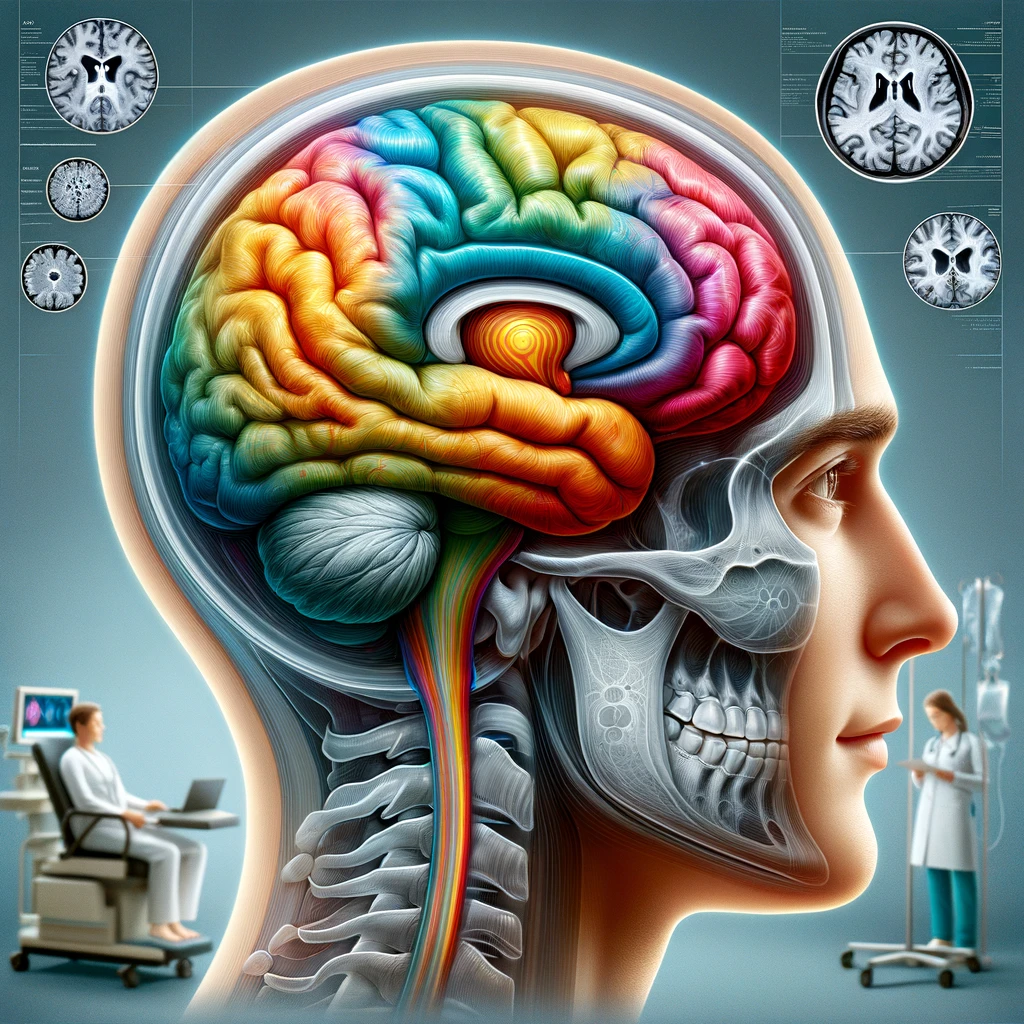

- Understanding functional neurological disorder: a brief overview
- The role of public libraries in education and community outreach
- Resources and materials for FND education in libraries
- Collaborative efforts with healthcare professionals and educators
- Creating supportive environments for affected individuals and families
Functional Neurological Disorder (FND) is a condition characterised by neurological symptoms that cannot be explained by a traditional neurological disease or lesion. Symptoms can vary widely, including things like movement disorders, seizures, and sensory problems, often mimicking other neurological issues. Unlike conditions caused by structural damage to the nervous system, FND results from a functional problem, meaning the brain seems to be functioning incorrectly but not because of a structural deficit.
The diagnosis of FND is complex and requires a detailed clinical assessment, often leading to confusion and misdiagnosis. This highlights the crucial importance of accessible, accurate information about the disorder for patients, healthcare professionals, and the general public. Effective communication and education can mitigate misunderstandings and promote better awareness among individuals affected by FND.
The role of education, including good information access through public libraries, is vital in managing FND. Libraries can serve as resource hubs by providing literature on FND, raising awareness, and helping those affected to understand and manage their condition. Public libraries, by offering a trove of information, can empower individuals with FND and their families to become more informed and proactive in their health management.
The role of public libraries in education and community outreach
Public libraries have long served as pillars of education and community engagement, offering an array of services that extend beyond traditional book lending. In the context of FND education, libraries play a crucial role by acting as information access points where individuals can find comprehensive resources about the disorder. This not only includes books and academic journals but also digital resources, workshops, and information sessions tailored to increasing awareness about FND.
By hosting educational events focusing on FND, libraries can facilitate community outreach and foster an inclusive learning environment. These events can encompass guest lectures from experts, seminars, or interactive discussions that delve into various aspects of FND, from diagnosis and treatment options to daily living tips for those affected. Such programming helps demystify the disorder, reducing stigma and providing affected individuals and their families with a supportive network.
Moreover, public libraries are well-placed to distribute literature that spans a range of complexity levels, ensuring accessibility for both laypersons and those seeking more in-depth understanding. By maintaining current collections on neurological disorders and promoting diverse materials, libraries can fill the gap left by limited public awareness and enhance community education efforts related to FND.
Additionally, libraries can collaborate with schools and community centres to extend their reach and maximise their impact on FND education. By acting as central points for information distribution and community dialogue, libraries contribute significantly to broadening public understanding of FND and supporting those navigating its challenges.
Resources and materials for FND education in libraries
To effectively support FND education, public libraries can curate a diverse range of resources and materials that cater to various learning preferences and levels of understanding. Libraries can amass collections that include authoritative books on FND, peer-reviewed journals, and up-to-date research articles. These resources should cover aspects such as the latest findings in neuroscientific research, treatment protocols, personal stories, and coping strategies, ensuring a comprehensive approach to understanding the disorder.
In addition to print materials, digital resources play a pivotal role in modern information access. Libraries can establish online portals that direct users to reputable websites, e-books, and databases where they can explore FND-related topics in depth. By offering access to webinars, podcasts, and educational videos, libraries provide varied formats that cater to different learning styles and preferences.
Creating specialised FND resource kits could further enhance knowledge dissemination. These kits can include pamphlets, educational DVDs, and directories of local support groups and healthcare providers. By tailoring these kits to specific audiences such as patients, caregivers, or educators, libraries can ensure that the information meets the distinctive needs of each group, facilitating better personal and professional understanding of FND.
Collaborating with authors and experts to feature recommended reading lists and annotated bibliographies could also be an impactful strategy. These curated lists can guide patrons in selecting pertinent literature and resources, enhancing their educational journey and empowering them with the knowledge necessary to manage and support those with FND.
Moreover, libraries have the potential to partner with healthcare professionals to produce informational brochures and guides that distil complex FND concepts into accessible language. By housing materials that are both informative and approachable, libraries ensure that users receive clear and accurate information, bolstering their role as essential contributors to FND education. This proactive approach in resource provision not only raises awareness but also supports individuals and families in navigating the challenges associated with FND.
Collaborative efforts with healthcare professionals and educators
Developing partnerships between libraries, healthcare professionals, and educators is pivotal in advancing FND education. Libraries can serve as neutral grounds where these diverse stakeholders converge to discuss strategies and share insights. By organising interdisciplinary forums and workshops, libraries can facilitate dialogues between neurologists, therapists, educators, and the public. Such collaborations ensure that the information disseminated is accurate, up-to-date, and reflective of current best practices in FND management.
Healthcare professionals can contribute by offering training sessions for library staff, equipping them with the knowledge needed to guide patrons effectively. This training ensures that library personnel are not only aware of the available resources but can also provide empathetic support and direct individuals to appropriate literature. As libraries become more informed, they can better assist patrons in their search for FND information, enhancing overall information access and reliability.
Engaging educators from schools and universities offers an additional layer of support. Educators can assist in creating educational content and resources tailored to younger audiences or academic settings. This partnership can facilitate the development of FND-focused curriculum materials, making it easier for educational institutions to integrate FND awareness into their programmes. Libraries can host joint events with schools, such as public lectures or school visits, to further infuse FND education into community learning initiatives.
Moreover, collaborative efforts can involve co-hosting public awareness campaigns or informational fairs where healthcare providers, educators, and libraries unite to reach wider audiences. These initiatives can offer workshops, distribute pamphlets, and provide on-site consultations, significantly boosting the community’s understanding of FND. Libraries, by leveraging their community presence, can advertise these events and disseminate post-event materials for further reading, thus maintaining an emphasis on sustained education.
Such collaborations not only enhance the resources available within libraries but also build a network of support that reinforces a cohesive approach to FND education. These cooperative relationships ensure that libraries remain at the forefront of educational and outreach initiatives, actively contributing to the destigmatisation and better understanding of functional neurological disorder.
Creating supportive environments for affected individuals and families
Supportive environments for individuals with FND and their families in public libraries can significantly improve their quality of life and foster community inclusivity. Libraries can create welcoming spaces that respect the needs of individuals affected by FND, ensuring that the library environment is accessible and accommodating. This involves training staff to recognise FND symptoms and respond with empathy and understanding, as well as ensuring physical spaces are designed to be comfortable for those who might experience sensory overload or mobility challenges.
Libraries can implement quiet zones and sensory-friendly areas that provide a calming atmosphere for patrons. These designated spaces can be equipped with comfortable seating, soft lighting, and noise-cancelling headphones, making them ideal for those needing respite during their visit. By promoting such features, libraries not only enhance their physical accessibility but also demonstrate inclusivity and support for those managing FND.
In addition to the physical environment, libraries can establish support groups and discussion forums as part of their programme offerings. These groups can serve as valuable opportunities for individuals and families affected by FND to connect, share experiences, and offer mutual support. Such interactions can reduce feelings of isolation often associated with the disorder and help build a community of understanding and support within the local population.
Libraries can also initiate partnerships with local healthcare providers to offer regular workshops and seminars that provide updated information access regarding FND management and treatment options. By collaborating closely with medical professionals, libraries can ensure the accuracy and relevance of the information shared, empowering patrons with current knowledge and practical strategies to navigate their condition.
Furthermore, involving families in educational and support initiatives can enhance their understanding of FND and improve their ability to support their loved ones effectively. Family-focused sessions can offer insights into the nuances of living with FND and provide resources tailored to their needs, enhancing the overall support network available to affected individuals.
Ultimately, libraries have the potential to transcend their traditional roles by creating environments that acknowledge and adapt to the needs of individuals with FND, thus playing a pivotal role in fostering an inclusive society. By offering a blend of accessible information, supportive spaces, and community engagement, libraries contribute to the well-being and empowerment of those navigating the complexities of functional neurological disorder.