
- Understanding FND and its impact
- The historical relationship between education and faith
- Faith-based approaches to FND education
- Case studies: churches supporting FND initiatives
- Challenges and opportunities for faith communities in FND education
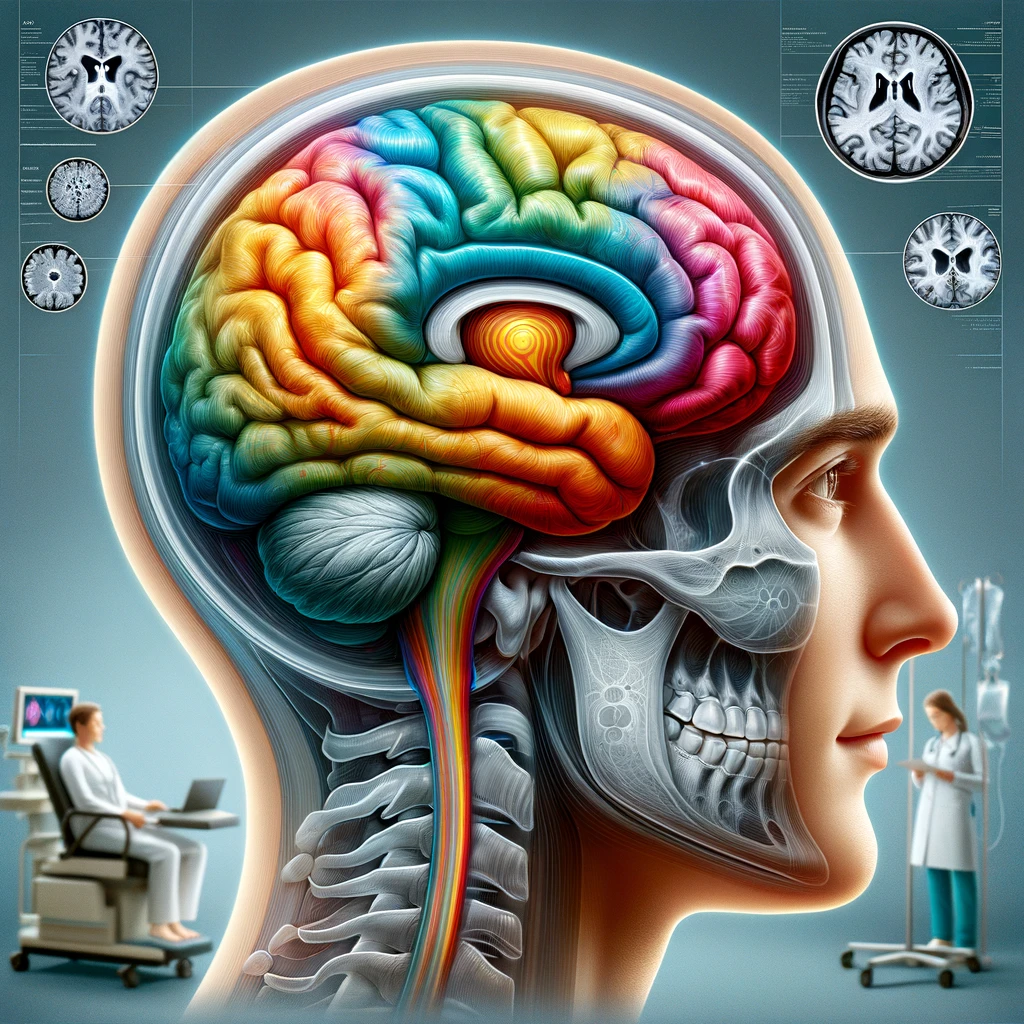
Functional Neurological Disorder (FND) is a complex condition characterised by neurological symptoms such as seizures, movement disorders, or sensory dysfunctions, that are not explained by conventional neurological diseases. Individuals with FND experience genuine disability and distress, often leading to significant impacts on their daily lives. The complexity of FND often lies in its manifestation across a spectrum of symptoms that can mimic other neurological conditions but do not have a recognisable physiological cause as identified through standard medical testing. This can result in considerable misunderstanding and, consequently, a delay in diagnosis, as well as challenges in receiving appropriate care. Awareness and understanding are crucial, as they lead to quicker diagnosis and more effective management of the disorder.
The impact of FND extends beyond the individual. Families and wider communities are affected as they navigate the nuances of the condition in the context of caregiving, social life adjustments, and emotional support. This communal aspect underscores the need for comprehensive community education to reduce stigma and enhance support networks. Moreover, religious outreach plays an essential role in fostering environments where empathy and support can flourish. Faith communities, by virtue of their foundational values of compassion and service, can offer a uniquely supportive backdrop in the journey towards greater public understanding and acceptance of FND. Through continuous education and outreach, these communities can help bridge the gap between clinical definitions and lived experiences, paving the way for more informed discussions and supportive practices.
The historical relationship between education and faith
Throughout history, education and faith have shared a deeply intertwined relationship, shaping societal values and individual lives across generations. The roots of formal education can often be traced back to religious institutions that sought to impart not only spiritual knowledge but also literacy and critical thinking skills. Churches, synagogues, mosques, and other religious centres traditionally served as primary venues for the education of youth, with clergy or religious leaders assuming the role of educators. This relationship established an enduring legacy where faith and learning were viewed as complementary forces contributing to the holistic development of individuals.
The integration of faith within educational frameworks has historically provided a moral and ethical compass, guiding curricular choices and the overall educational ethos. For instance, during the Middle Ages, monastic schools operated by Christian monks became key centres of learning, preserving and disseminating knowledge across Europe. Similarly, madrasas in the Islamic world played a crucial role in the promotion of religious and scientific learning, ensuring continuity of knowledge during periods of regional upheaval.
In more contemporary settings, the role of faith-based education has evolved but remains significant. Many religious institutions continue to operate schools and universities where academic excellence is pursued alongside the inculcation of spiritual and moral values. These institutions often advocate for community education initiatives that align with their religious missions, frequently addressing societal challenges, such as inclusivity and mental health, through a faith-based lens. FND serves as a pertinent example where the legacy of education intersecting with faith can be harnessed to enhance understanding and promote inclusive support strategies within faith communities.
Religious outreach efforts often permeate educational initiatives, strengthening communal ties and ensuring that moral teachings accompany academic pursuits. For faith communities, this engagement is an opportunity to foster environments that are informed, supportive, and responsive to contemporary challenges such as FND. By sustaining this historical relationship, faith institutions can continue to champion community education that marries historical wisdom with current scientific understanding, thereby facilitating a more comprehensive response to the needs of individuals affected by complex conditions like FND.
Faith-based approaches to FND education
Faith communities possess a distinct potential to contribute meaningfully to the education and support of individuals with Functional Neurological Disorder (FND). By integrating religious outreach with community education, these communities can provide both spiritual support and practical knowledge to those affected by FND. Through a multifaceted approach, faith-based organisations can address the physical, emotional, and spiritual needs of individuals living with the disorder.
Central to faith-based approaches is the notion of holistic care, which emphasises the importance of nurturing the mind, body, and spirit. In this context, faith communities can utilise their resources to foster a deeper understanding of FND among their members, offering educational workshops and seminars that demystify the condition. By disseminating accurate information and personal testimonies, these sessions can dispel myths and reduce stigma, creating a more empathetic and supportive environment.
Moreover, faith leaders can play a pivotal role in these initiatives by actively engaging in advocacy and awareness campaigns. As trusted figures within their communities, they can leverage their influence to promote greater acceptance and understanding of FND, ensuring that affected individuals do not feel isolated or misunderstood. These leaders can also facilitate support groups within their congregations, providing a safe space for sharing experiences and exchanging coping strategies.
Additionally, by collaborating with healthcare professionals, faith communities can enhance their educational efforts and ensure that their approaches are informed by current scientific insights. Such partnerships can lead to the development of resource materials that align with both religious values and medical advice, thereby fostering a comprehensive support network for individuals with FND.
Faith-based approaches to FND education are underpinned by the principle of community, where collective action is harnessed to address individual and communal challenges. By drawing upon their rich traditions of service and compassion, faith communities can champion inclusive educational efforts that reflect both historical wisdom and contemporary understanding. In doing so, they contribute to a supportive ecosystem that not only educates but also empowers individuals affected by FND, cultivating resilience and hope within the community.
Case studies: churches supporting FND initiatives
Across various regions, churches and religious organisations have made significant strides in supporting individuals with Functional Neurological Disorder (FND) through a variety of tailored initiatives. These efforts exemplify the potential for faith communities to enhance community education and provide much-needed resources for those affected.
One illustrative case is a community church in the United Kingdom, which established a dedicated FND support group as part of its health ministry. Recognising the lack of awareness and the stigma associated with neurological conditions, the church sought to create a safe and understanding space for individuals with FND and their families. Through monthly meetings, attendees shared personal experiences, received pastoral care, and participated in educational sessions led by specialists in the field. This initiative highlighted the church’s role in facilitating peer support and fostering a more informed congregation.
Similarly, a congregation in the United States integrated FND awareness into its broader health advocacy programmes. Collaborating with local healthcare professionals, the church organised workshops that addressed both the psychological and physiological aspects of FND. These events were comprehensive, offering insights into symptom management and emphasising the importance of mental wellness. The church also distributed informational brochures, combining spiritual encouragement with practical medical advice to empower individuals within and beyond the congregation.
In Australia, a faith-based organisation embarked on a unique project by partnering with neurologists to host an FND awareness week. This event aimed to educate the wider community through lectures, panel discussions, and interactive Q&A sessions. By inviting input from medical experts and individuals living with FND, the organisers managed to bridge the gap between religious outreach and scientific understanding. This collaborative approach ensured that the information disseminated was both accurate and accessible, reinforcing the organisation’s commitment to holistic care.
These case studies demonstrate the diverse ways in which churches and faith communities can respond to the challenges posed by FND. By leveraging their leadership, networks, and values, these communities provide not only spiritual solace but also practical support to those in need. The success of these initiatives underscores the critical role of religious outreach in fostering inclusive and informed educational practices, ultimately contributing to the well-being of the larger community.
Challenges and opportunities for faith communities in FND education
Faith communities encounter several challenges when engaging in FND education, but these also bring unique opportunities to make a significant impact. One primary challenge is the pervasive lack of awareness and understanding about Functional Neurological Disorder (FND) within the general population, which can extend into religious congregations. This lack of information can lead to misconceptions, stigma, or dismissive attitudes towards those affected, complicating efforts in community education. Faith leaders and members may need to invest time and resources to educate themselves adequately on the complex nature of FND before they can effectively serve others.
Another challenge lies in balancing religious teachings with scientific understanding. While faith-based communities are well-positioned to offer spiritual and emotional support, integrating current neurological research into their educational initiatives requires careful consideration to ensure accuracy and relevance. This integration demands collaboration with medical professionals and experts in FND, as faith communities may not otherwise have ready access to the latest medical insights and resources.
Despite these challenges, faith communities are uniquely positioned to offer comprehensive support through their existing networks of outreach and service. One opportunity lies in the potential for faith communities to serve as hubs for FND education, using their influence to dispel myths and promote empathy and understanding. By hosting informational sessions, providing resource materials, and encouraging open discussions, these communities can foster environments where affected individuals feel supported and understood.
Faith communities can also capitalise on their emphasis on holistic care, focusing on the mind, body, and spirit. This approach allows for the development of multifaceted support systems that address not only the physical symptoms associated with FND but also the psychological and spiritual challenges. By championing a comprehensive view of health that includes spiritual well-being, faith communities can provide solace and strength to those navigating life with FND.
Moreover, religious outreach efforts offer avenues to collaborate with wider community organisations, pooling resources and knowledge to tackle FND more effectively. Such partnerships can enhance the credibility of faith-based educational programmes and ensure that they are grounded in reliable scientific research. This collaborative approach not only strengthens the community’s understanding of FND but also builds bridges between faith and science, ultimately benefiting the individuals at the heart of these efforts.
In embracing these challenges and opportunities, faith communities can play a pivotal role in transforming the landscape of FND education. Through proactive engagement, commitment to learning, and collaboration with healthcare professionals, religious organisations can alleviate the burden of FND for individuals and families. By leveraging their tradition of compassion and service, faith communities can make meaningful contributions towards a more inclusive and informed society.