
- Understanding functional neurological disorder
- Identifying community education needs
- Designing effective workshop content
- Engaging participants through interactive methods
- Evaluating workshop outcomes and impact
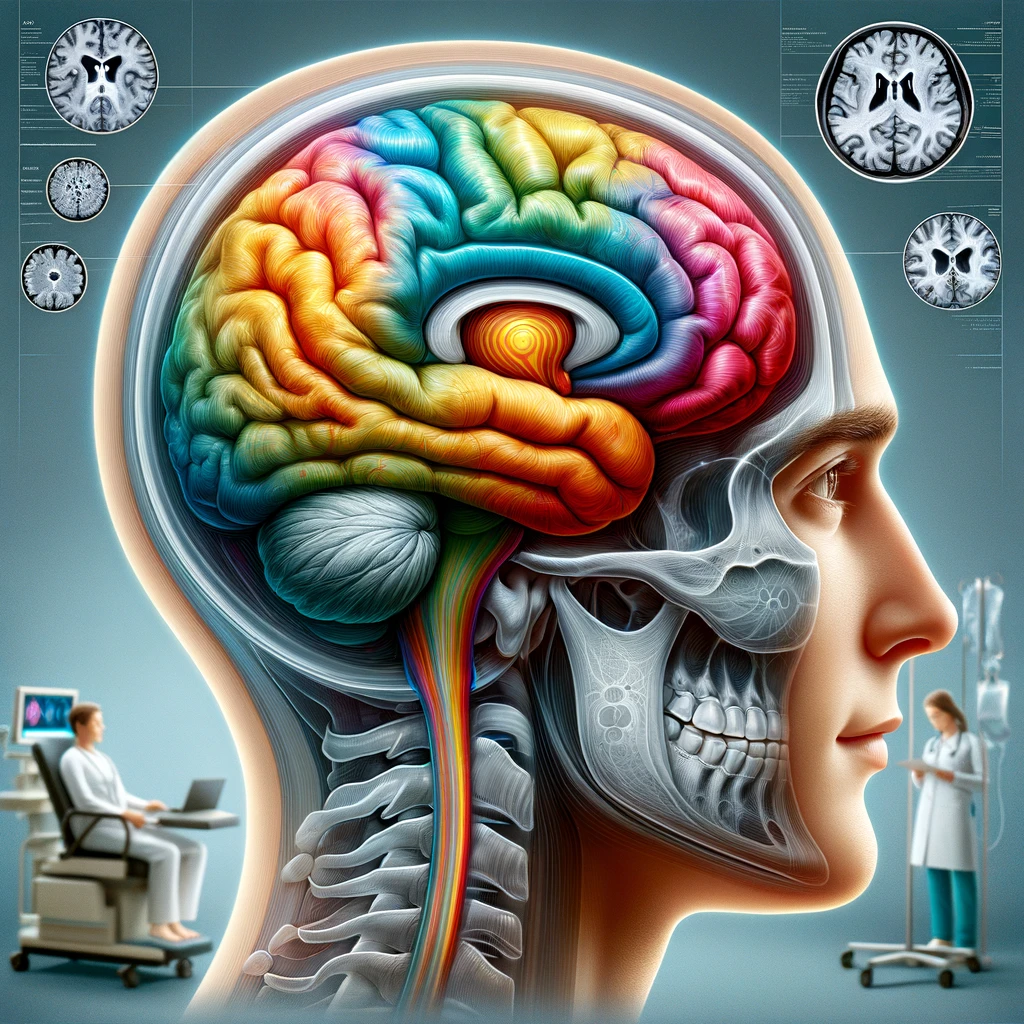
Functional Neurological Disorder (FND) encompasses a range of neurological symptoms that cannot be explained by traditional neurological disease. These symptoms are real and can be significantly debilitating, yet they originate from a malfunction in how the brain sends and receives signals rather than structural damage. Common presentations include seizures, tremors, limb weakness, speech disturbances, and sensory problems. Understanding FND requires a shift away from the outdated notion that such disorders are “all in the mind” and instead embraces the view that they are neurobiological conditions influenced by psychological, social, and biological factors.
In community education, it is crucial to highlight the prevalence and impact of FND to raise awareness and reduce stigma. Many people living with FND often experience misunderstanding and misdiagnosis, which can lead to feelings of isolation or frustration. Educating the public, community leaders, and healthcare providers through local events and workshops can help individuals recognise the signs of FND, seek appropriate medical support, and foster a more supportive environment for those affected. Awareness campaigns can also play a critical role, not only in correcting misconceptions but also in encouraging early intervention and multidisciplinary care.
It is important to emphasise that FND is a treatable condition. Education on effective management strategies, such as physiotherapy, psychological support, and patient-centred care, can empower both individuals with FND and those involved in their care. Supporting community awareness helps to close the gap between diagnosis and treatment, ensuring that people receive the understanding and resources they need to manage their condition successfully.
Identifying community education needs
To effectively educate the public about Functional Neurological Disorder (FND), it is essential to begin with a thorough assessment of the community’s current level of awareness and understanding. This involves identifying gaps in knowledge, prevalent misconceptions, and cultural attitudes that may influence how FND is perceived and addressed. Community education should be tailored to reflect the unique demographic, social, and healthcare contexts of the local population, ensuring that messaging around FND is relevant and easily accessible to diverse audiences.
Engaging with community stakeholders such as local healthcare providers, support groups, educators, and advocacy organisations can help identify what information is most needed and how it should be delivered. For instance, communities where FND is rarely discussed may benefit from foundational information highlighting the neurological basis of the disorder and debunking the stigma that often surrounds it. In contrast, areas with some existing knowledge might benefit more from in-depth discussions on treatment approaches and support services available locally.
Conducting surveys, focus groups, and informal interviews at local events can also provide valuable insight into community perceptions and educational needs. These methods allow educators to listen directly to people’s experiences, concerns, and questions about FND, shaping the content and approach of workshops accordingly. Furthermore, collaborating with individuals with lived experience of FND can enrich educational efforts, ensuring that the information is not only accurate but also empathetic and relatable.
Ultimately, identifying community education needs lays the groundwork for designing workshops that are both impactful and inclusive. By anchoring the educational approach in the realities of the community, it becomes possible to foster greater awareness of FND, encourage constructive conversations, and build a supportive network that contributes to early diagnosis, effective treatment, and reduced stigma.
Designing effective workshop content
Developing effective workshop content for educating communities about Functional Neurological Disorder (FND) requires a thoughtful balance between clinical accuracy and accessible language. The material should be designed to accommodate diverse levels of health literacy while remaining engaging and informative. Key content areas may include an overview of FND symptoms, causes, diagnosis, and treatment options, with a strong focus on dispelling myths and fostering awareness. Using case studies or real-life testimonials can also provide participants with relatable examples, making complex concepts more understandable.
To ensure that the material resonates with the audience, it is important to align the content with the community education needs previously identified. This could mean incorporating culturally relevant examples, addressing specific misconceptions observed in the local context, or highlighting local events and services that offer further support. Content should be modular to allow facilitators flexibility in tailoring the workshop according to the audience’s background, whether they are healthcare professionals, carers, or members of the general public.
Visual aids such as infographics, videos, and diagrams can significantly enhance understanding, particularly when introducing neurological concepts. Including interactive elements within the content—like quizzes or discussion prompts—encourages active learning and retention. Additionally, creating multilingual resources or using interpreters may be necessary in areas with high linguistic diversity, ensuring inclusivity and equal access to FND awareness efforts.
The tone and structure of the workshop content must uphold sensitivity and respect. Because FND is often misunderstood, careful wording is vital to prevent reinforcing stigma. Using person-first language, avoiding condescending terms, and affirming the legitimacy of the condition are key to building trust with the audience. Incorporating insights from those with lived experience of FND during the content development process also helps to reinforce the message that lived knowledge is as vital as clinical knowledge.
Providing supplementary take-home materials, such as informational brochures or links to reputable online resources, empowers participants to continue learning beyond the session. These materials can reinforce key messages from the workshop and help amplify community education through word-of-mouth and household discussions. By centring the needs of the local population and prioritising clarity, empathy, and relevance, workshop content can lay a strong foundation for improved understanding and support for those affected by FND.
Engaging participants through interactive methods
To foster meaningful learning and retention, incorporating interactive methods into community education workshops about FND is essential. Engaging participants goes beyond simple lecturing; it requires hands-on activities, dialogic participation, and real-world application that resonate with diverse learning styles. Role-playing exercises, for example, can give attendees a deeper understanding of the lived experience of someone with FND. By simulating scenarios such as a healthcare appointment or a public misunderstanding, participants develop empathy and gain insight into the social dynamics surrounding the condition.
Small group discussions are another effective method to encourage collective reflection and peer learning. Providing structured yet open-ended discussion prompts allows attendees to express their thoughts, ask questions, and compare experiences in a supportive setting. These conversations are especially valuable in community education environments where local events and community norms influence how FND is perceived. Including voices from local advocates or people living with FND can provide authenticity and make the discussion more impactful.
Interactive quizzes and games can be used to reinforce key messages and keep energy levels high throughout the session. These tools not only enhance understanding but also allow facilitators to assess participants’ prior knowledge and learning progress in a non-intimidating way. Incorporating technology, such as clicker systems or mobile-based platforms, may further increase engagement, especially among younger participants or tech-savvy groups. Analog methods, like sticky note brainstorming or flip chart activities, remain effective for fostering engagement in low-tech environments.
Storytelling is a powerful mechanism in raising awareness and breaking down stigma associated with FND. Inviting individuals to share their personal journeys either in person or through pre-recorded media creates a human connection that theoretical information alone cannot achieve. Audience members are more likely to internalise information when it is tied to real experiences, making storytelling a cornerstone of interactive learning in this context.
To make workshops inclusive and accessible, it is important to vary the interactive methods used, considering factors such as age, language, and cognitive ability. Visual, auditory, and kinaesthetic learners should each find elements that cater to their preferred way of learning. Community education should also include space for anonymous contributions, such as question boxes, to ensure that even more reserved participants can voice their thoughts or concerns without feeling exposed.
Facilitators play a crucial role in maintaining engagement. Encouraging participation through positive reinforcement, setting clear expectations, and creating a safe, judgement-free environment are vital to sustaining involvement. Their role extends beyond delivering information—they must moderate discussions, adapt activities in real-time, and be attuned to the group’s mood and energy levels.
Evaluating workshop outcomes and impact
Measuring the outcomes and impact of community education workshops on Functional Neurological Disorder (FND) is essential to ensure they are achieving their intended goals. Evaluation should be approached systematically, using both qualitative and quantitative methods to capture the depth and breadth of participants’ learning and the workshop’s influence on awareness and behavioural change. Pre- and post-workshop surveys can provide insight into shifts in knowledge, attitudes, and perceptions regarding FND. Questions might focus on understanding of symptoms, awareness of treatment options, and confidence in addressing stigma related to the condition in community settings.
Focus groups and informal feedback sessions can reveal how well the workshop content has resonated with attendees and whether they feel better equipped to support individuals with FND. These discussions are particularly valuable when they include participants from a range of backgrounds—such as healthcare staff, carers, community leaders, and members of the public—as they offer varied perspectives on what aspects of the workshop were most and least effective. Capturing participant feedback during or immediately after local events ensures that responses are both fresh and relevant, allowing facilitators to adjust future sessions in a responsive manner.
Tracking long-term impact requires follow-up assessments, which could involve checking whether participants have gone on to share what they learned, recommend resources, or incorporate their new knowledge into their professional or personal interactions. Community education initiatives may benefit from developing simple outcome indicators, such as increased attendance at support groups, more referrals to FND specialists, or engagement with digital awareness tools created as part of the education efforts.
Moreover, workshop organisers should consider collaborative evaluation processes that include individuals with lived experience of FND. Their insights can validate which approaches are truly transformative and highlight gaps that may not be immediately visible to professionals. They can also help assess how effectively the workshops have addressed stigma, promoted empathy, and equipped participants to be advocates for people with FND within their communities.
Evaluating workshop outcomes is not just about proving effectiveness but also about learning how to improve delivery and deepen impact. It creates a feedback loop that drives innovation in content, format, and outreach. By continually refining community education strategies, educators can enhance public understanding of FND, encourage earlier recognition and support, and contribute meaningfully to local awareness campaigns aimed at reducing misunderstandings around neurological health.