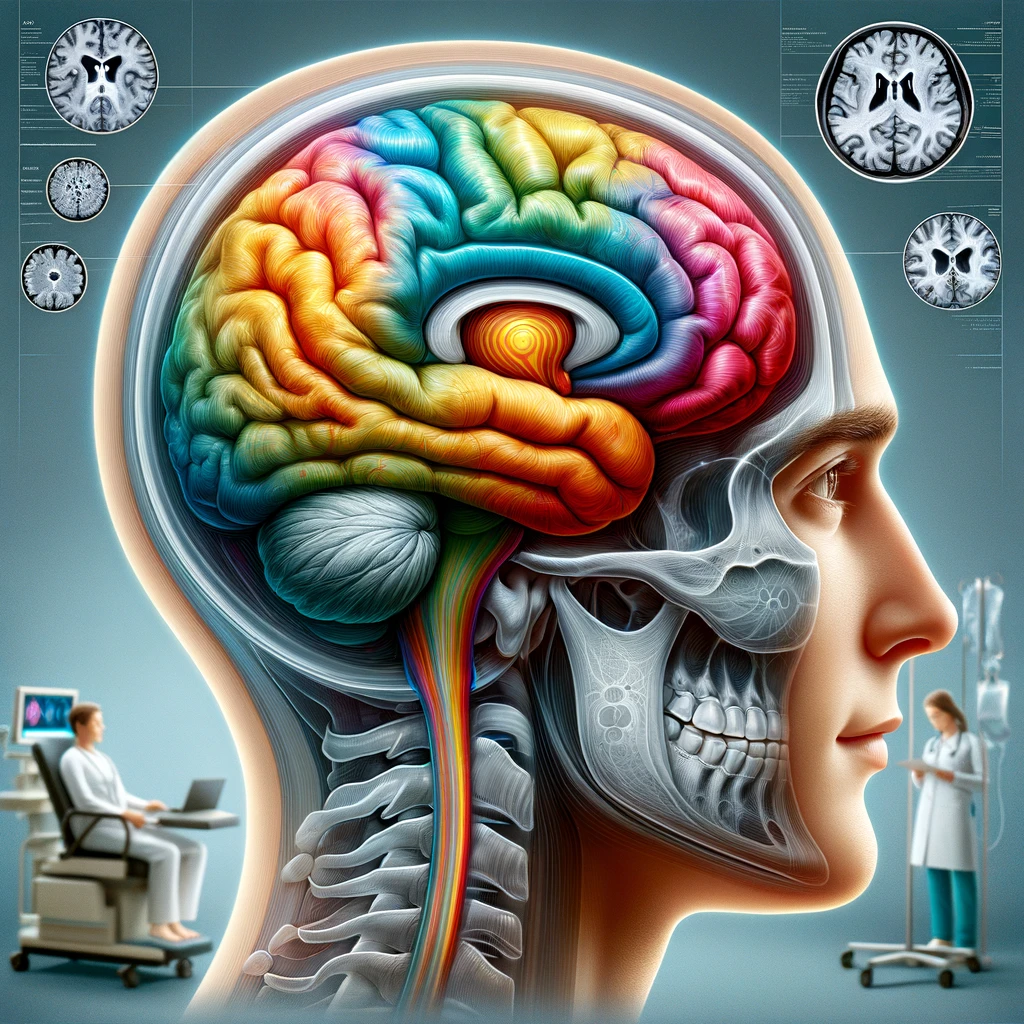

Functional tremor is a type of movement problem where the shaking is real and involuntary, but it is caused by a disruption in how the brain controls movement rather than by structural damage to the nerves, muscles, or brain tissue. It is classified as a functional neurological disorder, meaning the “software” of the nervous system is not working properly, even though the “hardware” appears normal on routine tests. People experience genuine symptoms that can be just as disabling as tremors caused by conditions like Parkinson’s disease or essential tremor.
In this condition, the brain’s automatic movement control systems become confused or overloaded, often after stress, illness, injury, or other changes in health. Instead of sending smooth, coordinated signals to the muscles, the brain generates abnormal patterns of activity that result in shaking. The tremor may begin suddenly, sometimes after a specific event such as a minor injury, a frightening experience, or a period of emotional strain. In other cases, the onset is more gradual, but still tends to be faster than in degenerative neurological diseases.
Functional tremor is typically considered part of the broader category of functional movement disorder, a group of conditions in which people have abnormal movements (such as tremors, jerks, or muscle contractions) that are inconsistent with classic neurological diseases. Unlike progressive conditions that steadily worsen as brain cells are lost, functional movement disorders are changeable over time and can improve significantly with the right understanding and treatment. The presence of a functional tremor does not mean that someone is “faking” or “imagining” their symptoms; the movements occur automatically and are outside conscious control.
One of the features that helps distinguish functional tremor from other tremors is its variability. The shaking can change in speed, direction, or intensity over short periods. It might stop and start, move from one body part to another, or behave differently in different situations. For instance, the tremor may become more noticeable when someone is paying close attention to it or feeling anxious, and it may lessen when the person is focused on another task. This changeable nature can be confusing or worrying for the person experiencing it, but it is a key clue for clinicians.
Another hallmark is distractibility. When attention is drawn away from the affected limb—such as by performing a mental task, answering questions, or using another part of the body—the tremor may decrease or briefly disappear. In a clinical setting, a health professional may ask the person to perform a second movement, like tapping with the unaffected hand or counting backwards. The tremor in the affected limb may change, become less regular, or reduce in intensity. This response reflects how closely functional tremor is linked to attention and the brain’s control systems, rather than to fixed damage.
Entrainment is also commonly seen. This means that when someone with functional tremor tries to move another limb at a certain rhythm—for example, tapping their fingers at a set pace—the tremor in the affected limb may “match” or be pulled into the same rhythm. In organic tremor disorders, each tremor usually keeps its own frequency regardless of movements in other body parts. Entrainment shows that the abnormal shaking is closely connected to voluntary movement networks in the brain and can be influenced by intentional actions.
The tremor can affect virtually any body part, including the hands, arms, legs, head, or trunk. Some people experience tremor when they are holding a position (postural tremor), while others notice it primarily when moving (kinetic tremor). The pattern may be inconsistent across different days or situations. Fatigue, pain, lack of sleep, and emotional stress often make the symptoms worse. Because of this, a person’s abilities can seem to fluctuate significantly from hour to hour or day to day, which can be hard for family members and employers to understand.
Unlike tremors caused by nerve degeneration or strokes, structural brain scans such as MRI and standard nerve tests are usually normal in functional tremor. This can be confusing and sometimes frustrating, as people may be told that “nothing is wrong” despite very real symptoms. A more accurate way to think about it is that routine tests are not designed to detect problems in how the brain circuits are functioning moment to moment. Specialists diagnose functional tremor based on positive clinical signs like variability, distractibility, and entrainment, rather than simply on the absence of abnormalities on tests.
Psychological and emotional factors often play a role, but they are not the whole story. Some people with functional tremor have a history of anxiety, depression, or traumatic experiences, while others do not. Stressful life events, chronic pain, or other medical illnesses can act as triggers or contributors. The nervous system becomes sensitized and more reactive, making it harder for the brain to filter and control movement signals. Understanding these links can be helpful, but it is important to emphasize that the tremor itself is not intentional or under voluntary control.
Because the condition arises from changes in brain function rather than permanent damage, the prognosis is often more hopeful than many people fear. Symptoms can improve, and in some cases resolve, especially when the diagnosis is clearly explained, fear is reduced, and appropriate therapies are started early. The brain retains the capacity to “retrain” movement patterns, but this process usually requires guidance, persistence, and a focus on rebuilding normal automatic movements rather than trying to suppress the tremor directly.
Treatment typically involves retraining the nervous system using approaches drawn from neurology, psychology, and rehabilitation medicine. Physiotherapy plays a central role, particularly when it is tailored specifically for functional movement disorders. Instead of traditional strengthening alone, therapy focuses on restoring normal movement patterns, using distraction, rhythm, graded tasks, and confidence-building exercises. Education about how functional tremor develops and why it can improve is woven into these sessions, helping to reduce fear and give a clear framework for recovery.
Understanding this condition as a disorder of movement control rather than a sign of irreversible damage can change how people respond to their symptoms. Recognizing that the shaking is real, but produced by a reversible disturbance in brain function, allows individuals and their care teams to focus on practical strategies for improvement. This perspective reduces self-blame, encourages active participation in rehabilitation, and lays the foundation for more effective coping and long-term management.
Recognizing signs and symptoms
Recognizing the signs and symptoms of functional tremor can be challenging because they often change over time and may look different from person to person. One of the most common early experiences is noticing a new, unusual shaking in a hand, arm, or leg that comes on suddenly or over days to weeks, rather than slowly over many years. People sometimes remember a specific moment when the tremor first appeared, such as during a stressful event, after a minor injury, or while recovering from an illness. Others may describe that the shaking seemed to “switch on” out of the blue and then became hard to ignore.
The tremor itself can vary in speed and strength. At times, it may be fine and rapid; at other times, it may be slower and more forceful. Many people notice that the pattern is inconsistent: the shaking may be severe one day and barely present the next, or it may change over the course of a single day. This variability is different from many other neurological conditions, where tremors tend to be more predictable. Some people notice that the tremor shifts from one limb to another, or that one area is affected one week and a different area the next. This moving pattern can be confusing and may lead to worries about a serious spreading disease, but in a functional movement disorder it is one of the clues that the nervous system “software” is misfiring rather than undergoing permanent damage.
Distractibility is a key feature that people may notice in everyday life, even before it is formally tested in a clinic. For example, someone might realize that when they concentrate hard on their shaking hand, it becomes more obvious and upsetting, but when they become absorbed in a conversation, a TV show, or a task that requires focus, the tremor lessens or seems to fade into the background. Family members may comment that the tremor is stronger when the person is anxious or talking about their symptoms and weaker when they are engaged in something enjoyable or demanding. This pattern does not mean the tremor is imagined; instead, it reflects how closely the symptoms are linked to attention and the brain’s control circuits.
Many people also notice that stress, fatigue, and strong emotions amplify their functional tremor. A difficult day at work, a conflict at home, pain, or poor sleep often leads to worse shaking. In contrast, restful periods or times when the person feels supported and calmer may bring temporary relief. This “stress sensitivity” can create a vicious cycle: the tremor causes worry and frustration, which heightens stress, which in turn makes the tremor worse. Recognizing this loop is important, because it points toward strategies that focus on managing stress and building resilience as part of symptom control.
The way the tremor appears during different movements can also offer clues. Some people mainly notice shaking when holding a position, like holding a cup, typing on a keyboard, or stretching the arms out in front. Others find that the tremor is most obvious when they try to move, such as when reaching for objects, writing, or walking. In functional tremor, the pattern may not be consistent: a person might be able to perform complex tasks, like using a smartphone or buttoning a shirt, with less shaking than simpler, more “tested” positions, such as holding the arms out for examination. This mismatch between everyday function and what is seen in certain positions is another characteristic sign.
Sudden shifts in the tremor are common. The shaking may start and stop abruptly rather than gradually building up and fading away. Some people describe “good days” and “bad days” without a clear explanation, and they may perform certain activities well in one setting but struggle unexpectedly in another. For example, someone might be able to walk more steadily at home than in a crowded clinic hallway, or they may write relatively clearly when not being observed but develop a pronounced tremor when asked to demonstrate their writing. These context-dependent changes are typical of functional symptoms, which are influenced by attention, expectations, and environment.
Other bodily sensations often accompany functional tremor. People may notice feelings of internal shakiness, buzzing, or vibration inside the limbs or chest, even when little or no visible tremor is present. There may be pain, heaviness, or a sense that the limb does not feel like it belongs or is not under normal control. Some describe their affected arm or leg as “not doing what I tell it to” or feeling oddly numb or detached, even though standard sensation tests may be normal. These experiences reflect the way functional disorders affect body awareness and the brain’s internal maps of movement.
Emotional reactions to the tremor are an important part of the overall picture. Fear of having a serious degenerative disease, frustration with fluctuating symptoms, and feeling misunderstood by others can lead to anxiety or low mood. People may withdraw from social activities because they are embarrassed about visible shaking or worried about being judged. At the same time, loved ones and coworkers may mistakenly think the person is exaggerating or can “just control it,” since the tremor sometimes appears to come and go. This misunderstanding can be deeply distressing and may make the symptoms feel even more overwhelming.
The impact on daily life can be significant, even when tests and scans come back normal. Simple tasks such as drinking from a glass, shaving, applying makeup, or using utensils may become challenging. Some people struggle with handwriting, signing documents, or using a computer mouse. Walking can feel unsteady if the legs are affected, leading to fear of falls or avoidance of stairs and uneven ground. Fatigue is common, partly because the body is working harder to compensate for the abnormal movements and partly because of the mental strain of living with unpredictable symptoms.
It is also common for functional tremor to coexist with other functional symptoms, such as episodes of limb weakness, jerky or twisting movements, non-epileptic attacks (sometimes called dissociative seizures), or problems with concentration and memory. There may be chronic pain, headaches, dizziness, or gastrointestinal complaints that have not been fully explained by other medical conditions. Recognizing this broader pattern can help people and clinicians see the tremor as part of a wider change in how the nervous system is functioning, rather than as an isolated problem.
Because the signs of functional tremor can mimic those of other conditions, many people go through repeated assessments, blood tests, and scans before receiving a clear explanation. Along the way, they may be told conflicting things or reassured that “nothing serious is wrong” without being given a satisfying description of what is actually happening. This can leave people feeling dismissed, confused, or skeptical. A more helpful approach is to focus on the positive features that point toward a functional movement disorder—such as variability, distractibility, abrupt onset, and context-dependent changes—so that the symptoms are acknowledged as real and treatable.
Understanding these characteristic signs and symptoms is not about self-diagnosing, but rather about recognizing patterns that you can discuss with a qualified clinician. Noticing, for example, that the tremor eases when you are focused on another activity, or that it changes suddenly when you shift tasks, can be important information to share. Keeping a brief record of when the shaking is worse or better, what seems to trigger it, and how it affects daily tasks can help guide the conversation. With better recognition, the path toward helpful explanations, appropriate treatment, and a more optimistic prognosis becomes clearer.
Diagnosing functional tremor
Getting to a diagnosis usually begins with a detailed conversation about your symptoms. A clinician will ask when the shaking started, how quickly it developed, whether it affects one or several body parts, and how it has changed over time. They will want to know what makes it better or worse, such as stress, rest, distraction, or focusing on the tremor. Questions about previous illnesses, injuries, operations, and medications are common, as well as questions about sleep, pain, mood, and energy levels. This history helps to build a picture of whether the pattern is more consistent with a degenerative condition or with a functional tremor.
A careful physical and neurological examination follows. The clinician will observe the tremor at rest, when you are holding a position, and when you move. They may ask you to stretch out your arms, touch your finger to your nose, write your name, pour water from a cup, or perform other simple tasks. During these maneuvers, the examiner looks for signs such as variability, sudden changes in intensity, and how the tremor behaves in different positions. They also check strength, reflexes, sensation, coordination, and balance to look for evidence of nerve or brain damage that could suggest another type of movement disorder.
Positive features on examination are central to diagnosing functional tremor. One of the most important is distractibility. The clinician may deliberately draw your attention away from the shaking limb by asking you to perform a mental task, such as counting backwards or spelling words, or by having you move another body part rhythmically. If the tremor decreases, pauses, or becomes irregular when you are distracted, this supports a functional cause. The same may occur if the examiner introduces an unexpected movement or task, such as gently moving the limb or asking you to rapidly tap with the opposite hand.
Another key sign is entrainment. To test for it, the clinician might ask you to tap a finger or foot at a steady rhythm with the unaffected limb while the affected limb continues to tremble. In functional tremor, the rhythm of the shaking often changes to match the tapping speed, or the tremor may temporarily disappear while you concentrate on the new movement. In contrast, in most organic tremor disorders, the tremor frequency stays the same regardless of other movements. Observing entrainment gives the clinician a positive, observable reason to suspect that abnormal motor control, rather than structural damage, is driving the symptoms.
The examiner will also assess how consistent the tremor is over the course of the visit. Functional tremor often shows marked variability: it may be strong when you first arrive, then diminish once you feel more at ease, or change dramatically when tasks are repeated. The clinician might notice that the tremor is more pronounced during formal testing, then less intrusive when you are doing everyday movements like putting on a jacket or collecting your belongings. These fluctuations provide additional clues that the nervous system is misprocessing movement signals in a reversible way.
While the diagnosis of functional tremor is based mainly on clinical signs, tests are often ordered to rule out other conditions and provide reassurance. Blood tests may check for thyroid problems, metabolic disorders, vitamin deficiencies, or signs of inflammation. Brain imaging, most commonly MRI, is frequently used to look for strokes, tumors, or structural changes such as multiple sclerosis plaques. In many people with functional tremor, these tests come back normal or show only incidental findings that do not explain the symptoms. Rather than meaning “nothing is wrong,” normal tests help confirm that the “hardware” of the nervous system is intact.
In some cases, more specialized investigations are used. An electromyography (EMG) study or tremor analysis may measure the pattern and frequency of muscle activity. Functional tremor typically shows variable frequency and patterns that change with distraction or voluntary movements. Some centers may use accelerometers or surface electrodes to document how the tremor behaves during different tasks. These tools are not always necessary, but they can strengthen the evidence that the tremor is functional, especially when there is diagnostic uncertainty or overlapping features with other disorders.
The clinician will also consider and systematically exclude other common tremor causes. Essential tremor, Parkinson’s disease, medication-induced tremor, dystonic tremor, and metabolic or toxic causes each have their own characteristic patterns. For example, Parkinsonian tremor usually appears at rest, often starts on one side, and is associated with slowness and stiffness. Essential tremor typically runs in families and is fairly consistent in frequency, often improving after small amounts of alcohol. When the clinical features of your tremor do not quite fit these typical patterns, and when positive signs like distractibility and entrainment are present, a diagnosis of functional tremor becomes more likely.
Because emotional and psychological factors can influence the nervous system, the assessment often includes questions about stress, mood, past trauma, or significant life events. This does not mean your symptoms are “just psychological,” but it recognizes that anxiety, depression, or overwhelming experiences can make the brain’s control systems more vulnerable to developing a functional movement disorder. Sometimes a mental health professional is involved in the assessment to help identify issues like panic attacks, post-traumatic stress, or health anxiety that may be contributing to the overall picture.
The way the diagnosis is explained is a crucial part of care. A clear, respectful discussion that links the findings on examination to the concept of a functional neurological disorder can itself be therapeutic. Many people feel relieved to hear that their symptoms are real, that they are not “going crazy,” and that the condition is potentially reversible. A clinician might demonstrate how the tremor changes with certain maneuvers right in the clinic, showing that the brain circuits controlling movement are still capable of normal function under the right conditions. Seeing this can make the idea of retraining those circuits through physiotherapy and other approaches more believable.
It is common to have mixed feelings at first, especially if you had expected a different diagnosis or have been searching for answers for a long time. Some people worry that a functional label means they will not be taken seriously or that something important is being missed. A thorough assessment, clear documentation of positive clinical signs, and an invitation to ask questions can help build trust. In some cases, a follow-up visit is scheduled specifically to revisit the explanation, review test results, and address any remaining doubts once you have had time to think about the information.
Once the diagnosis is established and understood, it becomes the foundation for planning treatment. Knowing that the tremor arises from a problem in movement control rather than from progressive cell loss changes the expected prognosis. Instead of bracing for inevitable decline, the focus shifts toward recovery, symptom reduction, and building confidence in movement. Early recognition and a confident, positive diagnosis open the door to targeted therapies, including specialized physiotherapy, psychological support, and self-management strategies that aim to retrain the nervous system and restore as much function as possible.
Treatment and self-management strategies
Treatment for functional tremor works best when it targets both the body and the brain’s movement control systems. The overall goal is not simply to “stop the shaking,” but to retrain automatic movements, reduce the nervous system’s over-sensitivity, and rebuild confidence in daily activities. This usually involves a combination of education, physiotherapy, psychological therapies, medication when appropriate, and practical self-management strategies that you can apply day to day.
Understanding the diagnosis is the starting point. When people genuinely grasp that functional tremor is a real movement disorder caused by changes in brain function, not by irreversible damage or weakness of character, they are more able to engage in treatment. A clear explanation of how symptoms can be influenced by attention, emotions, and expectations helps make sense of features like variability, distractibility, and entrainment. This understanding can reduce fear, which itself can lessen symptom intensity and improve the overall prognosis.
Specialized physiotherapy is often the core of treatment. Unlike standard rehabilitation that focuses mainly on strength and endurance, therapy for functional tremor emphasizes normal, automatic movement patterns. A physiotherapist experienced with functional neurological disorders may start by identifying positions or tasks where the tremor is naturally less pronounced—such as during certain distracting activities—and then build exercises around those moments of better control. For example, if the hand tremor eases while you tap your foot or count aloud, the therapist may incorporate rhythmic tapping or dual tasks while you practice reaching and grasping.
Therapy sessions frequently use graded exposure to feared movements. If lifting a cup has become difficult or anxiety-provoking, the physiotherapist might begin with a very light object, in a comfortable setting, and with added distractions that reduce tremor. Over time, the weight, speed, and complexity of the task are increased. The focus is on restoring a smooth, coordinated pattern rather than on forcing the tremor to stop. Verbal cues, visual feedback from mirrors, or video recordings can help you recognize times when the movement is more normal, reinforcing the idea that your nervous system still knows how to move correctly.
Another common technique is to take advantage of entrainment. If your arm tremor tends to synchronize with tapping of the opposite hand, the therapist may deliberately use rhythmic tapping, clapping, or metronomes to “capture” the tremor and then gradually slow or alter the rhythm to guide the affected limb into a steadier pattern. Similarly, they may use tasks that shift attention away from the shaking, such as counting, naming objects, or following a beat, allowing automatic movement pathways to take over. These strategies show in real time that the tremor can change with context, reinforcing the message that retraining is possible.
For some people, occupational therapy is equally important. An occupational therapist focuses on daily activities such as dressing, using cutlery, writing, typing, or driving. They may suggest different ways to perform tasks, adaptive equipment (like weighted utensils or cups with lids), or adjustments to your workspace to reduce strain and improve control. They can also help you plan your day to balance activity and rest, preventing the boom-and-bust cycle in which you overdo things on “good days” and feel wiped out or discouraged afterward.
Psychological therapies can play a key role, not because the tremor is “all in your head,” but because thoughts, emotions, and stress patterns strongly influence how the brain regulates movement. Cognitive behavioral therapy (CBT) is one of the most commonly used approaches. In CBT, you and a therapist explore how beliefs about your symptoms, worries about the future, and habits like constant body-checking or internet searching may be feeding a cycle of anxiety and symptom worsening. You then work on developing more balanced thoughts, problem-solving skills, and behaviors that support recovery instead of reinforcing fear.
When functional tremor is linked to past trauma, chronic stress, or conditions such as post-traumatic stress disorder (PTSD), trauma-focused therapies such as EMDR (eye movement desensitization and reprocessing) or certain forms of exposure therapy may help calm the nervous system and reduce physiological hypervigilance. As the body’s “alarm system” becomes less reactive, some people notice a reduction in tremor frequency and intensity. Mindfulness-based therapies, acceptance and commitment therapy (ACT), and other forms of stress-focused counseling can also help you relate differently to your symptoms—acknowledging them without panicking or fighting them, which can paradoxically allow them to ease.
Medication is not a primary treatment for functional tremor itself, because there is no specific drug that corrects the underlying movement control issue. However, medications can be helpful for associated conditions that worsen symptoms. For example, antidepressants or anti-anxiety medications may be considered if you have significant depression, generalized anxiety, or panic attacks. Treating these can reduce overall distress and help you participate more fully in physiotherapy and psychological therapy. Sleep medications, pain relievers, and medications for coexisting conditions (like migraines or irritable bowel syndrome) may also be used selectively, with the goal of improving general wellbeing rather than directly targeting the tremor.
Self-management strategies are essential, because most of the retraining happens in everyday life, not just in the clinic. One of the most useful skills is learning to notice early warning signs that your tremor is about to flare—such as rising tension, shallow breathing, racing thoughts, or fatigue—and using quick tools to interrupt the escalation. These might include slow diaphragmatic breathing, grounding exercises that draw attention to your surroundings, or brief stretches and posture adjustments that help reset muscle tension. Practicing these regularly, even when symptoms are mild, makes them more effective when you need them most.
Managing stress in a structured way can significantly influence symptom severity. This may involve setting realistic expectations for yourself, scheduling regular breaks, and creating routines for relaxation, such as short mindfulness sessions, gentle yoga, tai chi, or other calming activities. Identifying major stressors—financial worries, relationship difficulties, job pressures—and seeking practical support or counseling for these issues can indirectly but powerfully help your nervous system stabilize. Because stress often fuels both the onset and maintenance of functional tremor, any step that reduces chronic stress loads can contribute to better control.
Physical activity, when introduced gradually and safely, is another pillar of self-management. Regular movement improves circulation, mood, sleep, and general brain health. Low-impact exercises such as walking, swimming, or cycling are often good starting points. It is important to begin at a level that feels manageable and to increase intensity slowly, watching how your symptoms respond. Some people find that group classes, like gentle aerobics or supervised gym sessions, provide motivation and distraction from symptoms. Others prefer home-based routines. The key is consistency and the message you send your brain: your body is capable, and movement is safe.
Practical adjustments to your daily environment can reduce frustration and help you maintain independence while you work on retraining. This might include using cups with lids to avoid spills, choosing clothing with fewer buttons or zippers, keeping heavy or frequently used items at waist height to minimize lifting, and using voice-to-text software instead of prolonged handwriting or typing when your hand tremor is active. These changes are not admissions of defeat; they are tools that help you stay engaged in life while your nervous system adapts.
Another important aspect of self-management is pacing. Many people with functional tremor swing between overactivity on better days and enforced rest on worse days, which can destabilize symptoms. Pacing means breaking tasks into smaller steps, alternating demanding activities with easier ones, and planning recovery time into your schedule before you become exhausted. Over time, as your stamina and confidence improve, the length and complexity of tasks can be increased. This steady, graded approach supports the brain’s learning process and reduces the risk of setbacks.
Communication with family, friends, and employers can make treatment more effective. Explaining, in simple terms, that you have a functional movement disorder—that the movements are real but come from a problem in how the brain controls the body—can reduce misunderstandings. Sharing educational materials or inviting a loved one to attend a therapy session can help them see how the tremor behaves and how it can change with the right strategies. When the people around you understand the condition, they are more likely to offer practical support, flexibility, and encouragement rather than doubt or pressure.
Because functional tremor can fluctuate, it is common to experience periods of improvement followed by temporary worsening, especially during times of stress, illness, or major life changes. Having a personalized “flare-up plan” can help you respond calmly. This might include temporarily simplifying your schedule, using extra grounding or relaxation techniques, reviewing exercises from physiotherapy, and reminding yourself that previous improvements show your nervous system can settle again. Recognizing that ups and downs are part of the recovery journey, not signs of inevitable decline, supports a more hopeful and realistic prognosis.
Working with a coordinated team—ideally including a neurologist familiar with functional disorders, a physiotherapist, an occupational therapist, and a mental health professional—provides the best chance of meaningful improvement. If a full team is not available locally, it may still be possible to combine input from different professionals over time, using letters, reports, or telehealth to coordinate care. Keeping your own written record of helpful strategies, exercise plans, and therapy insights can bridge gaps between appointments and give you a sense of control over your treatment path.
Ultimately, treatment and self-management strategies for functional tremor focus on harnessing the brain’s capacity for change. Each time you successfully complete a movement with less shaking, respond to a flare-up with calm tools instead of panic, or challenge unhelpful thoughts about your abilities, you are sending new messages through your nervous system. Over weeks and months, these repeated experiences can gradually reshape automatic patterns of movement and response, supporting steady gains in function and quality of life.
Living well with functional tremor
Living well with functional tremor means focusing on what you can do, not just on what is difficult. While the symptoms can be disruptive, many people find ways to adapt, regain confidence, and build a meaningful life by combining medical care with practical lifestyle strategies and emotional support. It is not about pretending the tremor is not there; it is about learning how to live alongside it while gradually retraining the nervous system and reducing its impact.
One of the most powerful tools is developing a realistic and hopeful outlook. Understanding that this is a functional movement disorder with a generally more favorable prognosis than degenerative conditions can shift how you approach daily challenges. Instead of assuming that every bad day signals deterioration, you can view fluctuations as part of a changeable condition that often responds to stress, fatigue, and attention. This mindset makes it easier to stay engaged with physiotherapy exercises, daily activities, and social life even when symptoms are present.
Building structured routines can help stabilize both body and mind. Regular wake and sleep times, planned meals, and set windows for exercise, rest, and leisure create a predictable framework that reduces decision fatigue and stress. Within this structure, you can schedule short sessions of movement practice—such as exercises suggested by your physiotherapist or occupational therapist—and brief periods of relaxation or mindfulness. Keeping these sessions short but consistent is often more sustainable than pushing yourself intensely on days when you feel better.
Many people benefit from treating movement and activity as “practice” rather than “tests.” Instead of seeing tasks like pouring a drink, using a computer mouse, or writing a note as pass-or-fail challenges, you can frame them as opportunities for your brain to relearn smoother patterns. If the tremor increases, it does not mean you have failed; it simply means your nervous system needs more gradual exposure or slightly different conditions, such as adding a distraction (like counting aloud) or changing posture. This practice-oriented mindset aligns with how physiotherapy for functional tremor is designed and reduces self-blame when symptoms fluctuate.
Maintaining social connections is crucial for emotional wellbeing. It can be tempting to withdraw from friends, family, or community activities because of embarrassment about visible shaking or fears of being misunderstood. However, isolation often increases anxiety and low mood, which can, in turn, worsen symptoms. Sharing a simple explanation—such as “I have a functional movement disorder; the shaking is real but comes from how my brain controls movement, not from damage”—can help others respond with empathy rather than confusion. Inviting a trusted person to attend a medical or therapy appointment may further improve understanding and support.
Work and education are important parts of identity and purpose, and many people with functional tremor can continue in their roles with reasonable adjustments. Depending on how symptoms affect you, this might involve flexible hours, the option to work from home part of the time, modified duties that minimize fine motor tasks during flare-ups, or assistive tools such as ergonomic keyboards, speech-to-text software, or weighted pens. Occupational health services, vocational rehabilitation specialists, or disability resource offices in schools and colleges can help identify accommodations. Staying employed or engaged in study, even with modifications, can boost confidence and provide a sense of progress.
At home, organizing your environment to match your current abilities can make daily life smoother. Keeping frequently used items within easy reach, using non-slip mats, installing grab bars in bathrooms, and placing chairs in strategic spots where you might need a brief rest can reduce the risk of falls and accidents. Adaptive equipment like two-handled mugs, plates with rims, or utensils with larger grips can make eating and cooking more manageable. Over time, as tremor improves or you gain better control, you can gradually reduce reliance on some of these aids if you wish.
Emotional health deserves as much attention as physical symptoms. Living with chronic, unpredictable tremor can be frustrating, frightening, or exhausting. It is common to experience sadness, anger, or anxiety, especially if the diagnosis was delayed or misunderstood by others. Talking with a mental health professional who understands functional neurological disorders can provide a safe place to process these feelings and develop coping strategies. Even short-term counseling can help you manage health-related worries, rebuild self-esteem, and address unhelpful patterns such as constantly checking your tremor or catastrophizing about the future.
Self-compassion is a practical skill, not just a comforting idea. When symptoms flare, it is easy to criticize yourself for “not trying hard enough” or to compare yourself to your pre-tremor life. Instead, you can practice speaking to yourself as you would to a close friend in the same situation: acknowledging the difficulty, recognizing your efforts, and reminding yourself that progress is rarely linear. Brief self-compassion exercises—such as placing a hand on your chest, taking a slow breath, and silently saying, “This is hard, but I am doing what I can right now”—can interrupt harsh inner dialogue and reduce stress-driven symptom worsening.
Managing energy wisely is another key element of living well. Many people with functional tremor experience fatigue, either from the physical effort of coping with abnormal movements or from poor sleep and ongoing stress. Using pacing strategies—breaking tasks into smaller steps, rotating between physically and mentally demanding activities, and scheduling rest before you are exhausted—helps conserve energy for what matters most to you. Keeping a simple activity and symptom diary for a week or two can reveal patterns: times of day when you are more prone to flare-ups, tasks that drain you quickly, or combinations of activities that work well.
Healthy lifestyle choices support the brain’s capacity to adapt and retrain. A balanced diet, adequate hydration, and limiting alcohol and recreational drugs help keep the nervous system more stable. Caffeine affects people differently; some find that it worsens tremor, while others notice little change, so it may be worth experimenting with small adjustments and observing the effect. Prioritizing sleep—by keeping a regular schedule, limiting screens before bed, and creating a calming bedtime routine—can also make a noticeable difference, as poor sleep often intensifies symptoms and makes coping more difficult.
Physical activity outside of formal exercise can be woven into daily life. Gentle stretching in the morning, short walks, light household chores, or gardening can provide movement without feeling like a daunting workout. These activities also serve as opportunities to practice staying engaged in what you are doing rather than constantly monitoring your tremor. Over time, these repeated experiences can help your brain associate movement with safety and competence, rather than with fear or anticipation of failure.
Hobbies and enjoyable activities are not luxuries; they are part of treatment. Engaging in art, music, reading, crafts, or other interests shifts attention away from constant symptom monitoring and can reduce overall stress. Some people find that their tremor lessens while they are absorbed in a creative task, listening to music, or spending time in nature. Noticing and valuing these moments of reduced symptoms reinforces the idea that your nervous system is capable of more stable control, and it can provide motivation to keep practicing and experimenting with different supports.
Online and in-person support communities can be valuable, especially if you feel isolated or misunderstood. Hearing from others with functional tremor or related conditions can normalize your experiences and offer practical tips for managing specific challenges, such as using public transport, attending social events, or caring for children while coping with symptoms. It is important, however, to choose supportive spaces that emphasize recovery, balanced information, and respect for medical guidance rather than those that focus solely on worst-case scenarios or promote unproven treatments.
Working collaboratively with your healthcare team over time allows you to adjust strategies as your situation changes. You may go through periods when physiotherapy is the main focus, followed by phases where psychological support or occupational adjustments take center stage. Regularly reviewing what is helping, what feels burdensome, and what new goals you would like to pursue keeps care aligned with your priorities. Bringing written questions or a brief update to appointments can make visits more productive and help you feel actively involved in decisions about your care.
As you gain experience managing functional tremor, you may notice that your definition of “living well” evolves. Early on, it might mean simply getting through the day with fewer crises or less fear. Later, it may involve returning to cherished activities, setting new personal or professional goals, or supporting others who are newly diagnosed. Each small step—trying a modified task, going out despite anxiety, practicing a relaxation technique during a flare—contributes to a larger pattern of adaptation and growth.
Living well does not require complete absence of symptoms. Many people find that even when some tremor remains, they can build rich, fulfilling lives by balancing self-care with meaningful activity, using targeted strategies to manage flare-ups, and staying connected to supportive relationships and healthcare professionals. Over time, the focus can shift from constantly fighting the tremor to cultivating skills, routines, and perspectives that allow you to move forward, even with uncertainty, and to experience a sense of agency and purpose in everyday life.