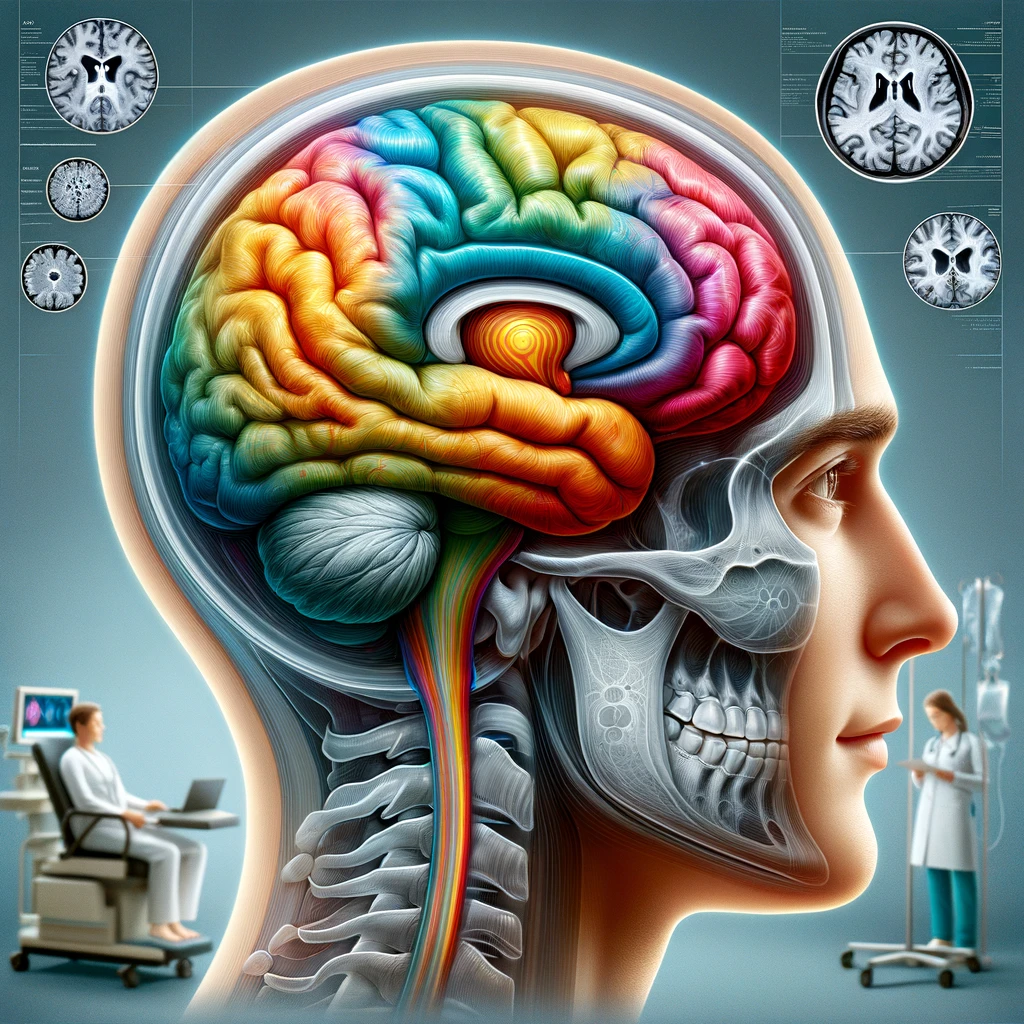

Living with functional cognitive disorder often involves a persistent sense that something is wrong with one’s thinking, even though formal testing may show relatively preserved abilities. In daily contexts, this can appear as frequent worries about “losing my memory” despite being able to recall information when carefully prompted. People may describe episodes of “brain fog” in which thoughts feel slow, effortful, or disorganized, especially under stress, time pressure, or in busy environments such as supermarkets, open-plan offices, or crowded public transport. These experiences are typically distressing and can lead to increased self-monitoring of thinking, which in turn amplifies awareness of every slip or lapse.
A common characteristic is difficulty sustaining attention over time, particularly for tasks that are routine or boring. At home, this may show up as repeatedly forgetting what one was doing when walking from one room to another, leaving tasks half-finished, or misplacing everyday items like phones, glasses, or keys multiple times a day. In contrast to neurodegenerative conditions, people with functional cognitive disorder can often recall where items were placed when they slow down, retrace steps, or use cues, suggesting that the information was encoded but not efficiently accessed in the moment. The inconsistency of performance—good on some days or in some situations, markedly worse on others—is a key daily feature.
Another hallmark is a mismatch between reported difficulties and observable performance in structured situations. For instance, someone may say they “cannot remember anything” but can follow a complex conversation, give a detailed history of their concerns, or recall events with precise emotional and contextual detail when given enough time and reassurance. In daily life, this discrepancy might appear when they manage complicated responsibilities, such as budgeting or caregiving, yet feel overwhelmed by simple tasks like making a shopping list. The subjective sense of impairment can therefore be much greater than what family members or colleagues notice, leading to confusion and frustration for everyone involved.
Functional cognitive disorder frequently affects how people approach tasks, not just how they perform them. Many become overly reliant on checking, re-checking, and reassurance-seeking behaviors. At home, this might involve repeatedly returning to make sure the stove is off, rereading emails several times before sending them, or going through a mental checklist over and over. While these strategies are meant to prevent mistakes, they can paradoxically heighten anxiety and make thinking feel even less automatic and more effortful. The preoccupation with potential errors can crowd out mental space needed for flexible, efficient cognition.
Stress, fatigue, and emotional state strongly shape everyday experiences of cognition in functional cognitive disorder. People often report that their memory and attention are much worse at the end of the day, after poor sleep, or during periods of high emotional strain. In quieter, calmer moments, they may function relatively well, only to feel dramatically impaired when rushing to get out the door in the morning or juggling multiple competing demands. This strong situational variation is distinct from the more steadily progressive pattern seen in many neurodegenerative conditions and underscores the sensitivity of functional cognitive symptoms to the environment.
Multitasking and divided attention are particularly challenging. Situations that require keeping track of several pieces of information at once—cooking while supervising children, driving while following navigation instructions, or answering work messages while in a meeting—often trigger or exacerbate symptoms. People may describe their mind as “shutting down” or “going blank” when too many stimuli compete for attention. As a result, they may start to avoid complex situations, simplify routines, or insist on doing one thing at a time, which can be helpful in the short term but may also reinforce fears about their cognitive capacity.
In social situations, functional cognitive disorder can manifest as difficulty following group conversations or recalling names, faces, or details of recent events. Background noise, rapid topic changes, and the pressure to respond quickly may all make cognition feel unreliable. Individuals might worry that they appear rude, uninterested, or “not as sharp as they used to be,” leading to self-consciousness and withdrawal from social activities. This social retreat can further heighten attention to internal cognitive symptoms, creating a vicious cycle in which reduced social stimulation and increased self-focus fuel ongoing difficulties.
Another characteristic feature is the way people interpret normal cognitive lapses. Everyday forgetfulness—such as forgetting a word, misplacing an item, or briefly blanking on why one entered a room—is common in the general population, especially when busy or stressed. In functional cognitive disorder, these benign lapses are often interpreted as signs of serious brain disease, such as dementia. The intense fear that minor memory problems reflect permanent brain damage can heighten vigilance and anxiety, which then further disrupts concentration and recall. This pattern can make relatively ordinary cognitive hiccups feel catastrophic.
People with functional cognitive disorder often develop complex internal narratives to explain their symptoms. They may attribute every difficulty to “my damaged brain” or “my failing memory,” even when medical evaluations have not identified structural brain changes. This explanatory style can strongly influence daily life, leading them to underestimate their abilities and overestimate risks. For example, someone might stop driving because they worry about forgetting directions, even though they navigate familiar routes reliably when they test themselves in a safe context. The belief that the brain is irreversibly broken can be more disabling than the cognitive lapses themselves.
Physical sensations can intertwine with cognitive experiences. Headaches, dizziness, visual disturbances, or a general sense of being physically “off” can accompany or precede episodes of brain fog. In busy or visually complex environments, these symptoms may intensify, making it harder to process information efficiently. Everyday tasks like grocery shopping or commuting through crowded stations can feel overwhelming, as visual and auditory stimuli compete for limited attentional resources. Over time, people may start avoiding such settings, which can inadvertently limit practice in managing attention and adapting strategies.
Sleep patterns and daily routines play a visible role in symptom fluctuations. Difficulty falling asleep, unrefreshing sleep, or irregular sleep schedules can leave people feeling cognitively drained from the moment they wake up. The resulting daytime fatigue often worsens concentration, word-finding, and working memory, particularly during mid-afternoon or early evening. Many individuals notice that their best thinking happens in a narrow window of the day when they feel relatively rested, after which even simple tasks can feel disproportionately demanding. This predictable rhythm can shape how they plan chores, work, and social activities.
Technology use provides another window into everyday characteristics of functional cognitive disorder. People may struggle with following multi-step instructions on apps, remembering passwords, or keeping track of notifications and messages. At the same time, they can often learn and apply compensatory methods, such as using reminder apps, alarms, and digital notes, with good effect when encouraged to do so systematically. The contrast between moments of confusion and successful use of structured tools underscores the variability and context-dependence of their cognitive functioning, rather than a uniform or steadily worsening decline.
Family members and close friends frequently notice that symptoms wax and wane with context. They may observe that someone who insists they “cannot remember anything” is able to recount television plotlines, hobby-related details, or personal stories with striking accuracy, especially when emotionally engaged. Conversely, the person may struggle to remember routine, neutral information like what was eaten for lunch or minor appointments. Emotional salience and personal meaning often enhance memory performance in daily life, highlighting that encoding and retrieval are still intact but modulated by mood, attention, and perceived importance of information.
Another daily characteristic is the impact of task complexity and novelty. New, unfamiliar tasks—learning a new recipe, starting a different route to work, or navigating a new software platform—can feel overwhelmingly hard, leading to rapid mental fatigue and a sense of incompetence. However, once these tasks are practiced and become more automatic, performance typically improves. People may not recognize this pattern as a sign of preserved learning capacity, instead focusing on the initial struggle and interpreting it as proof that their brain cannot handle anything new.
Over the course of a day, people with functional cognitive disorder often engage in constant internal monitoring of their thoughts, memories, and performance. They might repeatedly ask themselves whether they are remembering “well enough,” mentally replay conversations to check for errors, or scrutinize their performance on everyday tasks. This inward focus consumes cognitive resources, leaving fewer available for the tasks themselves. In contrast, moments when they become absorbed in enjoyable, meaningful activities—with less self-monitoring—often coincide with better cognitive performance, though these improvements may be overlooked or dismissed.
In many daily settings, language-related symptoms become a prominent concern. Word-finding problems, losing track of what one was saying mid-sentence, or feeling unable to express thoughts clearly can all be experienced as highly alarming. Under pressure, such as in meetings, phone calls, or medical appointments, these difficulties can feel more intense. Yet in relaxed situations, the same individuals may speak fluently and engage in nuanced conversations. The fluctuation of language fluency with anxiety and context helps distinguish functional cognitive disorder from primary language-based neurodegenerative conditions, but in daily life it mainly shows up as a frustrating inconsistency that undermines confidence.
Financial and organizational tasks often highlight both vulnerabilities and strengths. Paying bills, organizing paperwork, or managing multiple deadlines can provoke anxiety and a sense of being overwhelmed. People may procrastinate because they fear making mistakes, which then compresses tasks into a smaller window of time and heightens pressure. When they use structured routines, written checklists, or step-by-step breakdowns, performance usually improves. This pattern shows that, with adequate support and structure, complex executive tasks remain possible in everyday life, even if they feel subjectively fragile or unreliable.
Impact on work, relationships, and independence
Functional cognitive disorder can reshape the workday long before any formal diagnosis is made. Many people notice that routine job tasks that once felt automatic—writing emails, remembering verbal instructions, or switching between projects—now require intense effort and repeated checking. Brain fog during meetings may make it hard to follow complex discussions or retain key points, especially when several people speak quickly or at once. Workers might compensate by taking extensive notes, asking for written summaries, or silently re-running conversations afterward to ensure they did not miss anything. While these strategies can keep performance acceptable on the surface, they often come with a heavy cost in fatigue and self-doubt.
Worries about memory and attention at work frequently lead to changes in behavior that colleagues and managers notice, even when the underlying cognitive abilities remain relatively intact. Someone who previously spoke up confidently in meetings may become quiet, avoiding spontaneous contributions for fear of losing their train of thought. Others may decline new responsibilities, promotions, or public-facing tasks because they worry about making visible mistakes. Emails might become longer, more detailed, and heavily proofread, delaying responses and adding to workload. Over time, these subtle shifts can reduce visibility and opportunities for advancement, reinforcing a sense that the disorder is eroding professional identity.
The mismatch between subjective cognitive difficulty and objective work performance can be particularly striking. Performance reviews may remain positive, and error rates may be no higher than before, yet the individual feels that they are “barely coping” or “just one step away from a disaster.” This discrepancy can create tension with supervisors or occupational health providers: from the outside, the person appears competent; from the inside, every task feels precarious. When concerns are dismissed or misunderstood as simple stress or lack of effort, trust can erode, and the person may feel compelled to hide struggles rather than seek support or reasonable adjustments.
Workplace stressors often intensify symptoms of functional cognitive disorder. Open-plan offices, frequent interruptions, and high time pressure can trigger episodes of feeling mentally “blank” or overwhelmed. Multitasking demands—such as answering calls while monitoring email and updating records—may exceed the person’s current capacity for divided attention, leading to more frequent lapses, such as forgetting what was said on a call or misplacing documents. In response, individuals may create elaborate compensatory systems, like multiple overlapping lists, alarms, and color-coded folders. While helpful, these systems can become burdensome and increase the sense that everyday functioning depends on constant vigilance.
Concerns about job security and future employability often loom large. People may fear that disclosing functional cognitive disorder will result in stigma, reduced responsibilities, or even dismissal, particularly in safety-critical roles such as healthcare, transport, or law enforcement. Some step back from roles they can still perform safely because they catastrophize occasional lapses as evidence they are “dangerous” or “unfit.” Others push themselves to continue without adjustments, leading to burnout and worsening symptoms. Navigating disclosure, workplace accommodations, and occupational health assessments becomes a central challenge in maintaining employment and self-esteem.
In personal relationships, functional cognitive disorder can alter communication patterns and emotional dynamics. Partners, family members, and close friends may initially notice repeated questions, forgotten plans, or difficulties following stories or jokes. At first, these lapses may be brushed off as stress or distraction, but as the person increasingly attributes them to a serious memory problem, interactions can become charged with anxiety. The affected individual might repeatedly seek reassurance—asking whether they already said something, whether they are “getting worse,” or whether others have noticed a change. Loved ones, unsure how to respond, may oscillate between overprotectiveness and frustration.
Misunderstandings frequently arise from the gap between what the person experiences and what others observe. A partner who sees relatively normal daily functioning may interpret frequent complaints about memory as exaggeration or attention-seeking, leading to irritation or withdrawal of support. Conversely, the person with functional cognitive disorder may feel invalidated or disbelieved, deepening their distress and sense of isolation. They might conclude that others “don’t understand how hard this is,” and withdraw from shared activities that feel cognitively demanding, such as hosting guests, handling finances together, or planning trips.
Everyday forgetfulness in relationships can have emotional consequences beyond the practical inconvenience. Forgetting anniversaries, birthdays, or significant conversations may be interpreted by loved ones as a lack of care or priority, even when the underlying issue is impaired attention under stress rather than indifference. The affected person may feel deep guilt and shame about such lapses, reinforcing negative self-beliefs like “I’m unreliable” or “I can’t be trusted.” Over time, this can discourage them from taking on shared responsibilities, shifting more of the cognitive load onto partners or family members and subtly altering the balance of the relationship.
Social lives often contract as people with functional cognitive disorder try to reduce situations that highlight their perceived weaknesses. Group gatherings can feel cognitively overwhelming: multiple conversations, background noise, and rapid topic changes may make it hard to keep up, remember names, or follow stories. To avoid embarrassment or the fear of “saying something wrong,” individuals may decline invitations, leave events early, or stick only to familiar, predictable settings. Friends may interpret this as disinterest or depression rather than a response to cognitive strain. Reduced social engagement, in turn, limits positive experiences that could counteract negative beliefs about cognitive abilities.
Family roles and responsibilities are also affected. Parents may worry about forgetting important school events, medications, or safety instructions, leading them to either overcompensate with rigid routines and constant checking or withdraw from certain tasks altogether. Adult children supporting older parents might feel torn between their caregiving duties and their own cognitive worries, fearing that they will miss critical details or make harmful mistakes. In some households, other family members start to “take over” tasks such as managing appointments, organizing travel, or handling finances, sometimes without explicit discussion. While often well-intentioned, this can contribute to a loss of autonomy and reinforce the message that the person is no longer capable.
Independence in everyday life frequently becomes a central concern. Activities that once felt straightforward—driving, shopping, cooking, managing medications, or traveling alone—may now feel risky. People with functional cognitive disorder often scrutinize their performance in these areas, interpreting any lapse as evidence they should stop doing the activity altogether. For example, momentarily forgetting where they parked the car might lead them to stop driving, even though such lapses are common in the general population. Avoidance can bring short-term relief from anxiety but comes at the cost of reduced mobility, reliance on others, and a shrinking world.
Driving is a particularly fraught area for many. The combination of navigation, monitoring traffic, and responding to unexpected events can feel overwhelming in moments of brain fog. Some individuals change their driving habits—avoiding rush hour, unfamiliar routes, or nighttime driving—while others give up driving entirely. These decisions are often made based on subjective fear rather than objective safety assessments. Losing the ability or confidence to drive can significantly limit access to work, social activities, and healthcare, increasing dependence on family members or public transport and potentially amplifying feelings of inadequacy.
Financial independence may be affected in more subtle ways. Complex tasks like budgeting, comparing contracts, or completing official forms can feel mentally exhausting, leading to procrastination and last-minute rushes. To cope, some people hand over financial management to a partner or relative or rely heavily on automated payments and reminders. While these strategies can prevent immediate problems, they may also erode the person’s confidence in handling money, making it harder to resume control later. Occasional minor errors or oversights are sometimes interpreted catastrophically, prompting further withdrawal from financial decision-making even when basic numeracy and reasoning remain intact.
Household management provides another lens on independence. Multi-step tasks such as planning meals, shopping for ingredients, and cooking can feel challenging if attention fluctuates and mental energy is low. People may simplify routines, rely on prepared foods, or cook only when someone else is present to provide reassurance. Similarly, managing medications can become a source of anxiety: individuals may fear forgetting doses or doubling up by mistake, leading to elaborate checking rituals or requests that others supervise. These changes can gradually shift the person’s role within the household from an active organizer to someone perceived as needing oversight.
Emotional responses to the loss or perceived loss of independence are profound. Many people with functional cognitive disorder describe grief for the “old self” who could juggle work, home, and social life without constant mental effort. Shame about needing help with tasks once taken for granted can lead to secrecy and reluctance to ask for support, even when modest accommodations would allow greater autonomy. Some individuals swing between pushing themselves too hard in a bid to prove they are still capable and retreating from activities after any lapse, reinforcing a pattern of boom-and-bust functioning that further undermines confidence.
Identity is often tightly bound to cognitive roles—being the “organized one” at work, the “planner” in the family, or the “problem-solver” among friends. When functional cognitive disorder disrupts these roles, people can feel that their core sense of self is under threat. Professional setbacks, reduced responsibilities, or early exit from work can be experienced not just as practical losses but as existential blows. Similarly, shifting from caregiver to perceived care recipient within a family can challenge long-standing patterns of reciprocity and dignity. The struggle to renegotiate identity in the face of fluctuating cognitive symptoms is a major, often invisible, part of the disorder’s impact.
Despite these challenges, some individuals find ways to preserve or even strengthen aspects of independence and relationship quality. Honest conversations with partners, family members, and employers about the nature of functional cognitive disorder—emphasizing its functional rather than degenerative nature—can reduce misunderstandings and stigma. When loved ones understand that attention and memory difficulties fluctuate with stress and context, they are more likely to collaborate on practical adjustments rather than assume inevitable decline. In workplaces and homes where flexible strategies and clear communication are welcomed, the person’s remaining strengths can be harnessed so that the impact on roles and autonomy is minimized.
Assessment and diagnostic challenges in routine practice
In everyday clinical settings, the pathway to identifying functional cognitive disorder is rarely straightforward. People usually present with compelling worries about memory loss, concentration, or episodes of brain fog, often framed as fear of dementia or another serious brain disease. Primary care clinicians may be the first point of contact and must decide whether symptoms warrant urgent referral to neurology or memory services, routine monitoring, or reassurance alone. This decision is complicated by limited consultation time, overlapping symptoms with anxiety, depression, sleep problems, and mild cognitive impairment, and the understandable wish to rule out a progressive neurological condition before considering a functional diagnosis.
A central challenge lies in the mismatch between subjective complaints and objective findings. Individuals may describe severe, pervasive cognitive decline, yet brief screening tests such as the Mini-Mental State Examination or Montreal Cognitive Assessment often fall within normal ranges. In a busy clinic, this can easily be interpreted as “nothing wrong,” leading to simple reassurance or a focus on mood alone. However, such screens were designed to detect moderate-to-severe cognitive impairment, not the subtle and context-dependent difficulties seen in functional cognitive disorder. Overreliance on a single normal test result risks overlooking the complexity of the person’s experience and missing an opportunity to give a positive, explanatory diagnosis instead of a vague “all clear.”
Time-limited assessments make it hard to explore key diagnostic clues: fluctuation with stress and fatigue, preserved functioning in some domains, and inconsistent performance that improves with cueing or structure. In a 10–15 minute appointment, there may be little capacity to ask detailed questions about how symptoms vary across the day, what situations reliably make them worse, or whether the person can still manage complex real-world tasks such as finances, caregiving, or detailed hobbies. Without this contextual information, clinicians may misinterpret intense worry as evidence that the problem must be significant, or conversely, dismiss dramatic descriptions if they are not mirrored by the brief cognitive screen.
Specialist services, such as memory clinics or neurology outpatient departments, face their own diagnostic dilemmas. Patients are often referred with a label of “possible early dementia” or “subjective cognitive decline,” and both patients and families may arrive expecting confirmation of a degenerative illness. Clinicians must balance the need to exclude structural or neurodegenerative disease through history, examination, and appropriate investigations with the parallel task of recognizing positive features of a functional cognitive disorder: internal inconsistency in test performance, high levels of health anxiety, attentional biases toward perceived slips, and symptom patterns that strongly depend on context. Communicating that the brain appears structurally healthy, while still validating very real suffering, requires skill and sensitivity.
Neuropsychological assessment can be both helpful and confusing in routine practice. Formal testing may reveal largely average or above-average abilities, normal or near-normal memory encoding and retrieval when tasks are explained slowly, and variability in performance that does not fit typical patterns of neurodegenerative disease. For clinicians familiar with functional presentations, these findings provide strong support for a non-progressive, reversible condition. Yet for patients, the statement that “your tests are normal” can feel invalidating or suggest that the problem is purely psychological or even imagined. Without a careful explanation tying test results to daily experiences, people may leave feeling that clinicians have missed something serious, prompting further doctor-shopping and repeated investigations.
Another diagnostic challenge is distinguishing functional cognitive disorder from early stages of progressive illnesses, particularly when symptoms are relatively new or the person is younger than the usual age range for dementia. Mild cognitive impairment, early Alzheimer’s disease, sleep disorders, untreated depression, anxiety, side effects of medications, thyroid disease, vitamin deficiencies, and epilepsy can all present with overlapping complaints. In routine practice, clinicians must decide how far to pursue investigations like MRI scans, blood tests, or sleep studies, mindful of resource constraints and the risk of incidental findings that complicate the picture. The fear of missing a treatable or serious diagnosis can make professionals overly cautious about naming a functional disorder, delaying clear explanations and appropriate support.
Age and life stage further complicate assessment. Younger adults presenting with intense memory concerns may be quickly labeled as “just anxious,” while older adults with similar symptoms may be assumed to have neurodegenerative disease, even when objective impairment is minimal. Pre-existing diagnoses—such as depression, chronic pain, fibromyalgia, or functional neurological symptoms—can bias interpretation in either direction, leading some clinicians to attribute all new complaints to existing conditions without adequate evaluation. Conversely, high-achieving individuals with demanding jobs may have subtle declines from a very high baseline that feel dramatic to them but are not easily captured by standard tests, making it harder to clarify whether changes are primarily functional, stress-related, or neurodegenerative.
The way clinical information is gathered also shapes diagnostic conclusions. Family members or partners are sometimes invited to provide collateral histories, which can be invaluable but also introduce discrepancies. Relatives may report that functioning seems “fine” or “mostly normal,” while the person insists their cognition is deteriorating rapidly. Without a framework for understanding this discrepancy as typical of functional cognitive disorder, clinicians may side unconsciously with one perspective, either downplaying the individual’s distress or overinterpreting minor lapses noticed by relatives. Structured questions about specific tasks—such as managing appointments, using technology, navigating familiar environments, and learning new information—can help ground discussions in concrete examples.
Imaging and laboratory investigations, though essential for excluding structural and metabolic causes, present another layer of difficulty. A normal brain scan and unremarkable blood tests may be reassuring from a medical standpoint, yet to someone convinced they have early dementia, being told “everything looks normal” can paradoxically heighten anxiety. They may interpret normal results as evidence that their problem is uniquely mysterious or undetectable by standard tools. Clinicians must therefore move beyond simply reporting negative findings and instead use them to support a clear, positive formulation: that the person’s brain structure is intact, that functional changes in attention and processing are driving symptoms, and that these changes are potentially reversible with targeted strategies.
Communication of the diagnosis is one of the biggest challenges in routine practice. Many clinicians feel more comfortable explaining conditions with visible lesions or clear-cut test abnormalities than explaining functional disorders, which involve disruptions in how the brain operates rather than damage to its structure. Patients may equate “functional” with “not real” or “all in your head,” fearing stigma and dismissal. If the explanation is rushed or framed as a diagnosis of exclusion—“we did not find anything, so it must be functional”—trust may be undermined. Effective communication involves emphasizing that attention, expectation, and emotional state can strongly influence memory and concentration, that symptoms are common and understandable, and that there are concrete steps that can help.
Time pressure and fragmented care pathways can make thorough, nuanced explanations difficult. In many systems, the clinician who delivers test results is not the same person who first assessed the individual, leading to gaps in continuity and opportunities for misunderstanding. People might receive mixed messages: reassurance from one professional, hints of concern from another, and ambiguous labels like “subjective cognitive decline” or “borderline results” without a clear plan. This can fuel ongoing worry and encourage repeated requests for re-testing or second opinions, further straining services and delaying the kind of supportive interventions that could reduce symptoms and restore confidence.
Professional training gaps contribute to diagnostic uncertainty. Many primary care physicians, psychiatrists, neurologists, and allied health professionals receive limited formal education on functional cognitive disorders specifically, even if they are familiar with functional neurological symptoms more broadly. As a result, they may not know which questions to ask to distinguish functional patterns from early dementia or how to interpret fluctuating test results that improve with support and cueing. Some worry about medico-legal implications of missing a degenerative condition and therefore avoid using the term “functional,” while others, unsure of management options, hesitate to make a diagnosis that they feel ill-equipped to treat or explain.
Cultural beliefs and expectations about aging and memory also shape diagnostic encounters. In some communities, any cognitive complaint in midlife or later is seen as a near-certain sign of dementia, making reassurance more difficult and amplifying health anxiety. Conversely, in settings where memory problems are normalized or stigmatized, people may delay seeking help until worries are extreme, at which point they may demand extensive investigations. Clinicians must navigate these expectations carefully, recognizing how fear of dementia, cultural ideas about “normal aging,” and experiences of relatives with neurodegenerative conditions all color the meaning of attention and memory symptoms for the person in front of them.
Assessment is further complicated by coexisting conditions that can modify test performance. Depression, anxiety disorders, chronic pain, sleep apnea, post-concussion symptoms, and post-viral fatigue states can each independently impair concentration and processing speed. When these factors overlap with a functional cognitive disorder, neuropsychological profiles may show more diffuse inefficiencies, and individuals may perform inconsistently across sessions. Distinguishing which aspects of impairment are primarily driven by mood, sleep disturbance, or pain, and which reflect entrenched patterns of self-monitoring and maladaptive beliefs about memory, requires careful longitudinal observation and collaboration between disciplines, including psychology, psychiatry, and neurology.
Another challenge lies in integrating everyday functioning into diagnostic decisions. Standardized tests typically occur in quiet rooms with few distractions, a setting quite unlike a busy household, workplace, or public space. People with functional cognitive disorder often perform better in this controlled environment than they do in real life, which can lead clinicians to underestimate the extent of practical difficulties. Asking patients to bring diaries of cognitive lapses, examples of emails or notes that illustrate compensatory strategies, or recordings of how they organize daily tasks can help bridge this gap. Yet such approaches require time and resources not always available in routine services.
Uncertainty about prognosis also complicates discussions. Clinicians may recognize a functional pattern but worry about promising too much improvement or missing a minority who later develop clear neurodegenerative disease. This can lead to cautious, hedged language—“we don’t see evidence of dementia right now, but we’ll keep an eye on things”—which, while medically accurate, may inadvertently reinforce the person’s fear that something is being missed. Clear communication that functional cognitive disorder is a recognized condition, that it is compatible with preserved brain structure, and that targeted rehabilitation and self-management strategies can meaningfully reduce distress and disability can coexist with a reasonable plan for follow-up and re-evaluation if significant changes occur.
Service organization and referral pathways influence how easily functional cognitive disorder is recognized and addressed. In some regions, memory clinics focus primarily on diagnosing dementia and may have limited capacity or remit to support people whose tests are normal or near-normal. In others, psychological services and neurorehabilitation teams may not routinely accept referrals for cognitive complaints without documented impairment. As a result, individuals can fall between service boundaries: not “ill enough” for dementia pathways, yet experiencing too much distress and functional impact to be discharged without support. Developing clearer routes for assessment, explanation, and practical intervention is therefore a central challenge in bringing care for functional cognitive disorder into mainstream clinical practice.
Management strategies and support in everyday settings
Management in everyday life begins with a clear, collaborative explanation of what functional cognitive disorder is and is not. When people understand that their difficulties arise from changes in how the brain is functioning, rather than from irreversible damage, fear usually softens and room opens for practical problem-solving. Clinicians who explain that attention, stress, beliefs, and habits strongly shape memory performance can help shift the narrative from “my brain is failing” to “my brain is overloaded and can be retrained.” Using concrete examples drawn from the person’s own life—for instance, showing how they remember details of hobbies but not routine chores—can make this explanation more believable and grounding.
Psychoeducation is most effective when it normalizes common lapses and distinguishes them from the pattern seen in neurodegenerative conditions. Discussing how nearly everyone misplaces keys, forgets names, or blanks on words when tired or stressed can counter catastrophic interpretations. Clarifying that functional cognitive disorder symptoms often fluctuate, improve with cueing, and are closely tied to mood and context reassures individuals that they are not “imagining” their problems but also not doomed to progressive decline. Written materials, reputable websites, and follow-up conversations reinforce these messages and provide a reference when anxiety spikes between appointments.
Self-management strategies are central to day-to-day coping. Structured routines reduce the cognitive load of constant decision-making and help attention stay on track. Many people benefit from having predictable times for waking, meals, work, rest, and sleep, with regular breaks built in. Establishing consistent places for essential items—keys, wallet, phone, medications—and practicing the habit of putting them back in those spots can dramatically reduce everyday frustration. These environmental tweaks reduce the need for memory in the first place, freeing mental resources for tasks that genuinely require active recall.
External memory aids can be reframed as tools of efficiency rather than signs of failure. Using calendars, planners, smartphone apps, alarms, and sticky notes allows individuals to offload some of the burden from internal recall to the environment. The key is to adopt a simple, consistent system rather than a patchwork of tools that becomes overwhelming. For example, choosing one main calendar for all appointments, one notebook for task lists, and one place in the home for incoming paperwork prevents duplication and confusion. Clinicians and occupational therapists can help individuals experiment with different tools and refine them so they fit existing habits and preferences.
Breaking tasks into smaller, clearly defined steps can make them feel more manageable and reduce episodes of brain fog. Instead of “clean the house,” a person might write “vacuum living room,” “wipe kitchen counters,” and “take out trash,” then tackle one step at a time. Checking off completed items provides a concrete sense of progress and counters the perception of “getting nothing done.” This approach is particularly useful for complex activities like managing finances, preparing for work presentations, or organizing family events, which otherwise can easily trigger avoidance or shutdown.
Managing attention is as important as supporting memory. Many people with functional cognitive disorder do better when they deliberately minimize distractions. This may mean silencing phone notifications for set periods, working in a quieter room, or using noise-reducing headphones. At work, negotiating “focus time” blocks—where colleagues know not to interrupt unless urgent—can significantly improve productivity and reduce mental fatigue. At home, doing one task at a time, rather than attempting to multitask, often leads to fewer errors and less distress, even if it feels slower initially.
Graded exposure to challenging situations helps prevent the world from shrinking around cognitive fears. Rather than eliminating all activities that feel mentally demanding, individuals can reintroduce them stepwise, starting with easier versions. For example, someone who has stopped grocery shopping because of overwhelm might begin with a short visit at a quiet time, using a simple list, and gradually build up to busier periods or larger shops. A person anxious about social gatherings might start with a one-to-one coffee, then a small group, before returning to bigger events. Successes in these graded exposures provide powerful evidence that cognition can cope under the right conditions.
Cognitive-behavioral approaches are frequently helpful in breaking cycles of worry, over-monitoring, and avoidance. Working with a therapist who understands functional symptoms, individuals can identify patterns such as catastrophizing minor lapses (“I forgot a word; I’m definitely getting dementia”), selective attention to errors, and repetitive checking or reassurance-seeking. Therapy can then target these patterns by testing alternative interpretations, practicing tolerating uncertainty, and gradually reducing unhelpful safety behaviors. Over time, less internal monitoring usually leads to smoother, more automatic thinking, which further reduces anxiety.
Stress management and emotional regulation strategies play a major role in everyday functioning. Because attention and memory often worsen when arousal is high, learning brief, portable techniques for calming the nervous system can make a noticeable difference. Simple breathing exercises, grounding techniques, short walks, or stretching breaks can be inserted between demanding tasks or used when brain fog begins to build. Incorporating enjoyable, absorbing activities—reading for pleasure, creative hobbies, gardening, music—provides restorative experiences in which cognition may feel more fluid and less scrutinized.
Optimizing sleep and physical health supports the foundation on which cognitive strategies rest. Establishing regular sleep times, limiting caffeine and screens close to bedtime, and addressing conditions such as insomnia, sleep apnea, and chronic pain can reduce daytime fatigue and improve attention. Gentle, regular physical activity—such as walking, swimming, or yoga—supports mood, sleep, and brain function without requiring intense effort. Reviewing medications for sedating or cognitively blunting side effects and ensuring adequate treatment of depression, anxiety, and other comorbidities are also important components of comprehensive management.
Rehabilitation for functional cognitive disorder often works best when delivered by a multidisciplinary team, though the core principles can be applied in less formal settings. Neuropsychologists, occupational therapists, speech and language therapists, and clinical psychologists each bring complementary skills. A typical program might combine targeted practice of attention and memory skills, coaching in real-world compensatory strategies, and work on unhelpful beliefs and behaviors around cognition. Crucially, tasks are designed to be relevant to the person’s daily activities—such as managing emails, following recipes, or navigating public transport—rather than abstract puzzles with little real-life transfer.
Goal setting anchors rehabilitation in what matters most to the individual. Instead of focusing on vague aims like “improve memory,” specific, functional goals might include “return to part-time work,” “shop independently in the local supermarket,” or “manage household finances with minimal support.” These goals are then broken into intermediate steps, each with its own strategies and timelines. Celebrating partial gains—such as tolerating a busier environment for longer, or completing a task with fewer checks—helps counter the tendency to dismiss anything short of total symptom disappearance.
Family and social support can either amplify or ease cognitive difficulties, so involving key people in management is often crucial. Partners, relatives, or close friends may benefit from an explanation of functional cognitive disorder and guidance on how to respond to lapses and reassurance-seeking. Encouraging them to validate the person’s distress while also reinforcing realistic, non-catastrophic interpretations of mistakes can change interaction patterns. For example, instead of repeatedly checking things on the person’s behalf or taking over tasks entirely, supporters can gently encourage use of agreed strategies—like checking a list or calendar—and acknowledge efforts rather than only outcomes.
At work, reasonable adjustments can allow many people to stay employed or return after time off. Depending on the role, these might include flexible hours, reduced multitasking demands, written instructions for complex tasks, quieter workspaces, or modified performance expectations during a phased return. Occupational health services can help translate clinical recommendations into practical accommodations. Open communication with supervisors, framed around specific needs and strengths rather than diagnostic labels alone, often leads to more constructive problem-solving. For some, temporary role modifications or redeployment to less cognitively intense duties can prevent burnout and maintain a connection to valued professional identities.
Occupational therapy plays a distinctive role in translating broad recommendations into tailored routines. Therapists can visit homes or workplaces to observe how tasks are currently organized, identify bottlenecks, and collaboratively redesign workflows. This might involve restructuring kitchens to make cooking safer and simpler, redesigning paperwork systems, or creating visual prompts in strategic locations. By working directly within the person’s real environments, occupational therapy helps strategies stick and demonstrates in concrete ways that everyday functioning can improve even when subjective cognitive symptoms remain.
Digital tools and assistive technologies are increasingly woven into everyday management. Smartphone reminders for medications and appointments, smart speakers for verbal prompts, and apps that organize tasks into checklists can be highly effective when used consistently. Some individuals benefit from wearable devices that provide gentle vibration cues to pause, breathe, or check a plan during hectic periods. However, technology can also become a source of overload if too many platforms are used or notifications are left unmanaged. Part of management involves periodically reviewing digital systems, pruning unnecessary apps, and simplifying how information flows.
Peer support and psychoeducational groups offer an additional layer of help in everyday settings. Meeting others with similar experiences of brain fog, attention lapses, and frightening thoughts about dementia can reduce isolation and shame. Group formats allow people to share practical strategies, test out communication about their condition, and witness varied recovery trajectories. Hearing that others have successfully returned to work, resumed driving, or rebuilt social lives can be especially powerful in challenging beliefs that functional cognitive disorder inevitably leads to ongoing decline.
For those whose symptoms are closely linked to trauma, chronic pain, or other long-standing conditions, more specialized psychological interventions may be appropriate. Trauma-informed therapies, third-wave approaches such as acceptance and commitment therapy, or integrated pain and fatigue programs can address broader patterns of hypervigilance, avoidance, and bodily distress that entangle with cognitive symptoms. In these cases, memory and attention are often best approached as part of a whole-person strategy rather than as isolated targets, with changes emerging as emotional safety and bodily regulation improve.
Regular follow-up, even if brief, supports sustained progress. Symptoms of functional cognitive disorder tend to fluctuate, and new challenges arise as people attempt more demanding activities. Periodic check-ins—whether with primary care, specialist services, or therapists—provide opportunities to troubleshoot emerging problems, refresh motivation, and reaffirm that setbacks do not mean neurodegenerative disease has been missed. These encounters are also a chance to gradually shift the focus from symptom monitoring toward life participation, identity, and values, emphasizing what the person is doing and enjoying rather than only what they struggle to remember.
Future directions for research and public awareness
Future research on functional cognitive disorder will likely focus first on sharpening how the condition is defined, measured, and tracked over time. At present, diagnostic criteria remain largely descriptive, emphasizing discrepancies between subjective cognitive complaints and objective performance, along with context-dependent variability. Large, longitudinal studies that follow people from initial presentation through several years of follow-up are needed to distinguish stable functional patterns from early stages of progressive disease. Such work would help clarify which combinations of symptoms, test results, and contextual features best predict a functional trajectory, thereby guiding both assessment and monitoring in routine practice.
Developing more sensitive and ecologically valid tools for characterizing everyday cognition is another priority. Traditional neuropsychological tests are often conducted in quiet, highly structured settings that do not fully capture the demands of modern life. Researchers are beginning to explore digital technologies such as smartphone-based tasks, wearable sensors, and computer log data to monitor fluctuations in attention, memory, and brain fog in real time. These methods could reveal how symptoms change across the day, in response to stressors, sleep patterns, and activity levels, and might identify digital signatures that differentiate functional cognitive disorder from neurodegenerative conditions.
Alongside measurement advances, there is a need for mechanistic studies that explore how expectations, emotion, and bodily states interact with cognitive performance. Functional neuroimaging, electrophysiology, and psychophysiological monitoring may help clarify which brain networks are involved when individuals experience episodes of blankness, slowed thinking, or intrusive worries about memory. Research in related functional neurological disorders suggests that altered attention to internal signals, predictive processing biases, and abnormal habit learning can contribute to symptoms. Applying these frameworks directly to functional cognitive presentations could promote a more unified model that links subjective experience, observable behavior, and neural processes.
Another key direction is intervention research that rigorously tests management and rehabilitation approaches in everyday settings. Many current strategies—such as psychoeducation, cognitive-behavioral therapy, occupational therapy, and structured use of compensatory tools—are supported by clinical experience and data from related conditions but have not been evaluated in large, controlled trials specific to functional cognitive disorder. Future studies could compare different modes of delivery (individual versus group, in-person versus digital, brief versus extended programs) and examine which combinations of interventions work best for subgroups with differing profiles of anxiety, depression, fatigue, or comorbid pain.
To ensure that findings translate into real-world benefits, research will also need to address implementation questions: how to integrate assessment and rehabilitation pathways into existing memory clinics, neurology services, and primary care. Pragmatic trials embedded in routine healthcare systems can test scalable models, such as stepped-care approaches that begin with brief education and self-help tools and escalate to specialist multidisciplinary programs when required. Evaluating outcomes like work participation, independence in daily activities, healthcare utilization, and patient-reported quality of life will help justify service changes and resource allocation.
Workplace-focused research represents a particularly important frontier. Many people with functional cognitive disorder struggle to maintain employment, yet evidence-based guidance for employers and occupational health teams remains limited. Studies that examine how specific job demands—multitasking load, noise, unpredictability, and time pressure—interact with attention and memory symptoms could inform targeted accommodations. Intervention trials that involve both workers and supervisors, testing structured return-to-work programs and communication protocols, would help identify practical ways to support productivity while reducing stigma and fear about cognitive difficulties.
Cultural and social dimensions require greater attention as well. Most descriptions of functional cognitive disorder come from high-income countries with particular expectations about aging, productivity, and mental health. Comparative studies across cultures could illuminate how beliefs about dementia, stress, and normal forgetfulness shape symptom presentation, help-seeking, and response to explanation. Community-based research involving diverse populations may reveal barriers to care—such as language, health literacy, or mistrust of mental health services—that need to be addressed if diagnostic and treatment advances are to reach all groups equitably.
Another research gap concerns the experiences of younger adults and adolescents with prominent cognitive worries. While brain fog and perceived memory decline are frequently reported after concussion, severe stress, or viral illnesses, including post-viral fatigue syndromes, few studies have systematically followed these individuals to map trajectories and identify early markers of functional versus structural problems. Investigating how school and university environments respond to such complaints, and testing age-appropriate interventions that combine educational support with psychological and occupational input, would help prevent long-term disability in this group.
Public awareness initiatives will need to accompany scientific progress to ensure that new knowledge changes everyday understanding and behavior. At present, many people interpret any noticeable cognitive lapse as an early sign of dementia, a belief often reinforced by dramatic media coverage of neurodegenerative disease. Public education campaigns could present a more nuanced picture, highlighting the commonality of stress-related lapses, the role of sleep and emotional health in attention, and the existence of reversible functional conditions. By distinguishing functional cognitive disorder from both “nothing to worry about” and inevitable decline, such campaigns could reduce unnecessary fear and encourage timely, balanced assessment.
Designing effective public messages requires careful collaboration with people who have lived experience of functional cognitive disorder. Qualitative research and participatory design methods can elicit their perspectives on what explanations were most or least helpful, how stigma shows up in daily interactions, and which metaphors or narratives resonated with them. These insights can then inform educational materials for the general public, as well as training resources for clinicians, educators, employers, and family caregivers. Emphasizing stories of recovery, adaptation, and return to valued roles may counter fatalistic assumptions and foster hope without minimizing real difficulties.
Healthcare provider education is another central component of future awareness efforts. Training modules for primary care, neurology, psychiatry, psychology, and allied health professions could cover recognition of positive diagnostic features, communication strategies that validate symptoms while framing them as functional, and basic management principles. Online courses, case-based workshops, and clinical decision aids embedded in electronic records might help busy clinicians navigate complex presentations more confidently. Evaluating the impact of such training on referral patterns, diagnostic clarity, and patient satisfaction will be essential to refine and sustain these initiatives.
Media engagement offers both challenges and opportunities. Narratives that frame cognitive symptoms as purely a sign of aging or as inevitable markers of neurodegeneration reinforce public fear and may drive people toward repeated, costly investigations. Researchers and clinicians can work with journalists, documentary makers, and content creators to provide accurate information about the spectrum of cognitive complaints, including functional presentations. Featuring balanced stories in mainstream outlets, podcasts, and social media—where many people seek health information—could help normalize discussion of brain fog and memory worries, showing that they are not always harbingers of irreversible disease and that support is available.
Digital platforms also open possibilities for scalable public-facing tools that blend information with self-assessment and guidance. Carefully designed apps and websites could help users distinguish between red-flag signs that warrant urgent medical attention and patterns more consistent with functional cognitive disorder, while offering initial strategies for managing attention and reducing catastrophic thinking. Any such tools would need rigorous testing to avoid unintended harms, such as false reassurance in cases of genuine neurodegenerative disease or heightened anxiety due to ambiguous feedback. Nonetheless, if developed collaboratively with clinicians, researchers, and people with lived experience, they could form a bridge between public awareness and timely, appropriate care.
Future directions are likely to emphasize partnership between different stakeholders: patients, families, clinicians, researchers, policymakers, employers, and advocacy groups. Integrated networks and registries dedicated to functional cognitive disorder could accelerate data collection, enable multi-site trials, and provide a platform for sharing best practices across regions and disciplines. Advocacy organizations that currently focus on dementia, mental health, or neurological disorders might broaden their remit to include functional cognitive presentations, ensuring that public conversations about brain health reflect the full range of ways in which attention, memory, and thinking can be disrupted—and, crucially, how they can be supported to recover in everyday life.