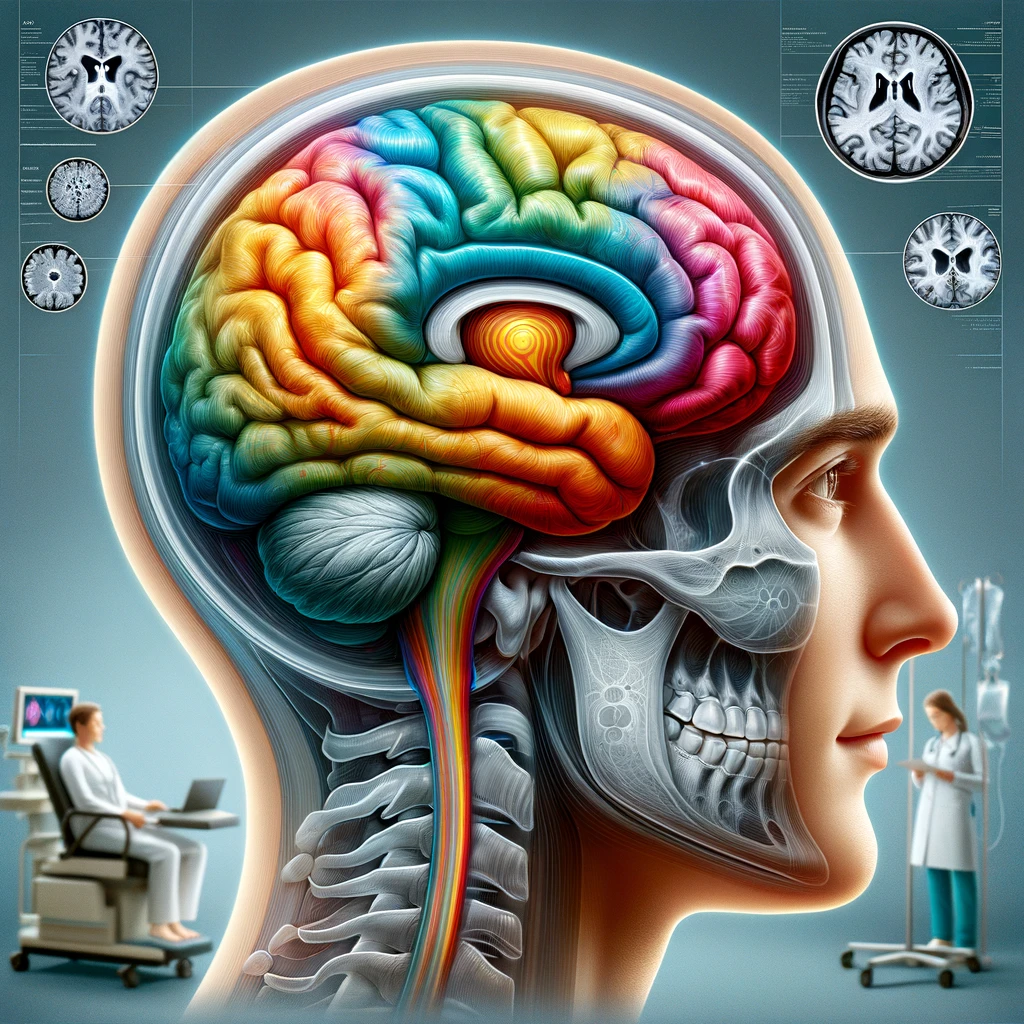

Functional seizures, often called psychogenic nonepileptic seizures or PNES (pnes), are real, involuntary episodes that stem from changes in how the brain functions rather than from abnormal electrical activity. They can resemble epileptic seizures on the outside—such as shaking, collapse, staring, or sudden unresponsiveness—but the underlying process is different. These events reflect the brain’s response to stress, threat, and overwhelming internal or external cues, not a structural brain lesion or a degenerative disease.
Patterns vary from person to person. Some people have rhythmic movements, stiffening, or tremors; others go quiet, become unresponsive, or experience a “freeze” state. Episodes may last longer than typical epileptic seizures, can wax and wane, and often occur in clusters during periods of heightened stress or fatigue. Many people report exhaustion, headache, muscle soreness, or fogginess afterward. Awareness and memory during the event can be patchy, and triggers may include emotional stress, pain, sensory overload, sleep loss, or sudden reminders of past adversity.
These episodes are not deliberate or faked. The brain’s threat and emotion regulation networks can temporarily override voluntary control, producing real symptoms without conscious intent. Risk factors can include prior trauma, anxiety, depression, dissociation, chronic pain, and functional neurological symptoms in other body systems. Some individuals may also have epilepsy alongside nonepileptic seizures, which can complicate recognition of patterns.
Because the body reacts as if danger is present, the autonomic nervous system (the “fight, flight, or freeze” response) can drive rapid heartbeat, sweating, and shaking, reinforcing the cycle. Understanding this brain–body loop helps explain why reassurance, grounding skills, and gradual exposure to triggers can reduce episodes over time. Clear language matters: using terms like “functional seizures” or “nonepileptic seizures” emphasizes that the problem is real and treatable, avoiding stigma and blame.
Immediate priorities focus on safety. During an event, gently protect the person from injury by removing nearby hazards, cushioning the head if on the ground, and avoiding restraint or painful stimuli. Time the event, keep the environment calm and quiet, and offer brief, simple reassurance. Call emergency services if breathing or color is compromised, if there is a prolonged loss of responsiveness without recovery, if a serious injury occurs, or if there is any uncertainty about the person’s medical status. Developing a personalized safety plan helps families and schools know what to do and when to seek help.
Education empowers patients and families to recognize patterns, reduce triggers, and build self-management skills. Brief, supportive explanations of how the brain can produce functional symptoms validate the experience and lower fear. Skills such as paced breathing, grounding techniques, and structured routines for sleep and stress can reduce frequency and intensity. Family involvement is key: responding calmly, limiting excessive attention to episodes, and reinforcing recovery behaviors can shorten events and aid stabilization.
Many people improve with targeted psychological therapies that address stress, trauma, and symptom patterns; counseling can include strategies for emotion regulation, trigger exposure, and communication skills. Clarifying the diagnosis—often with tools like video EEG (video eeg) when needed—helps align care around what works. Medications for epilepsy do not treat PNES unless epilepsy is also present, so guidance from clinicians familiar with functional seizures is essential to create an effective plan.
Distinguishing functional and epileptic seizures
Although functional seizures and epileptic seizures can look alike, they arise from different processes, and recognizing patterns helps families respond appropriately while clinicians confirm the diagnosis. Epileptic seizures are caused by bursts of abnormal electrical activity in the brain. In contrast, nonepileptic seizures (PNES) reflect changes in brain networks for attention, arousal, emotion, and movement without the electrical spike patterns that define epilepsy. Because visual appearance alone can be misleading, a combination of careful history, witnessed descriptions, home videos, and, when needed, video EEG is used to distinguish them.
Patterns across episodes offer useful clues. Functional seizures often vary from one event to the next, may wax and wane in intensity, and can last longer than typical epileptic seizures. People may have their eyes tightly closed during the event and show resistance to eyelid opening. Movements can be asynchronous or side-to-side, with pauses or changes mid-episode. Breathing usually continues without turning blue, even when episodes are prolonged. Emotional signs—crying, sobbing, or verbalizing distress—can occur during or soon after an event. Triggers often include acute stress, pain, interpersonal conflict, sensory overload, or reminders of past adversity.
Epileptic seizures, by comparison, tend to be more stereotyped for a given person—events look very similar each time. Onset and offset are often abrupt. After generalized tonic-clonic seizures, people typically have a period of confusion or deep sleep. Injuries and lateral tongue biting can occur, and when seizures are prolonged, breathing may become impaired with color change. Triggers may include missed antiseizure medications, sleep deprivation, fever, or illness. That said, no single sign is definitive, and overlap exists.
Awareness and memory can help differentiate patterns but are not absolute. During functional seizures, people may retain partial awareness or recall snippets of conversation, and purposeful behaviors (such as protecting the head or avoiding obstacles) can appear despite unresponsiveness. In epileptic seizures, especially generalized ones, awareness is typically lost and memory is absent for the event, though some focal seizures preserve awareness. Variability in awareness across episodes is more characteristic of functional seizures.
Post-event recovery differs as well. Many with functional seizures report exhaustion, headache, muscle soreness, and emotional overwhelm that can last hours, yet they may regain orientation relatively quickly. Epileptic seizures, particularly generalized events, are followed by a clearer “postictal” phase of confusion or sleep before gradual return to baseline. However, fatigue and fogginess can occur in both conditions.
Because both conditions can coexist, it is possible for someone to have epilepsy and functional seizures. This makes pattern recognition essential: some events may be epileptic and others nonepileptic in the same person. Keeping a simple log of what happened before, during, and after each episode—time of day, triggers, behaviors, duration, recovery—helps clinicians sort patterns and tailor treatment without making assumptions.
Testing clarifies the distinction when observations alone are not enough. Routine EEG between episodes may be normal in both conditions. The most definitive tool is video EEG monitoring that records brain waves and behavior together during a typical event. A functional seizure will not show the electrical changes that define an epileptic seizure, even though the movements or unresponsiveness are real. Smartphone videos recorded safely by family or friends can also be invaluable in guiding clinicians toward the right tests.
Misconceptions delay care. Functional seizures are not faked or voluntary; they reflect the brain’s protective response under stress. Antiseizure medications do not treat PNES unless epilepsy is also present, and continued trials of these medicines can add side effects without benefit. Clear education about the differences supports acceptance of the diagnosis and engagement with appropriate counseling and skills-based therapies.
For day-to-day management, focus on safety and calm responses regardless of the cause: protect from injury, do not restrain, avoid painful stimuli, and time the event. Seek emergency care if breathing is compromised, color changes, a serious injury occurs, or an episode is unusually long or different from prior ones. Share any known epilepsy rescue plan with responders if epilepsy is also diagnosed. Bringing notes and videos to medical visits helps the team distinguish functional seizures from epileptic seizures and choose the right path forward.
Causes and brain mechanisms
Functional seizures are best understood through a “three Ps” framework: predisposing factors that set the stage, precipitating events that trigger the first episodes, and perpetuating influences that keep them going. Predisposing factors can include prior adversity or trauma, anxiety or mood symptoms, dissociation, chronic pain, migraine, neurodivergent traits, and sleep disruption. A precipitating event might be an acute stressor, medical illness, concussion, pain flare, or a major life transition. Perpetuating factors include ongoing stress, hypervigilance to bodily sensations, sleep loss, avoidance of feared activities, and well-intended but escalating emergency responses that inadvertently reinforce the symptom cycle.
At the brain level, nonepileptic seizures (PNES) reflect changes in how networks for threat detection, attention, movement, and body awareness interact. When the salience network (including the amygdala, anterior insula, and anterior cingulate) signals high danger, it can override top-down control from prefrontal regions and trigger automatic “fight–flight–freeze” patterns. This state shifts the body into high arousal—fast heart rate, rapid breathing, sweating, trembling—and can produce involuntary motor patterns or unresponsiveness. The experience is real, not chosen: defensive survival circuits take the steering wheel, while voluntary control temporarily drops into the background.
Predictive processing offers a useful model. The brain constantly predicts what will happen next and prepares responses. Under stress, predictions about threat and bodily sensations gain excessive weight, while incoming signals are interpreted through a danger lens. If the brain has “learned” that overwhelming internal cues are followed by collapse, shaking, staring, or immobility, those expectations can trigger the same patterns automatically. Over time, this becomes a habit loop: internal sensations (racing heart, lightheadedness), external triggers (noise, conflict), or memory cues can set off an episode, which is then reinforced by relief, attention, or escape from the stressful situation.
Interoception—the sensing of internal bodily states—plays a central role. Heightened sensitivity to normal fluctuations in breathing, heart rate, or muscle tension can be misinterpreted as dangerous. Efforts to control or suppress sensations (like breath-holding or chest tightening) can paradoxically amplify them. Hyperventilation, common during high arousal, shifts carbon dioxide levels and can cause tingling, dizziness, or visual changes that further convince the brain that something is wrong, feeding the loop that culminates in a functional seizure.
Dissociation—a protective “shut-down” mode that narrows awareness or creates detachment from self or surroundings—often intersects with these mechanisms. When dissociation rises, connectivity between frontal control areas and sensory–motor regions can weaken, allowing automatic motor programs to emerge while memory fragments. People may describe time gaps, a sense of observing from the outside, or feeling unreal; these are brain-based phenomena associated with altered network communication, not signs of fabrication.
Motor network involvement helps explain the outward appearance of episodes. The supplementary motor area and related circuits can generate complex, patterned movements without conscious initiation, especially when arousal and expectancy are high. Variability from one event to the next reflects the dynamic way networks couple and decouple under stress rather than a fixed lesion in a single brain region. This is why routine MRI is typically normal and why the problem is considered “functional”—about how networks operate together in real time.
Research using functional MRI shows altered connectivity between salience, limbic, motor, and default mode networks in PNES, along with heightened responses to emotional stimuli. These are state- and context-dependent differences rather than permanent damage. During episodes captured with video EEG (video eeg), behavior changes are evident while the electrical patterns that define epileptic seizures are absent, reinforcing that the mechanism is network dysfunction rather than hypersynchronous electrical firing.
Psychological and social context shape these brain processes. Repeated stress, trauma reminders, interpersonal conflict, and medical uncertainty elevate baseline arousal and keep threat systems on standby. Family or school environments that inadvertently reward avoidance (for example, stopping difficult tasks immediately after early symptoms) can strengthen the association between distress and episodes. Conversely, clear education about functional seizures, predictable routines, and steady, calm responses can decrease the perceived threat and reduce the brain’s need to deploy protective shutdown or motor patterns.
Coexisting conditions can influence vulnerability. Pain disorders, gastrointestinal dysregulation, sleep disorders, ADHD, autism spectrum traits, and mood or anxiety conditions all affect attention, body awareness, and stress reactivity. Substance use, caffeine excess, hormonal shifts, and certain medications can add physiological noise that the brain may misread as signs of danger. Addressing these factors reduces background arousal and helps decouple triggers from episodes.
Importantly, these mechanisms are reversible. Brain networks change with learning and experience—neuroplasticity. When counseling, skills practice, and supportive routines lower arousal, recalibrate predictions about bodily sensations, and reintroduce avoided activities stepwise, the brain updates its model: internal cues no longer signal imminent threat, and the automatic seizure pattern fades. This is why targeted education and consistent, compassionate responses from families and care teams matter—they help retrain the brain’s threat and movement systems toward stability.
Diagnosis and common tests
Diagnosis starts with a careful story. Clinicians ask what happens before, during, and after episodes; how long they last; how they vary; and what situations tend to bring them on. Eyewitness descriptions and safe smartphone videos recorded at home often provide decisive clues. Because appearance alone can be misleading, the goal is to capture a “typical” event and pair what is seen with objective data. The gold standard is video EEG, which records brain waves and behavior at the same time. If a typical event occurs without the electrical changes that define an epileptic seizure, the diagnosis supports nonepileptic seizures (PNES). When events are infrequent, a clear history plus video evidence from home may be enough to proceed while planning confirmatory testing.
Testing is often stepwise. A routine EEG between episodes may be normal in both epilepsy and functional seizures, so a normal result does not rule in or out either condition. Ambulatory EEG recorded over one to three days can increase the chance of catching an event; systems that include video are more informative than EEG alone. Inpatient video EEG in an epilepsy monitoring unit offers continuous observation with trained staff, controlled reduction of seizure-provoking factors (such as gentle sleep deprivation or medication adjustments when safe), and rapid response if an event occurs. During monitoring, teams create a calm environment and use standard activation procedures (hyperventilation, photic stimulation) to increase the likelihood of capturing a typical spell while prioritizing safety.
Additional tests help rule out other causes that can mimic seizures. If fainting or near-fainting is suspected, evaluation may include an ECG, ambulatory heart monitoring, orthostatic vital signs, or tilt-table testing to assess autonomic function. When nocturnal events are prominent, a sleep study can evaluate for parasomnias or obstructive sleep apnea. Brain MRI is considered if there are red flags for a structural problem, new neurologic deficits, or a first-time seizure where epilepsy remains possible; imaging is usually normal in PNES. Basic blood work can check for metabolic issues (glucose, electrolytes) when indicated, but extensive lab panels are rarely needed once patterns are clear.
Some emergency department tests have limited value for distinguishing PNES from epileptic seizures. Post-event prolactin can rise after certain generalized epileptic seizures but may be normal even in epilepsy and can be elevated for other reasons; it is not reliable for confirming or excluding functional seizures. Creatine kinase and lactic acid can increase after prolonged convulsive activity of any cause and do not reliably separate conditions. Repeated CT scans expose patients to radiation and are rarely helpful unless head injury, new neurologic signs, or infection is suspected.
Because both conditions can coexist, clinicians often classify and label each distinct event type. A person may have one pattern that is epileptic and another that is nonepileptic; capturing each on video EEG prevents important episodes from being missed. Keeping a simple diary—date and time, triggers, behaviors noticed, duration, and recovery—helps the team decide which tests are needed and reduces emergency visits.
Families can improve diagnostic accuracy by recording episodes safely: start timing, keep the setting quiet, avoid restraint, and film from the side if there is no risk to the person’s privacy or dignity. Useful details include whether the eyes are open or tightly closed, side-to-side versus rhythmic movements, responsiveness to voice, breathing pattern, color change, and any speech or emotional expression during or right after the event. Stop recording if the person’s airway or safety is in question and follow the emergency plan as advised by the care team.
A comprehensive evaluation also screens for conditions that raise vulnerability to PNES. Clinicians may use brief questionnaires for mood, anxiety, trauma, dissociation, sleep problems, and substance use, and review medications, caffeine, and supplements that can increase arousal. Neuropsychology consultation is sometimes recommended to assess attention, processing speed, and coping styles that interact with symptom patterns. This whole-person approach clarifies predisposing and perpetuating factors so that the subsequent treatment plan is targeted and realistic.
How results are shared matters. When video EEG or clinical evidence supports nonepileptic seizures, the clinician states the diagnosis clearly, emphasizes that the events are real and involuntary, and explains why antiseizure medicines do not treat PNES unless epilepsy is also present. If antiseizure drugs were started before the diagnosis, a supervised taper may be planned. The visit typically includes practical education, a written safety plan, and referrals for counseling aimed at symptom management and underlying stress or trauma. Clear communication reduces fear, aligns the care team, and sets the stage for recovery-focused next steps.
Not everyone needs every test. The choice depends on age, medical history, event features, and availability of prior records. What is consistent is the partnership: patients, families, and clinicians work together to document patterns, select the least invasive tests that answer the key questions, and avoid unnecessary interventions. With a confident diagnosis and a shared plan, attention can shift from repeated investigations to skills, supports, and environments that help reduce episodes and restore daily life.
Treatment, recovery, and support
Treatment focuses on reducing episode frequency and intensity, restoring daily activities, and strengthening confidence. A collaborative plan typically includes clear education about functional seizures, skills to regulate arousal, targeted counseling, and support for returning to school, work, and social life. The approach is individualized: what helps most depends on triggers, coexisting conditions, and personal goals.
How the diagnosis is explained shapes engagement. A brief, plain-language description of nonepileptic seizures (PNES) as real, brain-based events that are treatable reduces fear and blame. Reviewing what testing showed—especially if video EEG or clinic observations captured a typical event—helps align expectations. Written summaries and a one-page action plan reinforce learning and give families a reference during stressful moments.
An at-home episode plan emphasizes safety and calm. Steps often include minimizing hazards, cushioning the head if needed, reducing noise and crowding, prompting paced breathing or grounding if the person can respond, and timing the event. Avoid restraint, painful stimuli, and repeated urgent questioning. Seek emergency care for breathing problems, color change, serious injury, or an episode that is very different or prolonged without signs of recovery. If epilepsy also exists, follow the separate seizure rescue plan for those events; clinicians can help families distinguish and label each pattern.
Skills-based therapies form the core of treatment. PNES-focused cognitive behavioral therapy teaches how stress, thoughts, and bodily sensations interact to trigger episodes and how to interrupt the cycle. Common elements include psychoeducation, goal setting, arousal regulation, identifying and reframing unhelpful predictions, and gradual exposure to avoided sensations and situations. Many programs incorporate behavioral activation to rebuild routines that stabilize sleep, exercise, social connection, and pleasurable activities.
When trauma or marked dissociation is present, therapy proceeds in phases. Initial work builds stabilization and safety—breathing, grounding, and emotion regulation—before trauma-focused interventions such as prolonged exposure, cognitive processing therapy, or EMDR are introduced. The sequence is paced to minimize flares and maintain daily functioning. If interpersonal stress is a key trigger, brief family or couples sessions can address communication patterns and problem-solving.
Physiotherapy and occupational therapy can accelerate recovery, especially when motor symptoms, fatigue, or deconditioning are prominent. Movement retraining focuses attention outward (goal-directed tasks), uses rhythmic cueing, and gradually increases complexity and intensity. Pacing strategies balance activity and rest to avoid boom–bust cycles. OT can support return-to-school or work plans, energy conservation, and environmental adjustments that reduce sensory overload.
Practical self-regulation techniques are practiced between visits. Effective options include slow diaphragmatic breathing with a longer exhale, box or 4-7-8 breathing, grounding through the five senses, progressive muscle relaxation, and brief body scans that notice sensations without alarm. Interoceptive exposure—purposefully eliciting benign sensations like mild breathlessness or increased heart rate and staying with them—helps the brain relearn that these signals are safe. Short, frequent practice sessions (1–3 minutes, several times daily) build automaticity.
Medications are tailored to coexisting conditions rather than used to treat functional seizures directly. Antiseizure medicines are not indicated for PNES unless epilepsy is also present; if started before diagnosis, clinicians may plan a supervised taper. Treating depression, anxiety, or PTSD with evidence-based options such as SSRIs or SNRIs can reduce background arousal. Caution is advised with benzodiazepines, opioids, and frequent “as needed” sedatives, which can worsen dissociation, sleep quality, and dependence risks over time. Sleep disorders, pain, migraine, and autonomic issues are addressed with standard care to lower physiological stress.
Return-to-life planning begins early. A graded schedule outlines stepwise increases in school, work, physical activity, and social participation. Short, predictable routines with planned breaks are better than long, variable days. For students, accommodations might include a quiet space to recover if symptoms start, flexible deadlines, reduced course load, and permission to leave class briefly without a crowd forming. For workers, options include transition days, task simplification, noise reduction, and temporary schedule flexibility.
Driving and high-risk activities are individualized decisions made with clinicians and local regulations. If episodes are unpredictable or involve unresponsiveness, driving is typically paused until stability improves for a defined period. Activities involving heights, open water, hot surfaces, or heavy machinery need added precautions and supervision plans.
Family involvement supports recovery. Caregivers learn to respond steadily—protecting from harm, using brief reassurance, and redirecting attention toward grounding and post-event re-engagement. Limiting excessive attention to the episode itself while praising recovery behaviors (hydrating, walking, returning to a planned task) helps shorten events. Families also benefit from guidance on balancing support with independence, distributing responsibilities, and caring for their own stress and sleep.
Monitoring progress keeps treatment on track. A simple log that notes date, time, context, early signs, duration, and recovery captures patterns and celebrates gains like shorter events, quicker recovery, or successful trigger exposure. Weekly check-ins with the care team can adjust goals, fine-tune coping strategies, and plan for higher-risk times such as exams, travel, or anniversaries of stressful events.
Relapse prevention plans outline early warning signs (sleep loss, escalating conflict, skipped meals, increasing avoidance) and the first steps to take (restore routine, schedule brief skills practice, reduce optional stressors, contact the therapist). Booster counseling sessions or brief “tune-ups” with PT/OT are common during transitions. Written plans are shared with family, school, or supervisors so that supports are consistent.
Access to care matters. Multidisciplinary coordination between neurology, psychology, psychiatry, physiotherapy, occupational therapy, and social work streamlines treatment and reduces repeated emergency visits. Telehealth, group programs, and community resources can bridge gaps when specialized clinics are distant. Peer support groups and reputable online education materials reduce isolation and stigma.
Technology can assist when used thoughtfully. Timed reminders for breathing practice, guided audio for grounding, or biofeedback tools can reinforce skills. Wearables that track heart rate or stress should be used to prompt coping—not to repeatedly check or catastrophize normal fluctuations. If self-monitoring increases anxiety, simplify or pause it.
Special situations may need tailored plans. Adolescents often benefit from school-based collaboration and coaching on independence skills. People with coexisting epilepsy require clear labeling of each event type and separate action plans. During pregnancy or postpartum, close coordination supports sleep, mental health, and medication safety. Cultural and language considerations are addressed with interpreters and culturally responsive counseling.
Recovery is often gradual and non-linear, with steady improvements punctuated by occasional flares. Most people see meaningful reductions in episodes and better quality of life when they engage in education, skills practice, and counseling, supported by consistent responses from family and care teams. The goal is confidence and participation in valued activities, not perfection, with tools ready for stressful moments and a pathway back on track when setbacks occur.