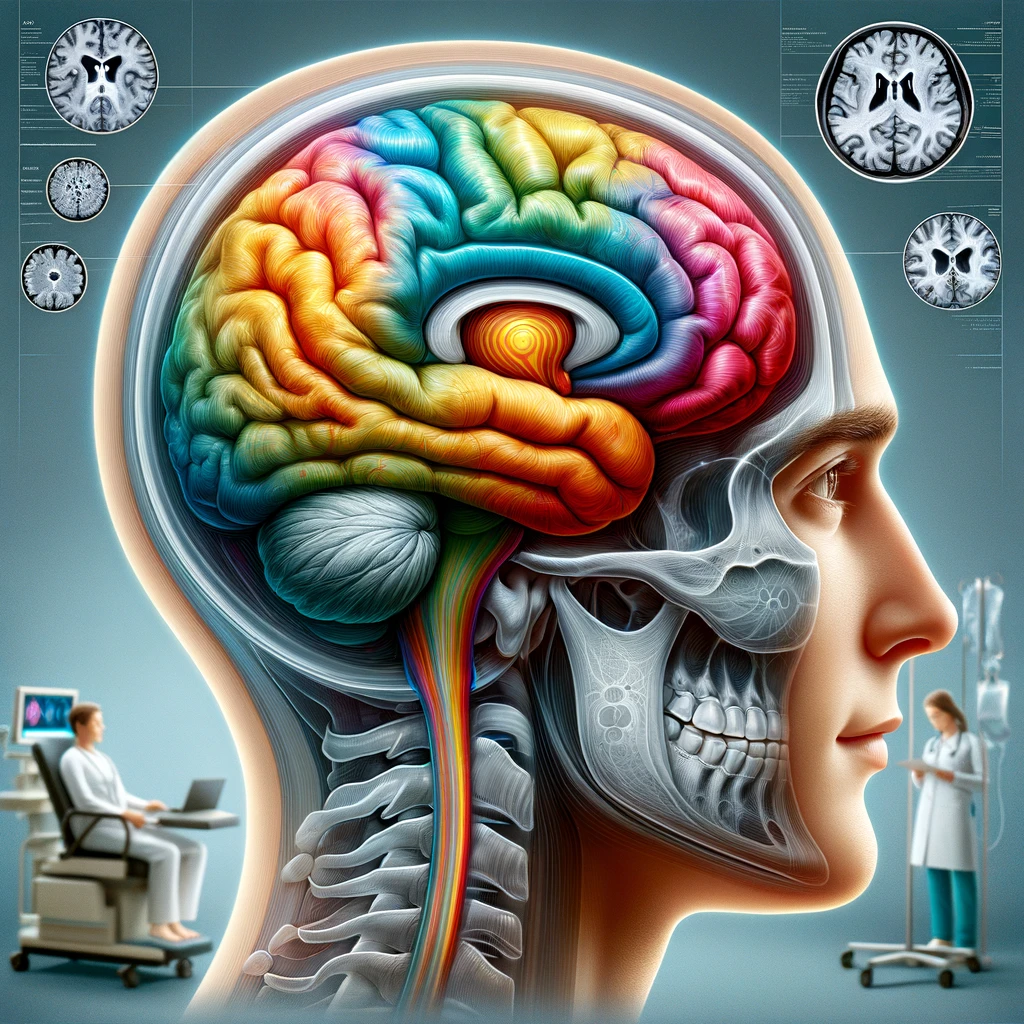

- Overview of functional neurological disorders (FND)
- Role of standardised assessment tools
- Comparison of diagnostic methodologies
- Challenges and limitations in current practices
- Future directions for improved diagnoses
Functional neurological disorders (FND) represent a complex interplay between neurological symptoms and psychological factors. These disorders are characterised by symptoms such as limb weakness, seizures that are non-epileptic, and movement disorders which cannot be attributed to organic or structural abnormalities. The diagnosis relies heavily on discerning the absence of other neurological conditions and identifying markers indicative of FND. Historically, these disorders were often misunderstood due to their elusive nature, further complicated by stigma and misconceptions within both public and medical communities.
In recent years, increased recognition of FND has led to a more structured approach in understanding and diagnosing this group of disorders. The development of standardised assessment tools has been pivotal in this advancement. These clinical tools provide a framework for healthcare professionals to systematically evaluate symptoms and establish a diagnosis. Such instruments are crucial as they offer a validated method to differentiate FND from other neurological disorders, thereby facilitating appropriate treatment plans.
The broad spectrum of symptoms associated with FND underscores the need for comprehensive assessment instruments that can capture the multifaceted nature of the disorder. These tools often integrate psychological evaluation components, given the recognised role of psychological stressors in manifesting symptoms. Ensuring the reliability and validity of these tools is of utmost importance, as they not only assist in diagnosis but also monitor patient progress and treatment outcomes.
Role of standardised assessment tools
The integration of standardised clinical tools in the diagnostic process for FND has been instrumental in reducing diagnostic ambiguity and enhancing clinical outcomes. These tools are designed to offer a structured methodology for assessing a wide range of symptoms that patients with FND may present. They serve to bridge the gap between subjective clinical judgement and objective criteria, thus increasing diagnostic accuracy.
A cornerstone of these tools is their ability to provide a consistent platform for comparing patient data across different clinical settings and studies. This uniformity is essential for the validation of FND criteria, ensuring that healthcare professionals across various disciplines are aligned in their diagnostic approaches. Validation processes often involve extensive testing across diverse populations to affirm the tool’s effectiveness and reliability.
Notably, the involvement of multidisciplinary teams in the development and application of these assessment instruments allows for a more holistic understanding of FND. Input from neurologists, psychiatrists, psychologists, and physiotherapists contributes to comprehensive care, addressing both physical and psychological dimensions of the disorder. This collaborative approach is vital given the complex interrelations of symptoms in FND.
These standardised assessment tools have also opened new avenues for research, enabling the collection of larger datasets that can refine diagnostic criteria and improve treatment protocols. Continued validation of these tools is key, as it supports ongoing advancements in diagnostic precision and tailored therapeutic interventions for individuals suffering from FND.
Comparison of diagnostic methodologies
The diagnosis of functional neurological disorders (FND) involves multiple methodologies, each with its unique strengths and weaknesses. Traditionally, clinical diagnosis relied heavily on physician expertise and the thorough exclusion of other potential neurological disorders. This exclusion-based model often involved extensive testing to rule out other conditions, which sometimes led to prolonged diagnostic timelines and patient frustration. Consequently, this approach placed a significant burden on healthcare resources due to unnecessary tests and consultations.
In contrast, the implementation of standardised assessment instruments aims to streamline this process, providing a clearer path to diagnosis through structured criteria. These instruments, often incorporating both neurological and psychological evaluations, offer a more holistic view of the patient’s symptoms and experiences. The use of standardised clinical tools reduces the reliance on subjective judgement, introducing objectivity and allowing for consistency in diagnoses across various practitioners and healthcare facilities.
One of the primary advantages of standardised tools is their ability to facilitate quicker validation of FND symptoms. By employing assessment frameworks that are rigorously tested and proven, clinicians can focus on specific diagnostic criteria that have been shown to correlate with FND, reducing diagnostic uncertainty. This not only enhances clinician confidence but also improves patient outcomes by allowing for earlier intervention and the formulation of tailored treatment plans.
However, while these tools offer many benefits, they are not without limitations. Despite their validation, standardised assessment tools cannot wholly replace clinical expertise and should be viewed as a complementary resource. Additionally, discrepancies in tool application can occur due to variability in healthcare settings, practitioner training, and patient population characteristics. Thus, the effectiveness of such methodologies relies heavily on continuous training for healthcare professionals and subsequent refinements of the tools to adapt to emerging insights in FND research.
The comparison of these methodologies highlights a shift towards more patient-centred, efficient diagnostic processes. As standardised assessment instruments continue to evolve through ongoing validation and integration of new research findings, they promise to become indispensable components in the streamlined diagnosis of FND, balancing precision with the complex, multifaceted nature of the disorder.
Challenges and limitations in current practices
The diagnosis and management of functional neurological disorders (FND) is fraught with numerous challenges and limitations. One significant challenge lies in the inherently complex nature of FND, which often presents with a broad range of symptoms that mimic those of other neurological conditions. This symptom overlap complicates the diagnostic process, making it difficult to definitively attribute the symptoms to FND without the risk of misdiagnosis. Furthermore, the subjective nature of some symptoms, such as fatigue and cognitive disturbances, adds another layer of complexity, often requiring clinicians to rely heavily on patient self-reporting, which can be influenced by a variety of psychological and environmental factors.
Despite advancements in the development of standardised clinical tools, there are still limitations in their universal application and effectiveness. A major concern is the variation in clinical settings and practitioner training, which can lead to inconsistent use of these assessment tools. Consequently, this variability might affect the reliability of diagnosis and the comparability of data across different studies and practices. Additionally, while standardised assessment instruments provide a framework for diagnosis, they are not infallible and cannot replace the nuanced insights gained through clinical experience and expertise. This necessitates a balanced approach that combines the use of these tools with professional judgement.
Another limitation relates to the validation of these assessment instruments. While considerable effort has gone into validating them, the process is ongoing and complex, requiring adaptation to diverse patient populations and healthcare contexts. Validation studies often encounter difficulties such as small sample sizes or lack of diversity among participants, which can limit the generalisability of their findings. As a result, continuous refinement and updating of these tools are crucial to ensure they remain relevant and effective.
The psychological dimensions of FND also pose specific challenges in diagnosis and treatment. Patients often face significant stigma and misunderstanding from both healthcare professionals and society at large, which can impede their access to appropriate care and support. This highlights the need for increased education and awareness about FND within the medical community and beyond, to reduce stigma and improve patient outcomes.
Lastly, resource constraints within healthcare systems can impact the consistent application of standardised assessment tools. Limited access to trained specialists, psychological services, and comprehensive care pathways can impede timely and accurate diagnosis. Overcoming these systemic barriers requires significant investment in healthcare infrastructure and training programs to ensure equitable access to high-quality care for all patients suffering from FND.
Future directions for improved diagnoses
As we look to the future of diagnosing functional neurological disorders (FND), there are several promising directions that aim to overcome existing challenges and enhance accuracy. One crucial avenue is the continued refinement and validation of the current standardised assessment instruments. By leveraging advancements in technology, such as machine learning and artificial intelligence, we can develop more sophisticated tools that analyse complex datasets, leading to improved diagnostic precision. Such technologies have the potential to integrate and interpret the myriad psychological and neurological data points associated with FND, offering clinicians deeper insights into symptom patterns and aiding in differential diagnosis.
Another area of focus is the incorporation of patient-reported outcomes and digital health monitoring tools. Real-time data collection through wearable devices and mobile applications can provide valuable information on symptom fluctuations and environmental triggers, enabling a more dynamic and personalised approach to diagnosing and managing FND. These tools not only empower patients by involving them directly in their care but also provide healthcare professionals with a more comprehensive view of the patient’s condition beyond the clinical setting.
Furthermore, fostering interdisciplinary collaboration is essential for the future of FND diagnosis. Bringing together neurologists, psychiatrists, psychologists, and physiotherapists to work closely with one another ensures that both the physical and psychological aspects of FND are adequately addressed. This comprehensive approach can lead to the development of new assessment protocols that are more robust and reflective of the disorder’s complexity.
The necessity of ongoing education and training for healthcare providers cannot be overstated. As new diagnostic tools and techniques are developed, it is imperative that practitioners are well-versed in their use and understand how to interpret their results effectively. Comprehensive training programs will ensure that clinicians across various settings remain updated on the latest developments in FND diagnosis, thus mitigating the risk of misdiagnosis and improving patient outcomes.
Research into the underlying pathophysiological mechanisms of FND is set to play a pivotal role in shaping its diagnostic landscape. Identifying biomarkers associated with the disorder could offer concrete parameters for diagnosis, ultimately reducing reliance on exclusionary diagnostic criteria. This advancement would mark a significant step forward in differentiating FND from other neurological conditions and tailoring treatment plans to individual patient needs.