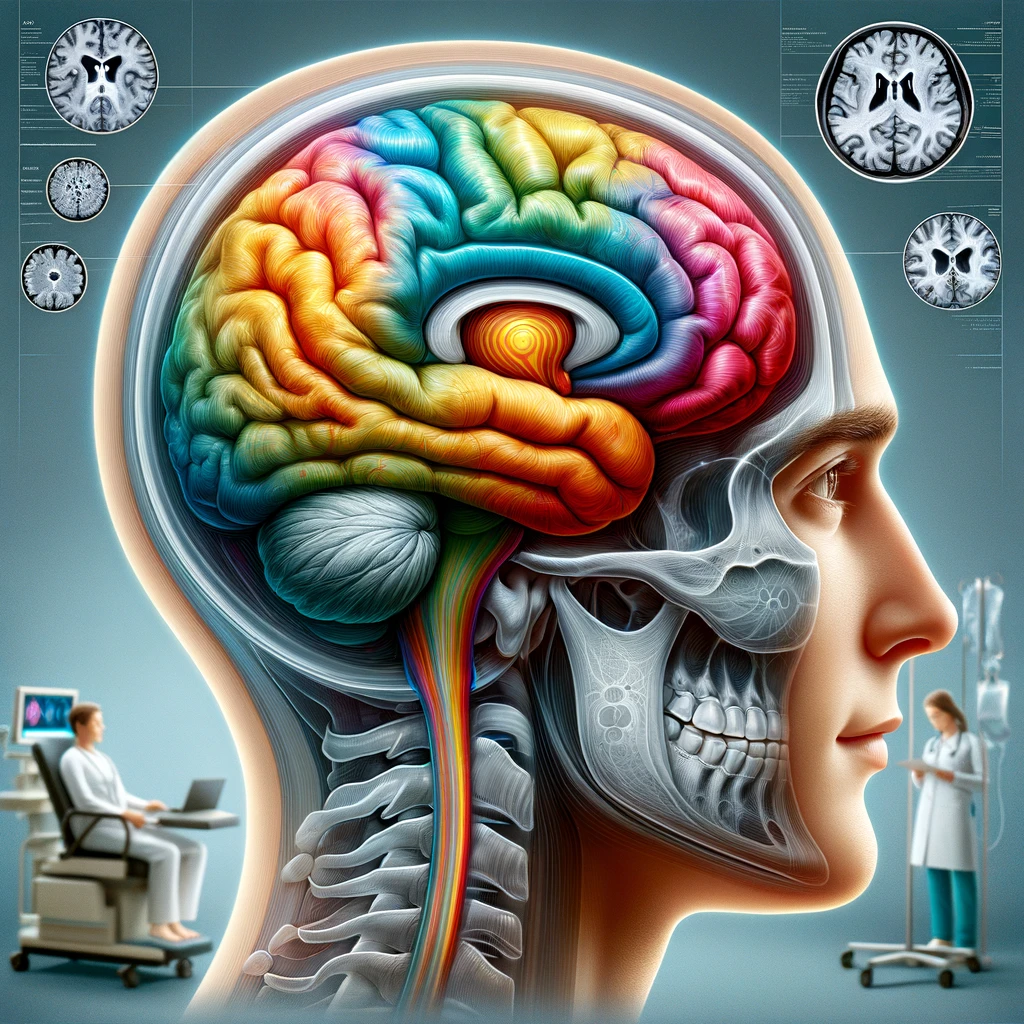

- Understanding functional neurological disorder (FND)
- The importance of inclusive medical signage
- Challenges faced by FND patients
- Benefits of raising FND awareness
- Strategies for implementing inclusive signage
Functional Neurological Disorder (FND) represents a condition where patients experience a range of neurological symptoms that have no identifiable structural or physiological cause, often leading to significant distress and disability. FND encompasses various symptoms, including motor dysfunctions such as tremors, gait issues, and muscle weakness. Patients may also experience sensory disturbances, like numbness or vision problems, as well as non-epileptic seizures. These symptoms emerge not from detectable nerve or brain damage but from problems in the functioning of the nervous system, making clinical diagnosis challenging.
The complexity of FND lies in its intersection between neurology and psychiatry, challenging traditional medical categorisations and often resulting in diagnostic confusion. This disorder highlights the importance of recognising subtle interplays between physical, psychological, and social factors affecting individuals. Without clear biomarkers or diagnostic tests, patients with FND frequently experience lengthy periods without accurate diagnoses. This delay can hinder effective treatment and exacerbate patient distress.
Raising healthcare awareness through inclusive approaches like updated information boards can play a crucial role in remedying such challenges. Ensuring that FND is adequately represented in medical signage is a vital step towards improving patient inclusion and understanding within medical environments. The value of increasing inclusion in healthcare settings directly impacts patient experience, which can facilitate faster diagnosis and prompt treatment, ultimately leading to improved quality of life for those affected by FND.
The importance of inclusive medical signage
Inclusive medical signage serves as an essential bridge connecting patients to the care they require while ensuring a sense of belonging and recognition within healthcare environments. It is of utmost importance that medical settings foster an atmosphere of acceptance and understanding, particularly for individuals with conditions such as Functional Neurological Disorder (FND). When healthcare facilities incorporate conditions like FND into their signage, it promotes a more comprehensive understanding and avoids marginalisation of those affected.
Effective signage not only educates but also reassures patients that their conditions are recognised and taken seriously by medical professionals. Acknowledging FND in medical information boards and clinical directories allows for a more transparent communication strategy that can reduce anxiety and confusion among patients. It also aids healthcare practitioners by providing clearer pathways for diagnosis and management, thus enhancing efficiency in care delivery.
The notion of inclusion extends beyond the provision of information; it reflects a commitment to equal care for all individuals, regardless of how well their conditions are known or visible. By fostering healthcare awareness and accommodating a spectrum of health issues through well-crafted signage, medical institutions reinforce their dedication to inclusivity, thereby setting a precedent for patient care that prioritises understanding and respect.
Challenges faced by FND patients
Patients diagnosed with Functional Neurological Disorder (FND) often face a multitude of challenges that can impede their access to appropriate healthcare. One primary issue is the prevailing lack of awareness and understanding about FND among both healthcare professionals and the general public. This lack of knowledge frequently leads to misconceptions about the disorder, with some dismissing it as purely psychological despite its complex neurological aspects. For patients, this can result in stigmatization, creating barriers to seeking care and accessing necessary support services.
Additionally, the absence of explicit representation on medical information boards can exacerbate feelings of exclusion among FND patients. When healthcare environments do not visibly acknowledge or support their condition, patients may feel marginalised, which can contribute to a sense of isolation and helplessness. These feelings of exclusion are detrimental to both their mental and physical well-being, as patients may avoid seeking medical assistance due to previous negative experiences or fear of being misperceived.
Another considerable challenge is the diagnostic process itself. Due to the absence of clear biomarkers and the intricacies involved in diagnosing FND, patients frequently experience substantial delays in being accurately diagnosed. This delay can lead to prolonged periods of uncertainty and anxiety, exacerbating symptoms and complicating the management of the condition. The insufficient training on FND in medical curricula can also result in healthcare professionals struggling to provide the appropriate care, further delaying effective treatment options. It is essential that healthcare systems enhance their understanding of FND and facilitate smoother, more empathetic patient journeys.
Furthermore, the fluctuating nature of FND symptoms can perplex medical practitioners, leading to inconsistent care regimens and difficulty in establishing stable support structures for patients. This unpredictability in symptom manifestation can make it challenging for patients to explain their condition to others, including family members and employers, often resulting in a lack of empathetic support or accommodations in personal and professional settings.
Addressing these challenges necessitates a concerted effort to improve healthcare awareness and foster a culture of inclusion within medical settings. By incorporating FND into medical training programmes and ensuring its representation within information boards, healthcare providers can take crucial steps towards improving patient care and enhancing the overall experience of those living with FND.
Benefits of raising FND awareness
Raising awareness about Functional Neurological Disorder (FND) carries significant benefits that extend beyond individual patient experiences, fostering an environment of inclusion and understanding within healthcare institutions. One primary advantage is the reduction of stigma associated with this often misunderstood condition. By increasing both public and professional knowledge about FND, misconceptions can be dismantled, and the disorder can be seen as a legitimate medical issue deserving of attention and empathy. This shift in perception can encourage more open dialogue between patients and healthcare providers, enabling better communication and tailored treatment strategies.
Moreover, heightened awareness leads to improved diagnostic accuracy and expedited patient care. When medical professionals are educated about FND and its diverse manifestations, they are better equipped to identify and manage symptoms effectively. This understanding can minimise the lengthy and often distressing diagnostic journey that many FND patients endure. Additionally, increased awareness ensures that patients receive timely and appropriate interventions, thus enhancing their overall quality of life and reducing the potential for symptom exacerbation.
Awareness also facilitates the integration of FND into common medical reference materials, such as information boards and clinical directories, making it a recognised and visible condition within healthcare settings. This visibility can empower patients by validating their experiences and fostering a sense of belonging within the medical community. Encouraging healthcare institutions to adopt inclusive practices by acknowledging FND in their resources illustrates a commitment to comprehensive care for all patients, regardless of the notoriety of their condition.
Furthermore, raising FND awareness contributes to the development of patient support networks and resources, enhancing access to peer support, educational materials, and advocacy opportunities. Patients equipped with proper information and community support are more likely to engage with their care proactively, leading to better health outcomes. This collective knowledge and shared experience can also drive research initiatives, fuelling advancements in understanding and treating Functional Neurological Disorder.
Ultimately, raising awareness of FND is an essential step towards creating an inclusive healthcare system where patients feel recognised, respected, and supported. By implementing strategic awareness campaigns and integrating FND into medical education and resources, healthcare providers can pave the way for a future where all individuals receive equitable care and understanding, reaffirming the core values of healthcare awareness and inclusion.
Strategies for implementing inclusive signage
Implementing inclusive signage inclusive of Functional Neurological Disorder (FND) necessitates strategic considerations to ensure efficacy and acceptance within healthcare settings. Start by engaging with patient advocacy groups and healthcare professionals to understand the nuances of FND and the specific needs of this patient group. Their firsthand insights are invaluable in creating signage that is both informative and empathetic, addressing potential misconceptions and enhancing healthcare awareness.
Begin by evaluating existing signage within healthcare facilities to identify gaps in information pertaining to FND. Conducting audits can reveal whether current displays adequately acknowledge FND or if there needs to be an integration that recognises its unique symptoms and treatment pathways. Subsequent to the assessment, collaborate with graphic designers and healthcare communication specialists to develop clear, concise signs that are easy for patients and staff to understand. It is essential that these signs are not only visually accessible but also linguistically straightforward, eschewing medical jargon that might alienate patients.
Ensure that information boards are strategically placed in areas of high visibility, such as waiting rooms, corridors, and near consultation areas. This maximises the likelihood of engagement by patients and staff, facilitating a broader understanding and acceptance of FND. For greater reach, consider digital displays alongside traditional printed materials to accommodate varied learning preferences among patients and staff. Digital boards can periodically update information, allowing for dynamic and engaging dissemination of knowledge about FND.
Training staff to utilise these information resources effectively is a critical component of the implementation process. Staff should be well-versed in the content of the signage, capable of addressing patient queries, and fostering an environment that promotes open dialogue. Regular workshops and training sessions can be organised to ensure that healthcare personnel are equipped with the necessary knowledge to support FND patients inclusively.
Another important strategy is to involve FND patients in the process of developing these signs. Their experiences can guide the language used, ensuring it is sensitive and reflective of their real-world experiences. Inclusivity in the design process not only enhances the relevance of the information provided but also fosters a sense of communal effort toward greater healthcare inclusion.
Ultimately, successful implementation of inclusive signage requires an ongoing commitment to review and update content as new research and patient feedback emerge. This adaptive approach ensures that healthcare facilities remain at the forefront of patient-centred care, demonstrating a commitment to inclusivity and understanding within the medical community. By prioritising the inclusion of FND in medical signage, healthcare providers champion a culture of awareness and respect, affirming their role as advocates for all patients regardless of their condition’s visibility.