
- Understanding functional neurological disorder
- The importance of community involvement
- Patient stories and experiences
- Educational resources and support networks
- Looking towards the future of FND awareness
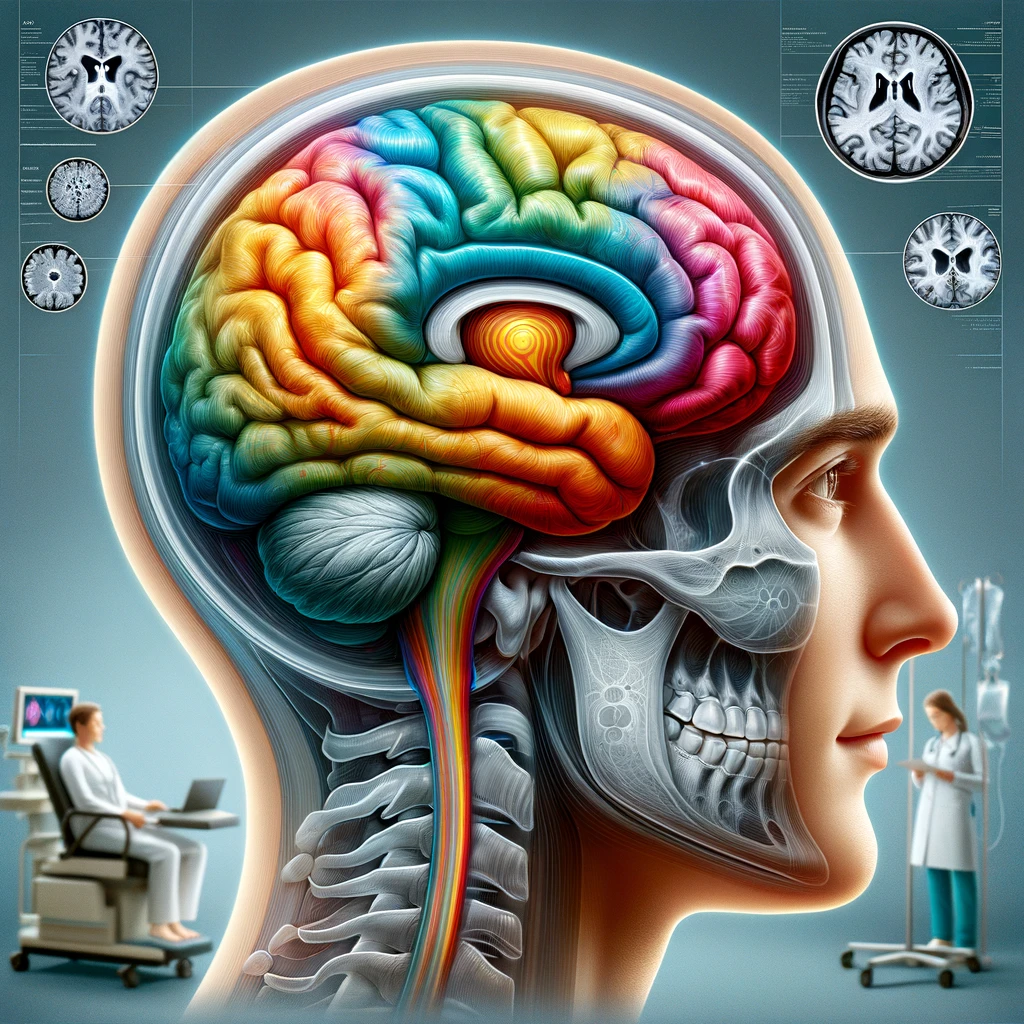
Functional Neurological Disorder (FND) is a condition characterised by neurological symptoms that are not explained by typical structural disease. These symptoms can include limb weakness, movement disorders, sensory symptoms, and seizures. Unlike other neurological conditions where brain lesions can be identified, FND arises from problems with the functioning of the nervous system and how the brain and body send and receive signals.
Often misunderstood and under-researched, FND represents a significant challenge for both patients and healthcare professionals. Diagnosing FND can be complex, requiring a comprehensive evaluation to differentiate it from other neurological disorders. Misdiagnosis is not uncommon, highlighting the need for increased awareness and education among both the medical community and the public.
FND symptoms are genuine and can be just as debilitating as those stemming from more well-known neurological diseases. However, because these symptoms do not fit into the conventional framework of neurological abnormalities, patients may face doubt and scepticism, sometimes even from healthcare providers. This can lead to delays in obtaining appropriate care and support. Therefore, fostering dialogue is crucial to address misconceptions and provide accurate information about the condition.
Shared learning opportunities are essential to improve understanding of FND. Bringing together specialists from various disciplines—neurology, psychiatry, physiotherapy, and occupational therapy—can facilitate a multidimensional approach to treatment. Additionally, engaging patients and their families in the learning process empowers them to be active participants in their care, which can alleviate feelings of isolation and helplessness.
The importance of community involvement
Community involvement plays a pivotal role in advancing awareness and understanding of Functional Neurological Disorder (FND). Encouraging dialogue among patients, families, healthcare providers, and the wider public is essential for demystifying this condition. Local support groups, both in-person and online, offer a platform for shared learning, allowing individuals to exchange experiences and insights. This collaborative environment fosters empathy and reduces the sense of isolation that many patients feel.
Furthermore, community-driven events can serve as powerful catalysts for change. Workshops, seminars, and conferences dedicated to FND provide opportunities for engaging discussions where experts can share their latest research and therapeutic strategies. These gatherings are important not only for spreading knowledge but also for highlighting the personal stories behind the statistics, which can drive home the real impact of FND on people’s lives.
Including public figures and influencers in FND awareness campaigns can also significantly enhance visibility. By sharing these narratives across various media platforms, the stigma surrounding the condition may be diminished, leading to a broader public understanding and promoting patient advocacy. Engaging schools and workplaces in awareness initiatives ensures that these settings become more supportive, thereby improving the daily lives of those affected by FND.
The dynamic exchange of information and experiences within the community not only enriches the collective comprehension of FND but also strengthens the support networks available to patients. Creating an informed community paves the way for more effective care pathways and provides a more inclusive environment where individuals feel heard and validated. Community involvement, therefore, is an indispensable element of fostering a future where FND is acknowledged and understood.
Patient stories and experiences
Among the most impactful ways to grasp the complexities of Functional Neurological Disorder (FND) is by listening to and sharing patient stories. Every individual’s experience offers unique insights, shedding light on the symptoms, challenges, and emotional impacts of living with this condition. These narratives reveal the diverse ways FND manifests, ranging from temporary paralysis to tremors, and highlight the day-to-day realities faced by those affected. They can underscore the urgency for greater awareness and understanding within the medical community and society at large.
Patient stories often speak to the journey of obtaining a diagnosis, which can be lengthy and fraught with missteps. Many patients recount initial encounters characterised by uncertainty and scepticism, leading to a prolonged path to treatment. By sharing these stories, there is an opportunity for dialogue that addresses the stigma surrounding FND, helping others to realise that these symptoms are not “all in the head”, but rather, genuine experiences needing respect and appropriate care.
A vital part of these narratives is the role of shared learning. Patients find strength and validation in connecting with others who have similar experiences, fostering a supportive community. These connections can inspire hope and motivate individuals to engage actively in their treatment. Participation in support groups, both in-person and online, offers more than just emotional support; it facilitates exchange of practical advice and strategies for managing symptoms.
Hearing the voices of those who have bravely navigated the complexities of FND not only enriches the collective understanding of the disorder but also propels a broader movement towards empathy and informed action. By elevating patient stories, awareness is broadened, encouraging healthcare providers to approach FND with renewed diligence and compassion, ultimately improving outcomes and quality of life for those living with the condition.
Educational resources and support networks
Access to high-quality educational resources and robust support networks is crucial for individuals affected by Functional Neurological Disorder (FND). Such resources serve to not only inform patients and their families but also empower them to manage the condition more effectively. Comprehensive information about FND, including its symptoms, diagnosis, and treatment options, can significantly improve personal understanding and equip individuals with the knowledge needed to advocate for their needs within the healthcare system.
Online platforms have been revolutionary in expanding access to educational materials. Websites and forums dedicated to FND disseminate up-to-date research findings and expert advice, providing invaluable insights that members of the community can utilise to enhance their awareness. These platforms also facilitate shared learning, where patients, caregivers, and healthcare professionals can engage in dialogues, share experiences, and explore new perspectives regarding the disorder.
Support networks play a pivotal role in navigating the lived experience of FND. Engaging with local or virtual groups allows individuals to share personal stories and coping strategies, offering both emotional and practical support. Furthermore, these networks provide a safe space where members can express their concerns and challenges without fear of judgement, thereby fostering a sense of community and belonging.
Healthcare professionals also benefit from tapping into these educational resources and support networks. Continuous professional development sessions focussed on FND can enhance their understanding of the disorder, promoting empathy and improving the quality of medical care provided. By fostering an environment of continuous dialogue and shared learning, healthcare providers can develop more effective treatment strategies and create a more inclusive healthcare system that fully supports those living with FND.
Thus, the availability and accessibility of educational resources and support networks are instrumental in shaping a future where FND is understood and acknowledged. They contribute to a more informed public, facilitate connections and shared insights, and ultimately play a fundamental role in the ongoing efforts to raise awareness and improve the lives of individuals affected by this complex condition.
Looking towards the future of FND awareness
As the movement for raising awareness of Functional Neurological Disorder (FND) gains momentum, it is essential to envision the future of how this condition is perceived and managed within both medical communities and society. A proactive and coordinated approach is required, one that seamlessly integrates clinical advancements, public education, and patient empowerment.
The future of FND awareness hinges on the continued fostering of dialogue. Open communication between patients, healthcare providers, researchers, and the public is crucial to erode persistent misconceptions and stigma. This dialogue can be facilitated through interdisciplinary conferences and workshops where new research findings and effective treatment strategies are shared. Such platforms provide opportunities for shared learning, thus broadening the collective understanding and reducing the fragmentation of knowledge that currently exists.
Innovative research and advancements in medical imaging and diagnostics hold promise for more accurate and timely identification of FND. By investing in research funding and supporting scientific inquiry, there is potential to uncover new insights into the neurological underpinnings of this condition. As understanding deepens, so does the ability to develop targeted therapies that can significantly improve patient outcomes.
Public awareness campaigns play an instrumental role in reshaping societal perceptions of FND. By employing creative and engaging methods, such campaigns can highlight real-life experiences and dispel myths surrounding the disorder. Incorporating the voices of patients and advocates in these campaigns ensures that the message is authentic and resonates with wider audiences, thereby fostering empathy and acknowledgment.
Technology will also play a pivotal role in shaping the future of FND management and awareness. Virtual reality platforms, mobile health applications, and telemedicine can revolutionise the way symptomatic management and patient education are approached, broadening access to support and resources. These advancements make it possible to reach more people, transcending geographical and socioeconomic barriers that often hinder awareness-building efforts.
Ultimately, the future of FND awareness is contingent upon the collaborative efforts of the entire ecosystem committed to supporting those affected. By nurturing a culture of shared learning and sustained dialogue, society can move towards a more inclusive and informed environment where FND is widely understood and appropriately addressed. As more voices join the conversation, the pathway towards comprehensive awareness becomes clearer, promising a future where individuals with FND receive the empathy and support they rightfully deserve.