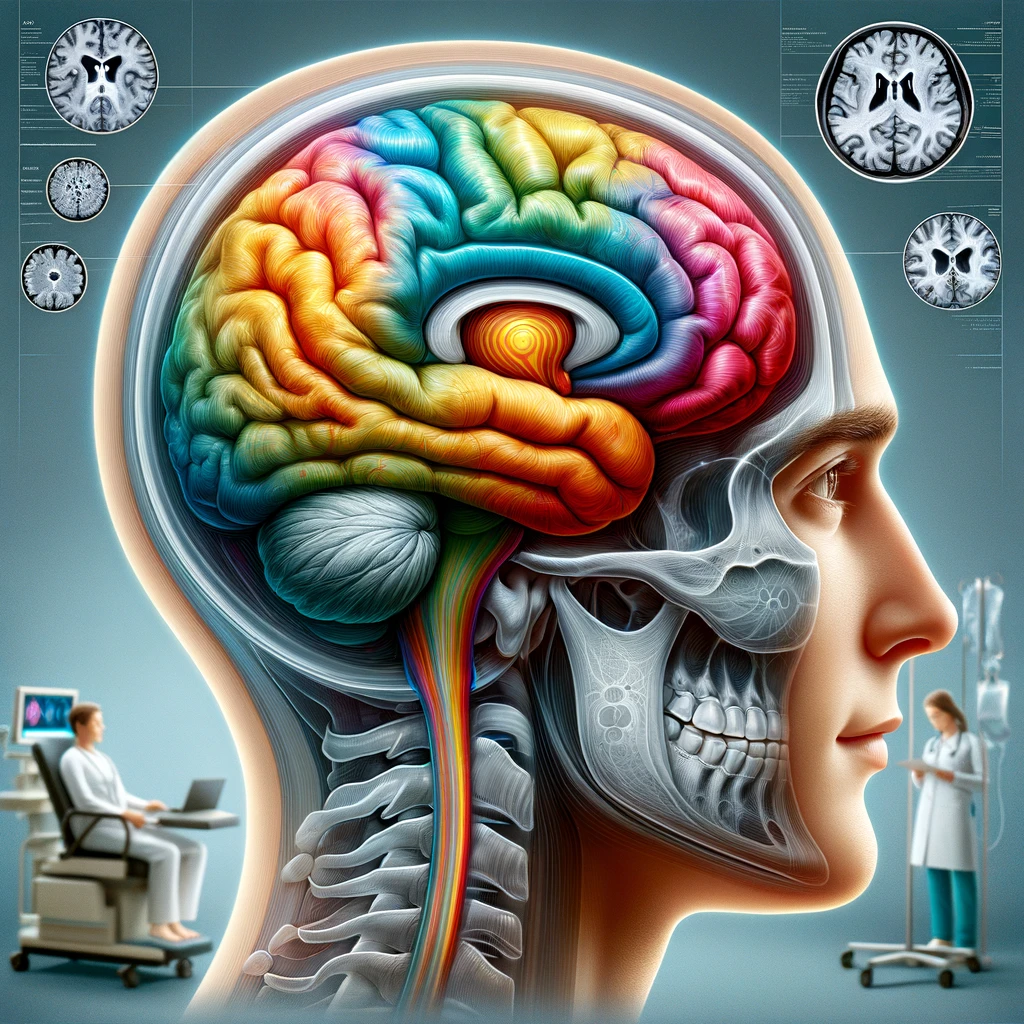

- Understanding FND: essential information for healthcare professionals
- Key components of comprehensive documentation
- Best practices for clinical note-taking
- Legal and ethical considerations in FND documentation
- Utilising technology to enhance documentation efficiency
Functional Neurological Disorder (FND) presents unique challenges for healthcare professionals due to its complex nature, often involving a myriad of symptoms that can vary significantly from one patient to another. Understanding FND is crucial for ensuring effective patient care and accurate medical records. FND, often referred to as a disorder at the intersection of neurology and psychiatry, requires healthcare professionals to adopt a multifaceted approach that incorporates both physical and psychological assessments.
Clear and comprehensive documentation plays a pivotal role in managing FND, as it allows clinicians to capture the nuances of each patient’s experience and symptomatology. This documentation serves as a vital tool for communication among multidisciplinary teams, enabling consistency in treatment approaches and facilitating a shared understanding of the patient’s condition. Additionally, well-maintained records are essential for tracking progress and adjusting treatment plans as necessary.
Another critical aspect of understanding FND involves recognising and differentiating it from other neurological disorders. Accurate diagnosis is essential, and thorough clinical evaluations should be documented meticulously to establish a baseline of patient health and symptom patterns. This clarity in medical records not only aids in confirming the diagnosis but also assists in guiding appropriate interventions tailored to the individual’s needs.
Furthermore, given the often misunderstood nature of FND, education and awareness among healthcare providers are fundamental. Providing patients and their families with insights into the condition and its impact fosters empathy and supports therapeutic relationships. Documentation should reflect not only clinical findings but also the education and reassurance offered to patients, capturing the holistic nature of care provided.
Key components of comprehensive documentation
Comprehensive documentation in the context of FND must include several key components to ensure clarity in communication and continuity of care. First, it is essential to record a detailed patient history that encompasses both physical and psychological symptoms, highlighting any prior diagnoses, treatments, and responses. This foundation allows for a more nuanced understanding of the patient’s current condition and assists in distinguishing FND from other potential causes.
Secondly, symptom documentation should be thorough and precise, capturing the frequency, duration, intensity, and triggers of each reported symptom. This information is vital for tracking symptom progression or reduction over time. It also assists in identifying patterns that may inform the treatment approach. Clinicians should ensure that these recordings are updated regularly to reflect changes in the patient’s condition accurately.
Another important component is the documentation of the physical and neurological examination findings. These should be described in a manner that is both detailed and specific, providing clarity and context for any observed discrepancies or inconsistencies that are characteristic of FND. This information supports the diagnostic process and can serve as a reference for other healthcare providers involved in the patient’s care.
Treatment plans and outcomes should also be meticulously documented. This includes noting the interventions proposed, patient responses, and any adjustments made to the treatment protocol. Clear documentation of these elements not only guides ongoing clinical decision-making but also ensures that all healthcare professionals involved in the case are aligned in their approach.
Psychosocial factors often play a significant role in FND management, and thus, documentation should reflect any relevant psychosocial assessments and therapeutic interactions. This might involve details about the patient’s support system, lifestyle factors, and coping mechanisms, which can influence treatment success.
Communication and collaboration with other professionals should be recorded in the medical records. Accurate documentation of multidisciplinary meetings and consultations helps maintain a cohesive treatment strategy. By embedding these comprehensive elements in patient records, healthcare providers can enhance the overall quality of FND care and facilitate effective treatment planning.
Best practices for clinical note-taking
Effective clinical note-taking is fundamental in managing cases of Functional Neurological Disorder (FND). Detailed and precise notes ensure clarity in patient care and facilitate seamless multidisciplinary collaboration. An organised structure is key; starting with patient identification information followed by a succinct summary of the visit provides immediate context. Clinicians should aim to capture both subjective and objective data meticulously. This includes patients’ reported experiences, observed behaviours, and quantitative findings such as test results. Recording the patient’s narrative in their own words can provide critical insights into their perspective and symptoms.
Maintaining objectivity in documentation is essential. Descriptions should be free of bias, with an emphasis on factual reporting. Using standardised terminology and recognised diagnostic criteria enhances clarity and aids in the consistent interpretation of records. It is also beneficial to use checklists or templates that are specifically designed for FND documentation, as they help ensure that no critical elements are overlooked.
Another best practice is the regular updating of clinical notes to reflect changes in the patient’s condition. This practice not only supports continuity of care but also allows for the real-time assessment of treatment efficacy. While documenting, healthcare professionals should include clear rationale for clinical decisions, juxtaposed with alternative options considered and the reasons for their dismissal. This transparency bolsters the decision-making process and provides insight to other healthcare professionals involved in the care team.
Time management in clinical note-taking is important. Allocating specific periods within patient consultations for documentation allows practitioners to maintain accuracy without compromising patient interaction. Additionally, engaging patients in the documentation process can aid in verifying symptom descriptions and enhancing patient comprehension of their condition and treatment plan.
Ensuring the security and confidentiality of medical records is imperative given the sensitive nature of FND cases. Clinicians should be familiar with legal requirements and institutional policies regarding patient data protection to prevent unauthorised access to records. By adhering to these best practices, healthcare professionals can enhance the quality and consistency of FND care, ultimately achieving better patient outcomes.
Legal and ethical considerations in FND documentation
In the realm of Functional Neurological Disorder (FND) care, understanding the legal and ethical implications of documentation is paramount. Healthcare professionals must navigate a landscape where the accuracy and integrity of medical records are critical not only for patient care but also for legal protection and ethical accountability. The clarity of FND documentation can directly impact patient outcomes, influencing decisions made by the care team and informing any legal scrutiny or inquiries.
Legally, healthcare providers are obligated to maintain comprehensive, accurate, and timely documentation. This ensures that all interventions and patient interactions are thoroughly recorded and available for review if necessary. In the context of FND, where symptoms and diagnoses may be complex and multifaceted, it is crucial that the documentation reflects these intricacies to support clinical decisions and justify treatments provided. Failure to document diligently can lead to legal vulnerabilities, particularly if the patient’s condition involves complex legal or insurance scenarios.
Ethically, healthcare professionals have a duty to record information with honesty and precision, upholding the patient’s right to accurate and respectful representation in their medical records. It is important to document not only clinical findings but also the discussions held with patients regarding their diagnostic process and treatment options. Transparent documentation fosters trust and aligns with ethical principles of patient autonomy and informed consent.
Confidentiality is a key ethical consideration, particularly when documenting sensitive information that pertains to FND. Professionals must adhere to data protection regulations, ensuring that patient information is kept secure and disclosed only with proper consent. Breaches of confidentiality can have serious ethical and legal ramifications, undermining patient trust and potentially resulting in regulatory action.
Furthermore, it is imperative to recognise and document any instances where patients consent to or refuse specific treatments, noting the rationale for their decisions. This is particularly relevant in FND cases, where treatment acceptance and patient engagement can vary significantly. By recording these details, healthcare providers demonstrate respect for patient autonomy while also safeguarding against potential disputes.
Remaining informed of current regulatory standards and participating in ongoing professional development can help healthcare professionals maintain compliant and ethical documentation practices. Understanding the broader ethics involved in medical documentation, especially in complex conditions like FND, is essential for delivering care that is not only clinically effective but also legally sound and ethically grounded.
Utilising technology to enhance documentation efficiency
The advent of digital technology has revolutionised how healthcare professionals approach documentation, enhancing both efficiency and clarity in medical records for Functional Neurological Disorder (FND). Implementing electronic health records (EHRs) streamlines the documentation process, allowing for real-time data entry that can be easily accessed and updated by all members of the healthcare team. This ensures that each professional involved in the patient’s care has access to the most current information, facilitating coordinated and cohesive treatment strategies.
Innovations such as speech-to-text software offer additional advantages in the fast-paced clinical environment. By enabling clinicians to dictate notes directly into the medical records, these tools reduce the time spent on manual data entry, allowing more time for patient interaction. The accuracy of these technologies has improved significantly, ensuring that the detail and precision required for FND documentation are maintained without the need for extensive post-entry editing.
Additionally, clinical decision support systems (CDSS) integrated with EHRs can serve as invaluable resources for healthcare professionals managing FND cases. These systems provide evidence-based guidance and alerts that assist in recognising potential patterns or complications related to FND, thus supporting more informed decision-making. Such tools can help identify discrepancies in symptom presentations and suggest possible diagnostic or therapeutic pathways based on the latest research findings.
Mobile applications specifically designed for healthcare settings further enhance documentation capabilities. These platforms allow clinicians to access and update patient records on-the-go, ensuring that no significant information is overlooked even when away from the traditional office setting. This level of connectivity is crucial in the multidisciplinary management of FND, where changes in a patient’s condition may necessitate immediate documentation and response.
Despite these technological advancements, it is essential to ensure that data security and patient confidentiality are not compromised. Adherence to relevant data protection regulations is critical to maintaining trust and legality in documentation practices. It is also important for healthcare providers to receive appropriate training on the use of these technologies to leverage their full potential effectively and safely.
Incorporating these technological tools not only enhances the efficiency and clarity in documenting FND but also ensures a higher standard of patient care by facilitating quicker and more coordinated responses to patient needs. The strategic use of technology in medical record-keeping represents a significant step forward in addressing the complexities of FND management.