
- Understanding functional neurological disorder (FND)
- The role of compassion in medical practice
- Breaking down the stigma around FND
- Strategies for fostering empathetic communication
- Building a supportive community for FND patients
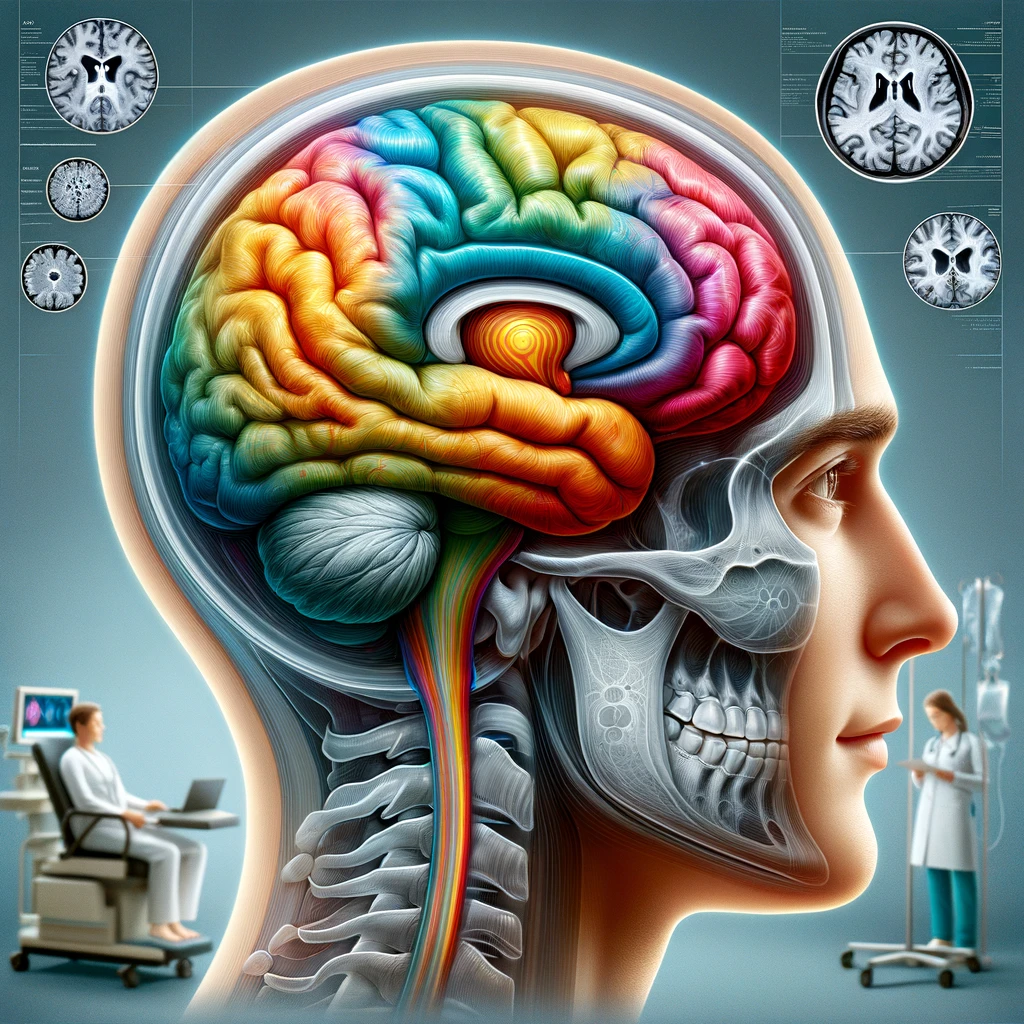
Functional neurological disorder (FND) is a complex condition that manifests through a range of neurological symptoms. These symptoms, which can include seizures, weakness, or movement disorders, occur despite no physical damage to the nervous system. Instead, FND is thought to arise from a dysfunction in the way the brain processes information. This disconnect can lead to significant distress and impairment, affecting everyday life and activities, making it crucial for both patients and healthcare professionals to gain a deeper understanding of the disorder.
The pathophysiology of FND is still not entirely understood, which often complicates diagnosis and treatment. Historically, FND was misunderstood, sometimes even considered as purely psychological or malingering, however, current research emphasises that it is a genuine disorder with specific diagnostic criteria. It is essential to note that the symptoms are involuntary and are not fabricated or imagined by those affected. This fundamental acknowledgement is a critical first step in addressing the condition with the seriousness it deserves.
Education is vital in reshaping perceptions around FND. Both practitioners and the general public need to be aware that FND is a legitimate neurological condition that requires appropriate medical care and attention. Raising awareness through education can help dispel the misconceptions that have long surrounded FND and pave the way for better support systems. Additionally, it is important to equip healthcare providers with the knowledge and tools needed to identify and manage FND effectively, allowing for timely interventions and a more profound understanding of their patients’ experiences.
The complexity of FND also underscores the importance of a holistic approach in treatment, where compassion and empathy play a significant role. Recognising the distress FND can cause on a personal level encourages a more patient-centered approach to care. It is imperative for practitioners to listen actively to their patients’ experiences and validate their symptoms, instilling a sense of trust and understanding in the clinical relationship. By fostering an environment of empathy, we can significantly enhance the quality of care provided to individuals with FND, ultimately leading to better health outcomes and improved quality of life.
The role of compassion in medical practice
Compassion in medical practice is not merely an adjunct to clinical expertise but a fundamental aspect that enhances the healing process, especially for patients with functional neurological disorder (FND). At the heart of compassionate care lies the understanding that patients are individuals with unique experiences and emotions, facing significant challenges due to their condition. FND patients often encounter scepticism and disbelief; therefore, incorporating compassion helps bridge the gap between patient and practitioner, fostering a supportive and trusting relationship.
Healthcare professionals are in a powerful position to model compassionate behaviour, which, in turn, can inspire a shift in the wider medical community towards more humane and respectful practices. Compassionate care involves active listening and a genuine attempt to understand the lived experience of the patient, beyond just the symptoms presented. It requires practitioners to see beyond the clinical diagnosis and engage with the emotional and psychological dimensions of the patient’s journey.
Compassionate medical practices can lead to more accurate diagnoses and personalised treatment plans, as patients are more likely to share details about their symptoms and concerns when they feel truly heard and understood. This patient-practitioner partnership enhances adherence to treatment plans and can reduce the anxiety and stress often associated with healthcare settings. For FND patients, who may experience fluctuating symptoms and complex healthcare needs, such an environment can lead to improved overall wellbeing.
Moreover, the role of compassion extends beyond the individual patient to influence system-wide changes in healthcare. By prioritising compassion and empathy in medical training and continuing education, healthcare institutions can cultivate a new generation of practitioners who value patient-centred care. This systemic change not only benefits FND patients but enhances the quality of care for all patients, promoting a more empathetic healthcare system that values human connection as much as clinical skills.
Breaking down the stigma around FND
Combatting the stigma associated with functional neurological disorder (FND) requires a concerted effort to challenge longstanding misconceptions and build a more compassionate understanding of the condition. Much of the stigma surrounding FND stems from its complex nature and the historical misinterpretation of its symptoms as being ‘all in the mind’. This outdated view has led to FND patients facing disbelief and invalidation, both within the healthcare system and from the wider community.
To effectively dismantle this stigma, education plays a pivotal role. Providing clear and accurate information about the nature of FND to both medical professionals and the public at large is vital. This includes highlighting that FND is a neurological condition with identifiable symptoms that are beyond the conscious control of the patient. By demystifying the condition and clarifying that these symptoms are real and distressing for those who experience them, we take a significant step towards eliminating the prejudices that patients frequently encounter.
Moreover, fostering an environment of compassion and empathy within healthcare settings is essential. Healthcare professionals must be trained to listen and respond to FND patients with an open, non-judgmental attitude, validating their experiences and concerns. This compassionate approach not only improves the patient experience but also contributes to a more accurate understanding and diagnosis of the disorder, as patients are encouraged to communicate more openly when they feel supported.
Public awareness campaigns can also serve as powerful tools in reshaping societal perceptions of FND. By sharing the stories of those living with the disorder and involving FND advocates, these initiatives can humanise the condition, showing the real impact it has on individuals’ lives. Collaboration between healthcare providers, patient organisations, and educators can further amplify these efforts, driving change and fostering a culture that prioritises understanding and acceptance.
Strategies for fostering empathetic communication
Empathetic communication is a cornerstone in the journey towards better understanding and supporting individuals with functional neurological disorder (FND). It involves more than just active listening; it requires healthcare providers to truly engage with patients on a human level, acknowledging the intricacies of their experiences without judgement. One effective strategy for fostering empathetic communication is implementing narrative medicine practices, where patients are encouraged to share their stories in detail. This approach allows medical professionals to gain a comprehensive view of the patient’s lived experience, facilitating more effective and tailored treatment plans.
Training programmes that focus on empathy development and compassionate communication are also pivotal. These programmes can equip healthcare providers with skills to recognise and address both verbal and non-verbal cues from patients. Role-playing and simulation exercises, for example, can create safe spaces for practitioners to practise empathetic interactions, enabling them to navigate complex emotional dynamics effectively. This education not only enhances practitioner competence but also builds confidence in their ability to provide patient-centred care.
Furthermore, interdisciplinary collaboration is essential in supporting empathetic communication. By working collectively, doctors, nurses, mental health professionals, and other relevant specialists can ensure a holistic approach to the patient’s care. Regular team meetings and case discussions can foster a shared understanding of the patient’s condition, leading to more cohesive and empathetic care strategies. This multidisciplinary engagement ensures that all aspects of the patient’s condition are considered, improving overall treatment efficacy.
Technology can also play a role in fostering empathetic communication. Digital platforms enabling telemedicine consultations provide patients with convenient access to care, often allowing more time for detailed discussions than in traditional settings. Such platforms can facilitate regular check-ins and follow-ups, ensuring that patients feel continually supported. Incorporating patient feedback mechanisms into these platforms ensures that patient voices are heard and their needs met, further enhancing the empathetic communication dynamic.
Ultimately, fostering empathetic communication requires a shift in culture within healthcare systems, prioritising compassion and understanding as foundational elements of patient care. By embedding these values into the training, practice, and ongoing development of healthcare professionals, we can create a more inclusive and supportive environment for FND patients. This commitment to empathy not only improves patient outcomes but also enriches the professional fulfilment of those providing care, cultivating an overall more connected and compassionate healthcare experience.
Building a supportive community for FND patients
Creating a supportive community for patients with functional neurological disorder (FND) is essential for improving their quality of life and fostering a sense of belonging. Such a community provides emotional support, shared experiences, and practical resources that can significantly alleviate the isolation often felt by those living with the condition. At the core of building a supportive community is compassion, which helps in establishing connections grounded in understanding and empathy.
An effective way to cultivate this community is through education and awareness initiatives that target not only patients but also their families, friends, and the wider public. By enhancing the general understanding of FND, we can create an environment that is more accepting and informed about the realities of living with this disorder. Support groups, whether in-person or virtual, facilitate the exchange of experiences and coping strategies, empowering individuals with FND to advocate for themselves and others.
Healthcare professionals play a vital role in the formation of these communities by encouraging participation in support networks and providing necessary resources. They can also help connect patients with local or online support groups that align with their interests and needs. These networks can serve as platforms for sharing personal stories, which can be therapeutic and validating for participants, reinforcing a sense of solidarity and reducing feelings of loneliness.
In addition, collaboration with organisations dedicated to neurological disorders can enhance the reach and impact of community-building efforts. These partnerships can offer specialised resources, information on the latest research, and advocacy tools, thereby strengthening the support structure available to individuals with FND. By working together, these organisations can amplify the voices of those affected by FND, ensuring they are heard and considered in both medical and societal contexts.
Creating a supportive community also involves leveraging digital platforms and social media to connect individuals across geographical boundaries. Online forums and social media groups can be invaluable for those who may not have access to local support networks. They provide a space where individuals can discuss their challenges, share advice, and celebrate victories, fostering a global community united by shared experiences and mutual encouragement.
Ultimately, building a supportive community for FND patients requires a multi-faceted approach that incorporates empathic communication, educational outreach, and collaborative efforts between patients, healthcare providers, and advocacy organisations. Through these efforts, individuals with FND can experience a more inclusive, understanding, and empowering community, leading to improved mental and emotional wellbeing and a more connected and compassionate society.