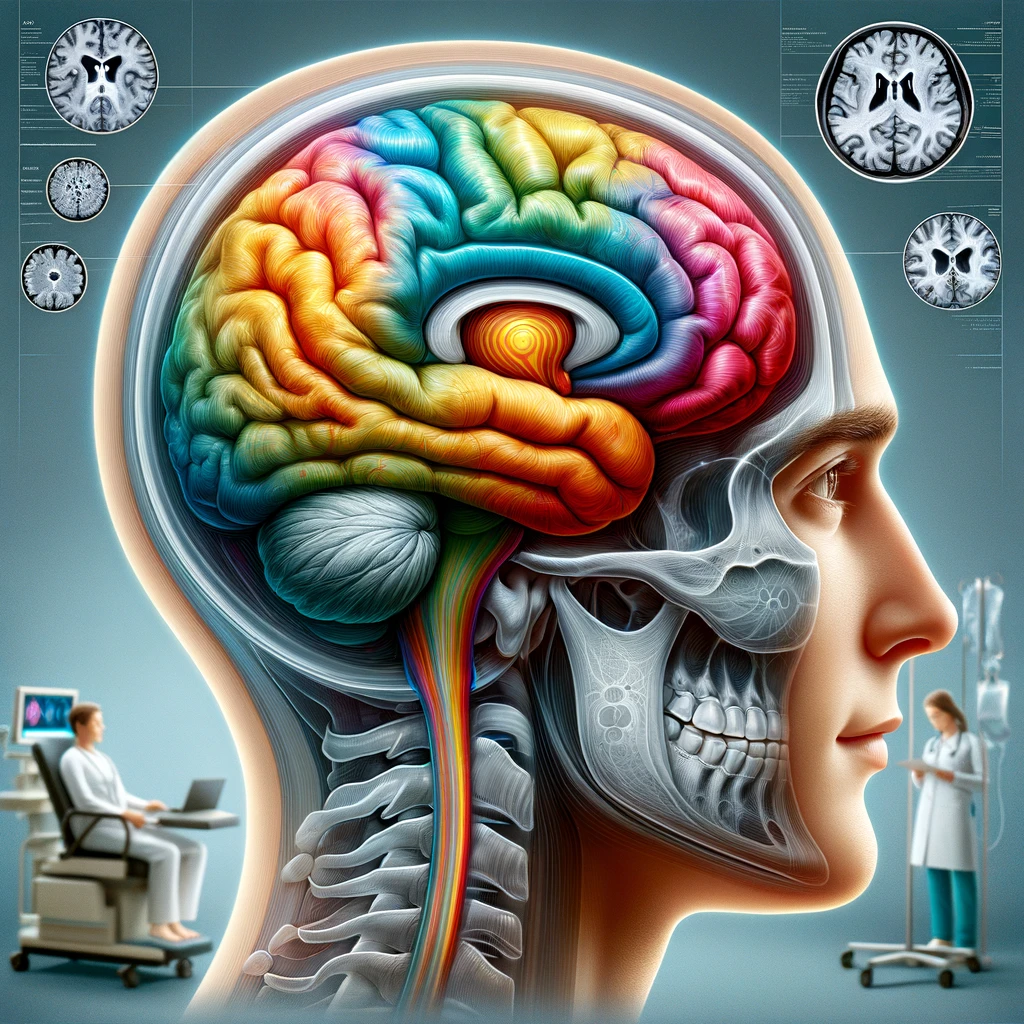

- Understanding neurodiversity
- Exploring functional neurological disorder (FND)
- The intersection of neurodiversity and FND
- Implications for diagnosis and treatment
- Future perspectives in FND research
Neurodiversity is a concept that recognises and celebrates the diverse range of human neurological makeups and challenges the conventional notion of what is considered ‘normal’ or ‘typical’. This perspective shifts the focus from a pathologising view of neurological differences to an acceptance and appreciation of these variations. Neurodiversity encompasses a wide array of conditions, including but not limited to autism, ADHD, dyslexia, and dyspraxia. Each of these conditions contributes to the unique mosaic of human experience and cognition.
Understanding neurodiversity involves acknowledging that neurological differences are not defects or disorders that need to be cured or normalised. Instead, they are natural variations of the human mind, with each having its own strengths and challenges. Embracing this perspective can lead to more inclusive frameworks in society, fostering environments where individuals with differing neurological makeups can thrive and be valued for their unique insights and abilities.
The neurodiversity movement advocates for the rights and interests of individuals with neurological differences, promoting acceptance and understanding over mere tolerance. This movement underscores the importance of public education in dismantling stereotypes and prejudices surrounding these conditions. It argues for a more inclusive society where everyone’s contributions are respected and valued as part of a diverse human community.
In practical terms, neurodiversity can shape inclusive policies in workplaces and educational settings, creating spaces that accommodate varying cognitive and sensory needs. Such considerations might include flexible working arrangements, alternative communication methods, or tailored educational programmes that focus on individual strengths rather than perceived deficiencies. Ultimately, neurodiversity encourages a shift towards a more compassionate and inclusive world where all forms of neurological expression are respected and celebrated.
Exploring functional neurological disorder (FND)
Functional Neurological Disorder (FND) is a condition that presents with neurological symptoms that appear inconsistent or incongruent with typical neurological disease. These symptoms can include seizures, motor dysfunction like tremors or weakness, and sensory issues such as numbness or unusual disturbances. Unlike other neurological conditions, FND does not typically show identifiable structural abnormalities in the brain using standard medical imaging techniques, often making it challenging to diagnose and understand.
FND is regarded as one of the most common conditions encountered in neurological practice, yet it remains poorly understood due to its complex interplay of psychological, neurological, and social factors. Its formulation involves a model that reconciles biological and psychological pathways, suggesting that these symptoms arise from a dysfunction in the central nervous system’s ability to filter sensory and motor information. For individuals, experiencing FND can be highly distressing and lead to considerable disability, exacerbated by misunderstandings and lack of awareness among the public and healthcare providers alike.
The recognition and management of FND require a multidisciplinary approach, integrating psychological and physical treatments that address both the mind and the body. Current research indicates that education and understanding, particularly in terms of neurodiversity and inclusion, play a crucial role in the treatment process. Understanding FND through the lens of neurodiversity can aid in reframing perceptions and reducing stigma, emphasising acceptance and validation of lived experiences over preconceived notions of typical neurological function.
Public education is crucial to foster a better understanding of FND, as misconceptions about the disorder can lead to mistreatment and overlook the individual’s needs for supportive care. In essence, a comprehensive understanding of FND should involve considerations of both medical and neurodiversity principles, facilitating the development of more inclusive diagnostic and treatment frameworks that respect each individual’s unique neurological profile.
The intersection of neurodiversity and FND
The intersection of neurodiversity and Functional Neurological Disorder (FND) offers a unique vantage point to explore and understand the complex presentations of neurological differences. Neurodiversity, by its nature, encompasses a recognition and acceptance of diverse cognitive, sensory, and social functionalities, advocating for acceptance beyond conventional medical frameworks. By applying this perspective to FND, there is a shift towards understanding FND symptoms not as mere anomalies or faults but as part of the broader spectrum of human neurological variance.
Viewing FND through the neurodiversity lens enables a more inclusive approach to diagnosis and care. Traditional medical models often seek to pathologise FND, focusing on rectifying symptoms rather than understanding their origins in the broader context of neurological diversity. By integrating neurodiversity principles, healthcare practitioners can develop a more nuanced comprehension of FND that recognises the condition as an expression of varied neurological wiring, one that demands validation and tailored approaches. This is significant, as individuals with FND frequently report feeling misunderstood and inadequately supported by conventional healthcare systems.
Moreover, the intersection with neurodiversity underscores the importance of public education in transforming perceptions about FND. Educating the public not only serves to dismantle myths and misconceptions surrounding FND but also fosters a societal environment that is more accommodating and empathetic towards those experiencing such symptoms. By promoting awareness and inclusion, the narrative surrounding FND can evolve from one of misunderstanding to one of appreciation and acceptance, encouraging a cultural shift that values all neurological identities.
Thus, this intersection is pivotal in reimagining healthcare practices and societal attitudes. By drawing on the principles of neurodiversity, there is potential to enhance the experiences of individuals with FND, enabling them to access care and understanding that is attuned to their needs. In doing so, society can move closer to an inclusive model where diverse neurological presentations are respected, validated, and celebrated, ultimately contributing to improved outcomes for those living with FND.
Implications for diagnosis and treatment
Integrating the principles of neurodiversity into the diagnosis and treatment of Functional Neurological Disorder (FND) provides a transformative approach that prioritises individual experience and inclusion in care practices. Current diagnostic paradigms often struggle to accommodate the complexity of FND due to its overlapping symptoms with other neurological and psychiatric conditions. By embracing neurodiversity, clinicians are encouraged to appreciate the unique presentation of each patient, considering the myriad ways in which neurological conditions manifest across different individuals. This can lead to more accurate diagnoses and nuanced understanding of FND within the broader landscape of neurological diversity.
Diagnosis rooted in neurodiversity supports the use of patient-centred assessments that pivot away from traditional deficit-focused methods. It posits that symptoms should be seen as a reflection of an individual’s neurological diversity rather than solely as abnormalities to be rectified. Such an approach acknowledges that FND symptoms may be interwoven with other cognitive and sensory profiles characteristic of neurodiverse conditions, necessitating comprehensive evaluation tools that reflect this complexity. This shift can diminish the stigma often associated with FND, fostering an environment where diverse neurological expressions are recognised and validated.
Treatment frameworks informed by neurodiverse perspectives advance the integration of psychological, neurological, and social dimensions into care strategies. When developing treatment plans, clinicians can benefit from inclusive methods that respect the lived experiences and preferences of individuals with FND, promoting therapies that address both physical and psychological health. Multidisciplinary interventions that are flexible and personalised can enhance patient engagement, adherence, and outcomes. Techniques such as cognitive behavioural therapy, physiotherapy, and mindfulness, adapted to each individual’s context, can provide comprehensive support without pathologising their differences.
Public education plays a critical role in transforming perceptions and treatment of FND. Educating healthcare professionals, as well as the broader public, about the intersections between neurodiversity and neurological disorders can reduce misconceptions and foster spaces of understanding and empathy. Awareness campaigns and educational resources should aim to dismantle stereotypes and support the acceptance of neurological variance within both clinical settings and society at large. Consequently, these efforts contribute towards reducing the psychological burden on individuals with FND, facilitating stronger support networks and more responsive medical practices.
Incorporating neurodiversity into the management of FND aligns with the broader vision of an inclusive healthcare system where neurological differences are celebrated rather than marginalised. By recognising the value of diverse neurocognitive experiences, the healthcare community can push towards innovative diagnostic tools and therapeutic practices that honour the complexities of human neurology, steering away from a one-size-fits-all mentality. This approach not only improves clinical outcomes for individuals with FND but also enriches the societal understanding of what it means to healthily embody a wide range of neurological expressions.
Future perspectives in FND research
As research into Functional Neurological Disorder (FND) progresses, integrating the principles of neurodiversity will likely lead to significant advances in our understanding and management of the condition. Future research directions may focus on the diverse neurological presentations of individuals with FND, acknowledging how these can often overlap with other neurodiverse conditions. By doing so, research can refine diagnostic criteria, ensuring they are inclusive of the varied ways FND manifests across different individuals.
The role of public education in shaping future research cannot be understated. Raising awareness about neurodiversity and FND is essential for reducing stigma and increasing the understanding of the condition’s complexities among the public and healthcare providers. Educational initiatives should aim at equipping clinicians, researchers, and the general public with knowledge that appreciates the multifaceted nature of FND, helping to foster more empathetic and accommodating environments for those affected.
Innovative research methodologies that prioritise the insights and voices of individuals with lived experience of FND can enhance the development of patient-centred treatment modalities. By engaging patients as active contributors rather than passive subjects, researchers can devise interventions that truly reflect the needs and preferences of those with FND, promoting therapeutic approaches that are adaptive, inclusive, and respectful of individual variability.
Furthermore, technological advancements in neuroimaging and data analytics present opportunities to deepen our understanding of the neurological underpinnings of FND. Leveraging these tools can help elucidate the neural network disruptions that contribute to FND symptoms, potentially unveiling biomarkers that facilitate more timely and accurate diagnoses. Aligning technological innovations with principles of neurodiversity ensures that emerging solutions honour and integrate the spectrum of human neurological diversity.
Looking beyond individual treatment, future research may explore systemic approaches that incorporate interdisciplinary collaboration spanning neurology, psychology, and social sciences. Such collaborations can craft holistic care models that address the psychological, social, and physical dimensions of FND, recognising the condition’s complexity. By embedding inclusion and neurodiversity at the heart of research strategies, the healthcare community can advance towards developing comprehensive care frameworks that celebrate rather than constrain neurological variation.