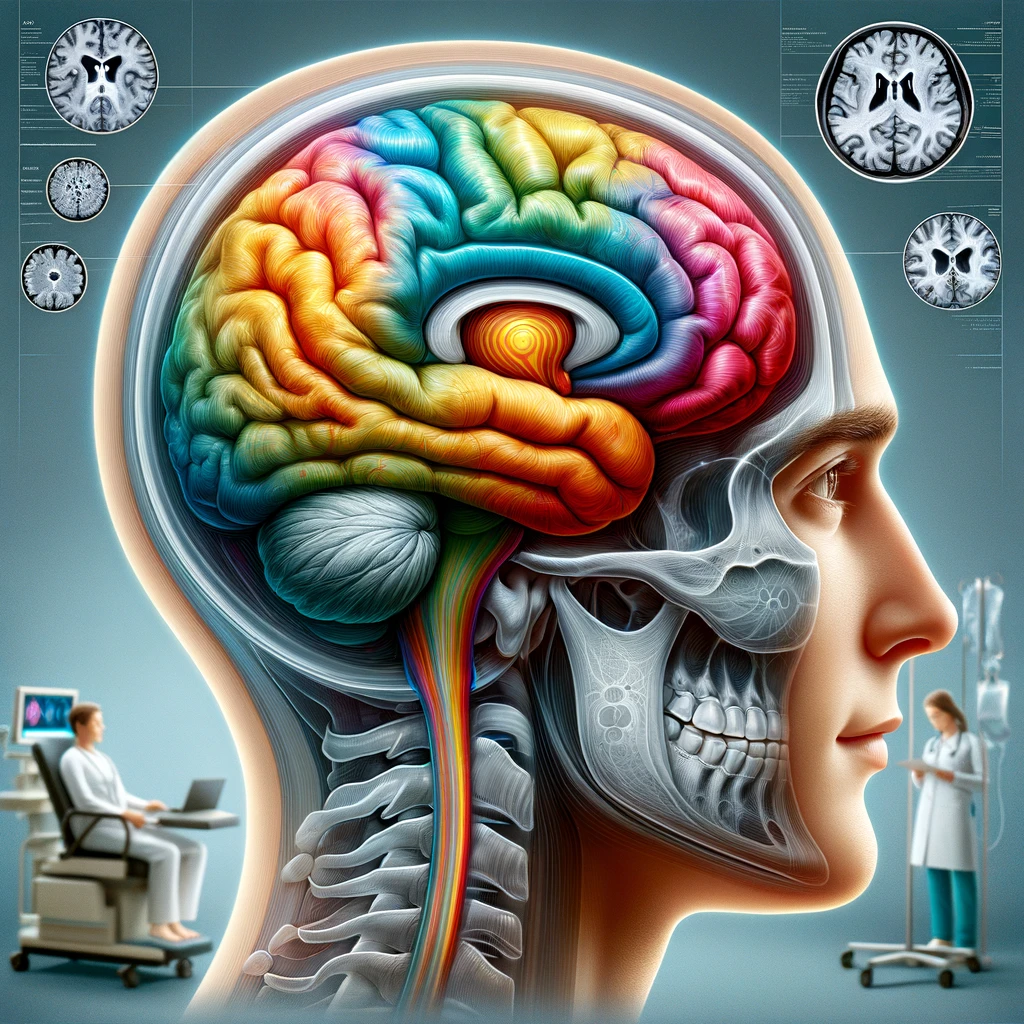

- understanding functional neurological disorder (FND)
- assessment methods in occupational therapy for FND
- therapeutic interventions for motor symptoms
- addressing cognitive and sensory challenges
- implementing personalised treatment plans
Functional Neurological Disorder (FND) is a condition characterised by neurological symptoms that cannot be attributed to structural brain or nerve abnormalities. This disorder presents with a broad array of symptoms, including motor deficits such as limb weakness, cognitive difficulties, and sensory challenges. These symptoms can significantly impact a person’s daily functioning, often leading to distress and reduced quality of life.
Occupational therapy plays a pivotal role in the rehabilitation of individuals with FND, focusing on improving functionality and empowering patients to engage more fully in everyday activities. Understanding FND involves recognising that symptoms are genuine, not deliberately produced, and typically arise from dysfunction in the nervous system’s operation rather than damage. This understanding is crucial for therapists to build an effective therapeutic alliance with patients, addressing symptoms with empathy and evidenced-based strategies. The complexity of FND requires a multifaceted assessment of how the disorder affects each individual uniquely and influences their occupational performance.
Symptoms of FND often fluctuate in severity, and triggers can vary widely among patients, making a static approach ineffective. Occupational therapists, therefore, adopt a dynamic approach tailored to each person’s specific needs and experiences. This involves educating patients about FND to demystify their condition and mitigate fears regarding their symptoms. By using therapeutic techniques that acknowledge the mind-body connection, occupational therapists can facilitate progress, guiding patients towards gaining control over their symptoms and enhancing their engagement in meaningful occupations.
assessment methods in occupational therapy for FND
The assessment process for individuals with Functional Neurological Disorder (FND) in occupational therapy begins with a comprehensive evaluation, designed to capture the intricacies of each patient’s experience. Initial interviews are pivotal in establishing rapport and understanding the patient’s narrative, as they provide insight into the subjective experience and perceived limitations in daily functioning. Occupational therapists utilise both standardised assessments and observational methods to evaluate the impact of FND on a person’s ability to engage in meaningful activities.
Standardised tools may include assessments of upper limb function, activities of daily living, and sensory processing skills, enabling therapists to quantify and document deficits. However, these tools are often complemented by personalised observation of the patient performing routine activities, allowing therapists to identify specific challenges and areas of competence in real-world contexts. This dual approach ensures a holistic understanding of how FND impacts the individual at both a motor and cognitive level.
Furthermore, the assessment phase considers psychological and social dimensions, recognising the role stress, anxiety, and environmental factors play in symptom modulation. Therapists may work in conjunction with psychologists or neuropsychologists to assess cognitive function and emotional wellbeing, fostering a multidisciplinary approach to rehabilitation. Collaboration with patients is integral in identifying their priorities and goals, ensuring that therapy remains patient-centred and relevant to their lifestyle. Through this detailed assessment methodology, occupational therapists can tailor interventions to support patients in overcoming barriers, thus enhancing independence and improving quality of life.
therapeutic interventions for motor symptoms
In addressing motor symptoms associated with Functional Neurological Disorder (FND), occupational therapy adopts an array of interventions aimed at improving a patient’s physical capabilities and promoting independence in daily functioning. Given the complex and variable nature of FND symptoms, therapeutic strategies are tailored to the individual, focusing on enhancing specific motor skills while also considering emotional and cognitive aspects that may influence movement.
One primary intervention involves the use of graded motor imagery, a therapeutic process that engages the brain in progressive stages to address motor dysfunction. This involves initially imagining movements without physical execution, then progressing to observing the movement, and eventually performing it. This technique helps modify the brain’s perception of movement, potentially reducing symptoms such as limb weakness or tremors by retraining the nervous system.
Task-specific practice is another cornerstone of therapeutic intervention, wherein patients engage in activities that mimic the motor demands of their daily tasks. This hands-on approach encourages active participation and repetition of movements in a safe and controlled environment, promoting motor learning and confidence. Occupational therapists work collaboratively with patients to set achievable goals, gradually increasing task complexity as motor control improves.
Adaptive equipment and environmental modifications can also be introduced to support motor function. For individuals experiencing balance issues or coordination problems, therapists may recommend assistive devices such as canes or walkers, or suggest changes in the home environment to promote safety and ease of movement.
Relaxation techniques, including mindfulness and deep breathing exercises, are integrated into therapy sessions to help manage stress and anxiety, which can exacerbate motor symptoms. By learning to control these emotional triggers, patients may experience a reduction in symptom severity, fostering a sense of empowerment over their condition.
Collaboration with other healthcare professionals is often vital. By working alongside physiotherapists or neurologists, occupational therapists ensure a comprehensive approach to rehabilitation, maximising patient outcomes. Through these cohesive strategies, occupational therapy plays an essential role in helping individuals with FND regain control over their motor symptoms, thus enhancing their engagement and satisfaction with daily activities.
addressing cognitive and sensory challenges
Addressing cognitive and sensory challenges in individuals with Functional Neurological Disorder (FND) requires a tailored approach that recognises the interplay between cognitive processes and sensory experiences. Occupational therapy strategies are pivotal in improving daily functioning, focusing on cognitive rehabilitation techniques and sensory modulation strategies to enhance the patient’s ability to process and react to their environment effectively.
For cognitive challenges, interventions often involve cognitive retraining exercises designed to improve specific skills, such as attention, memory, and executive functioning. This may include activities that gradually increase in complexity, helping patients to develop problem-solving strategies, sustain attention, and improve memory recall through structured tasks. Cognitive-behavioural approaches may also be utilised to address maladaptive thought patterns that contribute to cognitive dysfunction and to facilitate the development of healthier coping mechanisms.
Sensory challenges are addressed by employing sensory integration techniques aimed at helping patients modulate their sensory input for improved processing. This often involves activities that engage multiple senses simultaneously, enabling individuals to organise sensory information more effectively. For instance, occupational therapists might use textured materials or contrasting temperatures during therapy sessions to recalibrate sensory thresholds, thereby reducing hypersensitivity or hyposensitivity. Environmental adjustments, such as reducing clutter or noise, can further assist in creating conducive settings for sensory processing.
Education plays a crucial role in empowering patients to manage their condition successfully. Occupational therapists provide guidance on identifying triggers that may exacerbate cognitive or sensory symptoms and offer strategies to minimise their impact. This includes stress management techniques such as mindfulness or relaxation practices, which can help mitigate the influence of stress on cognitive functioning and sensory perception.
Moreover, personalised treatment plans that incorporate patients’ preferences and goals are crucial. By collaborating with the individual, therapists can design interventions that are not only relevant but also motivating, increasing adherence and efficacy. This patient-centred approach ensures that therapy remains flexible and adaptable to the unique needs of each person, fostering a sense of autonomy and engagement in their rehabilitation journey.
Occupational therapy for FND, when addressing cognitive and sensory challenges, thus focuses on enhancing the overall quality of life. Through tailored interventions and supportive strategies, occupational therapists aim to optimise cognitive function and sensory experiences, promoting greater independence and satisfaction in daily activities.
implementing personalised treatment plans
Personalised treatment plans serve as a cornerstone in the rehabilitation of individuals with Functional Neurological Disorder (FND), leveraging the collaborative partnership between occupational therapists and patients. Effective personalisation begins with the understanding that no two individuals with FND experience the condition in exactly the same way, necessitating a flexible and tailored approach that addresses specific needs and goals.
Central to this process is the establishment of a comprehensive profile of the patient, incorporating detailed assessments of their physical, cognitive, and sensory experiences associated with FND. By understanding the nuances of how symptoms impact daily functioning, therapists can design interventions that prioritise the individual’s unique lifestyle and aspirations. This patient-centred strategy not only enhances engagement in the rehabilitation process but also ensures that therapeutic goals remain relevant and attainable.
Occupational therapy interventions are then purposefully selected to address identified challenges, with a focus on empowering the patient to take an active role in their recovery journey. Tailored exercises that mirror daily activities help strengthen functional capabilities while building confidence over time. Patients actively participate in refining their treatment plans, facilitating a sense of ownership and motivation.
Moreover, personalised plans frequently include education and counselling components designed to elevate patients’ understanding of their condition. By demystifying FND, therapists help mitigate fear and anxiety surrounding symptoms, fostering a more constructive approach to management. Patients are encouraged to explore and implement coping strategies that resonate most with their individual circumstances, strengthening their ability to navigate daily challenges.
Regular evaluation and adaptation of treatment approaches are vital to reflect the evolving nature of FND symptoms and patient progress. Periodic assessments allow therapists to modify strategies based on current performance and emerging needs, ensuring continued alignment with patient goals. This dynamic process is conducive to sustaining meaningful progress and promoting long-term independence.
Collaboration within a multidisciplinary team further enriches personalised treatment plans, integrating insights from other healthcare professionals to address the multifaceted nature of FND. This holistic approach maximises therapeutic outcomes, ensuring comprehensive support for the patient across various aspects of their condition.
By implementing personalised treatment plans in occupational therapy, patients with FND can experience a structured yet adaptable path towards improved daily functioning and enhanced quality of life. These bespoke strategies empower patients to actively participate in their rehabilitation, fostering resilience and autonomy on their journey to recovery.