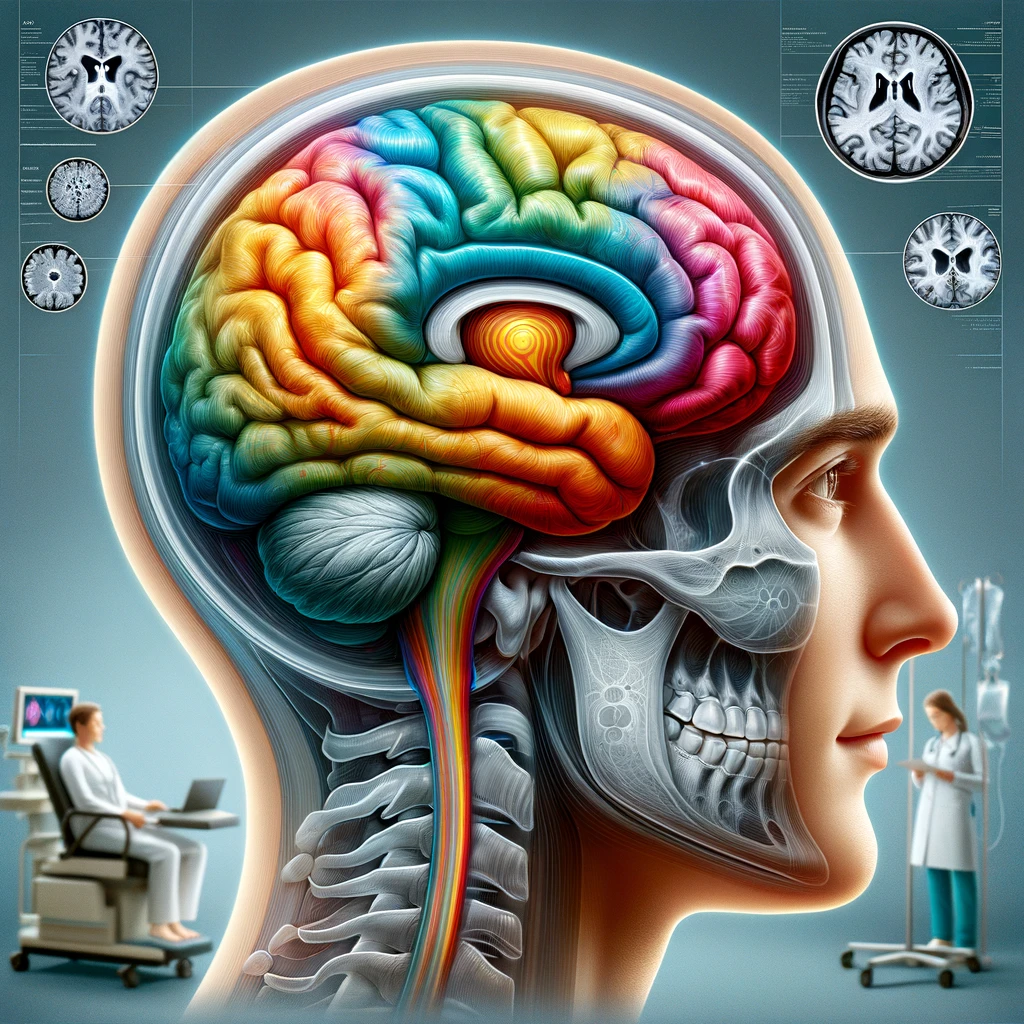

- understanding functional neurological disorder (FND)
- the power of music in awareness campaigns
- performance as a tool for engagement
- successful case studies and examples
- practical steps for integrating creative arts
Functional Neurological Disorder (FND) refers to a range of neurological symptoms that are real and disabling but not caused by structural disease. Instead, they arise from problems in how the brain processes signals, affecting motor and sensory functions. Common symptoms can include limb weakness, seizures, and difficulty walking, which may resemble those attributed to other neurological disorders such as multiple sclerosis or epilepsy. However, FND has distinct characteristics and requires different treatment approaches. Due to its complex nature, patients experiencing FND often face delayed diagnosis and may encounter a lack of understanding from medical professionals and the public alike.
The misunderstanding surrounding FND largely stems from its symptoms manifesting in the absence of apparent physical damage or lesions in the nervous system. Despite the lack of structural abnormalities, the symptoms are warranted attention as they significantly impact the lives of those affected. Adopting a holistic approach that integrates neurology with psychological and physiological therapies can promote recovery. Early intervention is crucial, as prolonged symptoms without adequate management can become entrenched, complicating recovery prospects.
Raising public awareness is fundamental for improving FND recognition and support. The stigma associated with conditions deemed psychosomatic is another barrier for individuals seeking help. Public awareness initiatives, including the embrace of creative arts and music, have the potential to reshape perceptions and offer a platform for education and empathy. Encouraging conversations and sharing stories through different mediums can break down barriers and provide hope for individuals struggling with this under-recognised condition.
the power of music in awareness campaigns
Music holds a unique ability to transcend barriers and communicate emotions and messages effectively, making it a powerful tool for public awareness initiatives, particularly for lesser-known conditions like FND. By capturing attention and evoking emotional responses, music can foster empathy and understanding, encouraging listeners to explore the complexities of FND further. Incorporating music into awareness campaigns can reach wider audiences, breaking down misconceptions and fostering a supportive community.
Musical compositions and performances can highlight personal stories and journeys of those with FND, humanising the condition and offering a compelling narrative that resonates with audiences. Furthermore, collaborative projects between musicians and FND patients can result not only in raising awareness but also in providing patients an outlet for self-expression and healing. Concerts, benefit events, or online music initiatives can serve as platforms to engage communities, stimulate dialogue, and generate funding for research and resource development.
Music’s universal appeal enables it to connect diverse groups, thus expanding the reach of awareness campaigns. Utilising genres that resonate with different demographics can tailor messages appropriate to various audiences. Whether through poignant lyrics, evocative melodies, or dynamic performances, music has the capacity to influence perceptions and drive positive change, ultimately fostering an environment of greater understanding and acceptance for FND.
performance as a tool for engagement
Performance offers an engaging platform for raising public awareness about Functional Neurological Disorder (FND) through its immersive and connective nature. By using theatre, dance, and live art, performances can convey the lived experiences of individuals with FND, allowing audiences to empathise with the challenges faced by those affected. This form of creative expression enables performers and artists to present stories in dynamic and relatable ways, capturing the complexities of the condition while challenging existing perceptions.
Engagement through performance goes beyond mere audience observation, involving individuals actively and emotionally. By participating in performances that depict the realities of FND, audiences are encouraged to reflect on their preconceptions and to engage in conversations that promote understanding. The visceral experience of witnessing an FND-themed performance can be transformative, fostering an environment where empathy and awareness can flourish.
Additionally, performances can facilitate a deeper connection between those with FND and the broader community, creating opportunities for dialogue and collaboration. Artists, actors, and dancers can work alongside healthcare professionals and FND patients to develop productions that accurately and sensitively represent their stories, ensuring authenticity and respect. This collaboration can empower individuals with FND, giving them a voice and a platform to share their narratives in a supportive setting.
The interactive nature of performance art also allows for versatility in how public awareness campaigns are delivered. From intimate community performances to large-scale theatre productions, performances can be tailored to various audiences, enhancing the accessibility and impact of the message. By utilising creative arts as a tool for engagement, awareness campaigns can effectively demystify FND, encourage community support, and inspire action toward improved recognition and resources for those living with the disorder.
successful case studies and examples
One notable example of success in utilising creative arts to raise public awareness about Functional Neurological Disorder (FND) is the collaboration between artists and healthcare professionals in the “FND Dimensions” project. This initiative sought to bridge the gap between public understanding and the realities faced by those living with FND through a multidisciplinary approach involving visual art, music, and storytelling. By showcasing the diverse experiences of individuals with FND, the project aimed to challenge misconceptions and foster a more comprehensive understanding of the disorder. Participants reported feeling empowered and seen, as their personal narratives became central to the conversation, engaging audiences emotionally and intellectually.
Another significant case is the “Voices of FND” concert series, which brought together musicians, spoken word artists, and individuals with FND to create performances that highlighted the condition’s impact on everyday life. By integrating personal testimonies with creative expression, the concert series not only educated audiences about FND but also provided a cathartic experience for those involved. The initiative inspired subsequent performances and campaigns, demonstrating the ongoing potential of creative arts to sustain awareness efforts and build supportive communities around FND.
Theatre has also played a pivotal role in raising FND awareness, as evident in productions like “The FND Chronicles.” This performance art piece was developed with input from FND patients and presented in various venues, from local theatres to educational institutions. It provided an immersive experience that allowed audiences to witness the challenges of living with FND, thereby promoting empathy and greater societal understanding. The play’s success encouraged dialogues between the public, medical community, and policymakers, contributing to increased recognition and support for those affected.
Across these case studies, a common theme emerges: when creative arts are harnessed as a vehicle for storytelling and education, they can significantly impact public awareness and perception of FND. The emotional resonance and relatability offered by music, performance, and other art forms create a powerful narrative that not only illuminates the realities of FND but also champions the voices of those who live with the disorder. These achievements underline the importance of continued innovation and collaboration in awareness campaigns, ensuring that the message remains impactful and far-reaching.
practical steps for integrating creative arts
Integrating creative arts into public awareness campaigns for Functional Neurological Disorder (FND) requires strategic planning and collaboration across diverse fields. A successful initiative begins with engaging stakeholders, including FND patients, medical professionals, artists, and community leaders, to ensure a holistic representation of the disorder and its impact. Through regular meetings and workshops, these stakeholders can collectively brainstorm ideas, define objectives, and outline the desired message and tone of the campaign.
Choosing the right medium is crucial to maximising impact. Whether it be music, theatre, visual arts, or multimedia presentations, each form offers unique strengths. Selecting a medium that resonates with local audiences can make the message more relatable and memorable. For instance, a community with a vibrant music scene might benefit from a series of benefit concerts, while regions with strong theatre traditions might prefer live performances or interactive plays. Tailoring the approach to fit the cultural and social context can significantly enhance the reach and effectiveness of the campaign.
Collaborative creation sessions can further empower those directly affected by FND to share their stories through art. Facilitating workshops where patients work alongside artists can result in authentic and moving expressions of their experiences, fostering a deeper connection with audiences. These stories can be shared in exhibitions or performances, bolstering public empathy and understanding while transforming patients’ narratives into compelling advocacy tools.
Another practical step is securing funding and resources through partnerships with cultural institutions, health organisations, and sponsors interested in supporting neurological health initiatives. Funding partners might offer venues, materials, or financial resources necessary for project execution. Recognising and approaching organizations aligned with the campaign’s objectives can ensure sustainability and enable larger-scale initiatives.
Establishing clear metrics for success and assessing the campaign’s impact is essential for continuous improvement and accountability. Metrics might include audience engagement levels, social media reach, community feedback, and changes in public attitudes towards FND. Incorporating these evaluations guides future campaigns, ensuring they remain relevant and impactful.
The creative arts hold boundless potential for deepening public awareness and appreciation of FND, yet their integration must be deliberate and inclusive. By valuing collaboration, recognising cultural nuances, and investing in narrative authenticity, campaigns can foster a supportive environment for those affected by FND, encouraging greater societal recognition and understanding of this complex disorder.