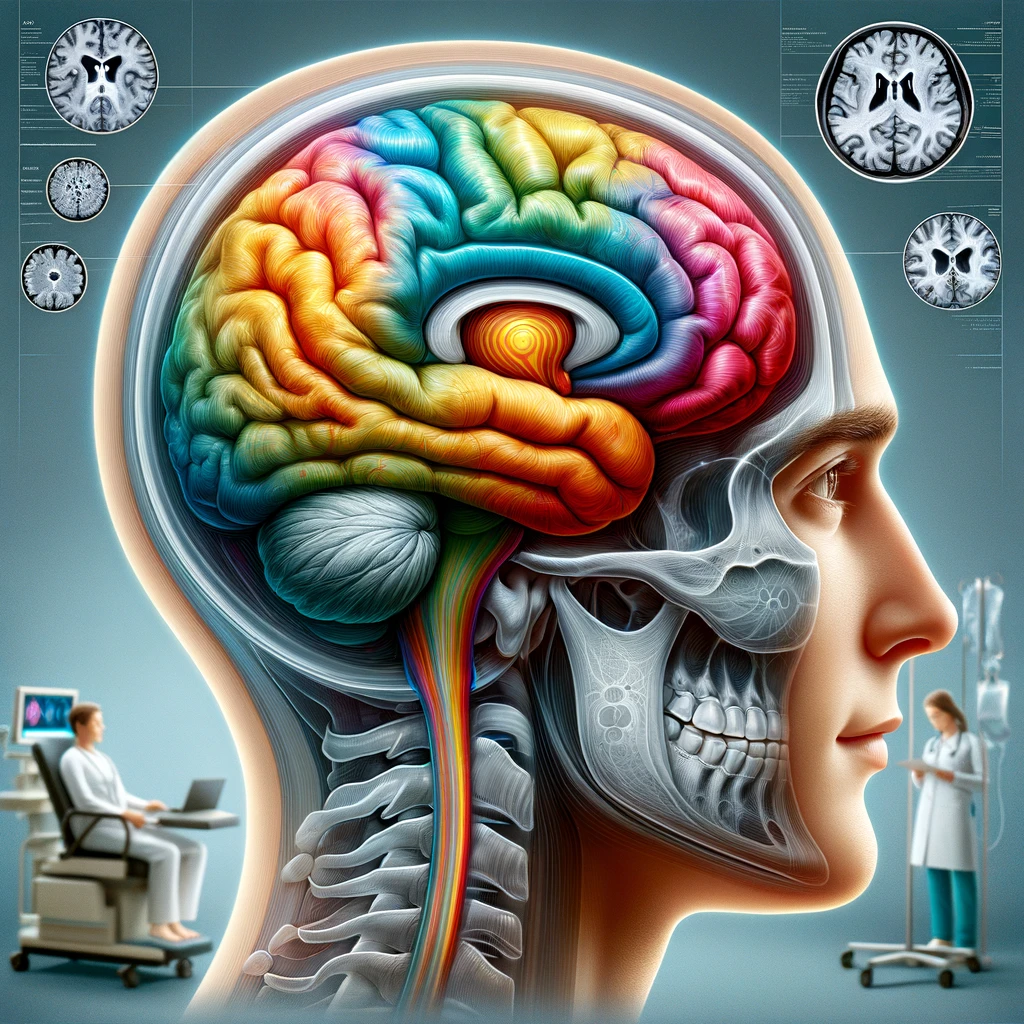

- Legal recognition of functional neurological disorder
- Challenges in disability benefit applications
- Role of medical evidence in legal proceedings
- Impacts of misdiagnosis on legal claims
- Future directions in policy and advocacy
Functional Neurological Disorder (FND) occupies a complex space within legal and medical systems due to its unique nature as a condition marked by real and disabling symptoms without a clear structural cause. Although FND is increasingly recognised in clinical settings, legal recognition remains inconsistent across jurisdictions. The discrepancy between medical validation and legal interpretation can have significant consequences for individuals seeking disability benefits or compensation.
In the United Kingdom, the Diagnostic and Statistical Manual of Mental Disorders (DSM-5) and the International Classification of Diseases (ICD-11) acknowledge FND as a legitimate diagnosis. However, legal institutions and social security systems have been slower to fully integrate this understanding into their frameworks. This delay can lead to difficulties for claimants when attempting to establish their impairment as a recognised disability under disability discrimination laws or for the purpose of obtaining state benefits.
Judicial and tribunal bodies often rely on traditional models of evidence and causation, which may not align with the contemporary neurological understanding of FND. The variability of symptoms and the historical stigma around medically unexplained conditions contribute to ongoing scepticism within legal evaluations. This in turn may impact rulings about employment disputes, access to reasonable adjustments, and eligibility for long-term disability compensation.
Efforts by medical professionals and advocacy groups to educate legal practitioners about FND are proving crucial in shifting perceptions. Some court decisions have begun to set precedents by accepting FND as a disabling condition, thereby recognising the legitimacy of claims related to employment protections and welfare entitlements. Nonetheless, achieving consistent legal recognition remains a work in progress, with outcomes often dependent on the expertise presented in each case and the jurisdiction’s openness to newer diagnostic criteria.
The evolving legal landscape concerning FND signifies an important area of intersection between health and law, demanding collaborative approaches to ensure fair treatment for those living with the disorder. A greater alignment between medical classifications and legal standards is essential to ensure individuals are not left without the necessary support due to systemic gaps in understanding and recognition.
Challenges in disability benefit applications
Applying for disability benefits with a diagnosis of FND presents a range of unique challenges that often stem from the gap between medical validation and administrative understanding. Many benefits assessors rely on criteria that favour visible or objectively measurable impairments, which poses a problem for individuals with FND whose symptoms, although real and often disabling, may not manifest in standard diagnostic tests. This disconnect makes it difficult to substantiate claims within the confines of conventional disability assessment frameworks.
Claimants with FND frequently report encountering scepticism during the application process, with decision-makers misinterpreting the absence of abnormalities on medical imaging as an absence of genuine disability. Others find the language used in assessment reports to be dismissive, reflective of a broader perception that FND is psychological rather than neurological—a mischaracterisation that can lead to altered or denied benefit outcomes. This issue is particularly acute in systems where medical documentation is used as the primary determinant of eligibility, but where assessors may lack specialist knowledge of functional conditions.
Appealing unfavourable decisions can be daunting, particularly for those experiencing severe fatigue, mobility problems, or cognitive impairments associated with FND. Legal support may be required to challenge decisions, but this introduces further complications, as representation is not always accessible or affordable. Moreover, the appeal process often demands repeated articulation of symptoms and limitations, exacerbating the emotional and physical toll on claimants already struggling with the effects of their condition.
There is also inconsistency in how different local authorities or departments interpret the medical evidence of FND. While some may recognise the condition as disabling when presented by a qualified neurologist, others may disregard these findings or require confirmation from assessors unfamiliar with the disorder. This lack of standardisation results in a geographical lottery for claimants, where access to disability benefits can hinge less on clinical status than on administrative variability.
Efforts to address these challenges include ongoing training for disability assessors, the production of medical guidelines for FND diagnosis to support documentation, and legal advocacy to ensure fair consideration of claims. Nevertheless, the current system often places the burden on individuals with FND to prove the legitimacy of their condition, despite established medical consensus. Bridging this gap between clinical understanding and legal recognition remains essential for achieving equitable access to state support and compensation schemes.
Role of medical evidence in legal proceedings
In legal proceedings involving individuals diagnosed with Functional Neurological Disorder (FND), medical evidence plays a pivotal role. As FND presents with a complex array of symptoms that are not always evidenced on conventional diagnostic tests, the interpretation and presentation of medical documentation become critical in establishing the legitimacy of claims for disability benefits or legal compensation. Courts and tribunals often look to the expertise of medical professionals to assess the degree of impairment and its impact on daily functioning, making the credibility and clarity of medical reports central to the outcome of legal cases.
Medical experts who understand FND can provide essential context that helps bridge the gap between clinical presentation and legal standards. Their testimony or written statements must carefully articulate the neurological basis of FND and its disabling effects, in order to counteract lingering biases within legal systems that may perceive the disorder as psychosomatic or exaggerated. The lack of visible lesions or abnormalities on scans requires a detailed explanation of how diagnosis is established through positive signs on examination and consistent symptom patterns, rather than through exclusion of other conditions alone.
Moreover, the multidisciplinary nature of FND management means that evidence may come from various sources, including neurologists, psychiatrists, physiotherapists, and occupational therapists. Legal decision-makers must therefore be equipped to assess diverse forms of medical input, recognising the value of therapeutic assessments in documenting functional limitations. This comprehensive evidence is crucial not only in disability claims, but also in employment disputes, personal injury cases, and eligibility determinations for insurance or pensions.
Despite advancements in clinical understanding, legal outcomes still vary widely depending on the quality and availability of medical documentation. Those without access to specialist care or support in compiling detailed evidence are particularly disadvantaged, potentially leading to delayed or denied disability claims. The burden often falls on the claimant to obtain exhaustive reports to meet the evidentiary threshold required by courts, tribunals, or benefits agencies.
In an effort to support fair legal adjudication, some advocacy organisations and professional bodies have begun producing standardised templates and guidelines for medical professionals preparing reports for individuals with FND. These resources aim to ensure consistency in how symptoms and impairments are described, enabling more accurate interpretation in a legal context. Training legal professionals on the nuances of FND is also aiding in improving their understanding of the disorder’s impact, fostering a more balanced approach to evaluating medical evidence in disability and compensation cases.
Impacts of misdiagnosis on legal claims
Misdiagnosis of Functional Neurological Disorder (FND) can significantly affect the outcome of legal claims, particularly in cases involving disability benefits or personal injury compensation. When FND is incorrectly diagnosed as another condition or dismissed altogether, individuals may be subjected to inappropriate treatments, delays in receiving proper care, or the assumption that their symptoms are fabricated or purely psychological. These misinterpretations lead to setbacks in legal proceedings where establishing a clear and verified medical diagnosis is crucial to determining eligibility for support and protection under disability law.
One of the major consequences of misdiagnosis is the undermining of credibility in court or tribunal settings. When multiple or contradictory diagnoses appear in medical records, legal authorities may question the reliability of the claimant’s account. This scepticism can influence decisions about entitlement to state disability benefits, access to employment accommodations under equality legislation, or compensation for medical negligence. It places additional burden on the claimant to resolve diagnostic ambiguity, often requiring second opinions or specialist assessments from neurologists familiar with FND.
Misdiagnosis can also result in the misapplication or outright denial of benefits due to the failure to meet specific diagnostic criteria set by benefit agencies or insurance companies. For example, if FND is incorrectly labelled as a mental health issue alone, rather than acknowledged as a neurological disorder with functional symptoms, some agencies may refuse to process the claim under neurological disability provisions. This conflation of mental and neurological categories remains a persistent legal barrier despite increasing recognition in medical frameworks such as the ICD-11 and DSM-5.
In personal injury claims, failing to accurately diagnose FND after an accident or trauma may impact the calculation of damages. A delay in diagnosis can prolong the functional impairment in the absence of appropriate therapy, worsening outcomes and increasing the cost of care over time. If this progression is not adequately documented, the compensation awarded may fall short of what would be just, particularly in cases where early intervention could have curtailed the development of long-term disability.
Furthermore, wrongful dismissal or discrimination claims related to FND hinge heavily on the clarity and accuracy of medical documentation. Employers and insurers who are presented with misdiagnosed or conflicting medical records may contest the legitimacy of absence from work, reject reasonable adjustments, or deny claims on the basis that the condition lacks sufficient medical substantiation. This not only affects the outcome of legal claims but may also deter individuals from pursuing justice due to the anticipated complexity and emotional strain of refuting a flawed diagnosis.
The legal system’s reliance on medical clarity underlines the critical importance of early and accurate diagnosis of FND. Given that legal recognition of disability, entitlement to compensation, and protection from discrimination rest on solid medical evidence, the prevalence of misdiagnosis constitutes a systemic challenge. Addressing this includes further education for healthcare providers on identifying FND correctly, wider access to functional neurological specialists, and increased awareness among legal professionals about the potential ramifications of diagnostic inaccuracy.
Future directions in policy and advocacy
Policy and advocacy efforts aimed at improving outcomes for individuals with Functional Neurological Disorder (FND) are gaining momentum as awareness of the condition expands. Future directions in this area must focus on bridging the systemic gaps between healthcare diagnosis, social support provision, and legal recognition. A central priority is the development of unified national guidelines that formally recognise FND as a disabling condition. Such guidelines would serve as a reference across medical, governmental, and judicial domains, reducing inconsistencies in how disability claims are assessed and adjudicated.
Legal reforms are also crucial to ensure that FND is embedded within disability rights legislation in a way that aligns with current medical understanding. This could include revisiting the statutory definitions of disability to explicitly include functional and non-structural neurological disorders. Implementing such changes would provide stronger legal backing for individuals seeking protection under the Equality Act 2010 or pursuing claims for reasonable adjustments in the workplace. Clarity in legal definitions would also aid courts and tribunals in making more consistent and informed decisions regarding eligibility and compliance with accessibility requirements.
Training initiatives for medical professionals, legal practitioners, and benefits assessors must continue to evolve to keep pace with emerging research into FND. Cross-disciplinary education programmes could be established to improve the consistency of assessments and enhance collaboration between medical and legal sectors. Moreover, expanding access to specialist FND services across the UK would help reduce the burden on individuals forced to validate their disability repeatedly in different institutional contexts.
Advocacy organisations have a significant role in influencing both policy change and public perception. Campaigns highlighting the realities of living with FND—particularly its impact on employment, healthcare access, and financial stability—can shape societal attitudes and encourage policymakers to treat the disorder with the same urgency as other recognised disabilities. Advocacy can also support individuals in navigating complex systems, offering guidance, legal representation, and peer support during benefits appeals, workplace negotiations, or court proceedings.
Another promising area of development is the integration of FND into compensation frameworks for personal injury and medical negligence. Formalising the inclusion of FND in compensation schemes would not only acknowledge the condition’s legitimacy but also standardise the process for assessing damages. This would better reflect the long-term effects of FND and compensate individuals fairly for disruption to their lives, careers, and personal wellbeing.
Research into FND’s socioeconomic impact can further inform future policy. By quantifying the cost of misdiagnosis, unemployment, and denied benefits, such data can serve as a compelling tool for legislators considering adjustments to disability welfare systems. Longitudinal studies on outcomes related to early diagnosis, access to therapy, and the role of multidisciplinary care could provide evidence-based guidance to refine disability assessment procedures and inform budget allocations within the social support infrastructure.
Ultimately, ensuring that individuals with FND are not marginalised within legal and policy frameworks is a matter of upholding rights, equity, and medical integrity. Future advancements must prioritise coordinated action and legislative commitment to better protect individuals and guarantee fair access to the support and compensation systems they rightly deserve.