
- Understanding functional neurological disorder in the workplace
- Flexible working hours and remote options
- Creating a supportive physical environment
- Training and awareness for colleagues and managers
- Ongoing communication and personalised support
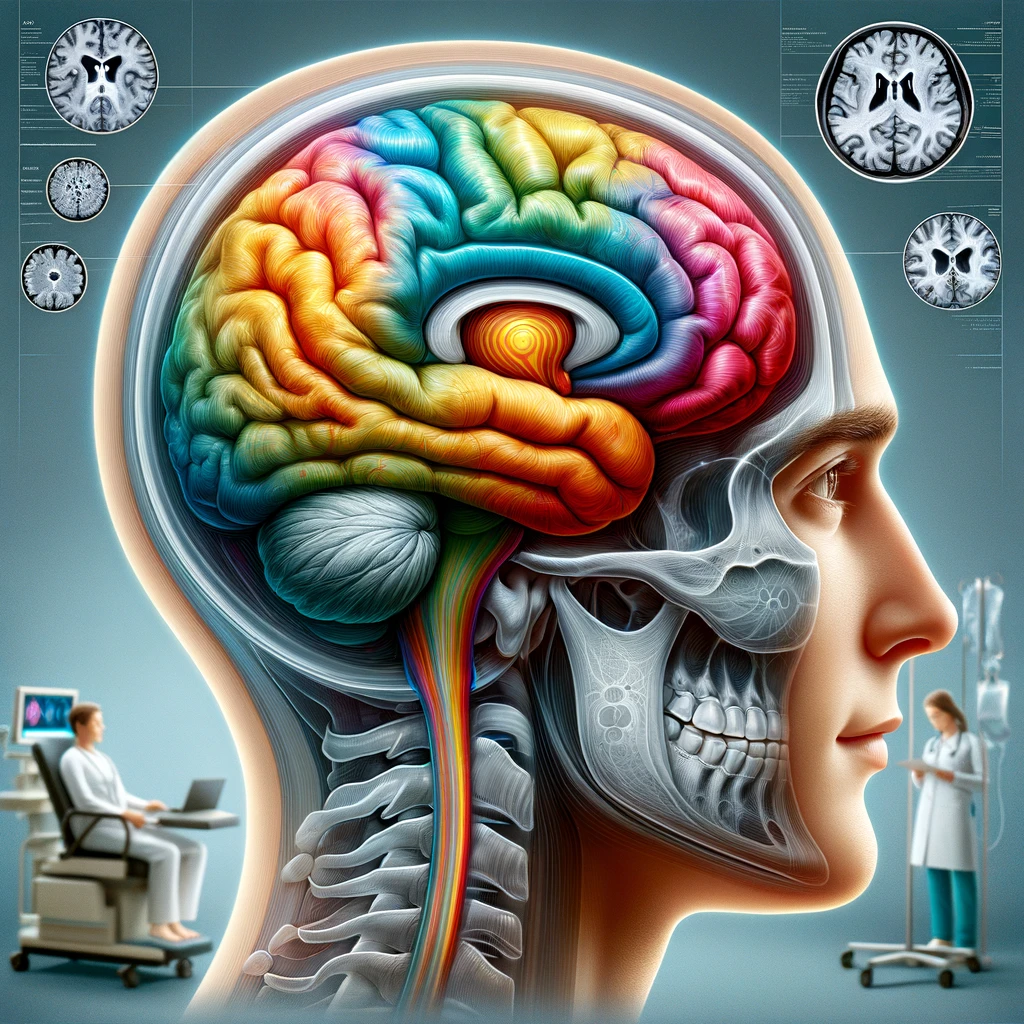
Functional Neurological Disorder (FND) is a condition where individuals experience neurological symptoms such as tremors, seizures, weakness, or problems with movement and speech, without an identifiable structural cause found on routine neurological tests. While the symptoms are real and often disabling, they arise from a functional rather than structural disruption in the nervous system. This makes FND distinct from other neurological conditions such as multiple sclerosis or epilepsy, and it can frequently be misunderstood in professional environments.
In workplace settings, this lack of visible or measurable markers for FND can sometimes lead to scepticism or underestimation of the severity of the symptoms by colleagues and line managers. This highlights the pressing need for public education and awareness to bridge the knowledge gap and ensure that the condition is taken seriously. Without appropriate workplace support, employees with FND may struggle with consistency, fatigue, and fluctuations in attention or mobility—all of which can impact their ability to perform job tasks in traditional settings.
Understanding FND also requires a shift in thinking around standard performance expectations and attendance patterns. An employee might appear physically well on some days and significantly impaired on others. This variability is a core characteristic of the disorder and not an indication of lack of effort or commitment. Employers need to recognise that with the right accommodations, people living with FND can continue to contribute effectively and thrive in their roles.
Providing workplace support for individuals with FND begins with acknowledging the legitimacy of the condition and implementing reasonable adjustments tailored to needs that may vary over time. A collaborative approach that includes input from the individual, occupational health professionals, and management is essential to create a more inclusive and understanding work culture.
Flexible working hours and remote options
One of the most effective forms of workplace support for individuals with FND is the implementation of flexible working hours and remote work options. Given the unpredictable and fluctuating nature of the condition, rigid schedules and fixed environments can often exacerbate symptoms or make it difficult for employees to function optimally. By offering autonomy over their working hours, employers can empower staff living with FND to manage energy levels, avoid symptom triggers, and meet performance expectations in a way that supports both health and productivity.
For many with FND, symptoms may be more severe at specific times of day or in response to particular stressors such as commuting during peak hours, navigating crowded office spaces, or adhering to long, back-to-back meetings. With flexible working hours, employees have the opportunity to structure their day in a way that aligns with their functional capacities. This might mean starting later in the morning, taking additional breaks throughout the day, or spreading out longer tasks to reduce fatigue and cognitive overload.
Remote working can also play a vital role in supporting individuals with FND. The physical and cognitive demands of commuting can trigger or worsen neurological symptoms. Allowing staff to work from home, even if only part time, can significantly reduce stressors linked to environmental noise, office lighting, and other sensory stimuli that may contribute to symptom flare-ups. A home-based setting often allows for better control over these variables, leading to improved symptom management and overall wellbeing.
It’s important that line managers engage in open dialogue with affected employees to identify which aspects of flexible or remote working might be most beneficial. Workplace support for FND, in this context, should not follow a one-size-fits-all model. For example, some individuals may need to vary their location or working hours on a weekly basis depending on the severity of their symptoms, while others may benefit from a more consistent part-time remote arrangement. Personalised adjustments not only demonstrate an employer’s commitment to inclusion, but they also help retain valuable talent.
When combined with broader public education and awareness surrounding FND in professional settings, these adjustments can create more equitable work environments. They help dispel misconceptions about reliability or capability and set a standard for responsive and empathetic workplace policies. Ultimately, through flexible hour arrangements and the option to work remotely, employers can foster a culture in which all employees feel valued and supported in managing health alongside professional responsibilities.
Creating a supportive physical environment
Designing a physical workplace that considers the needs of individuals with Functional Neurological Disorder (FND) is key to fostering inclusion and ensuring employee wellbeing. Many FND symptoms—such as fatigue, sensory sensitivity, motor dysfunction, and difficulties with coordination—can be triggered or worsened by certain environmental factors. Therefore, adjustments to the physical space can play a fundamental role in workplace support for employees managing the condition.
Quiet zones and low-stimulation areas can provide essential refuge for employees experiencing sensory overload. Bright lights, constant background noise, and high levels of activity may exacerbate symptoms such as tremors or dissociative episodes. Installing adjustable lighting or using softer tones, offering noise-cancelling headphones, or creating dedicated quiet rooms can significantly help individuals maintain focus and comfort throughout the working day.
Ergonomic furniture and flexible workstations can also support those with physical symptoms such as muscle weakness or coordination issues. Chairs with proper back support, adjustable desks, and assistive equipment like keyboard stands or specialised mouse devices allow employees to manage physical stress more effectively and work in a pain-reducing posture. For some, standing desks or spaces where they can move around at intervals may aid in symptom regulation and reduce the impact of prolonged sitting or rigid posture.
Proximity to amenities is another important factor. Access to nearby toilets, seating areas, kitchenettes, and designated first aid stations can be vital for those with fluctuating strength or sudden symptom onset. Employers may also consider allocating parking spaces closer to building entrances or offering transport support for those struggling with mobility. These seemingly small adjustments can have a substantial impact on daily comfort and functioning.
It’s equally critical to recognise that certain environmental triggers are unique to the individual, so any physical adaptation should be based on open dialogue. Some employees may experience symptoms in response to specific visual patterns, temperature changes, or even rapid movement around them. In such cases, custom solutions—like positioning desks away from busy corridors or allowing use of personal fans or heaters—can make a working environment far more manageable.
Creating this kind of inclusive space involves not only physical changes but a culture of awareness and respect. Public education campaigns within organisations can help colleagues understand why these adjustments are required, countering misconceptions and reducing stigma. When team members are aware that an individual may retreat to a quiet room or use adaptive tools at their workstation due to FND, empathy and acceptance are more likely to follow.
Ultimately, a supportive physical environment reflects a broader commitment to employee wellbeing. It’s part of a comprehensive approach to workplace support that acknowledges the unique barriers posed by neurological conditions like FND. By designing environments that are adaptable and responsive, employers are better placed to unlock the full potential of every team member, regardless of their health challenges.
Training and awareness for colleagues and managers
Building meaningful workplace support for individuals with Functional Neurological Disorder (FND) hinges largely on the level of understanding and sensitivity displayed by colleagues and management. Because FND is often invisible and poorly understood, public education and awareness initiatives targeted within the workplace are essential. These can address misconceptions, foster empathy, and ensure that support strategies are implemented consistently and compassionately.
Training sessions tailored specifically for teams working alongside individuals with FND can cover the nature of the condition, common symptoms, and appropriate ways to respond. For example, colleagues may benefit from understanding that symptoms such as non-epileptic seizures, sudden weakness, or cognitive fog are neurologically real and not a performance issue. This knowledge helps to challenge stigma, build trust, and encourage a more constructive team dynamic that supports mutual respect and collaboration.
Managers, in particular, play a pivotal role in setting the tone for workplace inclusion. Providing them with specialised guidance can help ensure that policies around reasonable adjustments are applied fairly and responsibly. Practical training for managers might include guidance on conducting sensitive conversations about health needs, documenting agreed adjustments, and creating contingency plans if symptoms fluctuate. Having these tools enables managers to respond proactively rather than reactively, emphasising care and continuity rather than crisis interventions.
Regular awareness campaigns—whether through internal newsletters, posters, or staff events—help reinforce the importance of invisible disability inclusion across the organisation. These efforts not only raise the profile of FND but also signal a wider commitment to neurodiversity and mental health within the company. When combined with inclusion-focused leadership, they encourage a culture where employees feel safe to self-disclose their condition, knowing they are likely to be met with understanding and practical help.
Peer support initiatives can also be valuable in promoting empathy and reducing isolation. Buddy systems, staff networks, or informal mentoring arrangements allow people with lived experience of chronic or neurological conditions to support one another and share effective coping strategies. Training can enable colleagues to participate in these schemes confidently and with the appropriate language and behavioural awareness necessary for these roles.
Ultimately, enhancing public education and awareness within the workplace is about creating an informed environment, where adjustments are understood not as special favours but as essential enablers of equality. With the right training, team members and managers can become advocates for workplace support, helping to remove barriers and improve everyday experiences for employees living with FND. This cultural shift, when embedded into ongoing professional development, strengthens organisational resilience and leads to more inclusive and productive workspaces for all.
Ongoing communication and personalised support
Regular and open communication is at the heart of effective workplace support for employees with Functional Neurological Disorder (FND). Given the fluctuating nature of the condition, employees may experience changes in symptom severity over time. This underlying variability makes it essential for employers to create a culture where staff feel comfortable discussing their health needs without fear of judgement or repercussion. Open dialogue is not only respectful but also enables proactive and timely adjustments that keep the employee engaged and productive.
Employers should aim to establish clear and compassionate communication channels. Scheduled check-ins between managers and employees affected by FND provide opportunities to assess whether existing accommodations are still suitable and to introduce new measures if necessary. These conversations should be two-way, allowing the employee to express concerns or preferences, while the manager can offer support and problem-solving strategies. Importantly, these discussions should remain flexible and confidential, respecting the individual’s autonomy and comfort level around disclosure.
Personalised support plans are particularly effective for managing the diverse impacts of FND. These plans might include agreed adjustments such as flexible start times, modified duties, or designated recovery periods following episodes of neurological symptoms. Developing these support plans collaboratively ensures they are based on actual needs rather than assumptions. Input from occupational health professionals, where appropriate, can add further insight and help structure plans in a way that aligns with both clinical guidance and organisational responsibilities.
The value of personalised support extends beyond formal adjustments. It also includes informal considerations such as identifying early signs of symptom exacerbation and encouraging the employee to take breaks or modify tasks accordingly. Fostering this type of responsive, human-centred approach relies heavily on fostering mutual trust—something that can only be built through consistent, empathetic communication. Managers trained in understanding FND and invisible disabilities are better positioned to navigate these dynamics constructively.
Communication about individual adjustments should also be aligned with broader awareness efforts across the organisation. Public education and awareness initiatives can reduce stigma and improve understanding among wider teams, making it easier for employees with FND to disclose their condition and seek the support they need. When colleagues are aware of the relevance of workplace support for FND, they are more likely to respond with empathy and accommodation rather than doubt or exclusion.
It’s important to note that personalised support must remain adaptable. What works well during one phase of the employee’s health journey may need refinement later. For this reason, review mechanisms should be built into the support process, allowing for ongoing evaluation and updated responses. Employers who demonstrate a willingness to continuously tailor their approach—rather than providing a one-time accommodation—are more likely to sustain positive outcomes for both the employee and the organisation.
Ultimately, the aim is to ensure that individuals with FND are not merely functioning, but thriving in their roles. By embedding communication and support practices into HR protocols and management strategies, organisations not only fulfil legal and ethical obligations but actively contribute to a culture of inclusion. These practices send a clear message: that the workplace is a safe space for everyone, regardless of health status, and that performance and potential are not diminished by the presence of a neurological condition.