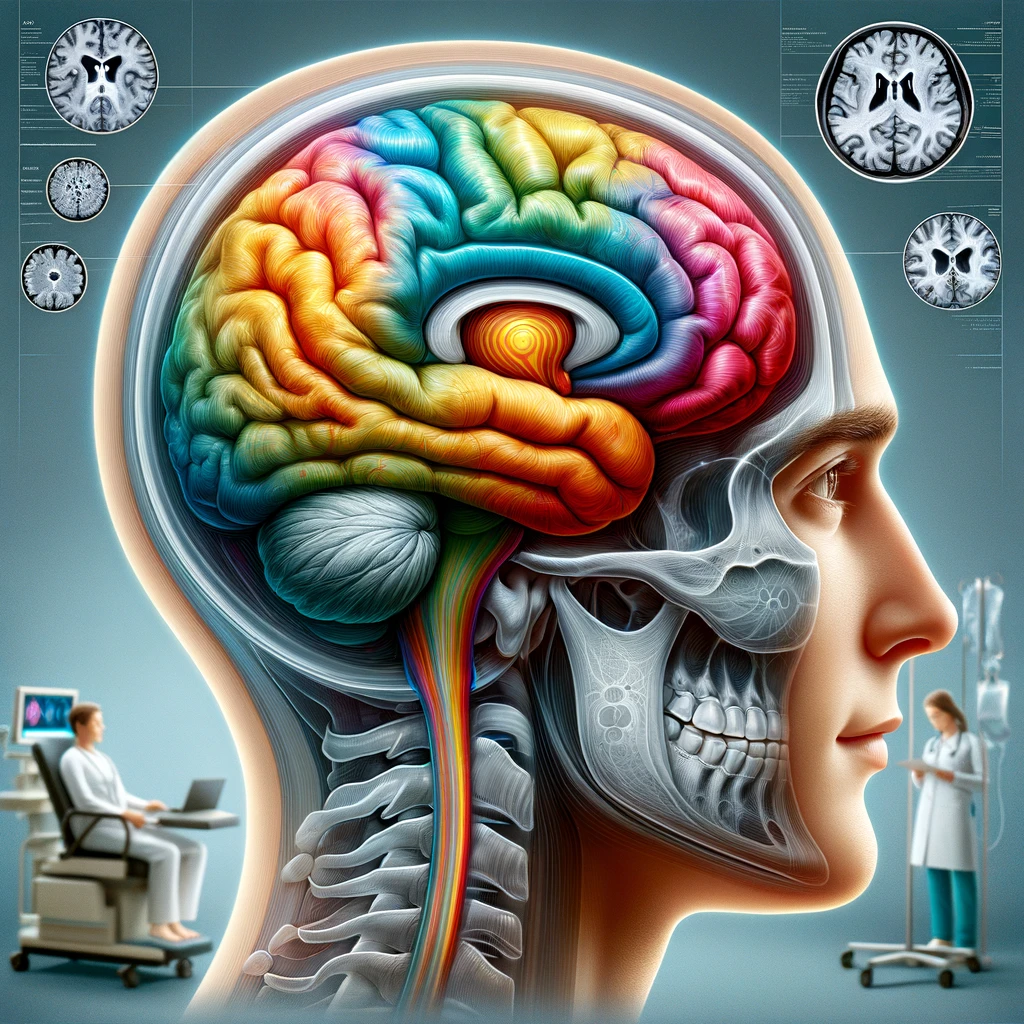

- Clinical presentation of functional neurological disorder and epilepsy
- Diagnostic criteria and challenges in seizure disorders
- EEG findings in epileptic versus functional seizures
- Advances in EEG techniques and their diagnostic value
- Implications for treatment and patient management
Functional neurological disorder (FND) and epilepsy both present with episodes that may appear strikingly similar in a clinical context, often characterised by motor, sensory, and behavioural alterations. However, subtle features within the presentation can aid clinicians in discerning between the two, which is crucial as their management and prognostic implications differ considerably. Epileptic seizures typically result from abnormal, excessive neuronal discharges in the brain, frequently demonstrating stereotypical behaviour, postictal confusion, and tongue biting. In contrast, dissociative or nonepileptic seizures—seen in FND—tend to display more variability in movement, asynchronous limb thrashing, prolonged duration, and preserved awareness or responsiveness during the event.
Patients with FND often report a history of psychological stressors, trauma, or coexisting psychiatric conditions, which may further guide the clinician. The onset of symptoms in FND is commonly abrupt and may not conform to established neuroanatomical patterns. Conversely, epilepsy often manifests as recurrent seizures with relatively consistent triggers and warning signs, such as auras or automatisms. While patients with epilepsy may experience confusion or amnesia post-seizure, individuals with FND tend to recover immediately after an episode, sometimes exhibiting rapid reorientation, which can raise suspicion for a non-epileptic cause.
From a clinical observation standpoint, video recordings provided by family members or captured during a video-EEG study can be particularly informative. Features such as side-to-side head movements, eye closure during the event, and waxing and waning motor activity tend to favour a diagnosis of FND. Importantly, clinicians should be mindful that both conditions can coexist, with some patients experiencing both epileptic and non-epileptic seizures, further complicating the diagnostic process. As such, careful clinical observation, detailed history taking, and corroborative investigations including EEG remain indispensable diagnostic tools.
Diagnostic criteria and challenges in seizure disorders
Establishing an accurate diagnosis between functional neurological disorder (FND) and epilepsy is often clinically demanding, due in part to the overlapping manifestations of seizure-like episodes. The diagnostic criteria for epilepsy rely on the demonstration of recurrent, unprovoked seizures typically substantiated through electroclinical correlation — that is, the combination of clinical observations and corresponding findings on EEG. In contrast, FND-related seizures, often referred to as psychogenic nonepileptic seizures (PNES), are diagnosed primarily by the exclusion of neurological pathology and the presence of positive signs consistent with functional symptoms.
One core challenge lies in the limitations of current diagnostic tools. Standard EEG may fail to capture the ictal patterns of epilepsy if seizures are infrequent or arise from regions of the brain not easily accessed by surface electrodes. Meanwhile, in individuals with FND, EEG readings during attacks usually remain normal, reinforcing the episodic nature of the non-epileptic events. However, this absence of abnormalities on EEG can be misinterpreted, especially in patients with deep-seated epileptogenic foci or in cases where the sensitivity of routine EEG is insufficient. Consequently, EEG findings should always be interpreted in conjunction with clinical data and patient history to avoid diagnostic errors.
A further complicating factor is the frequent misdiagnosis that occurs when clinical features are heavily relied upon without the benefit of prolonged video-EEG monitoring. Studies suggest that patients with FND may live for years with an incorrect diagnosis of epilepsy, undergoing unnecessary medication regimens and suffering related side effects. Conversely, a missed diagnosis of epilepsy in favour of FND may delay critical treatment, increasing the risk of seizure-related morbidity. Video-EEG telemetry has thus become the gold standard for differentiating between epileptic and non-epileptic seizures, enabling clinicians to observe the motor and behavioural characteristics of episodes in tandem with cerebral electrical activity.
Mental health comorbidities and psychosocial factors further complicate the diagnostic landscape. Patients with FND often exhibit histories of trauma, anxiety, or depression, but such conditions can also be present in individuals with epilepsy, obscuring psychosocial cues that might otherwise aid in differentiation. Additionally, the coexistence of both epilepsy and FND in the same patient is a recognised phenomenon, particularly in those with treatment-resistant seizures. This dual diagnosis demands an especially nuanced approach to interpretation of EEG data and clinical narratives.
Clinicians must be vigilant when interpreting episodic events and weigh them against a holistic understanding of patient history, symptomatology, and EEG results. Reaching an accurate diagnosis demands not only advanced diagnostic tools like prolonged video-EEG but also interdisciplinary collaboration. Neurologists, psychiatrists, and epilepsy specialists must often work together to disentangle the overlapping threads of neurological and functional conditions to guide appropriate management and improve patient outcomes.
EEG findings in epileptic versus functional seizures
EEG remains one of the most critical diagnostic tools in differentiating epilepsy from functional neurological disorder (FND), particularly when seizures are the presenting symptom. In cases of epilepsy, EEG typically reveals ictal and interictal epileptiform discharges—such as spikes, sharp waves, or spike-and-wave complexes—that correlate with the clinical semiology of seizures. These findings are observed consistently in temporal or frontal lobe epilepsy and confirm the presence of abnormal cortical excitability. Conversely, episodes related to FND generally do not demonstrate these features; instead, the EEG during such events remains normal, with background rhythms preserved and no signs of paroxysmal discharges.
One distinguishing factor on EEG during epileptic seizures is the presence of rhythmic, evolving discharges that correspond temporally with the clinical seizure activity. These changes typically follow a progression: onset, build-up, maximum intensity, and a postictal phase characterised by slowing or suppression of activity. In contrast, during functional seizures, there is usually an absence of any such ictal evolution. Even when the clinical manifestations are dramatic, such as convulsive movements or apparent unresponsiveness, the EEG remains unchanged, which supports a diagnosis of FND.
Interictal EEG in patients with epilepsy may offer diagnostic clues, even in the absence of an actual seizure during the recording. Epileptiform abnormalities found between seizures can signal an underlying tendency for epileptic activity. Functional seizures, however, display no such interictal markers, which increases the diagnostic confidence in favour of a non-epileptic event when clinical evidence is consistent. That said, not all patients with epilepsy exhibit interictal findings on routine EEG, which limits its sensitivity and underscores the importance of prolonged video-EEG monitoring for a definitive assessment.
Video-EEG telemetry continues to be the gold standard in differentiating these conditions as it simultaneously captures behavioural manifestations and corresponding cerebral electrical activity. In functional seizures, the motor activity seen on video is dissociated from the EEG trace—no ictal activity is observed despite overt clinical symptoms. This dissociation is a key diagnostic marker supporting FND. Patterns such as side-to-side head movements, pelvic thrusting, or prolonged duration without EEG correlates may further indicate a functional origin.
Another consideration in EEG interpretation is the physiologic phenomena introduced by voluntary or involuntary movement. In FND, artefacts from muscle contractions can create high-frequency noise on the EEG that must not be mistaken for pathological activity. Expert interpretation is needed to distinguish true epileptiform discharges from motion-related distortions. An EEG technologist’s annotations and synchronised video footage are essential to this process, enabling accurate correlation of EEG changes with observed events.
When evaluating seizures that are atypical or resistant to treatment, clinicians must also consider the possibility of coexisting epilepsy and FND—a recognised but diagnostically challenging scenario. In such cases, EEG may capture genuine epileptic discharges on some occasions, and normal traces during other symptomatic episodes, reflecting a dual pathology. Careful analysis and repeated EEG monitoring may be necessary to disentangle these conditions and guide appropriate therapeutic interventions.
Correct interpretation of EEG findings, particularly within the context of the clinical picture and patient history, is paramount to achieving an accurate diagnosis. While EEG is an indispensable diagnostic tool in the evaluation of seizure disorders, its true utility is maximised only when integrated within a comprehensive, multidisciplinary diagnostic process.
Advances in EEG techniques and their diagnostic value
Recent advancements in EEG technology have significantly enhanced the ability to differentiate between epilepsy and functional neurological disorder (FND), offering greater precision in clinical diagnosis. Traditional EEG, while valuable, often lacks the sensitivity required for complex or elusive seizure types, particularly when events are infrequent or arise from deep cortical regions. As a result, newer methodologies and enhancements in data acquisition and interpretation have emerged as pivotal diagnostic tools in improving accuracy and reducing misdiagnoses.
One noteworthy development is the expansion and refinement of prolonged video-EEG monitoring. These extended recordings allow clinicians to capture ictal events across varied contexts and timescales, increasing the likelihood of recording a representative seizure. The synchronisation of behavioural data with high-resolution EEG traces enables a detailed correlation between motor activity and cerebral function, which is particularly useful in identifying FND—where clinical episodes display no corresponding electrical abnormality. This dissociation remains a fundamental indicator of non-epileptic seizures and becomes evident with high-quality video-EEG data.
Advances in ambulatory EEG have also contributed to more accessible and patient-friendly diagnostic approaches. These portable systems allow for continuous, real-life EEG monitoring over several days in non-hospital settings, which is especially useful for capturing sporadic events. For patients with suspected FND or whose seizures are context-dependent, such as stress-induced episodes, ambulatory EEG offers an improved opportunity to detect typical behavioural patterns in natural environments, enhancing diagnostic sensitivity.
In addition to extended recording capability, innovations in EEG signal analysis have further refined diagnostic performance. Tools such as automated seizure detection algorithms, machine learning models, and artificial intelligence (AI) applications have been developed to assist in identifying subtle epileptiform features. While these technologies are still evolving, their integration into clinical practice can reduce the burden on EEG specialists and decrease inter-observer variability, offering consistent assessment across diverse presentations. These capabilities are particularly helpful in navigating complex cases where epilepsy and FND may coexist, as they allow for more nuanced differentiation between episodes with and without neurophysiological correlates.
Functional imaging combined with EEG, such as EEG-fMRI and EEG source localisation, has also revealed promising diagnostic value. EEG-fMRI, which maps brain activity during seizure episodes by detecting haemodynamic changes, offers insight into the underlying neural networks involved. In epileptic seizures, focal activation patterns can often be seen, correlating with the seizure onset zone. FND, on the other hand, is associated with distinctive, non-epileptiform patterns of brain activation—often involving areas linked to self-awareness and emotional regulation—which can support diagnostic conclusions when routine EEG findings are inconclusive.
High-density EEG (hdEEG) is another technological advancement that improves spatial resolution by using a larger number of electrodes than standard 10-20 systems. This allows for more precise localisation of epileptic activity and better identification of subtle abnormalities. While currently more common in research contexts, as hdEEG becomes more accessible, its diagnostic utility in distinguishing epilepsy from FND is likely to grow, especially in cases involving ambiguous or mixed symptomatology.
Importantly, the integration of these advanced EEG techniques into multidisciplinary epilepsy care centres ensures that their benefits are applied within a broader, clinically guided diagnostic strategy. Interdisciplinary review meetings, where EEG data are analysed in conjunction with clinical, psychological, and neuroimaging inputs, help contextualise findings and avoid over-reliance on EEG alone. This approach is crucial, as even with state-of-the-art technology, FND remains a diagnosis grounded in positive clinical signs and corroborated by the absence of neurophysiological features typical of epilepsy.
As diagnostic tools continue to evolve, the role of EEG in differentiating FND from epilepsy is becoming increasingly nuanced and robust. While technology does not replace clinical judgement, these advancements empower clinicians with better data, ultimately improving patient care by supporting timely and accurate diagnosis, and guiding appropriate therapeutic pathways.
Implications for treatment and patient management
Effective treatment and patient management depend critically on accurate diagnosis, and the distinction between functional neurological disorder (FND) and epilepsy carries profound implications for therapeutic strategies. Misdiagnosis not only delays appropriate intervention but can also lead to significant psychosocial burden, inappropriate medication use, and diminished quality of life. EEG plays a decisive role as one of the primary diagnostic tools in this clinical differentiation, guiding clinicians towards tailored management pathways for each condition.
For patients diagnosed with epilepsy, the management strategy typically includes antiepileptic drugs (AEDs), lifestyle modifications, and, in some cases, surgical interventions or neurostimulation. The therapeutic objective is to control or reduce seizure frequency while minimising medication side effects. Accurate EEG findings support the selection of appropriate AEDs and help classify the epilepsy syndrome, influencing decisions such as medication choice, prognostic expectations and follow-up planning.
In contrast, patients with FND require a fundamentally different management approach rooted in education, psychological support, and rehabilitative therapies. Once the diagnosis is clearly established—often via EEG findings that demonstrate the absence of epileptiform activity during episodes—effective communication of the diagnosis becomes the first therapeutic step. Educating patients about FND in a compassionate, non-stigmatising manner can significantly improve outcomes and enhance engagement with recommended treatments.
Cognitive behavioural therapy (CBT) and physiotherapy are among the most evidence-based interventions for managing FND. CBT helps address maladaptive thoughts and behaviours, while functional physiotherapy focuses on retraining movement patterns and reducing symptom-related disability. Coordinated interdisciplinary care, involving neurologists, psychologists, physiotherapists, and occupational therapists, is often necessary to implement a comprehensive treatment plan that addresses both the functional symptoms and any coexisting psychological factors.
Many patients with FND have been previously prescribed AEDs under an incorrect diagnosis of epilepsy, sometimes for years, leading to unnecessary exposure to side effects without therapeutic benefit. Discontinuing such medications, though essential, must be carefully managed under medical supervision to avoid withdrawal effects and to maintain patient trust in the new diagnostic framework. Similarly, in suspected cases where both FND and epilepsy co-occur, clinicians must adopt a dual management approach, ensuring that genuine epileptic seizures are controlled pharmacologically while functional events are treated through non-pharmacologic strategies.
Regular follow-up and reassessment are essential elements of both treatment models. In epilepsy, ongoing monitoring via EEG or seizure diaries helps assess treatment efficacy and may inform adjustments in drug regimens. For FND, tracking functional improvement and psychological wellbeing can guide the pace of therapy progression and identify any need for adjunctive interventions. Additionally, given that FND symptoms can be influenced by stress, trauma, or secondary gain, psychosocial support remains a core part of sustained management and relapse prevention.
The role of the clinician extends beyond diagnosis into advocacy and coordination of care. Patients with FND often face scepticism, delayed referrals, or fragmented care pathways. Ensuring timely access to appropriate therapies hinges on clinician awareness, adequate training, and systemic support for functional neurological presentations. Incorporating structured patient education modules and support groups can also reinforce positive treatment outcomes and reduce feelings of isolation or invalidation.
Ultimately, distinguishing FND from epilepsy using diagnostic tools such as EEG not only sharpens diagnostic accuracy but also profoundly influences the patient’s treatment trajectory. Tailoring interventions accordingly ensures that each patient receives the most appropriate and effective care while avoiding therapeutic missteps that could compromise recovery and quality of life.