
- Understanding functional neurological disorder
- Clinical features of non-epileptic seizures
- Diagnostic approaches and challenges
- Management and treatment strategies
- Improving awareness and reducing stigma
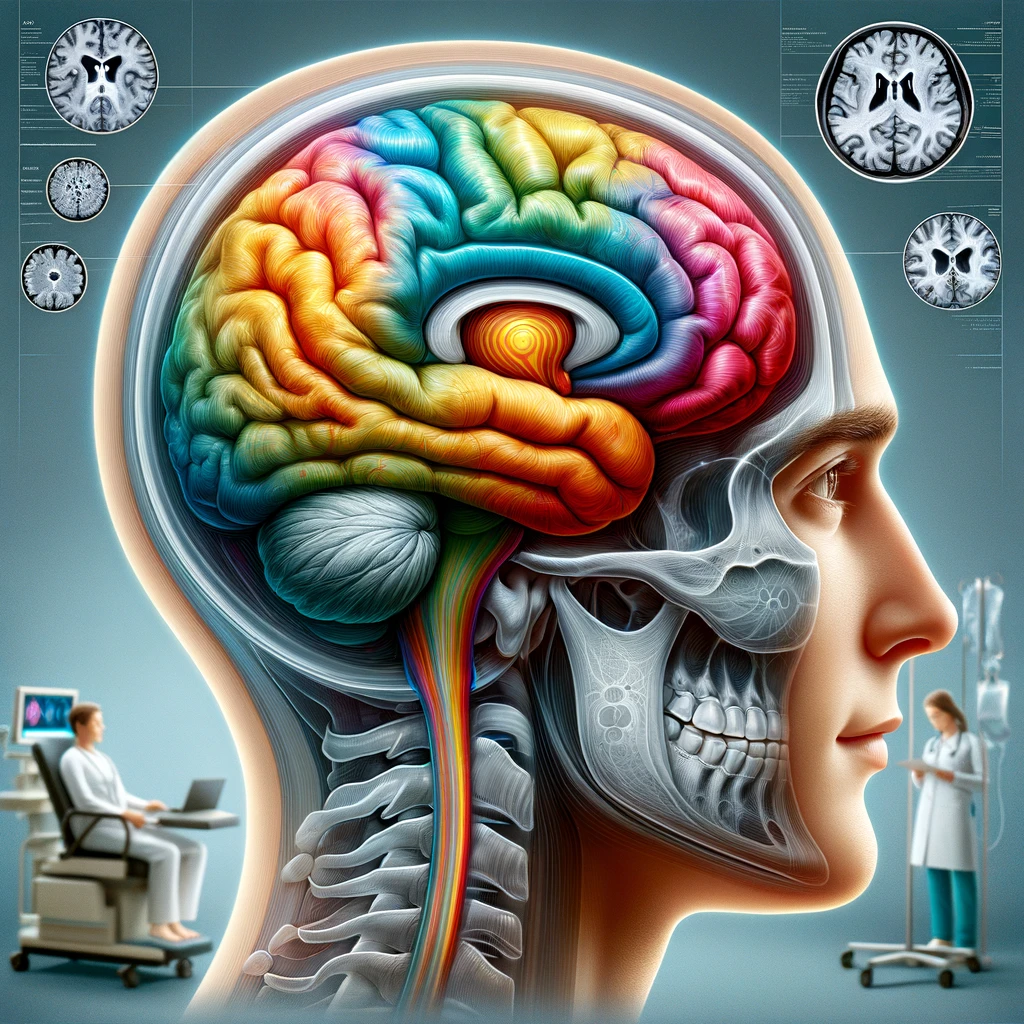
Functional neurological disorder (FND) is a condition in which patients experience neurological symptoms that cannot be attributed to a recognised structural disease or lesion. These symptoms are real and can be profoundly disabling, yet they arise from abnormalities in nervous system functioning rather than physical damage to the brain or nerves. FND can affect movement, sensation, and consciousness, making it a complex and often misinterpreted condition.
An essential feature of FND is the brain’s inability to send or receive signals correctly, leading to symptoms such as weakness, tremors, abnormal gait, and episodes resembling epileptic seizures—commonly referred to as non-epileptic seizures. These manifestations are not consciously produced by the patient and are not indicative of malingering or fabrication, though such assumptions have historically contributed to misunderstanding and stigma.
The underlying mechanisms of FND are believed to involve a dysfunctional interplay between psychological, neurological, and physiological processes. This includes disrupted connectivity between brain regions involved in emotion regulation, movement, and perception. While the origin of FND may involve past trauma or stress in some individuals, it is increasingly recognised that these factors are not universally present, and FND can occur in individuals without any clear psychological trigger.
One of the defining aspects of understanding FND is its reversibility. Unlike degenerative neurological conditions, symptoms of FND have the potential to significantly improve or resolve with appropriate treatment. However, successful outcomes rely heavily on early diagnosis, patient awareness, and multidisciplinary care. A correct diagnosis, delivered with empathy and clarity, can validate the patient’s experience and begin the process of recovery. Misdiagnosis or dismissiveness, on the other hand, may delay treatment and exacerbate distress.
FND’s prevalence is comparable to that of multiple sclerosis or Parkinson’s disease, yet it remains poorly understood among both the public and healthcare professionals. Enhancing healthcare education is critical to improving recognition and management. When clinicians are informed about FND, they are more equipped to identify the condition early, explain it accurately, and guide patients towards evidence-based interventions. Fostering an informed view among healthcare teams can also reduce the risk of unnecessary investigations and performative procedures that may reinforce symptoms.
Increased research into the neurobiology of FND is shedding light on how and why symptoms develop. Functional imaging studies have demonstrated altered brain activity in patients with FND, particularly in areas governing attention, motor control, and emotion. These findings support the view that FND is rooted in brain function rather than mental illness, and this paradigm shift is gradually influencing how the medical community approaches the condition.
Ultimately, recognising FND as a legitimate and treatable neurological disorder is the first step in improving outcomes. Promoting early recognition, coupled with patient-centred communication and accessible treatment pathways, can foster long-term recovery and better quality of life for those affected.
Clinical features of non-epileptic seizures
Non-epileptic seizures (NES), often associated with functional neurological disorder (FND), present with a variety of clinical features that can closely mimic epileptic seizures, making diagnosis particularly challenging. Unlike epileptic seizures, which are caused by abnormal electrical activity within the brain, NES are not related to such activity and instead reflect alterations in brain function. Despite their non-epileptic origin, these episodes are involuntary, often dramatic, and can be distressing both for the individuals experiencing them and for healthcare providers attempting to interpret their cause.
Typical manifestations of NES may include sudden episodes of uncontrollable movements, such as thrashing or shaking, altered levels of consciousness, and unresponsiveness. Other common observations include side-to-side head movements, asynchronous limb activity, weeping or vocalisations during the seizure, and long duration of symptoms compared to epileptic events. Additionally, patients with NES often do not experience the postictal confusion or fatigue that follows an epileptic seizure, and injury during episodes is less common due to a present, albeit impaired, awareness of the surroundings.
Episodes often occur in specific situations, such as high stress or emotional arousal, and may be preceded or accompanied by signs of psychological distress. Dissociative symptoms—where the person feels detached from their thoughts, feelings, or body—are frequently reported. However, despite these psychological elements, the seizures are not consciously produced and must not be mistaken for malingering or feigned illness. It is crucial to understand that patients with FND are not acting; their symptoms are very real and can be as disabling as any other neurological condition.
Recurrent NES can have a significant impact on a person’s daily life, leading to loss of employment, social isolation, and difficulty maintaining relationships. Furthermore, repeated emergency visits, often in search of answers, may increase emotional distress and reinforce the cycle of illness, particularly in the absence of a proper diagnosis. Patient awareness and effective communication about the nature of FND are essential in such cases to reduce anxiety and increase understanding of the condition.
Healthcare education plays a pivotal role in identifying and differentiating NES from epileptic seizures. Training clinicians to recognise the subtle differences in presentation and to approach patients with empathy and appropriate reassurance can dramatically improve outcomes. Clinicians’ understanding of the condition helps minimise unnecessary medications—especially anti-epileptic drugs, which are often ineffective for NES—and facilitates timely referral to relevant services, such as neurology or specialised psychological support.
Recognition of NES should also prompt an evaluation of wider functional or psychological symptoms that may co-exist in the context of FND, such as limb weakness, non-dermatomal sensory loss, or speech disturbances. These associated features can further support the diagnosis and highlight the need for a multidisciplinary approach to management. By improving healthcare education and affirming the legitimacy of FND, clinicians can create a more supportive diagnostic environment that validates the patient experience and opens pathways for recovery.
Diagnostic approaches and challenges
Diagnosing non-epileptic seizures (NES) within the context of functional neurological disorder (FND) involves a nuanced and often complex process, given the symptomatic overlap with epileptic seizures. One of the core challenges in diagnosis lies in distinguishing NES from true epileptic events, especially when clinical presentations are dramatic and may involve convulsions, altered consciousness, and emotional distress. As such, a high level of clinical suspicion, coupled with systematic evaluation, is necessary to avoid misdiagnosis and to ensure appropriate management.
Video electroencephalogram (video-EEG) monitoring remains the gold standard for differentiating NES from epileptic seizures. This diagnostic tool allows clinicians to correlate physical symptoms with brain activity, often revealing normal EEG readings during observable episodes in patients with NES. While conclusive, access to prolonged video-EEG can be limited due to availability or resource constraints, resulting in diagnostic delays. In the absence of this test, clinicians must rely on a thorough patient history, eyewitness accounts, and the assessment of seizure characteristics—such as duration, motor patterns, triggers, and recovery phase—to guide diagnosis.
One of the pivotal challenges in making an accurate diagnosis is the persistence of outdated views that wrongly associate NES with conscious control, attention-seeking behaviour, or psychological weakness. Such misconceptions, which still permeate some areas of clinical practice, risk contributing to a dismissive attitude and further deepen the stigma associated with FND. Indeed, lack of healthcare education about the nature of FND continues to impede timely and accurate diagnosis. Encouragingly, educational initiatives targeting both clinicians and trainees are beginning to bridge this knowledge gap, promoting a more empathetic and evidence-based approach.
Another complicating factor is the frequent co-existence of epilepsy and NES in some patients. Studies indicate that a significant proportion of individuals with NES also have a history of epileptic seizures, adding an additional layer of diagnostic complexity. In these dual-diagnosis cases, it becomes essential to disentangle the two conditions to tailor treatment appropriately and to prevent unnecessary prescription of anti-epileptic medications for non-epileptic episodes.
Patient awareness is critical in the diagnostic journey. Providing patients with a clear explanation of the diagnosis—delivered in a non-stigmatising and validating manner—can enhance acceptance and improve engagement with subsequent treatment plans. A confident and compassionate diagnosis not only reassures the patient that their symptoms are real and understood, but also lays the foundation for recovery. It is now widely recognised that explaining the diagnosis effectively, including the mechanisms of FND and the rationale for treatment, is in itself a therapeutic intervention.
The lack of standardised diagnostic protocols across healthcare settings further contributes to inconsistent recognition of NES. Multidisciplinary involvement is often required to arrive at a full understanding of the patient’s clinical picture. Neurologists, psychiatrists, psychologists, and specialist nurses must collaborate to evaluate somatic symptoms, psychological factors, and functional impairments. In this regard, structured assessment tools and improved referral pathways are needed to support clinicians in making timely and accurate diagnoses.
Ultimately, improving diagnostic outcomes will rely heavily on bolstering clinician training and healthcare education, especially within emergency and general practice settings where patients often first present. A detailed understanding of FND and its manifestations enables healthcare professionals to identify key red flags, communicate diagnosis effectively, and initiate appropriate care. Prioritising this area of education has the potential to reduce healthcare burden, avoid unnecessary treatments, and crucially, offer patients an earlier route to recovery through targeted interventions.
Management and treatment strategies
Management of non-epileptic seizures (NES), within the broader context of functional neurological disorder (FND), requires a structured, multidisciplinary approach that places emphasis on patient awareness, collaborative care, and long-term support. Unlike epileptic seizures, where medication plays a central role, the treatment of NES focuses on psychological and rehabilitative strategies designed to address the underlying mechanisms of the disorder and to support the individual holistically.
One of the most crucial aspects of treatment is the delivery of the diagnosis itself. When a clear and confident explanation is provided—affirming the legitimacy of the symptoms and outlining the nature of FND—it can be directly therapeutic. Research shows that when patients understand their condition and recognise that recovery is possible, outcomes significantly improve. For this reason, clinicians are encouraged to adopt a compassionate and patient-centred manner when discussing the diagnosis, acknowledging the very real and disabling nature of NES without reinforcing fear or helplessness.
The cornerstone of treatment for NES is psychological therapy, particularly cognitive behavioural therapy (CBT), which has demonstrated positive outcomes in reducing the frequency and severity of episodes. CBT enables individuals to explore and address unhelpful thought patterns, emotional triggers, and behaviours that may perpetuate their symptoms. Other therapeutic models, such as trauma-informed therapy, mindfulness-based techniques, and psychodynamic approaches, may also be beneficial depending on the patient’s personal history and preferences.
Physiotherapy and occupational therapy are often integral components of rehabilitation, particularly when patients present with co-occurring functional motor symptoms such as weakness or tremors. These therapies aim to retrain normal movement patterns, reduce avoidance behaviours, and promote confidence in physical abilities. Importantly, therapists working in this area should have a functional neurological framework, allowing them to educate patients about the mechanisms of their symptoms and support recovery with tailored interventions.
Management should also involve regular follow-up and coordinated support from a multidisciplinary team, ideally including neurologists, clinical psychologists or psychiatrists, specialist nurses, and allied health professionals. Care plans should be individualised and adapt in response to the patient’s progress or any co-existing conditions, such as anxiety, depression, or post-traumatic stress. Where possible, involvement of the patient’s GP is essential to provide continuity of care and to ensure that misinterpretation of symptoms or unnecessary interventions are avoided.
Antiepileptic medication is not effective in treating NES and should be discontinued where possible, under clinical supervision. Continued use of such medication can reinforce the misperception of epilepsy and may contribute to side effects or medication-related complications. Educating patients about the rationale for discontinuing these treatments is crucial to fostering trust and improving adherence to the care plan.
While treatment outcomes vary, many patients experience substantial improvement, especially when the disorder is identified early and the individual is actively engaged in the treatment process. This highlights the importance of ongoing healthcare education to ensure that all clinicians—from emergency staff to mental health professionals—are equipped to recognise FND and respond appropriately. Broadening access to specialist FND services and raising awareness within the healthcare system remain key goals in efforts to improve management and reduce the personal and systemic burden of the condition.
Patient education and empowerment are ongoing elements of successful treatment. Encouraging individuals to understand the mechanisms of their seizures, identify triggers, and adopt self-management strategies can foster a sense of agency and reduce relapse risk. Support groups, peer communities, and online resources can also offer patients validation and a shared space for recovery. Ultimately, a collaborative, compassionate model of care—rooted in patient awareness and supported through healthcare education—offers the best prospects for remission and wellbeing.
Improving awareness and reducing stigma
Increasing patient awareness and broadening public understanding are essential in addressing the stigma associated with non-epileptic seizures (NES) and the wider context of functional neurological disorder (FND). Misconceptions about the legitimacy of the condition persist not only in public discourse but also within healthcare environments, contributing to delayed diagnoses, inadequate care, and a sense of isolation among patients. Therefore, developing a robust awareness strategy—targeting both the public and healthcare professionals—is vital to change perceptions and foster inclusive, supportive healthcare practices.
One of the major misconceptions surrounding FND is the belief that symptoms are ‘all in the mind’ or indicative of psychological weakness. Such attitudes can lead to patients feeling disbelieved or dismissed, which may aggravate their condition and discourage further engagement with the healthcare system. Public campaigns, informed by voices of lived experience and scientific evidence, can help challenge these outdated notions. By highlighting the neurological basis of FND and providing real-life accounts of people living with the condition, these initiatives can reshape public attitudes and promote empathy and understanding.
Healthcare education is equally crucial in reducing stigma. Many clinicians receive limited training on FND during their undergraduate or postgraduate studies, leading to discomfort or uncertainty when encountering patients with NES. Structured training modules, case-based learning, and continuing professional development courses that specifically address FND can enhance clinicians’ confidence in diagnosing and managing the condition. Training should emphasise that the symptoms of FND are genuine, often severe, and amenable to treatment—and that early recognition and compassionate communication are key elements in supporting recovery.
The language used by clinicians has a profound impact on patient experience. Terms that suggest intentional behaviour or psychological weakness can invalidate suffering and contribute to a sense of shame. Education around the use of non-judgemental, explanatory language is vital. Clinicians should be supported to explain the diagnosis in a way that affirms the patient’s experience, avoids blame, and highlights the opportunity for improvement. For example, framing the condition as a dysfunction rather than damage of the nervous system can help patients better understand the nature of their symptoms and engage more fully with treatment pathways.
Embedding FND within the narrative of legitimate neurological disorders during medical training and public health messaging can help bridge the gap between neurology and mental health, dismantling the false dichotomy that continues to hinder progress. Public institutions, including NHS trusts, charities, and advocacy groups, can play a formative role by producing accessible resources, hosting awareness events, and engaging with digital media to extend their reach. Encouraging collaboration between patients, carers, clinicians, and researchers not only allows for a more nuanced understanding of FND but also ensures that strategies to reduce stigma are informed by real-life needs and experiences.
Schools, workplaces, and community organisations also have a role to play. Educational outreach that introduces basic concepts of FND and underscores its biomedical legitimacy can contribute to early recognition, prompt support, and workplace accommodations for individuals affected. For younger people, this awareness can counter bullying or misunderstanding and open the door to timely identification and intervention.
Ultimately, reducing stigma and enhancing awareness creates the necessary conditions for improved mental wellbeing, better clinical outcomes, and more efficient healthcare delivery. By investing in comprehensive healthcare education and patient-led public advocacy, the narrative around FND and non-epileptic seizures can shift—from one of scepticism and marginalisation to one of validation, recovery, and hope.