
- Definition and classification of functional cognitive disorders
- Epidemiology and prevalence in clinical populations
- Clinical assessment and diagnostic challenges
- Management strategies and therapeutic approaches
- Future directions and research priorities
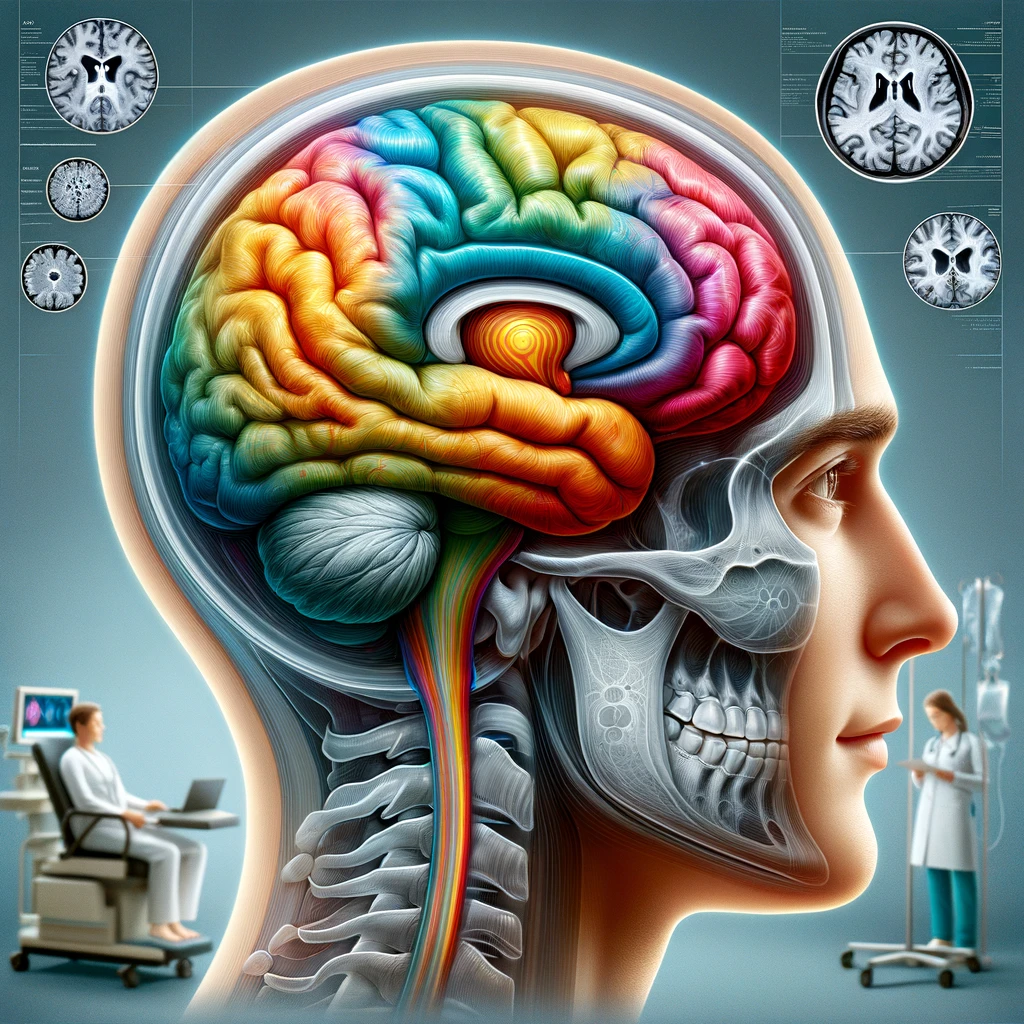
Functional cognitive disorders (FCDs) refer to cognitive complaints, frequently involving memory, that are incongruent with underlying neurological disease and where the symptoms are instead attributed to functional, psychological, or behavioural factors. These disorders are increasingly recognised within clinical neuropsychology and behavioural neurology and are situated within the broader framework of functional neurological disorders (FND). While the symptoms experienced by individuals are real and can be disabling, they are thought to arise from altered brain function rather than structural brain damage.
FCDs are characterised by inconsistencies between subjective cognitive complaints and objective cognitive performance. For instance, individuals may report severe memory difficulties in everyday life, yet perform within normal limits on formal neuropsychological testing. Furthermore, the nature of cognitive complaints in FCD often does not correspond with patterns seen in neurodegenerative conditions. For example, difficulties may centre on perceived forgetfulness of recent conversations or appointments without corroborative evidence of amnesia or executive dysfunction on structured examination.
The classification of functional cognitive disorders remains an evolving area, with a growing consensus that they should be considered under the broader umbrella of FND. Some proposals suggest subclassifications, including functional memory disorder (FMD), where memory-specific complaints are predominant, and other types where attention, executive function, or language complaints are more prominent. These distinctions may assist in tailoring assessment and interventions, though overlap between subtypes is common in practice.
The nosological status of FCD continues to be debated. Current diagnostic frameworks, such as the DSM-5 and ICD-11, do not provide a distinct category for FCD, leading to challenges in classification and potential under-recognition. In contrast, the clinical neuroscience community has increasingly advocated for its recognition, particularly in specialist memory and neuropsychiatry clinics, where a notable proportion of patients do not meet criteria for neurodegenerative or psychiatric disorders yet experience persistent cognitive symptoms.
An important aspect in differentiating FCD from other cognitive conditions is the presence of “internal inconsistency”, where observed performance on cognitive tasks varies significantly depending on context or is markedly better than would be expected based on the severity of the patient’s reported difficulties. This pattern suggests a functional basis, though it is crucial for clinicians to avoid prematurely dismissing symptoms without thorough investigation.
The classification of functional cognitive disorders sits at the intersection of neurology, psychiatry, and psychology, reflecting the complexity of brain–mind interactions. Continued efforts to refine diagnostic criteria and incorporate FCD into standardised taxonomies will aid in improving recognition and management within clinical settings.
Epidemiology and prevalence in clinical populations
The epidemiology of functional cognitive disorders (FCDs) has become an increasing focus of clinical interest, especially with growing awareness of functional neurological disorder (FND) presentations in cognitive domains. Although large-scale population studies are limited, emerging data from secondary and tertiary care settings indicate that FCDs are not uncommon among patients presenting with cognitive complaints. Memory clinics and neuropsychology services frequently encounter individuals whose cognitive symptoms are not attributable to identifiable neurodegenerative conditions, and estimates suggest that FCDs may account for 10–25% of referrals to specialist memory services.
The prevalence of FCD appears to be influenced by the context of clinical referral. In specialist memory clinics, particularly those assessing early-onset cognitive decline or atypical memory presentations, FCD may represent a substantial proportion of cases. Studies from UK memory clinics reveal that a significant subset of individuals presenting with subjective memory complaints, but normal neuroimaging and neuropsychological profiles, meet criteria for a diagnosis of functional cognitive disorder. These patients often present with detailed and consistent memory concerns that stand in contrast with objective findings, a typical characteristic of FCD.
Cohort studies have found that FCD is more prevalent in certain demographic groups, notably among individuals of working age, and there is some suggestion of a female predominance. The overlap with psychological symptoms, such as anxiety and depression, further complicates the clinical picture, though these are not primary causes but rather coexisting features. This comorbidity contributes to the diagnostic complexity, as the cognitive symptoms often dominate the clinical presentation despite relatively minor affective symptoms.
In neuropsychology clinics, FCD is increasingly recognised during assessments for medico-legal purposes or in individuals experiencing cognitive impairment following stress-related events, including burnout or post-viral syndromes. In these contexts, memory difficulties are often reported as prominent and disabling, yet formal testing reveals no consistent deficits across sessions—a sign suggestive of functional rather than structural causes. Repeat assessments may show improvements or fluctuations, another hallmark of internal inconsistency associated with FCD.
International comparisons remain difficult due to variable diagnostic practices and terminology. For example, in some systems, terms such as ‘subjective cognitive decline’ or ‘Medically Unexplained Cognitive Symptoms’ may partially overlap with FCD but are not categorically equivalent. This inconsistency reinforces the need for more uniform diagnostic criteria and structured epidemiological research. Despite these limitations, clinicians across Europe and beyond have reported similar clinical phenomena that align with the profile of functional cognitive disorders.
There is increasing recognition that FCD represents a significant contributor to clinical workload in both neurological and psychiatric services. As knowledge of these disorders expands within the frameworks of FND and clinical neuropsychology, it is likely that routine prevalence estimates will rise, reflecting greater identification rather than true increases in incidence. The widespread under-recognition of FCD also implies that existing prevalence figures may represent a conservative estimate of the true clinical burden.
Clinical assessment and diagnostic challenges
Assessing individuals with a suspected functional cognitive disorder presents unique challenges, as the clinical features often blur conventional distinctions between neurological and psychiatric diagnoses. One of the primary difficulties in the diagnostic process lies in the frequently observed mismatch between a patient’s subjective complaints and objective cognitive performance. In FCD, patients may report persistent memory failures in day-to-day life—such as forgetting conversations or misplacing items—yet demonstrate preserved recall and executive functioning in formal neuropsychology assessments. This internal inconsistency, seen as a core characteristic, necessitates careful clinical reasoning to distinguish FCD from early neurodegenerative conditions and psychiatric comorbidities that can also impact cognition.
Effective clinical assessment entails a multifaceted approach, incorporating detailed history taking, cognitive testing, and an understanding of psychological and contextual factors. The cognitive complaints are often specific, vividly described, and generate significant distress, which can contrast with the apparent ease with which the patient completes structured tasks in the clinic. Clinicians must be particularly cautious in evaluating performance validity, as patients are neither malingering nor consciously exaggerating symptoms; rather, the difficulties are genuinely experienced but reflect disruptions in attention, meta-cognition, or information processing associated with the functional nature of the disorder.
Neuropsychological assessments play a crucial role, not only in identifying preserved abilities but also in detecting patterns suggestive of functional impairment. For example, fluctuating performance over the course of an assessment, disproportionately poor performance on simple tasks compared to complex ones, or inconsistencies across testing sessions can raise suspicion for FCD. The use of tools like continuous performance tests or embedded effort measures can offer supportive data, although they must be interpreted within the broader context to avoid misapplication. A purely mechanistic or binary approach to test results may overlook the nuance required when dealing with functional presentations.
A further complication arises from the frequent overlap between FCD and other conditions such as health anxiety, burnout, and trauma-related disorders. In these scenarios, patients may present with convincing cognitive symptoms that dominate the clinical picture but have relatively mild mood disturbances on formal psychiatric screening. This can lead to diagnostic ambiguity, particularly in services where traditional silos between neurology, psychiatry, and psychology remain rigid. An integrated, multidisciplinary evaluation is often essential, especially for younger patients or those with atypical memory profiles that do not fit clear degenerative patterns.
In memory clinics, one of the key diagnostic challenges relates to the pressure to provide clarity and a label of diagnosis, particularly in the face of prolonged subjective distress. Functional cognitive disorder may be incorrectly viewed as a ‘non-diagnosis’ or a default conclusion when standard investigations fail to identify organic causes. However, when recognised appropriately, FCD is a positive diagnosis based on specific features. The presence of normal investigations—including neuroimaging and cerebrospinal fluid biomarkers—combined with the patient’s symptom profile, supports this diagnosis. It is vital, however, for clinicians to ensure that they do not prematurely attribute cognitive complaints to functional causes without excluding early-stage neurodegeneration or other reversible conditions.
The therapeutic alliance is crucial in assessment, as patients may feel disbelieved or stigmatised when traditional cognitive pathology is not found. The manner in which the diagnosis is conveyed can significantly influence the patient’s willingness to engage in further treatment or psychological intervention. Embedding discussions of FCD within the framework of functional neurological disorder can help normalise the diagnosis by relating it to functional symptoms in other domains, such as motor or sensory systems, which may be more widely understood and accepted by patients.
Ultimately, the assessment of functional cognitive disorders challenges clinicians to go beyond a checklist approach and embrace a biopsychosocial conceptualisation of cognitive complaints. It demands clinical curiosity, patience, and a nuanced understanding of the intersection between cognitive neuroscience and mental health. Specialist training in neuropsychology and FND is increasingly recognised as essential to promote accurate diagnosis and foster trust with individuals navigating complex cognitive experiences that defy traditional diagnostic boundaries.
Management strategies and therapeutic approaches
Managing functional cognitive disorders (FCDs) requires a comprehensive, patient-centred approach that addresses both the cognitive symptoms themselves and the broader psychosocial context in which they occur. Key principles include normalising the experience, fostering a clear diagnostic understanding, and implementing behavioural and psychological interventions aimed at improving function and reducing distress. Early and empathetic communication is pivotal—patients need to know that their difficulties are recognised as genuine, and that functional does not imply imagining or exaggerating problems. Framing the disorder within the larger context of functional neurological disorders (FND) often helps in reducing stigma and facilitates acceptance of therapeutic avenues.
Psychoeducation is typically the foundational component of management. Explaining the nature of FCD using analogies from other functional symptoms—such as non-epileptic seizures or functional limb weakness—can help patients conceptualise how cognitive symptoms may arise from altered brain functioning despite the absence of structural damage. Emphasis should be placed on the reversibility of symptoms and the brain’s potential for retraining. Use of simple visual aids and active engagement during consultations can reinforce understanding and empowerment.
A growing body of evidence supports the role of cognitive behavioural therapy (CBT) in addressing maladaptive beliefs and behaviours that may perpetuate FCD. Psychological interventions often target unhelpful cognitive monitoring strategies—for example, excessive self-checking of memory or persistent ruminations about cognitive decline—which may interfere with automatic memory processes and exacerbate perceived deficits. CBT can also help patients reframe catastrophic misinterpretations of ordinary forgetfulness, thereby breaking vicious cycles of anxiety and cognitive self-monitoring. Although evidence remains limited outside of small case series and observational studies, clinical experience in neuropsychology settings supports the utility of such structured interventions.
Occupational therapy and structured cognitive rehabilitation may be incorporated as adjunctive strategies, especially for individuals whose symptoms interfere with work or daily living. These interventions typically prioritise functional goals, improving routine organisation and attention through practical strategies rather than attempting to restore isolated cognitive abilities. Encouraging patients to re-engage with valued activities—gradually and with support—can have a dual benefit, enhancing cognitive confidence and reducing avoidance behaviour. In cases where patients are on extended leave from employment, graded return-to-work plans with coordination between clinical teams, employers, and occupational health services are recommended.
Where symptoms co-occur with mood disturbances or stress-related conditions, integrated treatment plans addressing both affective and cognitive components tend to yield better outcomes. Pharmacological treatment is not considered a primary approach for FCD; however, where comorbid anxiety or depression is clinically significant, standard psychotropic medications may be used cautiously. Nonetheless, any pharmacologic interventions should be coupled with psychological or rehabilitative therapies, as medications alone are unlikely to resolve cognitively-focused functional symptoms and may even risk reinforcing illness beliefs if positioned as a sole remedy.
Developing and maintaining a strong therapeutic alliance is essential for successful management. Healthcare providers should be mindful to avoid overly reassuring statements that may minimise the experience of distress, as well as language that implies the absence of a real problem. A formulation-based discussion—drawing on biopsychosocial models—can contextualise the illness experience by linking cognitive symptoms to stress, personality traits, and processing styles, offering a coherent and non-blaming narrative. This approach is commonly used in neuropsychology and has been adapted in FND-informed care pathways with encouraging results.
Follow-up support remains crucial, as improvement in functional cognitive disorder is often gradual and non-linear. Ongoing monitoring helps reinforce progress, address emerging difficulties, and re-engage patients if symptoms recur or persist. Some specialist clinics are now developing specific FCD care pathways within memory and FND services, integrating neuropsychologists, neurologists, and liaison psychiatrists into a coordinated care model. This multidisciplinary approach allows for flexible management that can be adapted to individual needs and varying symptom profiles.
Ultimately, effective management of FCD requires shifting the clinical focus from searching for cognitive deficits towards understanding the mechanisms of symptom experience and promoting autonomy through behavioural and psychological intervention. Acknowledging the cognitive difficulties while redirecting efforts towards functional recovery enables patients to regain confidence and reduce the impact of FCD on everyday life.
Future directions and research priorities
Future research into functional cognitive disorder (FCD) must prioritise the development of more robust diagnostic criteria and biomarker validation to differentiate FCD from neurodegenerative conditions with greater confidence. While internal inconsistency on neuropsychological testing and the absence of progressive decline remain key diagnostic indicators, these features often lack specificity and reproducibility in real-world clinical contexts. Investigating more precise cognitive markers that reveal the mechanisms of disrupted attention, meta-cognition, or memory encoding in FCD will not only enhance diagnostic accuracy but also deepen our understanding of the cognitive processes involved.
There is a pressing need for longitudinal studies to map the natural history of FCD. Much of the current evidence is derived from cross-sectional assessments or limited clinical follow-up. Understanding symptom evolution over time, including remission, relapse, or transition to other functional or psychiatric conditions, would inform prognosis and service planning. In particular, large-scale prospective studies could help clarify whether FCD represents a stable functional phenotype or a risk factor for later cognitive decline, especially in older adults or those with significant anxiety or depressive symptoms.
Intervention trials specifically focused on FCD remain sparse. While psychological strategies such as cognitive behavioural therapy, psychoeducation, and functional rehabilitation have shown promise in related areas of functional neurological disorder (FND), few studies have rigorously evaluated these interventions in cohorts with functional memory or attention complaints. Designing randomised controlled trials that test adapted psychological models—for instance, targeting maladaptive memory monitoring or attentional biases—will be central to developing evidence-based therapies. These trials would benefit from standardised outcome measures, including both subjective and objective indicators of functional improvement.
The integration of qualitative research could offer valuable insights into patient perspectives, particularly concerning their experience of cognitive impairment, the process of receiving an FCD diagnosis, and their response to therapeutic recommendations. Many patients describe frustration and invalidation when their cognitive symptoms are dismissed or unexplained; thus, qualitative methods may help clinicians and researchers better understand how to build trust and convey diagnoses effectively. This also aligns with the growing emphasis on person-centred care within neuropsychology and memory services.
Another key area for development is in clinician education. Despite growing recognition of FCD within neurology and psychiatry, there remains limited formal training on how to assess and manage these conditions. Future research could evaluate educational interventions aimed at improving clinician confidence, diagnostic accuracy, and communication skills when working with patients presenting with functional memory or cognitive complaints. Simulation-based training or case-based seminars involving interdisciplinary teams could enhance skill acquisition and reduce hesitancy in diagnosing FCD as a positive and legitimate condition within clinical practice.
Neuroimaging studies offer an additional dimension to future research. While structural MRI scans are typically normal in FCD presentations, functional imaging techniques, such as resting-state fMRI or magnetoencephalography, may reveal alterations in attentional networks, default mode activity, or memory-related regions. Identifying consistent functional brain changes in FCD may not only validate the neurological basis of these disorders but also facilitate the development of neurobiologically informed interventions. However, such tools will need to be interpreted cautiously and in concert with clinical context to avoid over-pathologising subjective cognitive symptoms.
Digital health solutions, including mobile-based cognitive assessment tools and ecological momentary assessment, also present exciting avenues for studying FCD in everyday environments. These technologies could enable real-time monitoring of cognition, symptom triggers, and behavioural responses, providing ecologically valid data that complements traditional neuropsychological testing. Furthermore, they may serve therapeutic purposes by helping patients gain insight into symptom patterns and reduce maladaptive checking behaviours that commonly exacerbate functional memory complaints.
Interdisciplinary collaboration will be instrumental in advancing the field. Neuroscientists, psychologists, neurologists, and psychiatrists must work together to unravel the complex interplay between brain function, psychological processes, and social context in FCD. Research consortia and shared clinical databases could accelerate discovery by enabling large-scale analysis of patient profiles, outcomes, and interventional efficacy across healthcare systems. Harmonising terminology and diagnostic standards across countries would further strengthen these efforts and increase the generalisability of findings.
Policy and service development research is needed to explore how best to integrate FCD pathways into existing healthcare systems. Evaluating the impact of specialist services, such as FND clinics with embedded neuropsychology expertise, on clinical outcomes and healthcare utilisation may inform future resource allocation. In an era of rising demand on memory and neurology services, the implementation of targeted FCD care models could offer both clinical benefit and cost-effectiveness, provided that they are supported by evidence-based strategies and well-informed clinical teams.