
- Understanding functional neurological disorder
- Recognising symptoms and behaviours
- Effective communication strategies
- Supporting daily routines and wellbeing
- Accessing resources and professional help
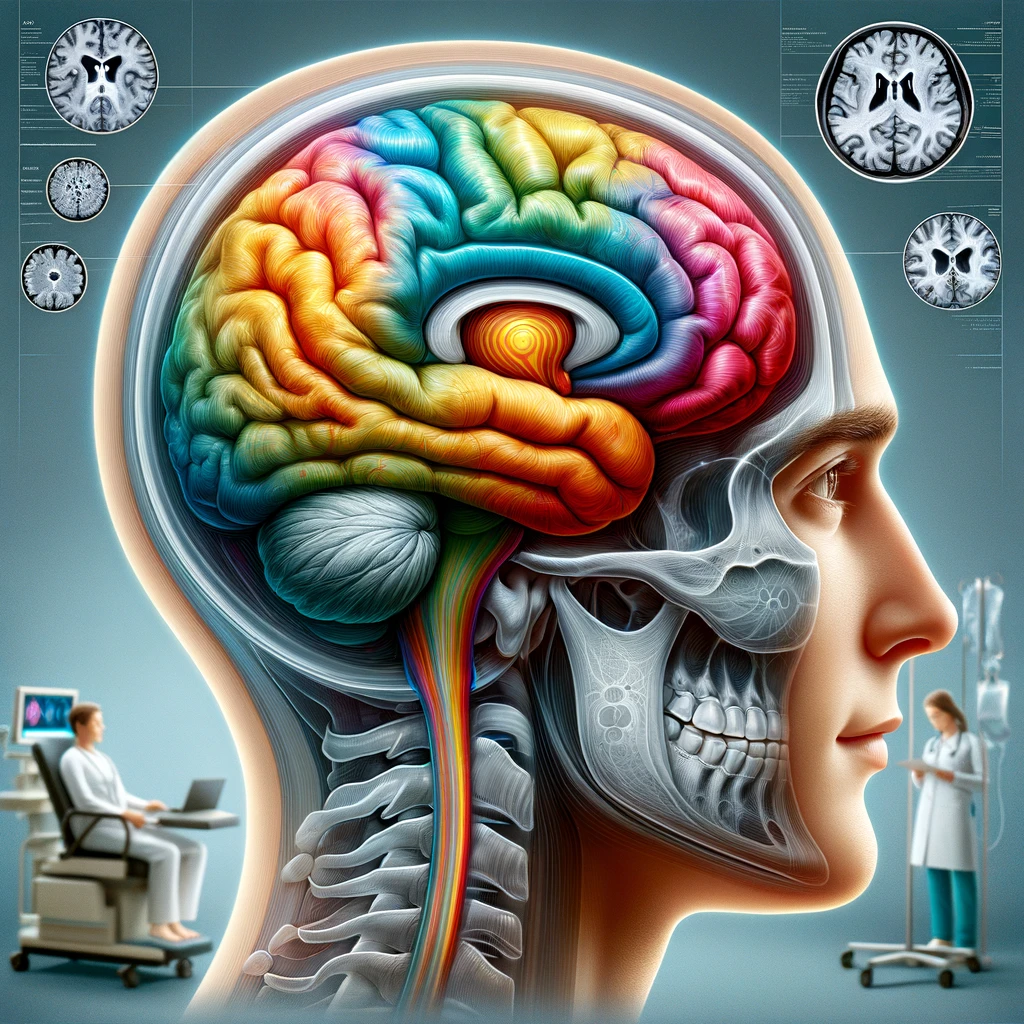
Functional Neurological Disorder (FND) refers to a condition in which individuals experience neurological symptoms—such as seizures, weakness, movement difficulties, or sensory changes—that are not explained by traditional neurological diseases. These symptoms are real and often highly distressing, yet they are caused by a malfunction in the nervous system’s functioning rather than structural damage. It is important for caregivers and loved ones to understand that the symptoms of FND are not imagined or deliberately produced; they reflect a disruption in the normal processes of how the brain sends and processes signals.
One of the key challenges in understanding FND is that medical tests, such as MRIs and blood work, often return normal results. This can lead to confusion and frustration for both the person with FND and their support network. However, specific clinical signs—identified by trained specialists—can reliably diagnose the disorder. Increasing family education and awareness can equip caregivers with the knowledge necessary to support their loved one without inadvertently minimising their experience or attributing symptoms to psychological causes alone.
FND exists at the intersection of neurology and psychology, but it is distinct from malingering or factitious disorder. It should be approached with the same seriousness and compassion as any other chronic illness. Scientific understanding of FND is evolving, and it is now recognised as a common and potentially treatable condition. Raising awareness of FND helps reduce stigma and validate the experiences of those affected, which is crucial for their wellbeing and recovery.
For caregivers, accepting the legitimacy of FND and understanding the variability of symptoms are essential steps in building trust and providing effective support. Education around the condition allows family members to become confident advocates, working collaboratively with healthcare professionals to ensure the individual receives appropriate treatment and accommodations. Informed caregiving involves patience, empathy, and a commitment to learning about the condition’s complexities and how it can impact daily life.
Recognising symptoms and behaviours
Recognising the symptoms and behaviours associated with FND can be challenging due to their variability and unpredictability. Symptoms may affect movement, sensation, speech, vision, or even cognition. One of the most common presentations is functional seizures, which resemble epileptic seizures but do not show typical patterns on EEG scans. Individuals may also experience tremors, limb weakness, gait abnormalities, or episodes of unresponsiveness. These symptoms may appear suddenly or fluctuate over time, often becoming more prominent during periods of stress or fatigue, although they can also arise without any obvious trigger.
For caregivers and loved ones, it is important to learn how these symptoms present uniquely in the individual they support. Not every person with FND will display the same signs, and the course of the condition may change over time. Some individuals may have difficulty articulating how they feel or may describe sensations that do not follow the expected patterns of known neurological illnesses. This can be confusing and may lead to misunderstandings without proper family education and awareness. Accepting that these symptoms are real, regardless of test results, helps to reduce distress for both the person affected and their support network.
Behavioural changes may also be observed, particularly if the person is trying to cope with chronic symptoms that impact their independence and identity. They may become withdrawn, anxious, or irritable, especially if their symptoms limit their daily activities or invite scepticism from others. A key aspect of supportive caregiving involves tuning into these changes and responding with compassion rather than judgment. Keeping a symptom diary or recording patterns may be helpful for healthcare providers to understand symptom progression and tailor treatment plans accordingly.
Awareness of specific functional signs can also aid recognition. For example, during functional weakness, leg movements may be strong when distracted but weak when tested directly; in functional tremor, movement may reduce when the individual is focused on a different motor task. These signs, identified by professionals, can confirm the diagnosis of FND and reassure caregivers that functional symptoms follow recognisable clinical patterns. Understanding this can reinforce the notion that the condition is genuine and rooted in the brain’s functioning, not in the individual’s intent or character.
Caregivers may also notice emotional or physical fatigue following symptom episodes. It is important not to dismiss these periods as mere ’emotional reactions’ but instead to view them as part of living with a complex condition that affects both the body and mind. Responding supportively during and after symptomatic episodes, including offering a calm, non-critical presence, can help reduce distress and promote recovery. Keeping communication open and acknowledging the person’s experience goes a long way in building trust.
With increased family education and an understanding of the nuances of FND, caregivers are better equipped to respond appropriately to symptoms and behaviours. This improves the quality of care and enhances the emotional safety of the person affected, creating an environment where they can focus on healing and stability. Recognising the legitimacy of FND behaviours enables caregivers to provide informed, patient-centred support every step of the way.
Effective communication strategies
Communication lies at the heart of effective caregiving, particularly when supporting someone with Functional Neurological Disorder (FND). Because the symptoms of FND can vary from moment to moment and often do not fit conventional expectations, misunderstandings between individuals with the condition and their loved ones are common. Adopting compassionate and considered communication strategies can help to lessen frustration, foster trust, and empower those living with FND to feel heard and supported.
One of the most helpful approaches is to practise active listening. This means giving full attention to what the individual is expressing without immediately offering solutions or interpretations. Listening patiently, maintaining eye contact, and providing affirming responses shows the person that their experience is being taken seriously. Statements such as, “I can see that you’re going through a difficult time,” can validate their feelings without judgement, even if their symptoms are hard to understand or appear to change rapidly.
Using calm, clear, and non-confrontational language is especially important during symptomatic episodes. If someone is overwhelmed, confused, or struggling with communication themselves—such as during a functional seizure or episode of dissociation—speaking in a gentle tone and offering simple, reassuring phrases like “You’re safe, I’m here,” can prevent additional distress. Avoiding expressions of frustration or disbelief helps to maintain a sense of emotional safety, which is key to managing symptoms and recovery.
It can also be beneficial to establish consistent ways of communicating needs and distress, especially when speech or movement is impaired. This might involve using hand signals, written communication, or other pre-agreed methods. Encouraging the individual to express what works for them without fear of judgement reinforces autonomy and reduces feelings of helplessness. These personalised strategies can be shaped with the help of speech and language therapists or psychologists familiar with FND.
Open communication within the family or caregiving network is equally important. Clear and respectful conversations about boundaries, expectations, and concerns can prevent miscommunication and burnout. For example, caregivers should feel able to express their need for respite, and family education and awareness efforts should ensure that all involved understand the nature of FND. This helps avoid problematic behaviours such as minimising symptoms or blaming the individual, which can be harmful and isolating.
Acknowledging uncertainty is also part of effective communication. It’s perfectly acceptable to admit, “I don’t fully understand what you’re feeling, but I want to support you.” This honesty creates more authentic and trusting relationships. Likewise, being transparent about any limitations in one’s knowledge and pledging to learn more—perhaps by attending educational sessions or reading about FND—demonstrates a willingness to improve the quality of care.
Consistency in communication, especially between multiple caregivers or family members, can prevent confusion and promote stability. If everyone uses the same supportive language and responses, it helps the person with FND feel secure and better understood. Miscommunication between caregivers can sometimes lead to inadvertent invalidation or the reinforcement of unhelpful patterns, so maintaining a unified approach is essential.
FND can be unpredictable, and strong emotional reactions are part of the lived experience. When distress arises, rather than arguing or correcting the individual, it is helpful to acknowledge their feelings and offer reassurance. Phrases like, “I’m here with you,” or “Let me know how I can help,” provide emotional anchoring without pressuring the person to ‘snap out of it’ or justify themselves. Avoiding language that questions the reality of symptoms—such as “Are you sure this isn’t in your head?”—supports a more validating atmosphere.
Family education and awareness about effective communication not only benefit the individual with FND but also reduce stress for caregivers. Knowing what to say and how to say it increases confidence and minimises the anxiety of ‘saying the wrong thing’. As communication improves, so too does the sense of connection and teamwork, which is vital in managing a chronic and often misunderstood condition.
Supporting daily routines and wellbeing
Establishing structured daily routines can provide a reassuring sense of normality and stability for individuals living with Functional Neurological Disorder (FND). Consistent routines help reduce unpredictability, which can trigger or worsen symptoms in some individuals. For caregivers, supporting these routines involves balancing flexibility with a gentle commitment to regularity, especially around waking times, meals, activity periods, and rest. Encouraging pacing and realistic goal-setting throughout the day can assist with managing fatigue and preventing symptom escalation.
Fatigue and fluctuating symptoms can make even simple tasks feel overwhelming. Caregivers can support wellbeing by helping to break daily activities into manageable chunks and incorporating rest periods between tasks. Using visual schedules, reminders, or to-do lists can reduce cognitive strain and promote independence. When possible, involving the person with FND in planning their day gives them a greater sense of control, which is essential for mental wellbeing and long-term motivation.
Incorporating gentle physical activity into daily life can be beneficial, provided it is approached with caution and tailored to individual tolerance. Guided physiotherapy is often a key component of FND management, and caregivers can assist by encouraging attendance at appointments or supporting prescribed home exercises. Importantly, any physical effort should be approached in a supportive, non-pressurised way, avoiding demands for rapid improvement. Celebrating small achievements reinforces positive reinforcement without overexertion.
Mental and emotional wellbeing also play a central role in managing FND. Caregivers should encourage engagement in activities that bring joy, relaxation, or a sense of purpose, such as hobbies, creative pursuits, or light social interactions. Creating low-stress environments by minimising noise, reducing time pressures, and ensuring spaces feel safe and comfortable can also alleviate symptoms. Mindfulness techniques or breathing exercises may be helpful, and some individuals benefit from guided relaxation or grounding strategies.
Sleep hygiene is another area where caregivers can have a supportive role. People with FND may struggle with disrupted sleep patterns, which in turn can affect symptom severity. Promoting a consistent bedtime routine, reducing stimulant use in the evening, and encouraging a calming wind-down period support overall health. If sleep issues persist, involving a healthcare professional is advised to explore whether further support is needed.
Nutrition should not be overlooked. Balanced meals at regular times can support physical health and energy levels. Caregivers can assist by preparing simple, nutritious meals and staying alert to any issues with appetite or digestion that may need to be addressed medically. Staying hydrated is equally important, particularly for those who experience dizziness or faintness as part of their FND symptoms.
Maintaining social connection, while respecting the individual’s energy levels and comfort, contributes significantly to emotional wellbeing. Caregivers can help by facilitating contact with understanding friends, family, or peer support groups. These connections can combat feelings of isolation and offer a broader support network. Family education and awareness about FND make these social interactions more supportive and respectful.
Routine also provides structure for medical and therapeutic support. Keeping track of appointments, organising medication schedules if prescribed, and communicating regularly with healthcare providers are ways caregivers can assist with continuity of care. Organised documentation or a shared medical diary may help all involved to stay informed about changes in symptoms, triggers, or treatment goals.
Ultimately, preserving a sense of normal life where possible, while adjusting to new limitations sensitively, is vital. Caregivers should strive to create a rhythm to the day that includes moments of activity and rest, focus and relaxation, challenge and enjoyment. Such daily structure not only nurtures physical and emotional recovery but also supports autonomy, resilience, and the reclaiming of identity, all of which are crucial in living with FND.
Accessing resources and professional help
Finding appropriate resources and professional help is a critical step in managing Functional Neurological Disorder (FND), both for the individual and their support network. Navigating the healthcare system can feel daunting, especially when symptoms are complex or misunderstood. Caregivers play a vital role in identifying knowledgeable professionals and ensuring that their loved one receives coordinated care tailored to their needs. This may involve liaising with general practitioners, neurologists, psychologists, physiotherapists, and occupational therapists—all of whom have a role in FND management.
One of the first steps is seeking out specialists who have experience diagnosing and treating FND. While awareness is improving, not all clinicians are familiar with the condition, so it’s important to find practitioners with specific training or interest in functional disorders. Referral to a specialist clinic, if available, can offer access to a multidisciplinary team that understands the nuanced needs of people with FND. In some regions, NHS-based functional neurology services are emerging, and a general practitioner can provide referrals if symptoms suggest a functional origin.
Family education and awareness about the available types of intervention help caregivers make informed choices about treatment. Psychological therapies such as Cognitive Behavioural Therapy (CBT), Acceptance and Commitment Therapy (ACT), or trauma-informed approaches can support emotional wellbeing and potentially reduce symptom severity. Physiotherapy tailored to FND focuses on restoring normal movement patterns rather than treating structural damage. Occupational therapy can assist with functional adaptations at home or work, helping individuals regain independence in daily tasks.
Private healthcare may be considered when public services are limited or waiting lists are long. In these cases, caregivers can research providers and check for indications of FND experience in practitioner profiles. It’s helpful to ask specific questions about a clinician’s familiarity with FND, what treatments they offer, and how they coordinate care with other professionals. If cost is a barrier, some organisations offer sliding-scale fees or subsidised mental health access. Talking to a GP or local social services may also uncover funding pathways or support schemes.
In addition to one-on-one care, digital and community resources can play a supplementary role in supporting recovery and connection. Online support groups and forums allow individuals and caregivers to share experiences, strategies, and encouragement. These platforms not only provide emotional comfort but often offer practical advice from others navigating similar paths. Reputable organisations such as FND Hope and FND Action offer educational materials, webinars, and advocacy resources aimed at both affected individuals and their families.
Peer support groups—whether virtual or in-person—can significantly improve coping through shared understanding. Listening to others describe their FND journey can reduce feelings of isolation and empower both individuals with the condition and their caregivers. Some charities and patient advocacy groups also offer helplines, downloadable guides, or live Q&A sessions with clinicians, which can be immensely helpful in gaining clarity about the disorder and available treatments.
As care for FND often involves multiple specialists, coordinating communication between providers is crucial. Caregivers may help by maintaining up-to-date records of appointments, treatment plans, and medication changes. This kind of information sharing can reduce duplication, avoid conflicting advice, and ensure that each aspect of care reinforces the other. Some regions also offer care coordinators or case managers who can oversee this process for people with complex conditions, improving continuity and efficiency.
Educating oneself about the condition is an ongoing process. Caregivers are encouraged to read reliable sources, attend informational workshops when available, and consult practitioners who can explain the reasoning behind different interventions. Many clinics and charities offer resources specifically designed for families and support persons, including downloadable packs, videos, and training modules. These materials are helpful in strengthening empathy and deeply understanding the rationale behind each therapeutic approach.
In some cases, carers themselves may benefit from speaking with a professional, such as through carer support services or counselling. Supporting someone with an unpredictable and sometimes misunderstood disorder can be emotionally taxing, and recognising the need for personal support is not a sign of weakness but of sustainability. Caregiver burnout is a real risk, and accessing appropriate resources early can ensure that support remains consistent and compassionate over time.
FND is a treatable condition, particularly when supported by informed healthcare and compassionate caregiving. Through persistent advocacy, thorough research, and active engagement with treatment options, caregivers can help their loved one access the resources they need to move towards stability and improved quality of life. Family education and awareness are crucial in this process, as they empower caregivers to make confident, timely decisions and build a strong, informed support system around the individual.