
- Understanding functional neurological disorder
- Daily challenges and emotional strain
- Impact on relationships and self-identity
- The role of mental health support
- Raising awareness and building community
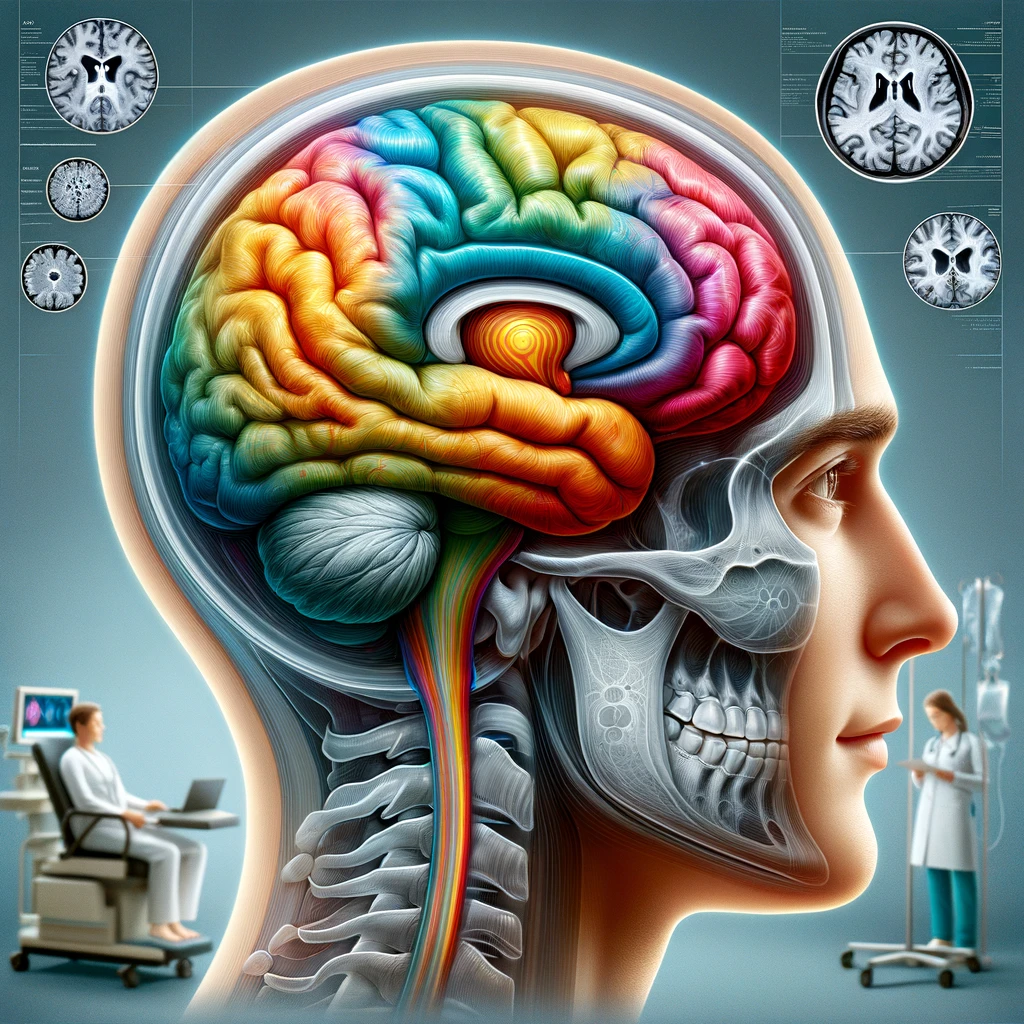
Functional Neurological Disorder (FND) is a condition that impacts the normal functioning of the nervous system, yet does not show up on standard neurological tests such as MRI or CT scans. This often leaves patients in a disorienting limbo, where they experience real and debilitating symptoms that lack a traditional medical explanation. Symptoms of FND can vary widely and may include motor issues like tremors or paralysis, sensory alterations, non-epileptic seizures, and cognitive difficulties such as memory lapses or problems concentrating.
While these symptoms are genuine and often severely disabling, many individuals with FND face scepticism, both within the healthcare system and from society at large. This scepticism can be profoundly damaging—not only does it delay appropriate treatment and patient support, but it also undermines the person’s sense of self and trust in medical professionals. The condition’s overlap with psychological factors sometimes leads to it being misunderstood or mislabelled as being “all in the head,” which further contributes to the emotional strain experienced by sufferers.
One of the complexities of FND is that, while its symptoms are neurological, their origin is thought to involve a malfunction in how the brain sends and receives signals, rather than any visible damage or disease process. This makes diagnosis and treatment particularly challenging and highlights the importance of comprehensive care that includes neurologists, physiotherapists, and mental health professionals. An integrated approach acknowledges the physical and emotional facets of FND and emphasises tailored rehabilitation plans designed to help patients manage their symptoms and regain function.
Public awareness of FND remains relatively low compared to other neurological conditions, which contributes to stigma and a lack of understanding. Raising awareness is crucial not only to ensure timely diagnosis and better patient support, but also to challenge harmful misconceptions that can isolate sufferers. As medical understanding evolves, it’s essential that both the general public and medical professionals recognise FND as a legitimate, if complex, condition—one that underscores the fundamental connections between neurological function, mental health, and overall wellbeing.
Daily challenges and emotional strain
Living with Functional Neurological Disorder (FND) often means navigating a reality filled with unpredictability and emotional fatigue. One of the most difficult aspects of having FND is the day-to-day uncertainty: symptoms can fluctuate dramatically, sometimes even within the same day. For many, this unpredictability makes it nearly impossible to plan ahead, maintain employment, or take part in routine social activities. The frustration of waking up one day unable to speak clearly or walk without assistance — after feeling relatively stable the day before — contributes significantly to emotional distress and a deep sense of helplessness.
Individuals with FND may deal with a range of disabling symptoms, such as limb weakness, tremors, or episodes resembling epileptic seizures. These symptoms can be exhausting and often carry social consequences, particularly when occurring in public or around people who don’t understand the condition. The lack of public awareness means that many people facing FND are regularly subjected to judgement, disbelief, or unsolicited advice, which all feeds into feelings of embarrassment and social withdrawal. This constant battle to explain or justify one’s condition creates a burden that is emotionally overwhelming.
On top of the physical symptoms, there’s the internal struggle to maintain a stable sense of self in the face of misunderstanding and invalidation. People with FND often report feeling as though they’re constantly having to prove that they’re not exaggerating or imagining their symptoms. This scepticism, particularly when it comes from employers, peers, or even within patient support settings, can erode self-esteem and intensify anxiety and depression. The interplay between neurological symptoms and mental health challenges adds another complex layer of emotional strain, as individuals feel caught in a cycle they can’t control or fully explain.
Fatigue is another frequent and debilitating symptom, yet it remains poorly understood by others. It’s not just physical tiredness but also mental and emotional exhaustion — the result of fighting to stay functional and composed when the body and mind feel like they’re betraying you. This profound fatigue can limit social interaction and create a sense of isolation, further impacting emotional well-being. Even when patients seek help, the lack of a clear treatment path or variable responses to interventions can heighten feelings of desperation and despair.
In the face of these challenges, comprehensive patient support becomes vital. Access to professionals who not only understand FND but also the emotional toll it takes can make an immense difference. For patients, knowing that their struggles are acknowledged — that someone believes them — can alleviate some of the mental burden and offer a much-needed sense of legitimacy. It’s through this kind of empathy, stability and informed care that people with FND begin to gain back some measure of control and dignity amid a condition that so often leaves them feeling powerless.
Impact on relationships and self-identity
Functional Neurological Disorder affects not only how a person moves or speaks, but also how they perceive themselves and relate to others, leaving a lasting imprint on relationships and self-identity. For many individuals with FND, previously strong relationships with family, friends, and partners may begin to fracture under the weight of misunderstanding and emotional strain. Loved ones may struggle to comprehend the fluctuating nature of symptoms or may inadvertently dismiss the experience due to the invisible, and often unpredictable, nature of the condition. This can breed resentment or withdrawal on both sides, leading to isolation and a dwindling support network just when it is most needed.
Romantic relationships, in particular, can suffer when one partner develops FND. The shift from independence to frequent reliance on another person for physical or emotional needs can alter relationship dynamics significantly. A partner may become a caregiver, which can introduce feelings of guilt, burden, or imbalance. Open communication becomes difficult when the person with FND is battling fatigue, pain, and mental health challenges such as anxiety or depression. A lack of knowledge about FND compounds these issues, further distancing partners, and increasing the sense that normalcy has been lost.
Friendships, too, can change quickly. Invitations might be declined due to a flare in symptoms, and social withdrawal—whether due to fatigue, embarrassment, or accessibility concerns—can quickly be misinterpreted as disinterest. Gradually, connections that once brought joy may fade, and the individual is left feeling forgotten or like a burden. Without strong patient support systems or public awareness of FND, there’s little to bridge the gap between what the person experiences and what others perceive, making meaningful connection a persistent challenge.
On a deeper level, the sense of self often undergoes a profound transformation. People with FND may no longer recognise the person they once were: vibrant, active, independent. Their new reality may require them to redefine their identity around a health condition that is poorly understood and frequently stigmatised. Careers may be paused or abandoned, hobbies neglected, and ambitions scaled back. This loss of purpose and perceived value can give rise to feelings of worthlessness, shame, and grief, which are compounded when these emotions are internalised due to a lack of validating dialogue or awareness in the wider community.
Self-doubt can also become pervasive. The inconsistency of symptoms, especially when others question their legitimacy, can cause the individual to question their own experiences. They may oscillate between fighting for recognition and succumbing to the belief that their struggles are somehow invalid. This mental conflict further impacts self-esteem and extends the psychological toll of the disorder. When scepticism comes from within social circles or even from healthcare providers, it intensifies the damage to self-worth and trust in others.
In these moments, comprehensive patient support—particularly from professionals familiar with FND—is essential. Access to specialised counselling or therapy helps individuals process emotions of loss, adjust their self-perception, and build resilience through changing life circumstances. Support groups, either in person or online, can offer a sense of belonging and validation, reminding individuals that they are not alone. The greater the public awareness around FND, the more likely sufferers are to find empathy rather than judgement, understanding instead of alienation, and a chance to reclaim a coherent and valued sense of self through the lens of their lived experience.
The role of mental health support
The involvement of mental health professionals in managing Functional Neurological Disorder (FND) is not just beneficial—it is often essential. Because FND involves a complex interplay between the nervous system and psychological processes, mental health support plays a crucial role in unraveling the intricate ways emotional wellbeing can influence or exacerbate physical symptoms. Addressing the psychological component does not suggest the symptoms are imaginary; rather, it acknowledges the legitimate need for a holistic approach to care that respects both the mental and physical health of the individual.
People with FND frequently grapple with anxiety, depression, and trauma-related issues, which can either precede the onset of symptoms or develop as a result of living with a misunderstood and stigmatised condition. Therapeutic interventions such as cognitive behavioural therapy (CBT), trauma-informed care, and, for some, acceptance and commitment therapy (ACT), have shown promise in helping patients manage the emotional burden of their symptoms and improve coping strategies. These therapies can empower individuals to understand the links between stress and symptom severity, allowing for more effective self-management over time.
Early access to psychological support can also aid in validating a person’s experience of FND, which is especially important given the doubt and disbelief many encounter within the healthcare system. Mental health professionals who are well-versed in FND can offer not only emotional reassurance but also practical guidance for navigating challenges such as occupational difficulties, social isolation, and identity shifts—all of which contribute significantly to a person’s overall wellbeing. Merely being heard and believed in a setting with clinical legitimacy can begin to restore a sense of agency and self-worth to someone who may have felt invisible or dismissed.
Equally, mental health support must be patient-centred and integrated into a wider multidisciplinary plan. Collaborative teams that include neurologists, physiotherapists, occupational therapists, and psychologists are best equipped to address the many facets of FND. For this reason, patient support services must be adequately resourced and designed to bridge gaps between medical and psychological care. Unfortunately, delays in referrals and lack of specialist mental health practitioners knowledgeable about FND frequently leave patients without the support they critically need, increasing frustration and diminishing treatment outcomes.
Peer support groups and community mental health services also serve an important function. Connecting with others who live with FND allows individuals to share their coping mechanisms and experiences in a validating environment. These interactions reinforce the idea that treatment progress is neither linear nor one-size-fits-all. Additionally, such spaces help reduce the sense of isolation and build resilience by fostering a feeling of belonging. Mental health is sustained not just through clinical intervention but through the ongoing emotional support found in a compassionate and informed community.
The link between mental health and FND cannot be overstated. Without accessible and informed psychological care, many of those affected continue to suffer unnecessarily—not just from their physical symptoms, but from the emotional and relational consequences that follow. Recognising this, increased public awareness and targeted patient support services must become a priority, ensuring a standard of care that reflects the real-life complexities people with FND navigate every day.
Raising awareness and building community
Building greater public awareness around Functional Neurological Disorder (FND) is not only beneficial for those directly affected but also for the broader community who may otherwise remain ill-equipped to offer empathy or informed support. As long as FND remains poorly understood, patients will continue to face the dual burden of managing debilitating symptoms and navigating a society that often questions the legitimacy of their condition. Awareness efforts play a crucial role in challenging stigma, fostering understanding, and creating an environment where those with FND can be met with validation rather than suspicion.
Awareness campaigns led by charities, advocacy groups, and patients themselves have been instrumental in bringing FND to public attention. Through social media, blogs, podcasts, and documentaries, individuals living with FND are sharing their personal stories, offering insight into the day-to-day realities of the condition. These narratives personalise the experience, shifting public perception by showing that FND affects real people with lives, families, and contributions to make. As more people become aware, misconceptions begin to dissolve, and a deeper sense of compassion emerges from those who otherwise might not have known how to respond.
Another powerful outcome of increased public awareness is the formation of support networks and communities, both online and in person. For people with FND, connecting with others who understand their experience can be profoundly healing. These spaces provide emotional refuge, advice on navigating the healthcare system, and shared strategies for symptom management. The sense of solidarity found in these communities counteracts the isolation that so often accompanies chronic and invisible illnesses.
Moreover, community-led initiatives have begun to influence how medical professionals engage with FND. As awareness grows, so too does the pressure on healthcare providers to improve training and patient support services. Multidisciplinary clinics that include neurologists, psychologists, and occupational therapists are increasingly adopted as models of care, largely due to advocacy driven by the FND community. Feedback from patient groups is being used to inform guidelines and reshape services, demonstrating the tangible impact community voices can have on institutional change.
In educational settings and workplace environments, public awareness of FND can lead to more inclusive practices. Employers who understand the fluctuating and sometimes disabling nature of FND are more likely to implement reasonable adjustments, such as flexible hours or remote work options. Likewise, schools and universities that are informed about FND are better able to support students with accommodations that promote both success and mental health. Awareness reduces the risk of unjust penalties or exclusion and promotes a more just and empathetic response.
Crucially, patient-led advocacy has also helped shine a spotlight on unmet needs within mental health services, highlighting the importance of accessible and informed psychological care for those with FND. Campaigns often call for increased funding, earlier referrals, and better education of mental health practitioners on the nature of the disorder. As the intersection of mental health and neurological symptoms becomes more widely acknowledged, there is a growing recognition that failure to support one inevitably undermines the other.
Ultimately, raising awareness and fostering a connected, informed community empowers those affected by FND. It transforms individual narratives of suffering into collective action and systemic change. In doing so, it cultivates a culture where patient support is no longer an afterthought, but a standard. The continued growth of public awareness, fuelled by both individual advocacy and institutional responsibility, is essential for creating an inclusive society where those with FND are recognised, supported, and given the dignity they deserve.