
- Understanding functional neurological disorder
- Common symptoms and diagnosis
- Explaining FND to patients and families
- Management strategies and treatment options
- Supporting long-term wellbeing and recovery
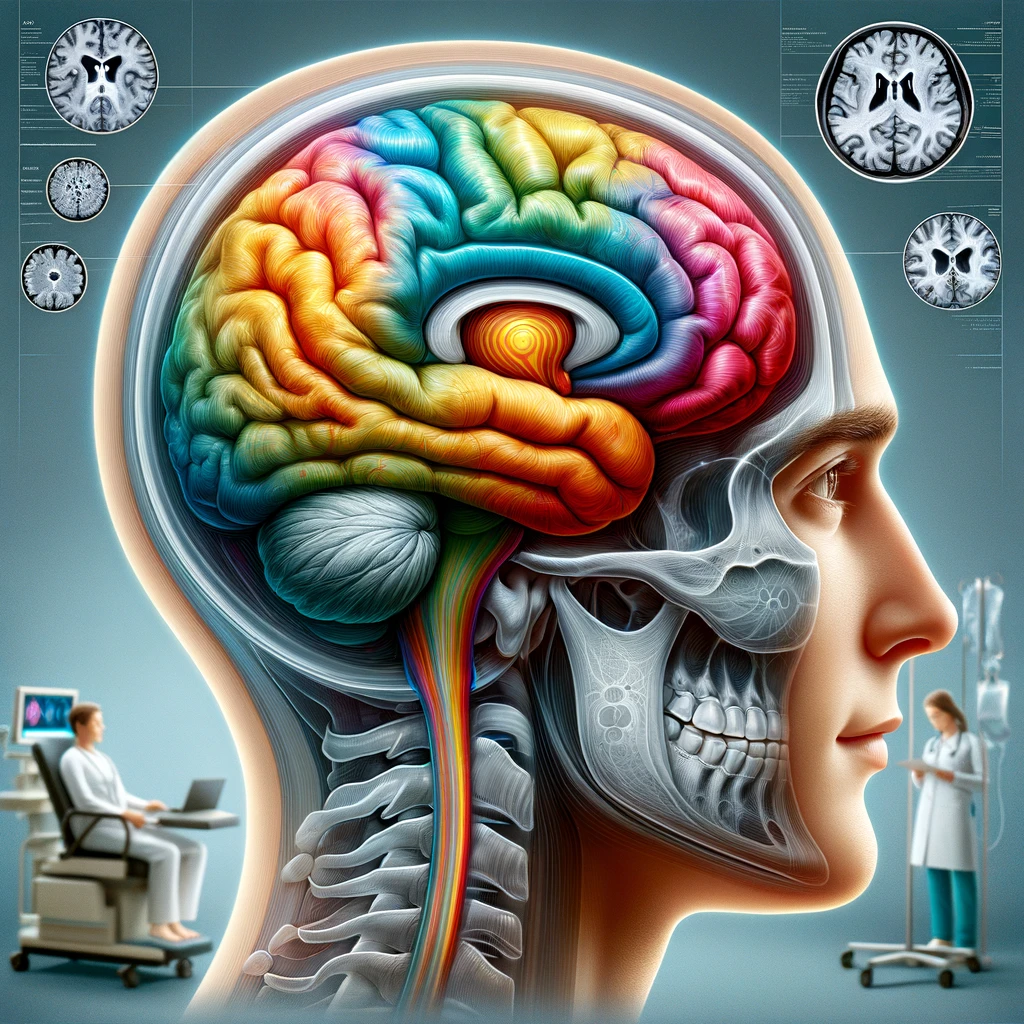
Functional neurological disorder (FND) is a condition at the intersection of neurology and psychiatry, characterised by neurological symptoms that are genuine and distressing but not caused by detectable structural damage to the nervous system. Rather than being “imagined” or “faked,” FND arises from a problem in how the brain functions. The brain has difficulty sending and receiving neurological signals correctly, which can manifest in a wide range of symptoms that mimic other neurological conditions like epilepsy, multiple sclerosis, or stroke.
Understanding FND requires a fundamental shift in how both healthcare professionals and the public view health and brain function. For patients and their families, this can be particularly challenging, as the diagnosis may not come with the clarity of a visible lesion on a scan or a definitive lab result. This makes patient education critical. By helping patients and caregivers recognise the legitimacy of FND and understand its mechanisms, healthcare providers can lay the groundwork for effective care and better outcomes.
The development of FND is often multifactorial. It may be precipitated by physical injury, illness, psychological stress, or trauma, though in many cases no single trigger can be identified. This complexity highlights the importance of a biopsychosocial approach to both diagnosis and treatment. For practitioners, building awareness of how emotional, cognitive, and social factors interplay in FND can improve diagnosis and the quality of interactions with patients.
An increased emphasis on caregiver support is also essential. As FND can disrupt daily life in a profound way, caregivers often bear a significant emotional and logistical burden. Their understanding of the condition and ability to support their loved ones effectively are deeply linked to the information provided by clinicians. Educating caregivers alongside patients fosters empathy, reduces frustration, and promotes a collaborative approach to recovery.
Raising awareness of FND among healthcare providers, patients, and the general public is instrumental in reducing stigma. Misunderstandings about the condition can contribute to the patient feeling invalidated or mislabelled. Awareness campaigns and educational initiatives are key to shifting perceptions and supporting individuals affected by FND to access the compassionate treatment and multidisciplinary support they need.
Common symptoms and diagnosis
Functional neurological disorder (FND) presents with a broad range of symptoms that can vary significantly between individuals, often resembling those seen in well-known neurological conditions. Among the most commonly reported symptoms are episodes of non-epileptic seizures, functional limb weakness or paralysis, abnormal gait or movement disorders, and sensory disturbances such as numbness, tingling or pain. Some individuals experience problems with speech, swallowing or vision, while others may report persistent fatigue, cognitive difficulties, or dissociative episodes. The variability in presentation can make early diagnosis challenging, which is why patient education and clinician awareness are vital in recognising and validating the condition.
A key feature of FND is that, while symptoms are very real and can cause significant distress and disability, they occur in the absence of structural damage to the nervous system. This distinguishes them from conditions like multiple sclerosis or stroke, and explains why standard neurological investigations such as MRI or CT scans often return normal results. However, this should not detract from the legitimacy of the symptoms experienced. Diagnosis is instead made through the identification of positive clinical signs during neurological examination, which indicate that the nervous system is structurally intact but not functioning as expected. One example is Hoover’s sign, which can suggest functional leg weakness based on the presence of involuntary movement when attention is diverted.
Diagnosing FND requires a careful and compassionate approach that involves close observation and exclusion of alternative medical conditions. It also relies heavily on the clinician’s ability to communicate clearly with patients and their families, explaining that the symptoms are not imagined or intentionally produced. This is where caregiver support and patient education become essential: understanding the nature of the diagnosis can reduce anxiety and help enlist the patient and their support network as active participants in the treatment process.
Timely and accurate diagnosis not only helps avoid unnecessary investigations or treatments, but also enables patients to engage in appropriate therapies tailored to FND, such as physiotherapy, occupational therapy, or psychological intervention. Increased awareness among healthcare professionals is crucial, as misdiagnosis or delayed diagnosis can perpetuate the condition and contribute to feelings of helplessness. Clinicians must be prepared to provide information and reassurance, using a collaborative approach that empowers patients and acknowledges the real impact of their symptoms.
Explaining FND to patients and families
Communicating a diagnosis of functional neurological disorder can be a highly sensitive interaction, requiring clarity, empathy, and an understanding of the individual concerns that patients and families often express. It is essential to present the diagnosis in a manner that validates the person’s symptoms and conveys confidence in the diagnosis, while also introducing the concept of FND in a way that avoids stigmatisation. Many patients may initially find it difficult to reconcile the reality of their symptoms with the lack of structural damage found in investigations. This is why effective patient education is at the core of successful communication—helping patients understand that the problem lies in how the nervous system is functioning, not in its structure.
Language is crucial when explaining FND. Using accessible terminology and avoiding overly technical language ensures that patients and families can grasp the key points. Focusing on the concept of “functional changes in brain networks” or “a software issue rather than a hardware issue” can often resonate with patients, particularly when metaphors or analogies are used to describe how the brain can misprocess signals. Clinicians should also be prepared to repeat and reinforce this explanation over time, as understanding and acceptance may develop gradually, especially when symptoms have had a significant impact on daily life or have previously been misunderstood or misdiagnosed.
Involving families from the outset supports both the patient and their loved ones in navigating the diagnostic journey. Caregiver support is pivotal, as families can play a major role in influencing recovery. When they understand that symptoms are not voluntary or fabricated, but instead reflect a real disruption in brain functioning, their attitudes and behaviours often shift towards encouragement and structured support. Encouraging open dialogue between the patient and family members can help reduce frustration and miscommunication, and positions the family as allies in the process of recovery.
It is also important to address common misconceptions and anticipate emotional responses to the diagnosis. Some may equate FND with mental illness or believe that being told their brain looks normal means nothing is wrong. Raising awareness about how stress, trauma, or other biopsychosocial factors can influence the nervous system’s function allows patients and families to reframe their understanding of symptoms without blame or shame. Offering written resources, reputable websites, or the opportunity to speak with others who have experienced FND can reinforce this understanding and provide reassurance.
Patients and their families often feel relief after receiving a clear explanation that makes sense of their symptoms, particularly when it is delivered in a hopeful and supportive tone. Emphasising that recovery is possible, that treatment options are available, and that they are not alone can empower individuals living with FND. Ultimately, creating a space where patients feel seen, believed and educated transforms the experience of receiving the diagnosis into the first step toward recovery and improved wellbeing.
Management strategies and treatment options
Management of functional neurological disorder (FND) typically involves a multidisciplinary, individualised approach that addresses the biological, psychological, and social factors contributing to the condition. While there is no universal treatment protocol due to the diverse nature of FND symptoms, a combination of therapies tailored to the patient’s specific needs generally yields the best outcomes. Central to successful intervention is early engagement and a clear explanation of the treatment rationale, which can improve motivation and adherence to recommended therapies.
Physiotherapy is often a cornerstone in managing motor symptoms associated with FND, such as limb weakness, tremors, or gait disturbances. Physiotherapists with knowledge and experience in FND employ techniques that focus on movement retraining and restoring automatic movement patterns, often using strategies that redirect attention away from the affected limb or movement. Education during physiotherapy sessions plays a crucial role in normalising symptoms and helping patients regain trust in their bodies. Clear therapeutic goals and positive reinforcement can encourage gradual improvement, while ongoing patient education reinforces understanding and builds confidence in the recovery process.
Psychological therapy is another important component of treatment. Cognitive behavioural therapy (CBT), in particular, can help individuals explore how thoughts, behaviours, and emotions interact with their symptoms. Therapy may include techniques to manage anxiety, address past trauma, or develop coping strategies for stress. For some individuals, addressing past psychological stressors that may act as triggers is essential for long-term recovery. Importantly, sessions must be grounded in a clear understanding that FND symptoms are not imagined but the result of genuine changes in brain function, thereby avoiding any sense of blame or dismissal. Awareness among mental health professionals regarding the specific needs of FND patients is fundamental to effective therapy.
Occupational therapy can assist individuals in resuming daily activities, returning to education or employment, and improving overall functional independence. Functional goals, such as preparing meals or using public transport, are often used to guide recovery. Occupational therapists can help individuals manage fatigue, structure their day, and pace activities to prevent symptom exacerbation. Caregiver support is also relevant here, particularly when patients rely on others for assistance in daily tasks. Providing caregivers with strategies to encourage independence and avoid reinforcement of symptoms can help sustain progress.
Speech and language therapy may be beneficial for those experiencing speech disturbances, non-epileptic seizures with vocal changes, or swallowing difficulties. Interventions focus not only on physical function but also on addressing anxiety or fear that may be linked to these symptoms. Similarly, education around how functional speech symptoms develop reinforces understanding and encourages active participation in therapy.
In some cases, medication may be considered to manage associated symptoms such as pain, anxiety, or depression. However, there are no drugs that specifically treat FND itself. Careful medication use that targets comorbidities can support overall wellbeing, though clinicians must be cautious to avoid over-medicalising the condition. Patient education about the role of medication should emphasise its supportive function rather than being viewed as a cure.
Effective communication between healthcare providers is vital for coordinated care. Case conferences or integrated care plans may be necessary when multiple disciplines are involved. Raising awareness among practitioners about effective treatment strategies for FND and encouraging regular inter-professional communication ensures consistency in messaging and avoids contradictory advice, which can confuse or demotivate the patient.
Throughout care, clear and consistent communication about the nature of FND and the purpose of each therapeutic intervention builds trust and fosters engagement. Reaffirming to the patient that improvement is possible, and that their symptoms are understood and taken seriously, can have a therapeutic effect in itself. A collaborative, supportive approach that values both the lived experience of the patient and the involvement of their family lays a strong foundation for sustainable progress and long-term recovery.
Supporting long-term wellbeing and recovery
Supporting long-term wellbeing and recovery in individuals with functional neurological disorder requires an approach that recognises the fluctuations in symptoms and the evolving nature of each patient’s journey. Recovery from FND is often a non-linear process, where setbacks or plateaus are common and should be anticipated as a normal part of improvement. Sustained progress hinges not only on successful early intervention but also on ensuring patients and their support systems have the tools, knowledge, and confidence needed to navigate challenges over time.
Integrating patient education into follow-up care can reinforce long-term wellbeing by helping patients understand what to expect and how to manage episodes of symptom recurrence. Ongoing conversations about the variability of FND help alleviate fears and empower patients to take proactive steps in self-management. Practical tools such as symptom diaries, tailored activity plans, or mindfulness exercises can give individuals a sense of control and help them identify potential triggers or patterns in their condition.
The role of caregiver support continues to be crucial well beyond the initial diagnosis and early treatment phase. Families and close companions benefit from guidance on how to maintain a supportive environment without inadvertently reinforcing disabling behaviours. Encouraging routines that involve structure, positive reinforcement, and gentle encouragement of independence can help patients remain engaged in their recovery while reducing stress for caregivers. Extending education and support to carers through follow-up sessions or support groups allows families to ask questions, share experiences, and gather strategies for managing shared challenges.
Social and occupational reintegration are important aspects of recovery. Individuals with FND may face barriers to returning to work or education, not only due to lingering physical or cognitive symptoms but also as a result of reduced confidence, fear of relapsing, or stigma. Collaborative planning with occupational therapists or vocational support services can help patients reintegrate gradually and realistically, with adaptations as needed. Highlighting patient strengths and successes along the way nurtures self-efficacy, which is key to sustained wellbeing.
Psychological support should remain available for as long as the patient finds it useful. While renewed episodes of therapy might not be necessary for everyone, knowing there is an option for support if symptoms intensify can greatly reduce anxiety. Normalising the ups and downs of life with FND fosters resilience and prevents patients from seeing temporary setbacks as personal failure. Regular check-ins with specialists are helpful for reviewing progress, adjusting strategies, and revisiting goals.
Promoting community awareness remains an essential element of long-term recovery. Misconceptions and stigma around FND can contribute to social withdrawal, job discrimination, or misunderstandings about the legitimacy of the condition. Encouraging patients and families to engage with advocacy organisations, attend awareness events, or share their experiences (where appropriate) can provide a sense of purpose and connection. These spaces also offer validation, reduce isolation, and serve as reminders that others are navigating similar paths.
Healthcare providers also have a continuing role in improving outcomes. Training and regular updates for professionals on best practices in FND increase confidence in managing the condition and improve consistency in patient messaging. Primary care practitioners, often the first point of contact during relapses, benefit from enhanced awareness and guidance on providing reassurance, facilitating referrals, and reinforcing previous therapeutic strategies. Continuity of care, where patients feel known and understood, strengthens therapeutic relationships and supports motivation even amid slow or difficult progress.
Ultimately, supporting long-term wellbeing in FND involves reinforcing hope, capability, and understanding. With clear patient education, ongoing caregiver support, an informed care network, and a shift in broader awareness, individuals with FND are better equipped to achieve sustained recovery and a meaningful, fulfilling life.